Last updated 10.29.2026
Free gingival graft vs. connective tissue graft: What's the difference?
Compare free gingival and connective tissue grafts, their treatment goals and what to expect during recovery.

Your periodontist mentioned a gum graft, and now you're looking at two names that sound almost the same. A free gingival graft and a connective tissue graft both move tissue to the gum line, but they use different tissue layers and often have different goals.
A free gingival graft commonly adds a wider band of firm gum tissue. A connective tissue graft is commonly used to cover an exposed root and add thickness.¹
What you'll learn in this article:
Where the tissue comes from in each graft
Why adding gum tissue and covering a root are different goals
What your periodontist considers when recommending a technique
What to ask about recovery and realistic results
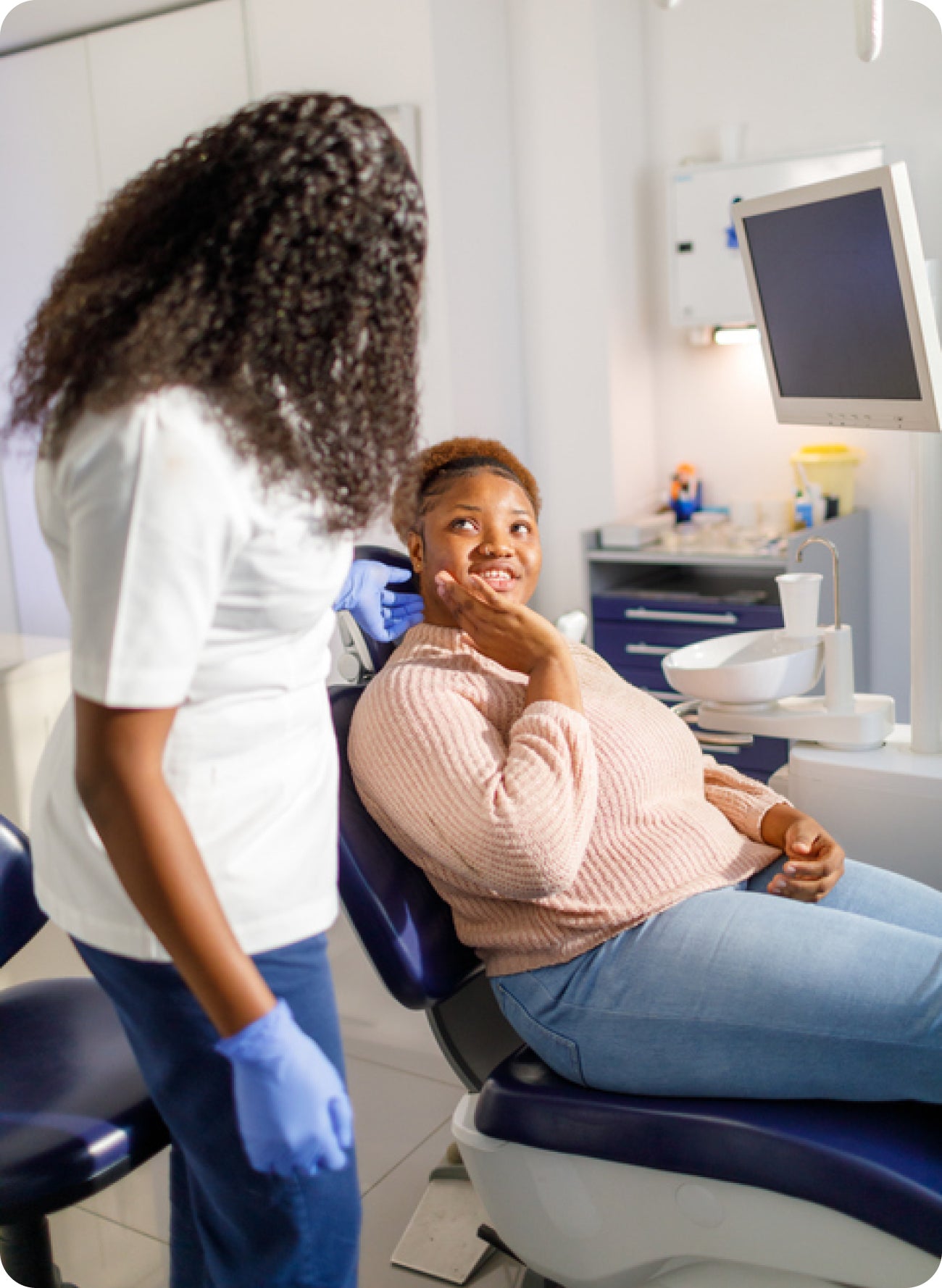
If you've noticed changes in your gums, schedule an appointment with an Aspen Dental provider to discuss whether a specialist evaluation could help.
Why might you need a gum graft?
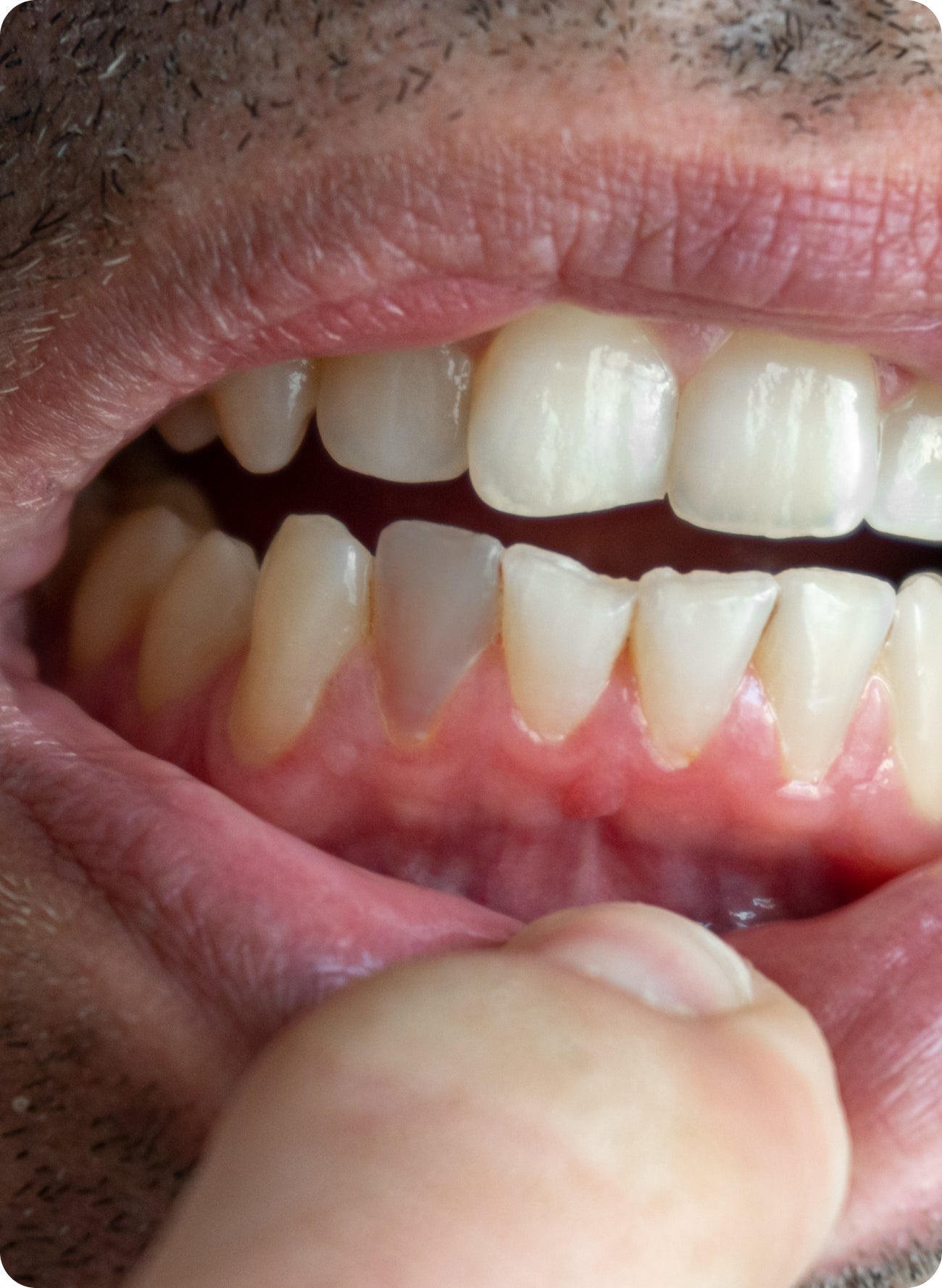
Gum recession happens when the gum margin moves away from its usual position, exposing part of a tooth's root. Exposed roots can be sensitive and more vulnerable to decay. A gum graft adds tissue where it is needed and may help cover the exposed area.²
The goal isn’t identical for everyone. Your periodontist, a dentist who specializes in gums and the supporting structures around teeth, may focus on adding tissue, covering a root or both. Some recession can be monitored rather than treated surgically right away.²
Even gum recession around one tooth deserves an individual assessment. Ask what is causing the change and what treatment would aim to improve.
Free gingival graft vs. connective tissue graft: Where does the tissue come from?
Both procedures often use tissue from the palate, or roof of your mouth. The difference is which layers are transferred:
Free gingival graft: Includes the outer surface layer along with underlying connective tissue. This small piece is separated from the palate and secured at the gum site.³
Connective tissue graft: Uses tissue beneath the surface layer.³ With a common technique, the periodontist makes an incision on the palate, removes a small piece of tissue from beneath the surface and closes the area with stitches.²
There are variations in how tissue is collected. Your periodontist can explain the approach they recommend and how they will protect the area on your palate while it heals.
What is a free gingival graft used for?
A free gingival graft can increase the width of keratinized gum tissue, the firmer tissue surrounding teeth. It may be chosen when increasing that band is the main priority.¹
The graft may not match the color of nearby gums. Root coverage can occur in some situations, but it isn’t always the main goal.¹
Ask your periodontist to show you the area they want to build up. Understanding the intended result helps you see why the procedure may be useful even if an exposed root won't be fully covered.
What is a connective tissue graft used for?
A connective tissue graft is commonly used for root coverage. The tissue is placed beneath or partly beneath existing gum tissue around the recession site. It can also add thickness.¹
That makes it more than a cosmetic procedure. Covering an exposed root may help with sensitivity as well as appearance.⁴ But complete coverage isn’t guaranteed. Loss of supporting tissue between teeth, for example, can limit how much coverage is achievable.¹
Ask what improvement is realistic for your tooth, rather than relying on before-and-after photos of someone else’s treatment.
How does a periodontist choose the graft?
Your periodontist examines the recession and surrounding tissues before recommending treatment.² Several factors shape the choice, and your answers help guide it:
Your treatment goal: Is the priority a wider band of gum, root coverage, added thickness or a combination?
The existing support: What does the examination show about the tissue around and between your teeth?
Your preferences: How important are appearance and avoiding a second surgical site?
Your health history: What should the team know about medications, medical conditions or tobacco use?
Your periodontist can explain which approach best fits your needs.
What to expect during gum graft surgery and recovery
Local anesthesia is used to numb the surgical areas. Let your team know about anxiety or previous difficulty getting numb so you can discuss comfort options beforehand. After the tissue is positioned, stitches help hold it in place.²
If tissue comes from your palate, both the donor site and graft site need care. Recovery varies with the procedure, the area treated and factors such as smoking or diabetes.³ Ask for instructions on eating, activity and pain management that fit your treatment.
Keep your toothbrush and floss away from the graft until your periodontist clears you to resume. Follow their cleaning instructions and attend follow-up visits. Call the surgeon promptly if you see heavy bleeding or pus at the surgical site.²
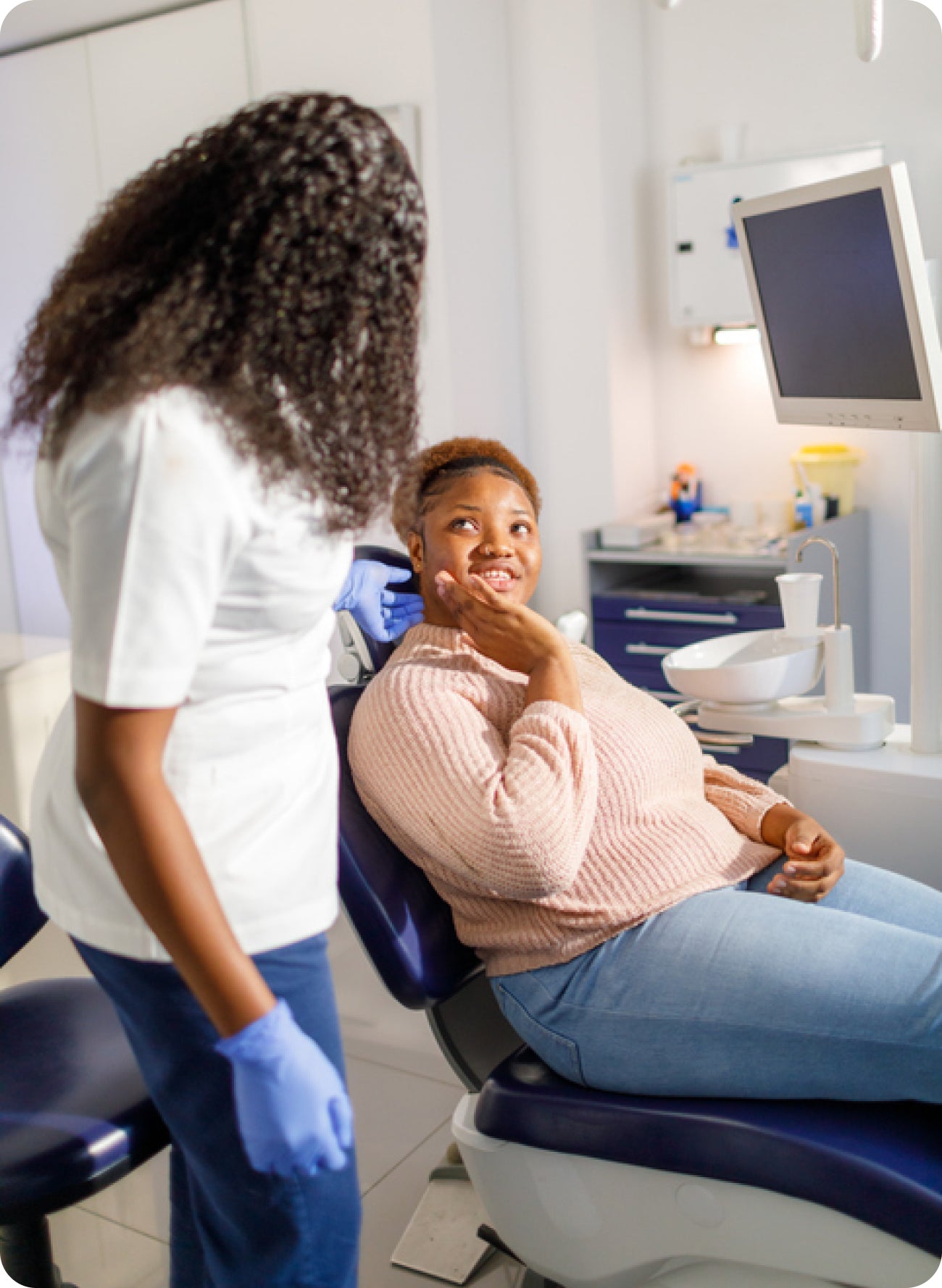
To discuss gum recession and your treatment options, schedule an examination with your local dental provider.
Free gingival graft vs. connective tissue graft: What's the difference? FAQs
Can several teeth be treated at the same appointment?
Often, yes. Gum grafting can treat one tooth or multiple teeth.⁴ Your periodontist may treat more than one area at once, and healing may take somewhat longer when they do.² Ask whether your treatment can be completed together or whether your periodontist recommends separate visits. That conversation can help you plan time away from work and support during recovery.
Is tissue from the roof of my mouth always required?
No. Processed donor tissue is an option in some cases and avoids taking tissue from your palate.³ Find out from your provider if there is an alternative that might be suitable for your treatment goals, what results to expect and how costs compare.
What should I bring to the consultation?
Bring your medication list and any referral information your dentist provided. Write down where you notice sensitivity or changes in your gums. It also helps to list practical concerns, such as upcoming travel or difficulty taking time off, so you can discuss them before scheduling surgery.
Sources
¹ National Institutes of Health, StatPearls: “Overview of Periodontal Surgical Procedures.” https://www.ncbi.nlm.nih.gov/books/NBK599507/
² Cleveland Clinic: “Gum Graft Surgery.” https://my.clevelandclinic.org/health/treatments/23504-gum-graft-surgery
³ American Association of Oral and Maxillofacial Surgeons: “Soft-tissue Grafting.” https://myoms.org/what-we-do/oral-soft-tissue-surgery/soft-tissue-grafts/
⁴ American Academy of Periodontology: “Surgical Procedures.” https://www.perio.org/for-patients/periodontal-treatments-and-procedures/surgical-procedures/