Last updated 08.04.2026
Why straight teeth matter beyond a selfie
Learn how straight teeth support better oral health by making teeth easier to clean, reducing uneven wear and helping protect your gums.

Straight teeth do more than improve your appearance. Properly aligned teeth are easier to keep clean and are less likely to develop cavities, gum disease and excessive wear over time. With National Align Your Teeth Day on August 11, it's a good time to look beyond the cosmetic benefits and understand why a healthy bite matters for your long-term oral health.
What you'll learn in this article:
Crooked or crowded teeth trap plaque more easily, increasing your risk of cavities and gum disease.
A misaligned bite puts uneven pressure on your teeth, leading to extra wear, chips and cracks over time.
Poor alignment can make gum disease more likely, and untreated gum disease has been linked to heart disease, diabetes and other health problems.
It's never too late to improve your smile. Adults can benefit from orthodontic treatment just as much as children and teens.
Book your consultation today to learn whether clear aligners or another orthodontic treatment is right for your smile.
Crooked teeth and your oral health: what's actually happening
Well-aligned teeth are much easier to clean, and the reason is more specific than many people realize. When teeth crowd together, overlap or sit at angles, they create tight spaces where plaque collects in ways that routine brushing and flossing can't fully address.
Why are crooked teeth harder to clean?
A toothbrush can only clean the surfaces it can reach, and floss only works when it can slide easily between your teeth. Crowded or overlapping teeth create tight spaces where plaque can build up and be harder to remove. Over time, that plaque can harden into tartar, which can only be removed during a professional cleaning. This increases the risk of cavities and gum disease, even if you brush and floss every day.
The American Dental Association recognizes improving tooth alignment as an important part of protecting long-term oral health, not just improving appearance.¹
How does misalignment raise my risk of gum disease?
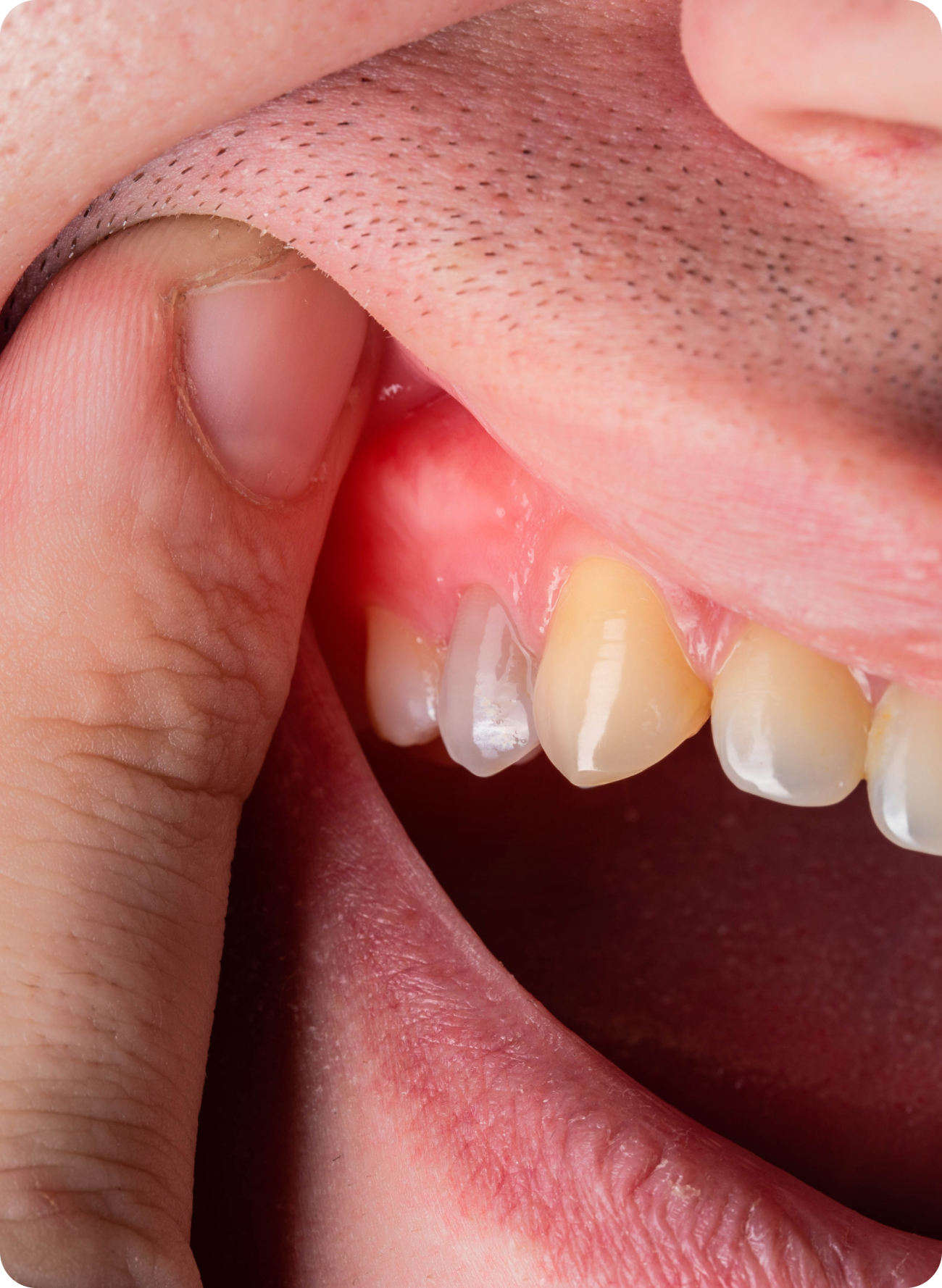
Gum disease begins when plaque builds up along and beneath the gumline, irritating the surrounding tissue. Crooked teeth make it harder to clear plaque from those areas consistently, which is why misalignment is a recognized contributor to gingivitis and, if left unaddressed, periodontitis. Neither condition is inevitable, but poor alignment creates an environment where both become more likely.
The link between bite alignment and tooth damage
Alignment also determines how your upper and lower teeth meet when you bite and chew, and that contact pattern has lasting consequences for the teeth involved.
What happens when your bite is uneven?
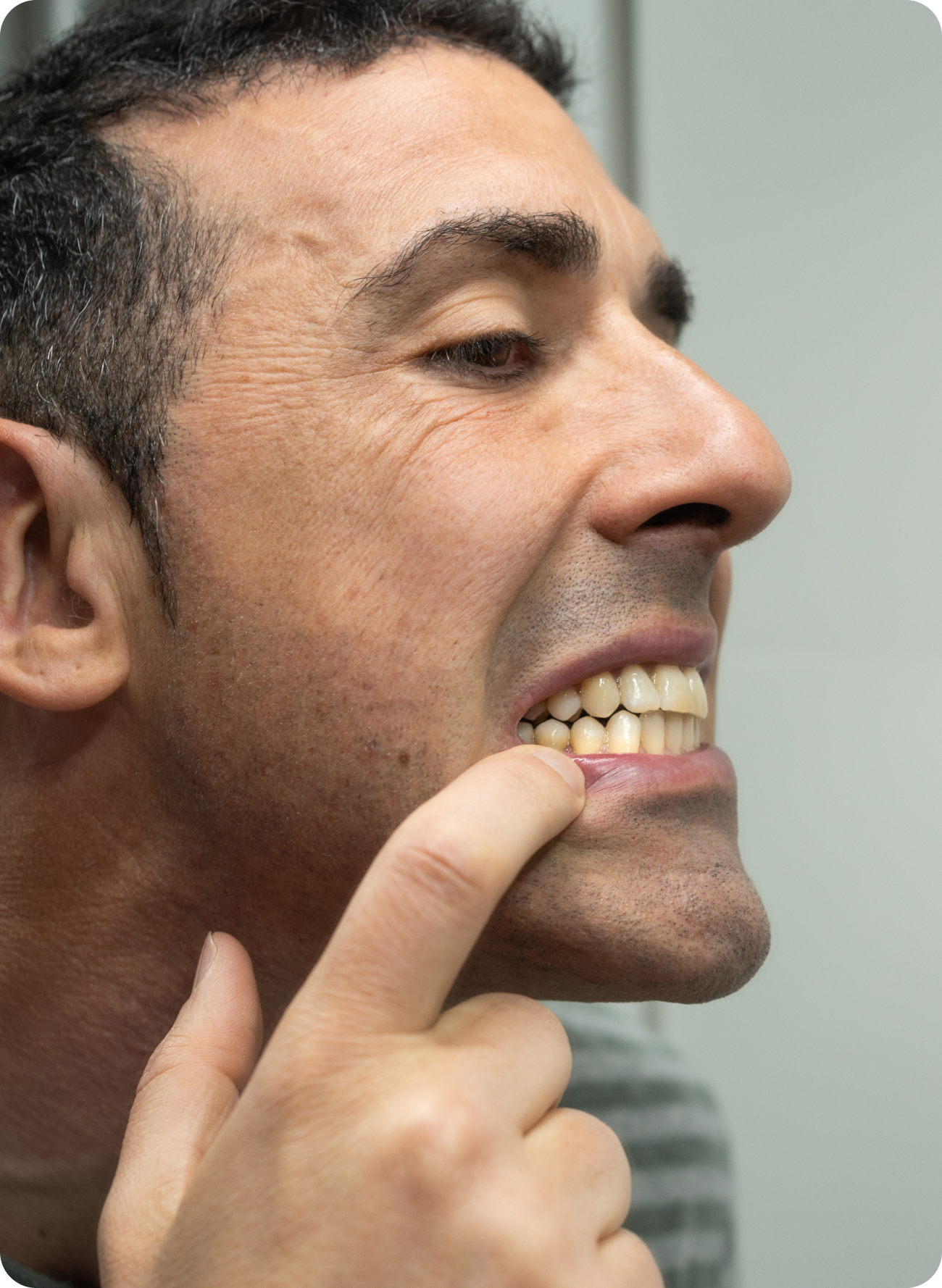
When some teeth absorb more pressure than others, they wear down faster. Over time, this uneven wear can lead to sensitivity, chips and cracks. Left untreated, an uneven bite may eventually require more extensive—and more expensive—dental work.
The American Association of Orthodontists notes that correcting bite problems helps reduce uneven wear and supports better long-term tooth function.²
Can a bad bite cause jaw soreness or headaches?
Yes. A misaligned bite can make chewing less comfortable and place uneven pressure on your teeth and jaws. Over time, that added strain may contribute to jaw discomfort and uneven tooth wear. If you have recurring jaw soreness or headaches, mention them to your dental provider so they can determine whether your bite may be involved.
Alignment and your broader health
Alignment doesn't just affect how your teeth wear or clean, it also plays a role in your gum health. Properly aligned teeth make it easier to keep your gums healthy, reducing the risk of gum disease.
That matters because gum disease affects more than your mouth. Research supported by the American Academy of Periodontology has linked untreated gum disease to a higher risk of heart disease, difficulty managing diabetes and other health conditions.³ While researchers continue to study these connections, gum health is now widely recognized as an important part of overall health.
Keeping your teeth properly aligned can make it easier to maintain healthy gums—and that's good for both your smile and your long-term health.
When to talk to a dental provider about your alignment
Many people don't realize they have an alignment problem because it often doesn't cause noticeable symptoms at first. That's why it's helpful to have your bite evaluated before it leads to bigger problems.
Your dental provider can check whether your bite is balanced, whether crowding is making your teeth harder to clean and which treatment options may be right for you. Both traditional braces and clear aligners can be effective for adults.
Every August 11, National Align Your Teeth Day, is a good reminder to think beyond the appearance of your smile. If you've been wondering whether crooked teeth or your bite could affect your long-term oral health, book a consultation with your dental provider to learn about your options.
Why straight teeth matter beyond a selfie FAQs
Understanding how tooth alignment affects your oral health can help you make more informed decisions about treatment. These answers address some of the questions patients ask most often.
Can adults get orthodontic treatment?
Individuals can benefit from orthodontic treatment at any age, whether they're a teenager or an adult.1 Treatment options (including clear aligners designed to fit naturally into adult routines) are effective for adults, and the oral health benefits of better alignment apply whether you're 25 or 65.
Will my teeth stay straight after orthodontic treatment?
With the right follow-up care, yes. Most patients wear a retainer after completing orthodontic treatment to keep their teeth in their new position.1 Without a retainer, teeth can gradually shift back toward their original alignment over time (a process called relapse). Your dental provider will recommend a retainer plan based on your specific treatment and help you understand how long you'll need to wear it. For most patients, consistent retainer use is the key to keeping results long-term.
How do I know if my bite needs attention?
Some bite problems are easy to spot: visible crowding, noticeable gaps or teeth that clearly overlap. Others aren't apparent without a professional evaluation, since a bite can look straight and still be misaligned underneath. That's why regular dental visits matter, even if nothing seems obviously wrong. A dental provider can assess your bite using X-rays and a hands-on exam, and explain clearly whether any action is needed.
Sources
1American Dental Association / MouthHealthy. “Braces.” https://www.mouthhealthy.org/all-topics-a-z/braces
2American Association of Orthodontists: "The Health Benefits of Straight Teeth: More Than Just Cosmetics." https://aaoinfo.org/whats-trending/is-straightening-your-teeth-purely-a-cosmetic-decision/
3American Academy of Periodontology: "Gum Disease and Other Diseases." https://www.perio.org/for-patients/gum-disease-information/gum-disease-and-other-diseases/