Last updated 08.17.2026
Oral Health and National Wellness Month: Why your mouth is a good place to start
Learn why oral health belongs in your National Wellness Month routine and how caring for your teeth and gums can support overall wellness.

What happens in your mouth can affect your whole body. Your teeth and gums aren't separate from your overall health, they're part of it.
August is National Wellness Month, a good time to look at the daily habits that shape your health. Sleep, movement, and diet often come to mind first, but your mouth deserves a spot on that list, too.
What you'll learn in this article:
Oral health is part of overall wellness. Healthy teeth and gums can support how you eat, feel, and manage your overall health.
Gingivitis can often be reversed when caught early with daily oral care and professional cleanings.
Brushing with fluoride toothpaste, cleaning between your teeth and avoiding tobacco can help lower your risk of common oral health problems.
Healthy habits start early. Preventive dental care can help protect children’s teeth and make oral health part of their wellness routine from a young age.
National Wellness Month is a good time to check in on your oral health, too. Schedule an appointment with an Aspen Dental provider to see how your teeth and gums are doing and what steps can help keep them healthy.
What is National Wellness Month?
National Wellness Month is observed every August. Its goal is simple. It asks people to check in on their health habits and make room for better ones. It covers physical health, mental health, and everything in between. Oral health fits right into that picture.
Why oral health belongs in your wellness routine
Your mouth is a window into the rest of your body. Germs in your mouth can travel. They can reach other organs through the bloodstream. Keeping your mouth healthy is one way to protect your overall health.
The mouth is also where digestion starts. Healthy teeth and gums help you chew well and eat a wide range of foods. That matters for nutrition, energy, and long-term health.
How common is gum disease, really?
Gum disease is one of the biggest threats to oral health in adults. About 4 in 10 U.S. adults age 30 and older had some level of periodontitis between 2009 and 2014.¹
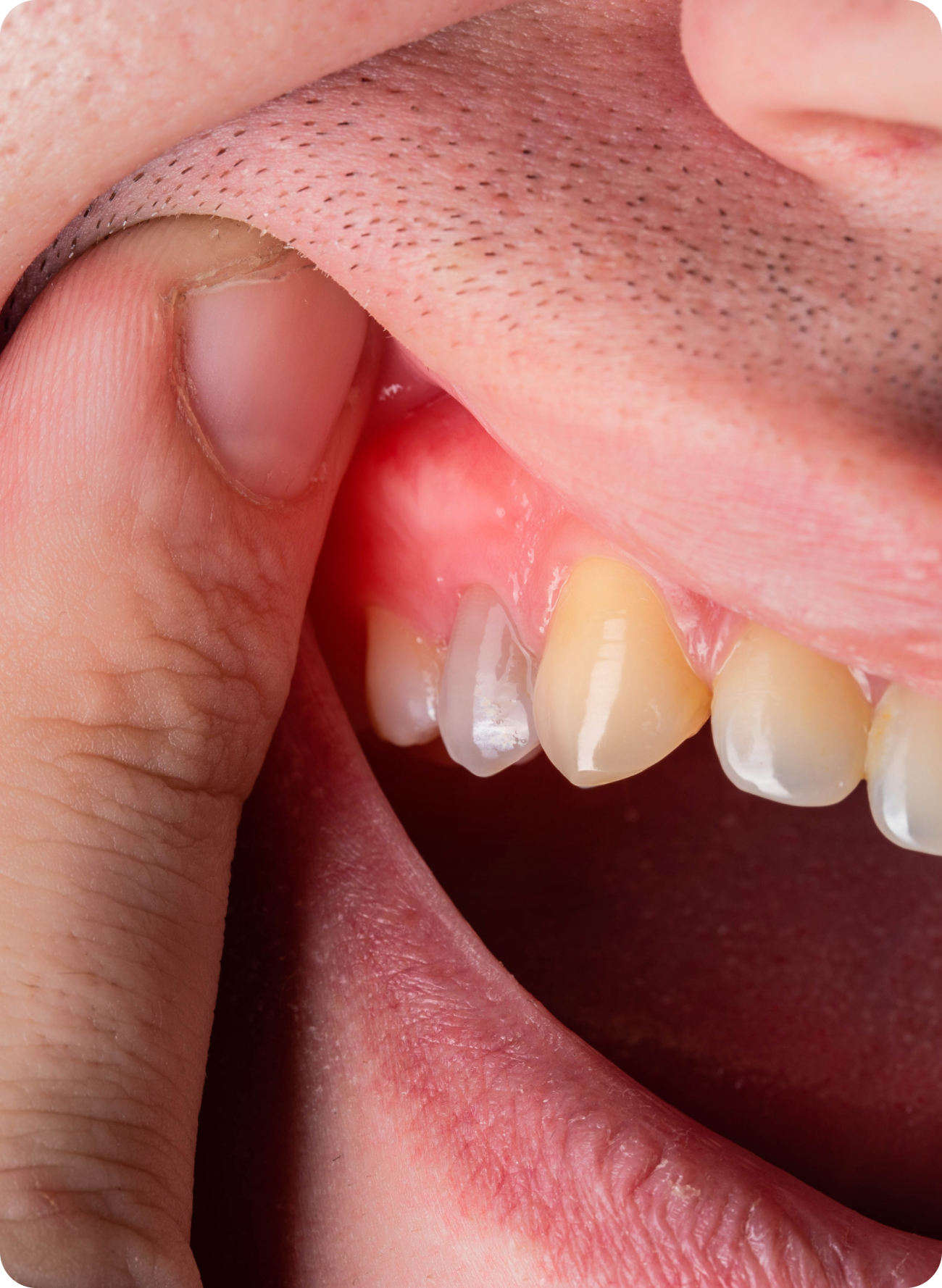
Gum disease starts as gingivitis. That's early-stage inflammation of the gums. Left alone, it can turn into periodontitis. Dental providers call that the more serious form. The gums pull away from the teeth. Bone can be lost over time.
The good news is that gum diseases like these are largely preventable and treatable. That means small daily habits can make a real difference.
The mouth-body connection
Your oral health doesn't stop at your teeth. Gum disease can reach beyond your mouth. Untreated periodontitis can make diabetes worse. People with diabetes are also more likely to have serious gum disease.¹ It works both ways.
This is why doctors and dental providers sometimes work together. Managing both conditions can help protect your health.
Can gum disease be reversed?
If caught early, yes. Gingivitis is reversible and can be treated with good oral hygiene and professional cleanings.¹ That's the kind of news worth acting on this month. The key word is "early." Once gum disease advances, it takes professional care to treat it. That's why catching it soon matters.
Risk factors worth knowing
Some habits raise your risk for gum disease. The National Institute of Dental and Craniofacial Research (NIDCR) says smoking is the most significant risk factor.² If you smoke, your dental provider can talk with you about how it affects your gums and what options you have.
Other factors can also play a role. These include hormonal changes, certain health conditions, and some medications. Your dental provider can review your full picture with you.
Practical oral health tips for this month
Brush twice a day with fluoride toothpaste to help keep your gums and teeth healthy. Fluoride helps harden enamel and fight decay. Your dental provider can recommend the right toothpaste for you.
Flossing daily also plays a key role. Floss reaches spots your brush can't. That's where plaque tends to hide. Clean between your teeth once a day. Your dental provider or a trained team member can show you the best way to do it if you're unsure.
Think of this month as a reset. Pick one or two habits to focus on. Small, steady steps add up over time.
Scheduling a dental checkup is another step worth taking in August. Your dental provider can spot problems early and help you stay on track.
A note for parents: starting early matters
Wellness habits start young. Cavities are the most common chronic disease of childhood in the United States.3 That's a striking fact. The good news is that cavities are preventable.
Two clinical tools can help. Dental sealants can prevent 80% of cavities in the back teeth. These are thin coatings placed on the chewing surfaces of molars. Fluoride varnish can prevent one-third of cavities in baby teeth.³ A trained team member applies it at a dental visit. It's quick and painless for the child.
Children should visit a dental provider by their first birthday. That first visit helps spot signs of problems early. It also gets children used to the dental office while they're young.
Making oral health part of your wellness routine
National Wellness Month is a good nudge. You don't need a full overhaul to start. A few consistent habits can protect your teeth, your gums, and your broader health for years to come.
If you’re not sure which oral health habits deserve the most attention, talk with your dental provider. Your care team can look at your teeth and gums and help you build a routine that fits your needs.
Oral health and National Wellness Month: why your mouth is a good place to start. FAQs
Still have questions about how oral health fits into your overall wellness? These answers cover a few common ways your mouth and body are connected.
What is the link between gum disease and diabetes?
The relationship between these two conditions cuts both ways. High blood sugar makes infections more likely. And gum infections can make blood sugar harder to control. Managing both conditions together gives you the best outcome. Talk with your dental provider and your doctor about coordinating your care.
Is gum disease linked to heart disease?
Research has found a connection between gum disease and cardiovascular health. Bacteria from inflamed gums can enter the bloodstream and contribute to inflammation in blood vessels. While scientists are still studying exactly how the two are related, people with gum disease may face a higher risk of heart disease. Keeping your gums healthy is one more reason to take your dental care seriously. Talk with your dental provider and your primary care doctor if you have concerns about both.
How often should I see the dentist?
Your dental provider will give you a schedule based on your needs. For most adults, regular checkups allow your care team to catch problems early, when they're easiest to treat. Ask your dental provider what interval is right for you.
Can stress affect my oral health?
Yes. Stress can show up in your mouth in a few ways. Some people grind or clench their teeth at night without realizing it. That habit, called bruxism, can wear down enamel and cause jaw pain. Stress can also trigger canker sores or make dry mouth worse. During National Wellness Month, managing stress is part of the picture. If you wake up with jaw soreness or notice worn teeth, mention it at your next dental visit.
What foods and drinks are hardest on my teeth?
Sugary and acidic foods and drinks top the list. Sugar feeds the bacteria in your mouth that produce acids, which attack enamel. Sodas, sports drinks, and fruit juices can be particularly erosive because they combine sugar and acid. Sticky foods like dried fruit cling to teeth longer than other foods, giving bacteria more time to work. Rinsing with water after eating or drinking, and waiting 30–60 minutes before brushing after acidic foods, can help protect your enamel.
Sources
¹Centers for Disease Control and Prevention: Division of Oral Health. “About Periodontal (Gum) Disease.” https://www.cdc.gov/oral-health/about/gum-periodontal-disease.html
²National Institute of Dental and Craniofacial Research: “Periodontal (Gum) Disease.” https://www.nidcr.nih.gov/health-info/gum-disease
³Centers for Disease Control and Prevention: Division of Oral Health. “Oral Health Tips for Children.” https://www.cdc.gov/oral-health/prevention/oral-health-tips-for-children.html