Last updated 07.21.2026
Is it safe to fly with a tooth infection?
Learn when it's safe to fly with a tooth infection, which warning signs mean you shouldn't travel and how treatment can lower your risk.

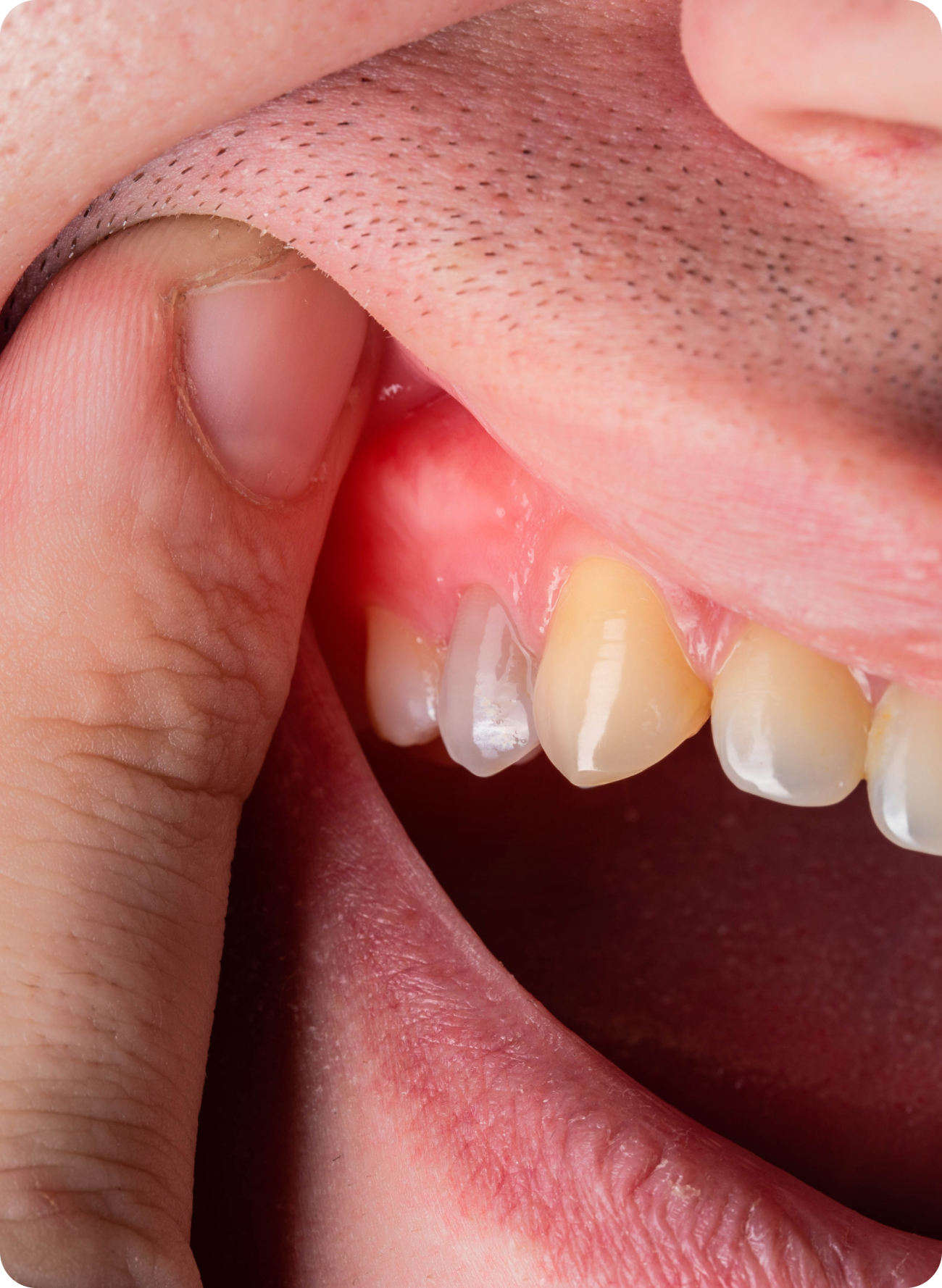
Flying with a tooth infection is usually not safe, especially if it hasn't been treated or is starting to spread. Changes in cabin air pressure can make tooth discomfort much worse. If the infection has spread to your jaw or face, flying could leave you dealing with a serious problem while you're far from medical care. How risky it is depends on the severity of the infection.
What you'll learn in this article:
Cabin pressure changes cause a real clinical phenomenon (called barodontalgia) that can make tooth infection discomfort dramatically worse at altitude
Jaw swelling, a fever or difficulty swallowing are signs that flying is not safe and that you need emergency care right now
Getting dental treatment before your flight is almost always the safer choice, even on short notice
If canceling your trip isn't possible, there are specific steps that can reduce your risk and discomfort in the air
If you have an upcoming flight and suspect you have a tooth infection, schedule an appointment with an Aspen Dental provider. Treating the infection before you travel is the safest option.
Why cabin pressure makes tooth infections worse
Commercial airplanes are pressurized to feel like you're at about 6,000 to 8,000 feet above sea level. At that altitude, gases inside your body expand. For most people, this only causes their ears to pop. But if you have a tooth infection, it can be much more painful.
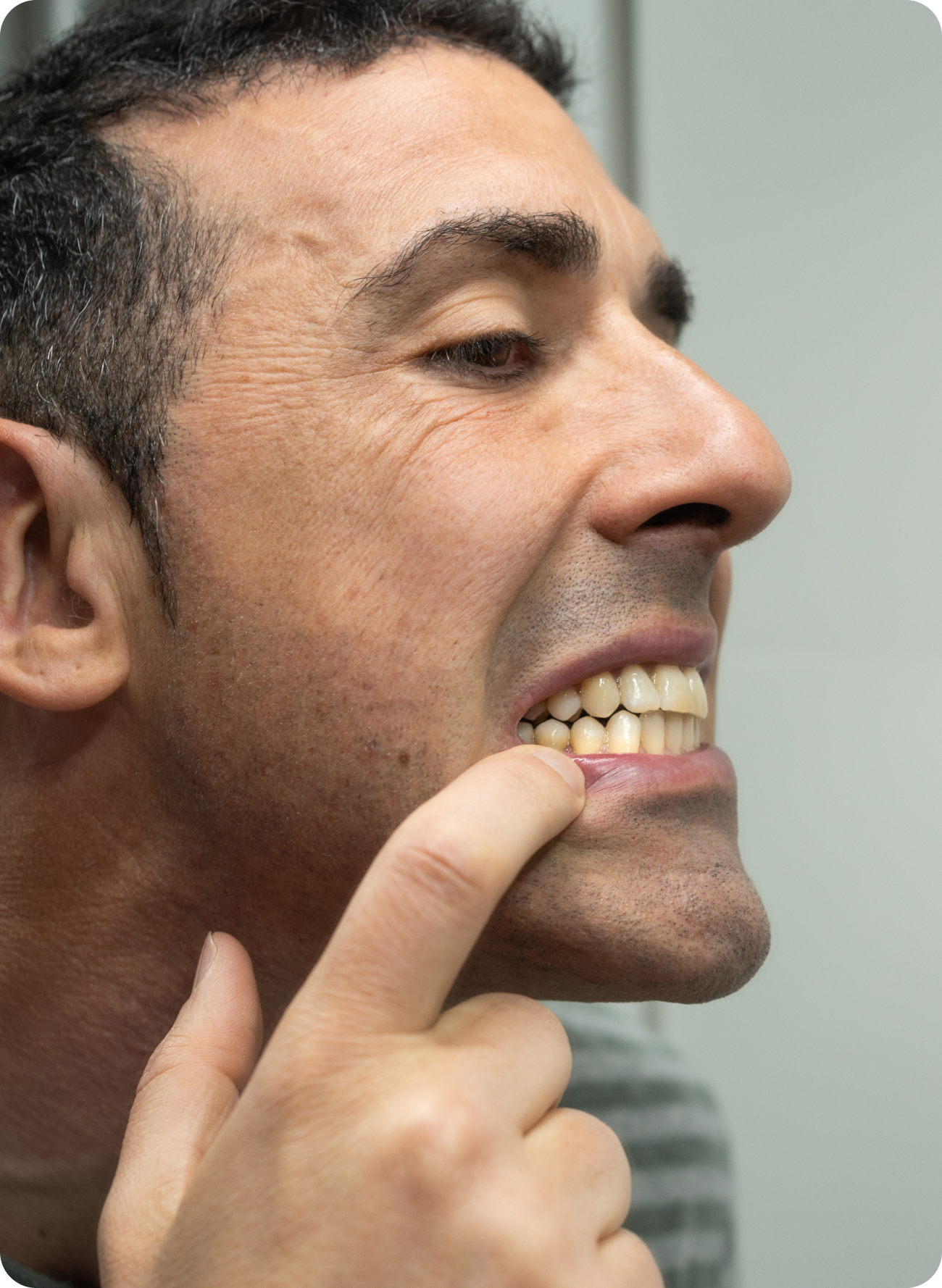
An infected tooth or the tissue around a dental abscess may have trapped gas or fluid. As the plane climbs, that gas expands and puts more pressure on already-swollen tissue. This can cause sudden, severe throbbing or aching that feels much worse than it did on the ground. This is called barodontalgia, or "tooth squeeze." Research from the National Institutes of Health shows that changes in air pressure can cause significant tooth discomfort during a flight.¹
The worst discomfort usually happens during takeoff and landing, when air pressure changes the fastest. Some people say it's the worst tooth discomfort they've ever felt, starting without warning and lasting until the pressure levels out.
Warning signs that mean you should not fly
A tooth infection that's still contained is very different from one that's spreading into the surrounding tissue. Once it spreads, flying can become dangerous. Do not board a plane if you have any of the following:
Swelling in your jaw, face or neck
A fever above 101°F
Difficulty swallowing or opening your mouth
Tightness or pressure in your throat
Difficulty breathing
These symptoms can mean the infection has spread beyond the tooth. Without treatment, it can become life-threatening within days. If you have any of these signs, skip the airport and go to the nearest emergency room.²
It's also important to know what antibiotics can and can't do. They help slow the infection, but they can't drain an abscess or remove the source of the infection inside the tooth.³ Even if you start to feel better, you'll still need dental treatment. Antibiotics buy time; they don't cure the infection.
What to do before your flight
If you have a tooth infection and a flight on the calendar, the most effective step is getting dental treatment before you leave.
Even an emergency appointment can change the picture. Draining an abscess or beginning root canal treatment removes the source of pressure and substantially reduces your risk — in the air and at your destination. Your dental provider can assess how far the infection has progressed and tell you clearly whether it is safe for you to travel. Before your flight:
Schedule a dental appointment as soon as possible — don't wait until you get home
Take any prescribed antibiotics exactly as directed and complete the full course
Ask your provider directly whether flying is safe given your current situation
Avoid long-haul flights if the infection is unresolved
What if canceling isn't an option?
If postponing travel is truly impossible and your symptoms are mild — no fever, no facial or jaw swelling, no difficulty swallowing — these steps can reduce discomfort in the air:
Take an over-the-counter pain reliever such as ibuprofen before boarding and as needed during the flight, following label directions
Chew gum or swallow gently during ascent and descent to help manage pressure changes
Stay well hydrated: dry cabin air worsens inflammation
Let a flight attendant know if your symptoms become severe
These steps address discomfort. They do not treat the infection. Book a dental appointment for as soon as you land.
How a tooth infection is treated
A tooth infection won't go away until the source is treated. This usually involves one of three approaches:
A root canal: Removes the infected tissue inside the tooth.
Abscess drainage: Clears the infection from the surrounding tissue.
Extraction: Removes the tooth if it cannot be saved.³
Your dental provider will take X-rays to see how far the infection has spread and recommend the right treatment. The sooner treatment begins, the more options you'll have and the better the chance of saving the tooth.
If you think you have a tooth infection, don't wait. An Aspen Dental provider can diagnose the problem and recommend the right treatment.
Still have questions about tooth infections and flying? Here are answers to some of the most common ones.
Is it safe to fly with a tooth infection? FAQs
A few related situations come up often when people are getting ready to travel. Here's what's worth knowing before you book.
Is it safe to fly after a root canal or tooth extraction?
It depends on how recently the procedure was performed. A root canal or extraction removes the source of infection, which significantly reduces your flying risk. Most people can fly within a day or two after treatment if healing is progressing normally and they have no fever or swelling. Ask your dental provider before you book it. They can give you a clear answer based on your specific situation.
Will flying cause a tooth infection to spread?
Flying won't directly cause the infection to spread, but dehydration, travel stress and a disrupted routine can affect how well your body fights infection. More importantly, if the infection is already spreading when you board, you're placing yourself hours from emergency care at the moment you may need it most.
How quickly can a tooth infection become dangerous?
It varies depending on the person and the bacteria involved, but an untreated tooth infection can become serious within days. Infections that spread to the jaw or throat can escalate quickly and without much warning. Prompt dental treatment is almost always safer than waiting.
Sources
1National Institutes of Health (PMC) — "Relationships among barodontalgia prevalence, altitude, stress, and dental conditions" — https://pmc.ncbi.nlm.nih.gov/articles/PMC11034504/
2Mayo Clinic — "Tooth abscess — Symptoms & causes" — https://www.mayoclinic.org/diseases-conditions/tooth-abscess/symptoms-causes/syc-20350901
3Cleveland Clinic — "Abscessed Tooth" — https://my.clevelandclinic.org/health/diseases/10943-abscessed-tooth