Last updated 08.20.2026
Does a deep cleaning really help prevent heart disease?
Learn how deep cleaning treats gum disease, what research says about its link to heart disease and what treatment can realistically do.

A deep cleaning won't guarantee a healthy heart, but gum disease and heart disease are linked in ways that matter. Research shows a real connection between the two. Scientists are still working out exactly why. What's clear is that treating gum disease is important for your oral health.
What you'll learn in this article:
Gum disease and heart disease are linked, and inflammation may help explain the connection.
Science shows an association between the two but has not proven that treating gum disease prevents heart disease.
A deep cleaning removes plaque and tartar from below the gumline to treat gum disease.
Taking care of your gums is important even though gum treatment has not been proven to prevent heart disease.
If you’re concerned about your gum health, schedule an appointment with an Aspen Dental provider. They can check for signs of gum disease and explain whether a deep cleaning or another treatment may help.
What is a deep cleaning?
A deep cleaning, also called scaling and root planing, is used to treat gum disease below the gumline. It may be needed when the pockets between your gums and teeth are too deep for a regular cleaning.¹
Scaling removes plaque and tartar from above and below the gumline. Root planing smooths the tooth roots to help your gums reattach to your teeth.
Some pain, tenderness or sensitivity can happen after treatment. Your dental provider can tell you what to expect.
Does gum disease connect to heart disease?
The short answer is yes, gum disease and heart disease are connected, though scientists are still working out the full picture. Here's what the research shows and what it doesn't.
The link researchers found
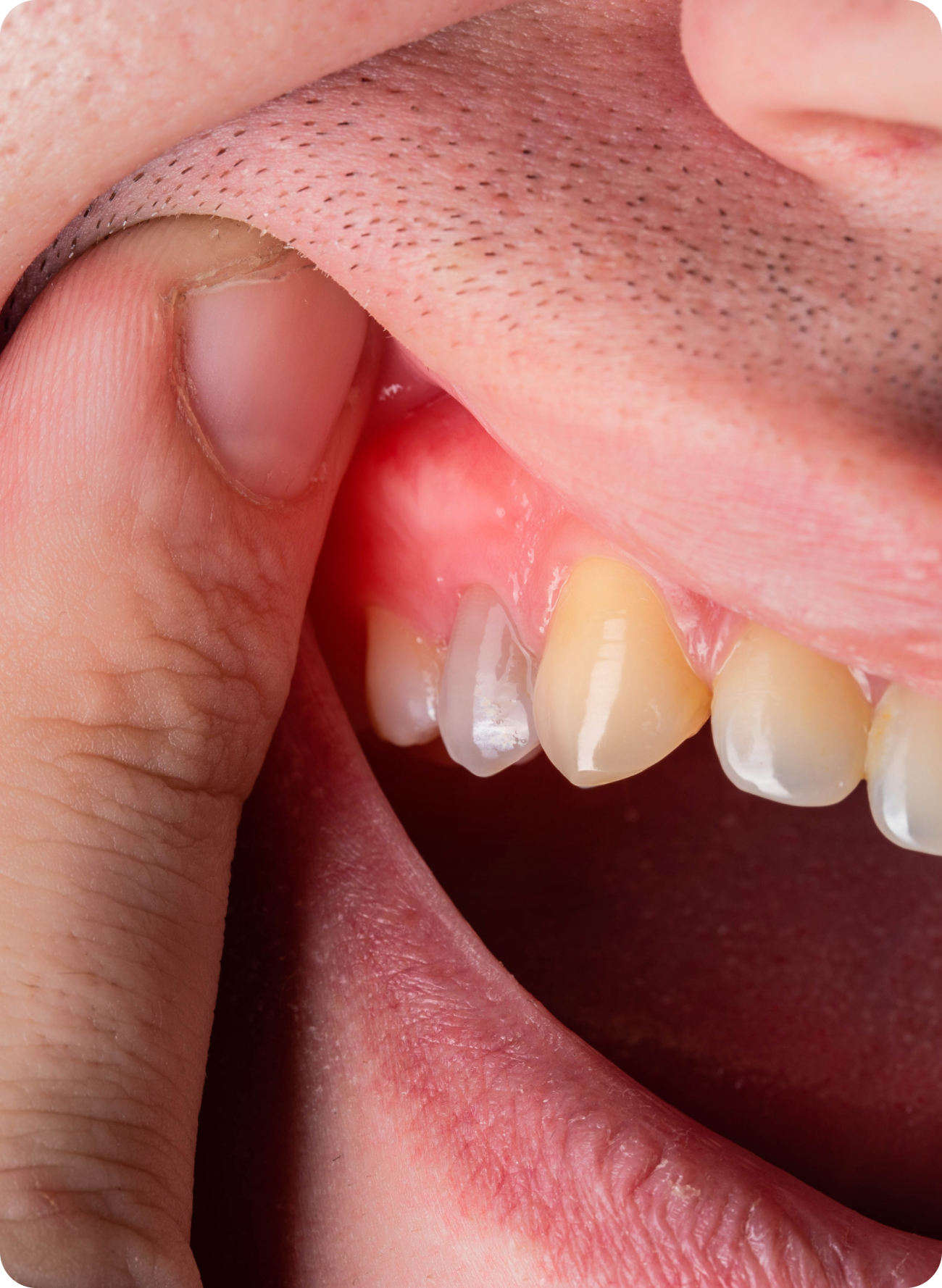
Several studies have shown that gum disease may increase the risk of heart disease. The American Academy of Periodontology (AAP) says inflammation caused by gum disease may help explain the connection.² That does not mean gum disease has been proven to cause heart disease.
How bacteria may play a role
MedlinePlus explains that poor dental health can make it easier for germs to enter your bloodstream through your gums and mouth and that endocarditis is usually caused by germs that enter the bloodstream and travel to the heart.³ Endocarditis is a rare but serious infection of the heart's inner lining. Dental care, especially cleanings, can help reduce the amount of bacteria that grows in your mouth.
What the science doesn't yet show
Researchers have found a link, but they have not shown that treating gum disease reduces atherosclerosis. The American Dental Association (ADA) says current evidence does not show that brushing, flossing or treating gum disease lowers the rate or severity of atherosclerosis, the narrowing of arteries that can lead to heart attacks and strokes.⁴
Who may benefit from paying attention
If you have both gum disease and a heart condition, keep your dental provider and heart doctor informed. Sharing your full health history helps both care teams understand the bigger picture and work together when needed.
Your dental provider can help you understand where your gum health stands and what treatment may be right for you.
What you can realistically expect from a deep cleaning
A deep cleaning treats gum disease by removing plaque and tartar from below the gumline and helping your gums heal. It's a gum health treatment first, not a heart disease treatment. Even without proof that it protects your heart, healthier gums are worth it on their own.
If a deep cleaning is part of your treatment plan, talk with your dental provider about what to expect and what follow-up care your gums may need. Understanding the plan can help you feel more prepared before treatment and know how to care for your gums afterward.
Does a deep cleaning really help prevent heart disease? FAQs
Still have questions about deep cleaning, gum disease and heart health? These answers cover common questions patients have.
Can gum disease come back after a deep cleaning?
Yes, it can. A deep cleaning removes the buildup and bacteria that caused the infection. It gives your gums a chance to heal. But gum disease can return if bacteria are allowed to build up again. That's why what you do at home matters. Brushing, flossing and keeping up with regular checkups help protect the results of your treatment. Your dental provider may suggest more frequent visits for a period of time to make sure your gums are staying healthy.
How do I know if I have gum disease?
Your dental provider checks for gum disease during your exam. They measure the space between your gums and teeth. Signs can include bleeding, swelling or gums that have pulled away from your teeth. You may not notice any signs at all. That's why regular checkups matter.
Should I tell my heart doctor that I have gum disease?
Yes. If you have a heart condition, tell both your dental provider and your heart doctor about your gum health. Keeping both providers informed can help them work together to manage your care.
Sources
¹ American Dental Association, MouthHealthy: “Scaling and Root Planing for Gum Disease.” https://www.mouthhealthy.org/all-topics-a-z/scaling-and-root-planing
² American Academy of Periodontology: “Gum Disease and Other Diseases.” https://www.perio.org/for-patients/gum-disease-information/gum-disease-and-other-diseases/
³ National Library of Medicine, MedlinePlus: “Endocarditis.” https://medlineplus.gov/endocarditis.html
⁴ American Dental Association, MouthHealthy: “Heart Disease and Oral Health.” https://www.mouthhealthy.org/all-topics-a-z/heart-disease-and-oral-health