Last updated 08.11.2026
What is the oral microbiome, and does it matter?
Learn what makes up your oral microbiome, how it affects your teeth and gums and which daily habits can help keep it balanced.

Your mouth is home to billions of tiny organisms, mostly bacteria, that make up your oral microbiome. When this community stays balanced, it helps protect your teeth and gums. When that balance changes, it can contribute to cavities, gum disease and bad breath. Understanding what affects your oral microbiome can help you take better care of your mouth and support your overall health.
What you'll learn in this article:
Your mouth contains hundreds of bacterial species, and many are harmless or helpful.
When the bacterial balance shifts, your risk of tooth decay and gum disease can increase.
Research links an unhealthy oral microbiome to conditions including heart disease and diabetes, not just dental problems.
Simple daily habits, including what you eat and drink, have a direct effect on the bacterial balance in your mouth.
If you're noticing changes in your mouth, such as bleeding gums, new sensitivity or persistent bad breath — schedule an appointment with an Aspen Dental provider for a personalized evaluation.
What is the oral microbiome?
The oral microbiome is the collection of microorganisms (bacteria, fungi and viruses) that live inside your mouth. Researchers have identified more than 700 bacterial species in the human mouth alone.¹ These microorganisms form thin films called biofilms on your teeth, gums, tongue and inner cheeks. Dental plaque is one of the most familiar examples of an oral biofilm.
Most of these bacteria are either neutral or actively beneficial. Certain species help regulate the acidity of your saliva and compete with harmful bacteria, keeping them in check. A healthy oral microbiome isn't a sterile mouth; it's a balanced one.
Is all mouth bacteria harmful?
No. In a healthy mouth, beneficial bacteria outnumber harmful ones. These protective species break down food, stimulate saliva flow and create an environment where harmful bacteria struggle to establish themselves. Problems arise when that balance shifts and harmful species take over.
Why does the oral microbiome matter?
A balanced oral microbiome is one of your mouth's most important defenses. When harmful bacteria gain the upper hand, a condition researchers call dysbiosis, the consequences can extend well beyond your teeth.
How does it affect my mouth?
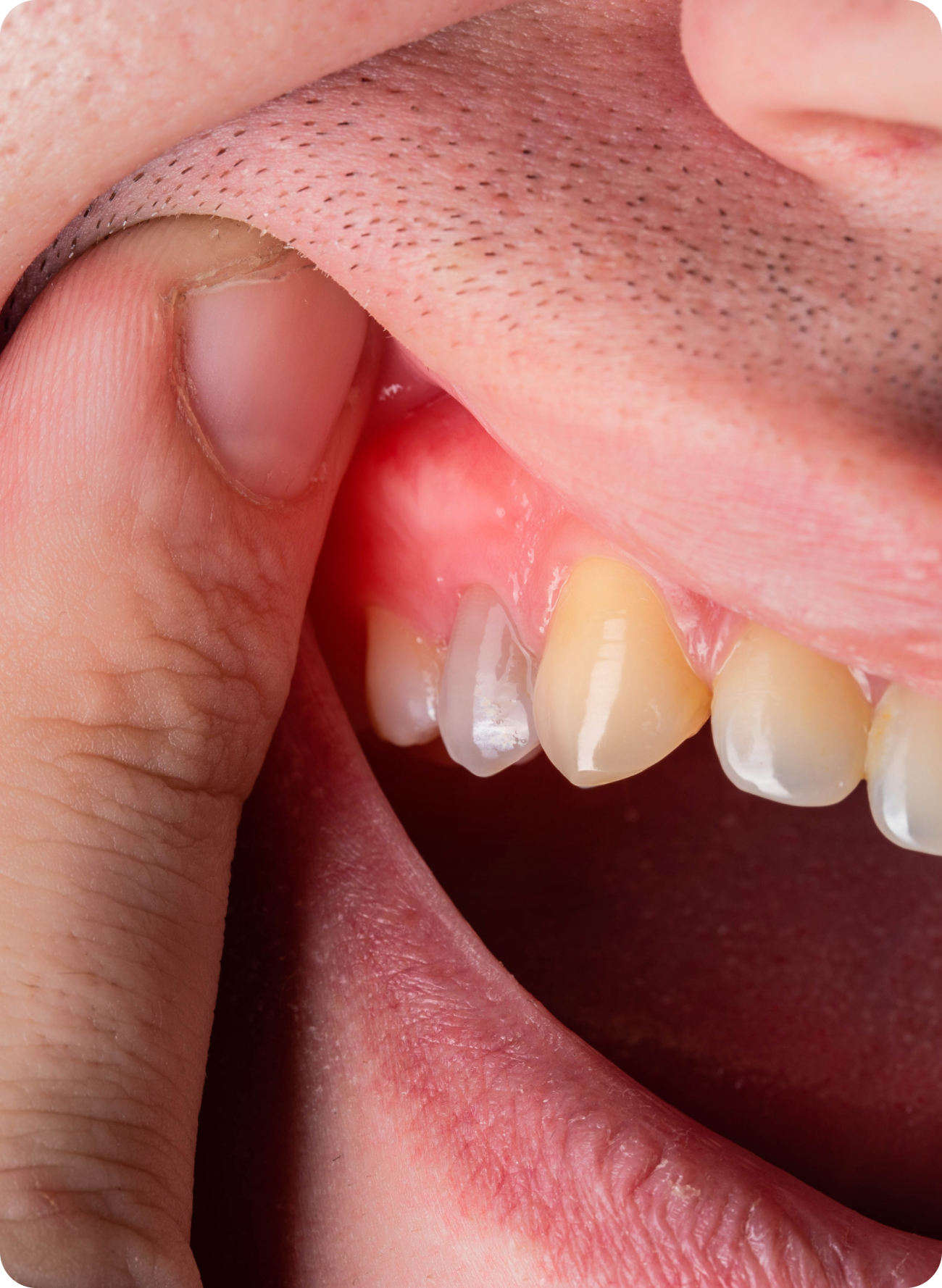
Certain bacteria produce acid when they digest sugar. When acid-producing bacteria dominate, that acid erodes tooth enamel and leads to cavities. Other bacterial species trigger inflammation in the gum tissue, which can progress to gum disease over time. Fungal overgrowth within the oral microbiome can also lead to oral thrush which is a condition characterized by white patches, soreness and changes in taste.
Can the oral microbiome affect the rest of my body?
Research suggests it can. The National Institute of Dental and Craniofacial Research has documented links between oral bacteria and conditions including heart disease and diabetes, sometimes called the "oral-systemic connection.”² Bacteria and inflammatory molecules from the mouth can enter the bloodstream and contribute to inflammation in other parts of the body.³
What disrupts the oral microbiome?
Several common factors can shift the bacterial balance in your mouth, sometimes without obvious symptoms at first.
Does diet matter?
Yes, significantly. Diets high in sugar and refined carbohydrates feed acid-producing bacteria and allow them to multiply faster than beneficial species can compensate. Fibrous vegetables and adequate water intake, on the other hand, support saliva production and help maintain a healthier environment.
Can mouthwash hurt the oral microbiome?
Some oral rinses can change the balance of bacteria in your mouth.3 Used as directed by your dental provider, certain mouthwashes can be appropriate and effective. If you're unsure which type is right for you, it's worth asking at your next appointment.
How to support a healthier oral microbiome
Brushing twice a day, flossing daily and getting regular professional cleanings help keep harmful bacteria in check. Cleaning your tongue matters too because bacteria can build up there.
Cutting back on sugary and acidic foods gives harmful bacteria less fuel to grow. Drinking enough water also supports saliva, which helps wash away food and bacteria and keep your mouth balanced.
If you've recently taken antibiotics, noticed bleeding gums or have ongoing bad breath, talk with your dental provider. They can check your teeth and gums and help you understand whether anything needs attention.
What is the oral microbiome, and does it matter? FAQs
If you still have questions about your oral microbiome, these answers cover a few common topics and concerns.
Does a healthy oral microbiome mean my breath will always be fresh?
Not necessarily. While a balanced microbiome reduces the bacteria that contribute to bad breath, breath odor can also be affected by dry mouth, certain foods and conditions unrelated to bacterial balance. If bad breath persists despite consistent oral hygiene, it's worth discussing with your dental provider. It may signal an underlying issue worth addressing.
Can probiotics improve the oral microbiome?
Some research suggests that specific probiotic strains (particularly those designed for oral use, like lozenges, rather than gut-focused capsules) may help support a healthier bacterial balance in the mouth.3 The evidence is still developing, and current guidance doesn't yet recommend oral probiotics as a substitute for regular oral hygiene. Ask your dental provider whether oral probiotics might be appropriate for you.
How does smoking affect the oral microbiome?
Smoking significantly alters which bacteria survive in your mouth, reducing species associated with healthy gum tissue and increasing those linked to gum disease and oral infections.³ People who smoke tend to have less bacterial diversity overall, which makes the mouth more susceptible to harmful overgrowth. Quitting smoking is one of the most meaningful changes you can make for your oral microbiome and your long-term oral health.
Sources
¹National Institutes of Health / PMC: "Oral microbiome: Unveiling the fundamentals." https://pmc.ncbi.nlm.nih.gov/articles/PMC6503789/
²National Institute of Dental and Craniofacial Research: "Healthy Mouth, Healthy Body.” https://www.nidcr.nih.gov/news-events/nidcr-news/2024/healthy-mouth-healthy-body
³National Institutes of Health / PMC: "Oral Microbiome: A Review of Its Impact on Oral and Systemic Health.” https://pmc.ncbi.nlm.nih.gov/articles/PMC11434369/