Last updated 08.11.2026
What is teledentistry and how does it work?
Learn how teledentistry works, what concerns a virtual dental visit may help assess and when you may need to see a dental provider in person.

Teledentistry uses technology such as live video and secure sharing of photos or other health information to provide dental care remotely.¹ It doesn't replace every appointment, but it can help you get answers faster, ease uncertainty and decide whether you need to come in. Think of it as a smart first step when something doesn't feel right and you're not sure what to do next.
What you'll learn in this article:
Teledentistry visits may happen over live video or through photos you send ahead of time, depending on your needs.
Common concerns such as tooth sensitivity, sore gums or questions about treatment can sometimes be assessed remotely.
Teledentistry has limits. Knowing what it can and can't do helps you choose the right visit type and avoid delays when you need in-person care.
If you're unsure whether a teledentistry visit or an in-person appointment is the right next step, schedule an appointment with an Aspen Dental provider for a personalized evaluation.
How does a teledentistry visit work?
Teledentistry visits happen in one of two ways, depending on whether you need an answer right now or can wait for a provider to review your information.
Live video visits
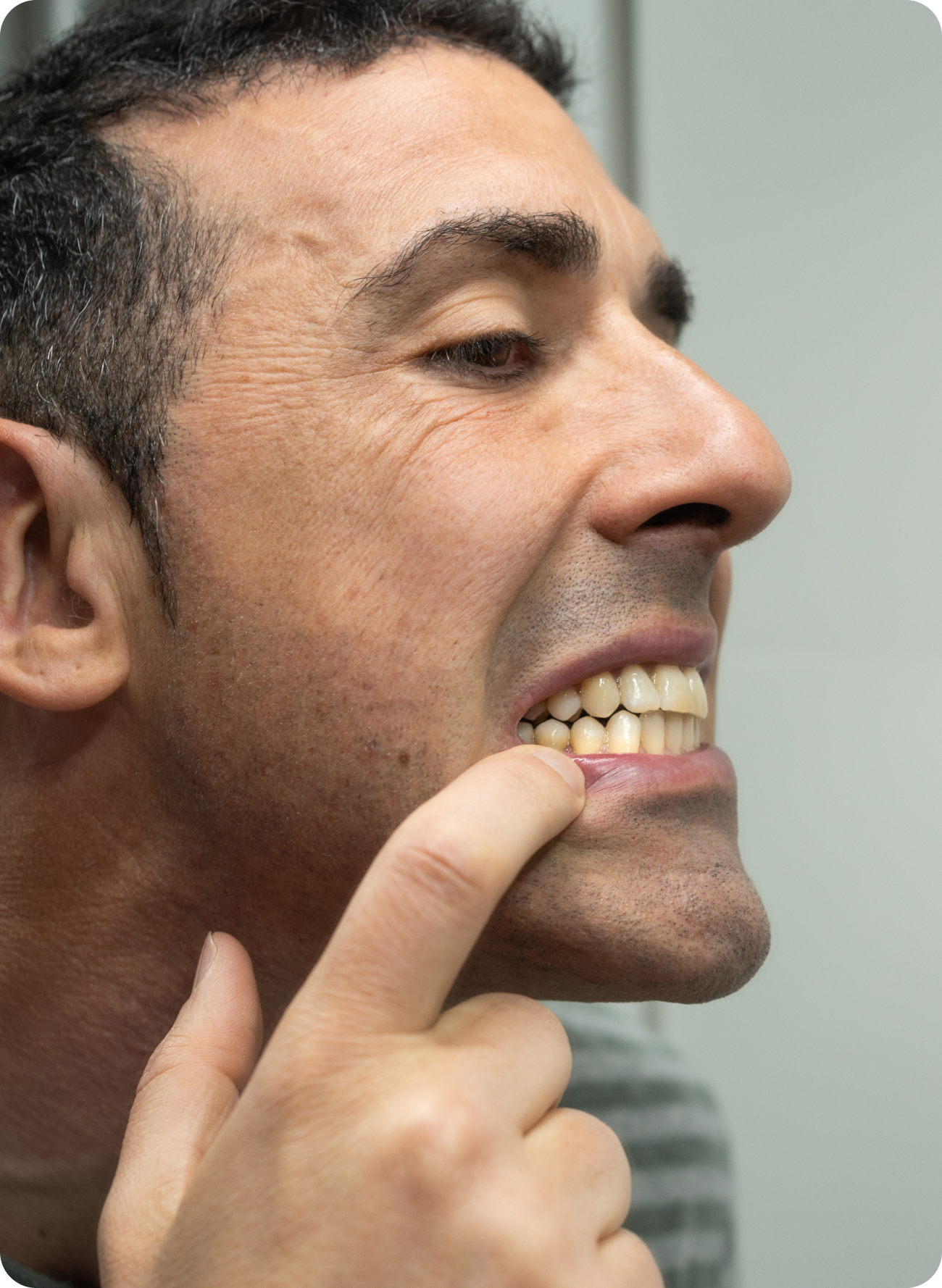
A live teledentistry visit works much like a video call. You can describe your symptoms, show the area you're concerned about and ask questions. Your dental provider can assess what they can see and hear, then recommend next steps.
Live visits can be helpful when you want to talk through a concern or when it's easier to explain what you're experiencing in real time.
Store-and-forward visits
In a store-and-forward visit, you submit photos, X-rays or health information in advance. Your dental provider reviews everything on their own schedule rather than in real time, then sends a recommendation back to you.¹ This is a practical option when you don't need an answer immediately or when you're sharing images that take time to review carefully.
What can teledentistry help with?
Teledentistry works best when a visual assessment or conversation is enough to guide your next step. Common uses include:
Evaluating tooth sensitivity or mild gum soreness
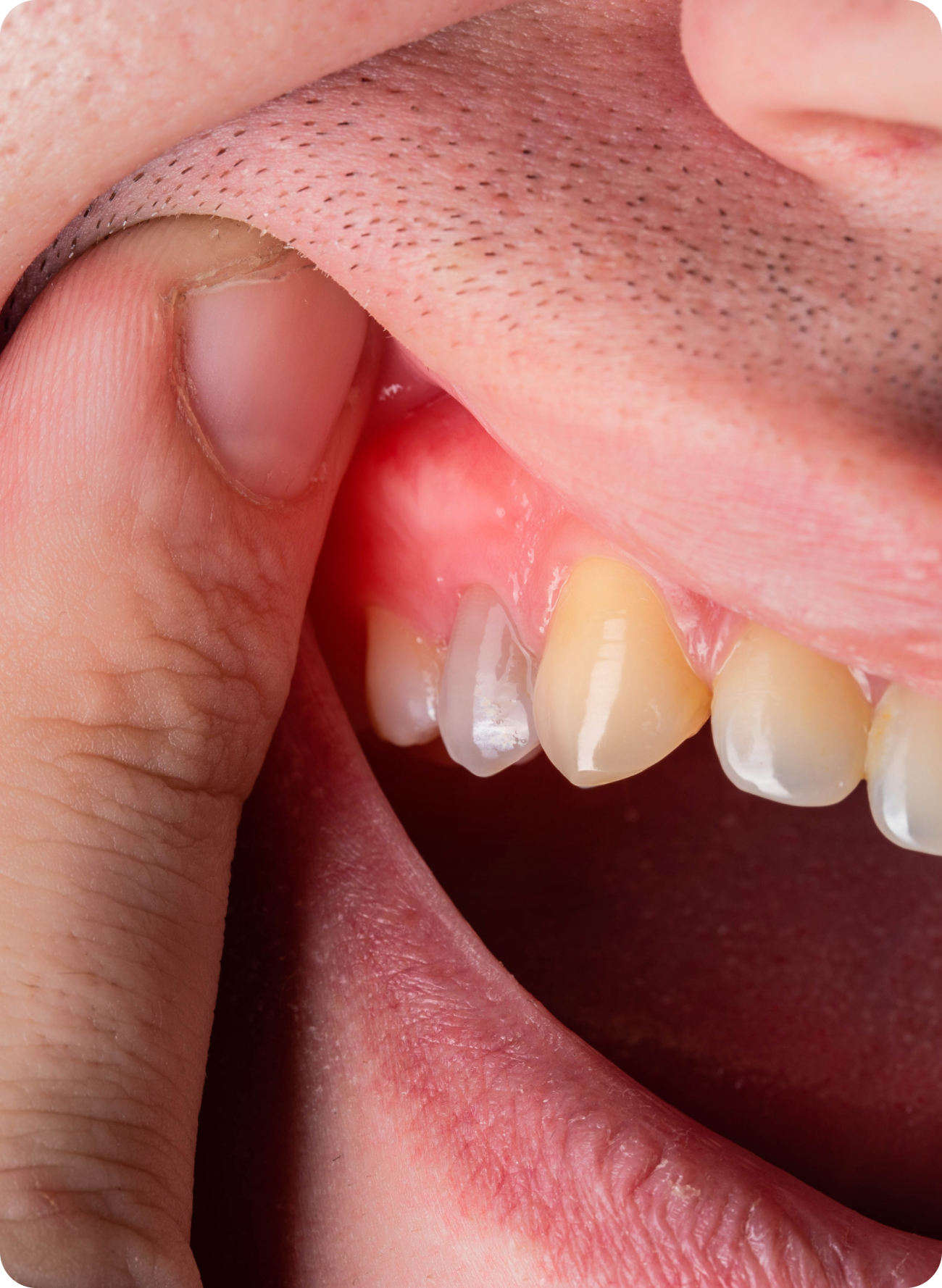
Reviewing a visible sore, irritation or change in your mouth
Following up after a procedure by sharing photos of how you're healing
Asking questions about treatment options before scheduling a visit
Getting a second opinion on a diagnosis or recommended treatment²
When is in-person care the better choice?
Teledentistry has limits; it can't include X-rays, a hands-on exam or treatment. In-person care is the better choice if you have swelling, a knocked-out tooth, a broken or badly damaged filling or crown, or signs of infection such as a bad taste, a bump on your gums, or swelling in your face or jaw.
If you're not sure which symptoms fall into this category, a quick teledentistry visit can help you figure that out before deciding whether to come in.
Is a teledentistry visit private?
Yes. Teledentistry visits use secure platforms designed to protect your health information under the same federal privacy rules that apply to other dental care.¹ Your photos, health history and conversation are kept private as part of your dental record.
If you have questions about privacy or how the technology works, ask your dental provider before the visit begins. Knowing what to expect can help you feel more comfortable deciding whether teledentistry is right for you.
What is teledentistry and how does it work? FAQs
If you still have questions about how teledentistry works, these answers cover some of the most common things to know before a virtual dental visit.
Does insurance cover teledentistry?
Coverage varies by plan and state. Adoption of teledentistry among dentists has grown in recent years, though a 2023 ADA survey found many practices still don't offer it.³ Contact your insurance provider directly before your visit to confirm whether teledentistry is covered and what, if any, cost sharing applies.
Can my dental provider prescribe medication during a teledentistry visit?
In some states, dental providers can prescribe certain medications following a teledentistry assessment. What's permitted varies by state law and the nature of your situation. Your dental provider will let you know if a prescription is appropriate and how it will be sent to your pharmacy.
Does teledentistry mean I'll never need to come in?
No. Think of it less as either/or and more as a way to figure out your next step faster. Sometimes that step is reassurance, sometimes it's an in-person visit sooner than you'd otherwise have scheduled one.
Sources
¹American Dental Association: “ADA Policy on Teledentistry.” https://www.ada.org/about/governance/current-policies/ada-policy-on-teledentistry
²Jampani ND, Nutalapati R, Dontula BSK, Boyapati R. National Library of Medicine Applications of Teledentistry: “A Literature Review and Update.” https://pmc.ncbi.nlm.nih.gov/articles/PMC3894070/
³The Journal of the American Dental Association: “Teledentistry adoption and applications.” https://jada.ada.org/article/S0002-8177(23)00342-2/fulltext