Last updated 07.15.2026
Why is my tooth throbbing after a hot drink?
A throbbing tooth after a hot drink can signal nerve inflammation, decay or a crack. Learn common causes and when to see your Aspen Dental provider.

A tooth that throbs after a hot drink usually means the nerve inside the tooth is irritated, inflamed, or infected — not just surface sensitivity. Instead of a quick sting that fades in seconds, throbbing often means the nerve inside the tooth is irritated, inflamed, or infected. The good news is that finding the cause early can often lead to simpler treatment and faster relief.
What you'll learn in this article:
Lingering throbbing after a hot drink usually means the nerve inside the tooth is inflamed, not just sensitive.
A deep cavity, cracked tooth or damaged filling are the most common causes.
Throbbing that lasts more than 30 seconds or comes with swelling or fever needs prompt evaluation.
Finding the cause early often leads to simpler treatment and a better chance of saving the tooth.
If your tooth throbs after hot drinks, schedule an appointment with your Aspen Dental provider. Finding the cause early can help prevent the problem from getting worse.
Throbbing tooth pain vs. tooth sensitivity
A quick sting from hot coffee or tea that goes away within a few seconds is often caused by worn enamel, exposed roots, or mild sensitivity.2
Throbbing pain is different.
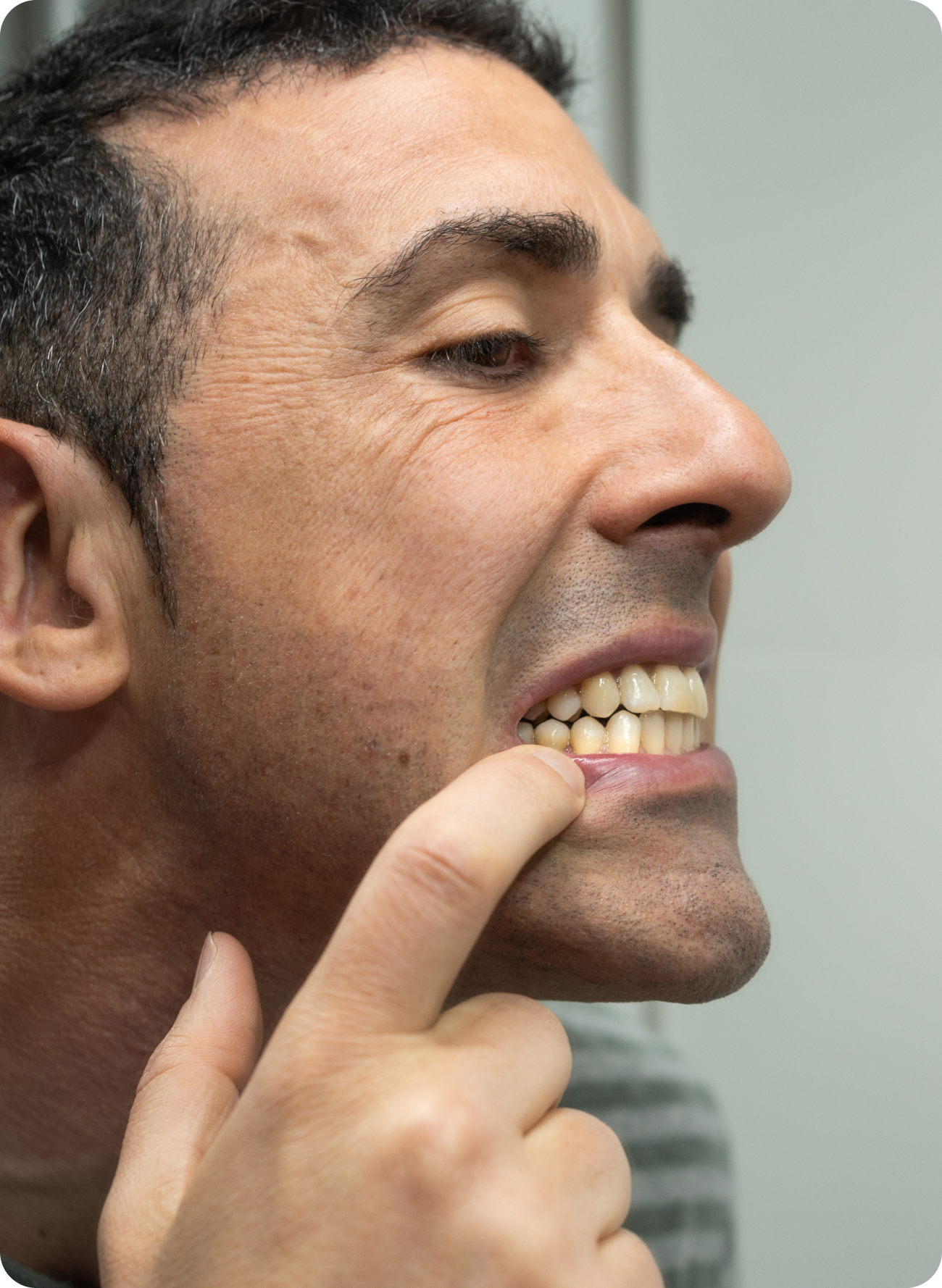
A throbbing tooth usually means the nerve inside the tooth has become irritated or inflamed. Because the nerve sits inside a hard tooth, even a small amount of swelling can create pressure and pain. This type of pain often lasts longer and may come back each time something hot touches the tooth.
Why does heat make the throbbing worse?
Heat can increase pressure inside a tooth that already has an irritated nerve. That extra pressure can make the tooth pulse, ache, or throb. Some people notice that cold water briefly makes the tooth feel better. If hot drinks regularly cause pain that lasts more than 30 seconds, the problem is often deeper than everyday tooth sensitivity. According to the American Association of Endodontists, throbbing that lingers more than 30 seconds after heat is a recognized indicator of irreversible pulpitis — a condition that will not resolve without professional treatment.1
Common causes of a tooth that throbs after hot drinks
Inflamed tooth nerve (pulpitis)
This is one of the most common causes. The soft tissue inside the tooth becomes inflamed, often because of decay, a crack or long-term irritation.1
Early treatment may help save the tooth. More advanced cases may require a root canal.
Deep cavity
A deep cavity can allow heat to reach the nerve more easily. What starts as mild sensitivity can become throbbing pain as the decay gets closer to the center of the tooth.
Cracked tooth
Even a tiny crack can irritate the nerve. You may notice pain after hot drinks, when chewing or when biting down on certain foods. Some cracks are difficult to see and may not appear on X-rays.
Loose, damaged, or worn filling
Fillings can wear down over time. If a filling no longer seals the tooth properly, heat can reach the inner layers of the tooth and trigger pain.
Exposed tooth root
When gums pull away from a tooth, the root becomes exposed. Roots do not have the same protective enamel as the rest of the tooth, making them more sensitive to temperature changes.2
When should you be concerned?
Schedule an appointment soon if you have:
Throbbing that lasts more than 30 seconds after a hot drink
Tooth pain that wakes you up at night
One tooth that keeps getting more sensitive
Pain when chewing or biting
What are signs you need same-day dental care?
Contact an Aspen Dental office as soon as possible if you have:
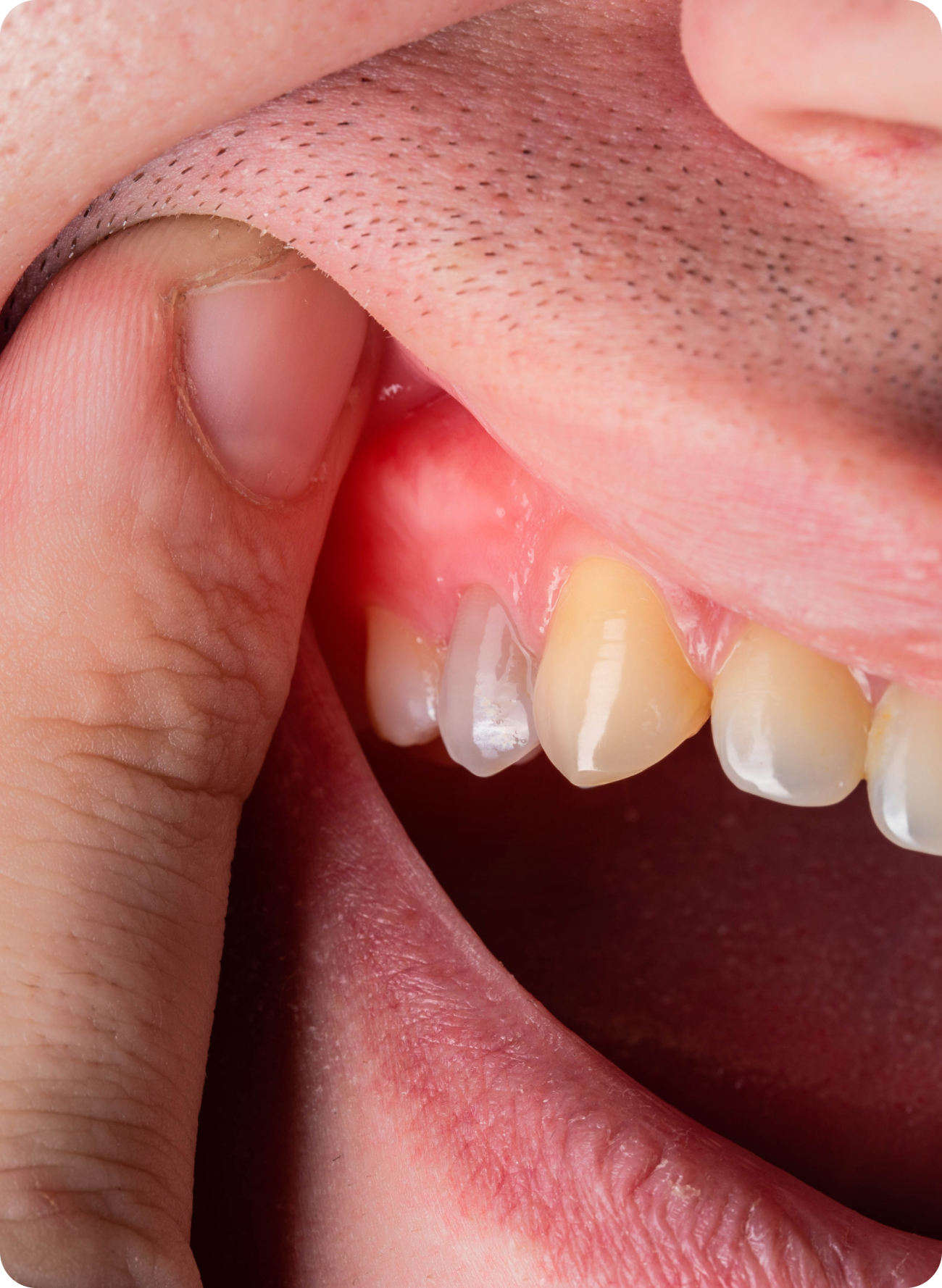
Swelling in your gums, cheek, or jaw
A bump or pimple on the gum near the tooth
Fever
Severe throbbing that does not go away
These symptoms may be signs of a dental abscess, which requires treatment.
What your dental provider may do
A throbbing tooth rarely gets better on its own. An Aspen Dental provider will examine the tooth and may take X-rays to find the cause.
Treatment depends on what is causing the pain. You may need:
A filling
A crown
Bonding or a crown to stabilize a cracked tooth
Antibiotics or drainage to treat an infection
The sooner the problem is found, the easier treatment often is. If your tooth has been throbbing after hot drinks, even occasionally, schedule an appointment with your Aspen Dental provider.
Why is my tooth throbbing after a hot drink? FAQs
Can a hot drink make a tooth infection worse?
A hot drink does not cause an infection. However, it can make an infected tooth hurt more for a short time by increasing pressure inside the tooth.
Will a throbbing tooth go away on its own?
Usually not. A quick sensitivity problem may improve, but throbbing pain often points to inflammation, decay, a crack, or infection that needs treatment.
Is heat sensitivity different from cold sensitivity?
Yes. Cold sensitivity is often linked to exposed roots, worn enamel, or mild sensitivity. Pain triggered by heat is more likely to be related to irritation or inflammation inside the tooth.
What happens if I ignore a throbbing tooth?
Ignoring a throbbing tooth can allow the underlying problem — whether decay, a crack, or an inflamed nerve — to progress. What might have been treated with a filling can become a root canal, and an untreated infection can spread. If the pain keeps returning, schedule an appointment with your dental provider sooner rather than later.
How long should I wait before scheduling an appointment?
If it happens once and goes away, you can monitor it for a day or two. If the pain keeps coming back, gets worse or is accompanied by swelling, fever or constant aching, schedule an appointment as soon as possible.
Sources
1American Association of Endodontists — Tooth Pain: https://www.aae.org/patients/dental-symptoms/tooth-pain/
2Cleveland Clinic — Sensitive Teeth: https://my.clevelandclinic.org/health/symptoms/10954-teeth-sensitivity