Last updated 06.17.2026
Tooth discomfort getting worse? Warning signs that mean you need care today
Learn which signs of worsening tooth discomfort may signal infection, nerve involvement or a dental emergency.

Tooth discomfort that is getting worse — not better — is your body's signal that something needs professional attention. Unlike mild, fleeting sensitivity, escalating discomfort typically points to an active infection, nerve involvement or structural damage that will not resolve on its own. The longer it goes untreated, the more complex the care required.
What you'll learn in this article:
Why throbbing that intensifies when you lie down is a reliable sign of nerve or pulp involvement
How to tell whether gum swelling is an abscess — and why it should never be left untreated
Which symptoms signal a problem that cannot wait, even a few days
Why discomfort that spreads to your jaw, ear or temple means the issue has moved beyond the tooth itself
Why dental discomfort almost never resolves on its own — and what happens when it is ignored
When antibiotics alone are not enough, and what to expect if you are already taking them
When to go to the emergency room versus scheduling a same-day dental appointment
Why worsening discomfort is different from ordinary soreness
Not all dental discomfort signals the same level of concern. A brief sensitivity to cold is very different from throbbing that intensifies over time or wakes you at night.
Mild, occasional sensitivity is often linked to early enamel wear, a small cavity or temporary gum irritation. Discomfort that is worsening — becoming more intense, lasting longer, or spreading — more often signals inflammation or infection inside the tooth or surrounding tissue.
This progression is what separates a routine dental issue from one that may require same-day care.
Warning signs that mean you should not wait
The following symptoms, especially in combination, indicate that the underlying problem is progressing. Your Aspen Dental provider can evaluate the area and help determine the cause — and the right course of treatment.
Throbbing that intensifies when you lie down
Discomfort that becomes noticeably worse when you recline is a strong sign of inflammation inside the tooth. Lying flat slightly increases pressure in the head, which can intensify pressure within an already-inflamed pulp chamber. The result is throbbing that often becomes more severe at night and may interfere with sleep. This pattern usually warrants prompt evaluation.
Sharp discomfort when biting or chewing
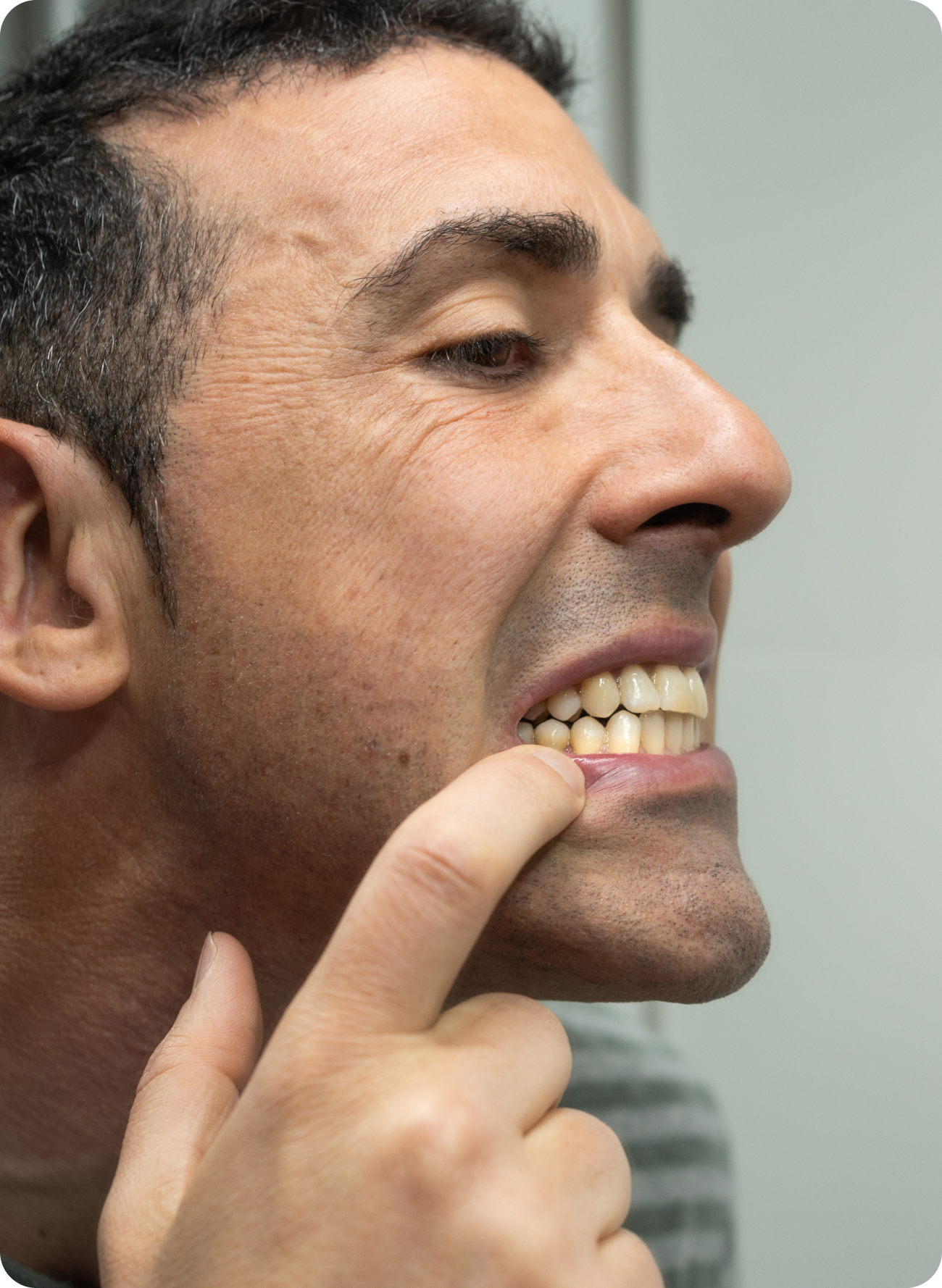
Sharp discomfort that occurs when you bite down — especially if it is localized to one tooth and happens repeatedly — often points to a cracked tooth, failing filling or infection near the root tip. Some cracks are too small to appear on X-rays in the early stages. Prompt evaluation matters because continued chewing can cause the crack to worsen, potentially making the tooth harder to save.
Swelling in your gum, jaw, or face
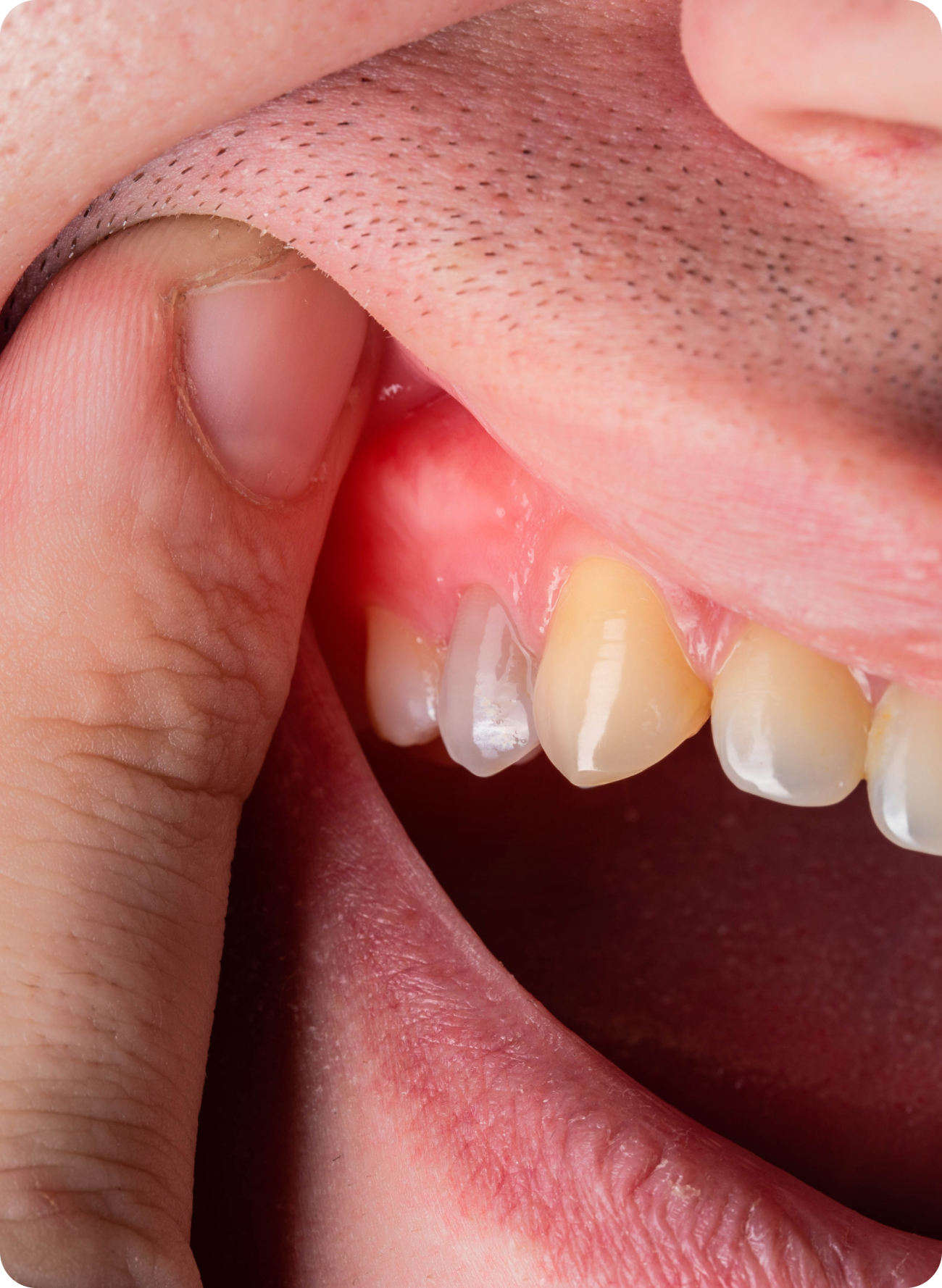
Visible swelling alongside dental discomfort almost always indicates infection. A localized swelling near the gumline may be a periapical abscess (infection at the root tip) or a periodontal abscess (infection in the gum pocket). Either can progress quickly.
Swelling that extends to the jaw, cheek or floor of the mouth is more serious — it may indicate that the infection has spread into surrounding soft tissue, a condition called cellulitis. At this stage, the infection is no longer contained to the tooth and requires urgent care. If swelling is affecting your ability to open your mouth, swallow or breathe, go to the emergency room immediately.
A bad taste or foul smell that won't go away
A persistent bad taste — especially one that appears suddenly and does not improve with brushing — often indicates that an abscess has begun to drain. You may notice a small pimple-like bump on the gum near the affected tooth; this is called a dental fistula or sinus tract, and it is the body's way of releasing pressure from an infection. While the drainage may temporarily reduce the aching, it does not mean the infection has resolved. The source of the infection remains active and requires treatment.
Discomfort that spreads to your jaw, ear, or temple
Dental discomfort that radiates beyond the tooth itself — into the jaw, ear, temple, or neck — is a sign that the nerve is significantly involved or that the infection is spreading. This referred discomfort pattern is common with abscesses and with irreversible pulpitis. It can be easy to mistake for an earache or sinus issue, but if it coincides with dental tenderness or swelling, the tooth is the likely source.
Fever alongside dental discomfort
Untreated dental infections can spread into the head and neck and, in rare cases, become life-threatening — the Mayo Clinic notes that a spreading dental abscess can lead to sepsis, a serious systemic infection1 Seek emergency care if you develop a fever above 101°F with facial swelling or trouble swallowing.
Sensitivity to heat that lingers after the source is removed
Cold sensitivity that fades within a few seconds is often a sign of early enamel erosion or a small cavity. Heat sensitivity that lingers — lasting 30 seconds or more after the hot food or drink is removed — is a more specific indicator of pulp damage or necrosis. A tooth with a dying or dead nerve may actually become more reactive to heat as the tissue breaks down. This lingering heat response, particularly when combined with other symptoms, warrants same-day evaluation.
Discomfort that gets worse throughout the day
Some patients notice that their discomfort is mild in the morning but builds steadily as the day progresses. This pattern can indicate that chewing, temperature changes, and normal jaw movement are repeatedly aggravating an already-inflamed nerve or cracked tooth. Discomfort that follows this escalating daily pattern — rather than staying stable — suggests the underlying condition is active and worsening.
What to do for tooth pain while you wait for your appointment
These steps will not treat the underlying cause, but they can reduce pain and prevent the situation from worsening before you are seen.
Rinse with warm salt water
Dissolve half a teaspoon of salt in eight ounces of warm water and rinse gently for 30 seconds. Salt water reduces inflammation and can help clear bacteria around an abscess opening.
Apply a cold compress
Hold a cold pack or bag of ice wrapped in a cloth against the outside of your cheek for 15–20 minutes at a time. Cold constricts blood vessels and quiets nerve signals. Do not apply ice directly to the tooth or gum.
Take an over-the-counter anti-inflammatory
Ibuprofen (Advil, Motrin) reduces both pain and inflammation and is generally more effective for dental pain than acetaminophen alone. Follow the dosing instructions on the label. Do not place aspirin directly on the gum — this can cause a chemical burn.
Keep your head elevated
Lying flat increases blood pressure in the head, which intensifies throbbing. Prop yourself up with an extra pillow when resting.
Avoid temperature extremes
Hot and cold foods or drinks can trigger or worsen pain in an already-inflamed tooth. Stick to room-temperature foods and water until you are seen. These measures provide temporary relief only. They do not treat the infection or damage causing the pain, and they should not delay your appointment.
Why does tooth discomfort get worse at night?
Tooth pain often intensifies at night for two main reasons: lying flat increases blood pressure in the head, which raises pressure inside an already-inflamed pulp chamber, and the absence of daytime distractions makes pain that was manageable during the day feel much more severe. Cortisol — the body's natural anti-inflammatory hormone — also drops to its lowest point at night, which can allow swelling and nerve pressure to intensify.
If tooth pain is regularly waking you up or preventing sleep, that pattern alone is a strong signal that the tooth needs prompt evaluation. Learn more about why tooth pain gets worse at night and what you can do to manage it until your appointment.
Will dental discomfort go away on its own?
Mild sensitivity from minor irritation may occasionally improve on its own, but discomfort that is worsening usually will not. Infections, nerve inflammation, cracks and abscesses do not heal without treatment and often become more serious over time.
In some cases, the discomfort may temporarily lessen if an abscess drains or the nerve inside the tooth dies. This is not true healing — it often means the condition is progressing. A tooth with a dead nerve can still contain an active infection that continues damaging the surrounding bone and tissue.
Waiting rarely makes treatment simpler. More often, it allows the problem to become larger and more difficult to treat.
Will antibiotics stop the discomfort?
Antibiotics can help slow the spread of a dental infection, but they usually do not eliminate the source. Once the pulp inside a tooth is infected or damaged, blood flow to the area becomes limited, making it difficult for antibiotics to fully reach the bacteria inside.
This is why discomfort may not improve immediately — and can sometimes worsen temporarily during the first 24–48 hours. In most cases, antibiotics are used alongside treatment such as a root canal, drainage or extraction, not as a replacement for it. If your symptoms are not improving after 48–72 hours on antibiotics, contact your dentist’s office.
ER or dental appointment — which is right for your situation?
Emergency rooms can provide temporary relief — medication and antibiotics — but they cannot perform dental procedures or treat the underlying cause of an infection. According to the American Dental Association, an estimated 2 million Americans visit hospital emergency departments for dental discomfort each year, at a cost of $2.7 billion to the healthcare system.2
If your situation involves any of the following, go to the emergency room or call 911:
Swelling that is affecting your ability to breathe or swallow
Fever above 101°F with facial swelling
Swelling that has spread to your neck or floor of the mouth
Severe difficulty opening your jaw
What about urgent care?
Urgent care centers can prescribe antibiotics and medication — but like the ER, they cannot treat the source of the infection. If your symptoms are severe but not life-threatening, a same-day dental appointment is the more effective path. For all other situations — including severe throbbing, a visible abscess, sensitivity disrupting sleep, or discomfort that has been worsening for more than 24–48 hours — a same-day dental appointment is the right call.
When to see your provider
If your discomfort has been escalating rather than improving, do not wait to see if it resolves on its own. The warning signs covered in this article — throbbing that worsens at night, swelling, fever, spreading aching, a bad taste or lingering heat sensitivity — are your body's way of communicating that the problem is active and progressing.
Early treatment almost always means simpler, less invasive care. A tooth that is treated at the first sign of infection is far more likely to be saved than one that has been left to worsen over days or weeks.
Visit an Aspen Dental office near you for an evaluation. Same-day appointments are available at many locations, and your dentist will assess the tooth, explain what is happening and walk you through your options clearly and without pressure.
Tooth pain getting worse FAQs
Can a sinus infection cause tooth discomfort in my upper teeth?
Yes. The roots of the upper back teeth sit close to the maxillary sinuses, so sinus inflammation or infection can create pressure and aching across several upper teeth at once — often on one side. Sinus-related discomfort usually worsens when bending forward or moving your head and tends to affect multiple teeth rather than one specific tooth. If the discomfort is isolated to a single tooth, a dental cause is more likely. If you are unsure, your dentist can help determine the source.
Can tooth discomfort cause headaches?
Yes, particularly when the trigeminal nerve — the main sensory nerve of the face — is involved. Dental infections and severe pulpitis can trigger referred discomfort that radiates to the temple, forehead or behind the eye, mimicking a tension headache or migraine. If you have recurring headaches alongside dental tenderness, the two may be connected.
Is it normal for discomfort to get worse after a filling?
Some post-filling sensitivity is expected, particularly in the first 1–2 weeks as the tooth adjusts. However, discomfort that is intensifying rather than gradually fading — especially sensitivity to heat or throbbing at night — may indicate that the pulp was already compromised before the filling was placed, or that the filling is affecting your bite. If discomfort after a filling is worsening beyond two weeks, contact your dentist’s office for a follow-up evaluation.
Does tooth discomfort always mean I need a root canal?
Not necessarily. The appropriate treatment depends on how far the infection or damage has progressed. Early-stage pulpitis may be addressed with a filling or crown. If the pulp is irreversibly inflamed or the tooth is abscessed, root canal treatment is typically needed to save the tooth. In some cases, extraction may be the recommended option. The only way to know is through a clinical examination and X-rays — which is why evaluation is the essential first step.
How quickly can a dental infection spread?
Dental infections can spread faster than most people expect. A localized abscess can begin moving into surrounding bone or soft tissue within days if untreated. Spread to the jaw, neck, or airway — while uncommon — can occur within 24–72 hours in severe cases. This is why fever, difficulty swallowing or swelling that extends beyond the jaw should be treated as a medical emergency — not something to wait out.
Sources
1Mayo Clinic — "Tooth abscess — Symptoms and causes": https://www.mayoclinic.org/diseases-conditions/tooth-abscess/symptoms-causes/syc-20350901
2American Dental Association — Emergency Department Visits for Dental Conditions:
https://www.ada.org/-/media/project/ada-organization/ada/ada-org/files/resources/community-initiatives/action-for-dental-health/emergency-department-referrals/ed_referral_hpi_infographic.pdf