Last updated 08.19.2026
The 31-Day Healthy Smile Challenge for National Wellness Month
Build better oral health habits in 31 days with simple steps for brushing, flossing, food choices, hydration, dental tools and regular checkups.

August is National Wellness Month, and your smile is a great place to start. This 31-day challenge breaks better oral health into small, daily habits. You don't overhaul your whole routine at once. You just add one thing at a time. By the end of the month, those small steps add up to a real difference.
What you'll learn in this article:
Brushing and flossing the right way protects your teeth from decay and gum disease
What you eat and drink every day has a direct effect on your oral health
Swapping out old tools and checking for warning signs keeps small problems small
A professional checkup is part of the challenge, not an afterthought
Ready to make your smile part of your wellness routine? Schedule an appointment with an Aspen Dental provider and use this 31-day challenge to build healthier habits between visits.
Week 1: Build your foundation habits
Good oral health starts with two daily habits. The American Dental Association (ADA) says to brush your teeth twice a day with a fluoride toothpaste for two full minutes, and clean between your teeth daily. Floss, small brushes made to clean between teeth or a water flosser are all options. The key is finding one you'll actually use. Choosing a method you'll do regularly matters most.¹
How do I brush the right way?
Hold your brush at a slight angle toward your gums. Use short, gentle back-and-forth strokes. Don't scrub hard. Brush every surface: the front, the back and the chewing side. Then brush your tongue to help with fresh breath.
Days 1-7 focus: Brush twice a day, floss once a day and start brushing your tongue.
Week 2: Look at what you eat and drink
Your diet plays a big role in your oral health. Limiting sugary snacks and drinks can help reduce tooth decay. Sugar feeds the bacteria in your mouth. Those bacteria make acid. That acid is what wears down your teeth over time.
Water is your smile's best friend. It rinses away food and acid between meals. Drinking water throughout the day keeps your mouth from getting dry. A dry mouth lets bacteria grow faster.
What foods and drinks are hardest on teeth?
Sticky candy, soda, sports drinks and fruit juice are tough on enamel. So are citrus fruits in large amounts. You don't have to cut them out. Try to have them with meals instead of sipping on them all day. That limits how long acid sits on your teeth.
Days 8-14 focus: Drink more water each day. Cut back on sugary drinks and save sweets for mealtimes.
Week 3: Check your tools and technique
The right tools make your habits work better. The ADA says to replace your toothbrush every three or four months, or sooner if the bristles look frayed.² Worn bristles don't clean as well.
This week is also a good time to look at your technique. Are you brushing for the full two minutes? Are you reaching your back teeth? Small adjustments here can make a big difference over time.
Should I use mouthwash?
Mouthwash can be a helpful add-on. Look for one with fluoride. It's not a replacement for brushing or flossing, but it can help rinse away what you missed. Ask your dental provider which type fits your needs best.
Days 15-21 focus: Replace your toothbrush if it's due. Try adding mouthwash to your routine. Check that you're brushing all surfaces each time.
Week 4: Watch for warning signs and plan your checkup
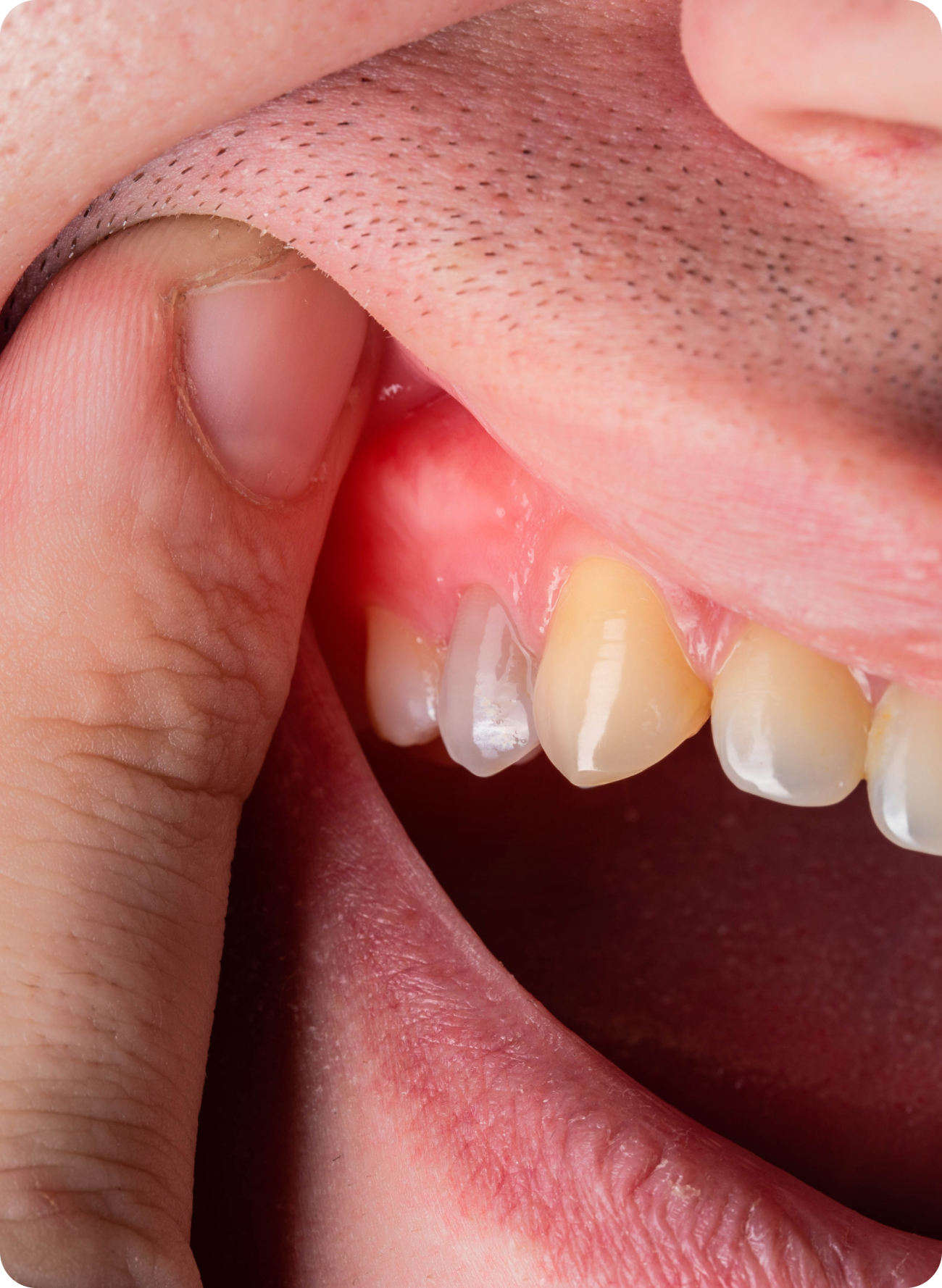
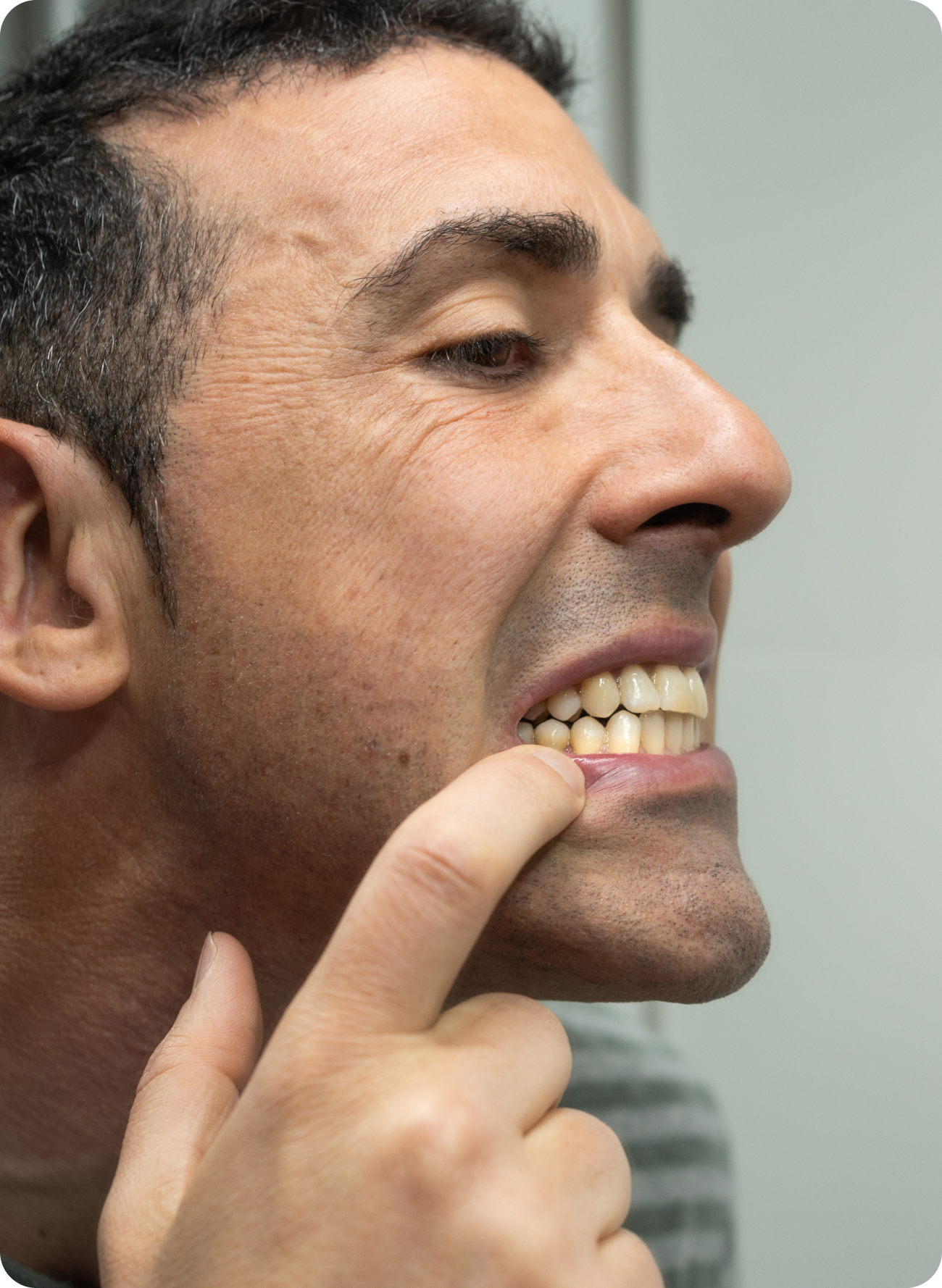
Catching problems early keeps them from getting worse. Check your mouth once a week in good light. Look for red or puffy gums, white spots on your teeth or sores that don't heal in two weeks. Sensitivity to hot or cold is worth noting too.
Regular dental exams and good oral hygiene can prevent most dental disease.² A checkup is part of this challenge. Scheduling one with your dental provider is the final step in your 31 days.
Days 22-31 focus: Do a weekly mouth check. Schedule a cleaning or exam if you're due for one.
Why this challenge fits National Wellness Month
Your mouth is connected to the rest of your body. The ADA says gum disease has been linked to heart disease and diabetes. It also says diabetes and gum disease can affect each other.³ When you care for your teeth and gums, you're caring for your whole self. That makes August the right time to start.
Small habits done daily are the ones that last. One extra minute of brushing. One glass of water instead of soda. One floss session before bed. Add them up over 31 days and you've built something real.
If this challenge has helped you notice changes in your teeth, gums or daily routine, talk with your dental provider. They can check your oral health and help you decide which habits to keep building on.
The 31-Day Healthy Smile Challenge for National Wellness Month FAQs
Still have questions about building healthier oral care habits? These answers cover a few common questions about staying consistent, missing a day and using fluoride toothpaste.
Is 31 days really enough time to build a lasting habit?
It can be. Habits form when you repeat them consistently. Starting with one new step at a time makes it easier to stick with each one. By the end of the month you'll have added several new habits without feeling overwhelmed.
What if I miss a day during the challenge?
Missing one day doesn't undo your progress. Just pick up where you left off the next day. The goal is building a pattern over time, not a perfect streak.
How does fluoride toothpaste protect my teeth?
Fluoride helps enamel repair itself when early tooth decay begins. It can also help stop or reverse very early tooth decay before a cavity forms.⁴ That's why brushing twice a day with fluoride toothpaste matters. Ask your dental provider if you need help choosing the right toothpaste for your needs.
Sources
¹American Dental Association: “Home Oral Care.” https://www.ada.org/resources/ada-library/oral-health-topics/home-care
²American Dental Association, MouthHealthy: “Oral Health.” https://www.mouthhealthy.org/all-topics-a-z/oral-health
³American Dental Association: “Oral-Systemic Health.” https://www.ada.org/resources/ada-library/oral-health-topics/oral-systemic-health
⁴National Institute of Dental and Craniofacial Research: “Tooth Decay.” https://www.nidcr.nih.gov/health-info/tooth-decay