Last updated 05.14.2026
Why is tooth pain worse at night?
Tooth pain often worsens at night due to pressure, inflammation and teeth grinding. Learn what causes it, how to relieve it and when to see an Aspen Dental provider.

Have you ever wondered why a mild daytime ache transforms into unbearable pressure the moment your head hits the pillow? Tooth pain feels worse at night because lying down increases blood flow to the head, cortisol levels drop, distractions disappear and conditions like bruxism (teeth grinding and jaw clenching) and sinus pressure go unchecked — all converging to amplify discomfort that felt manageable during the day.
6 reasons tooth pain gets worse at night
Increased blood flow when lying down
When you lie flat, blood pressure increases in your head and mouth. This added pressure around an already-irritated nerve amplifies pain signals that were manageable when you were upright.
Lowered cortisol levels
Cortisol — the body's natural anti-inflammatory hormone — drops to its lowest point at night. With less cortisol suppressing inflammation, swelling and pressure around a damaged nerve can intensify significantly. ¹
Fewer distractions
During the day, work, conversation, and movement naturally divert attention from mild pain. At night, with nothing competing for your focus, even moderate discomfort becomes the only thing you can think about.
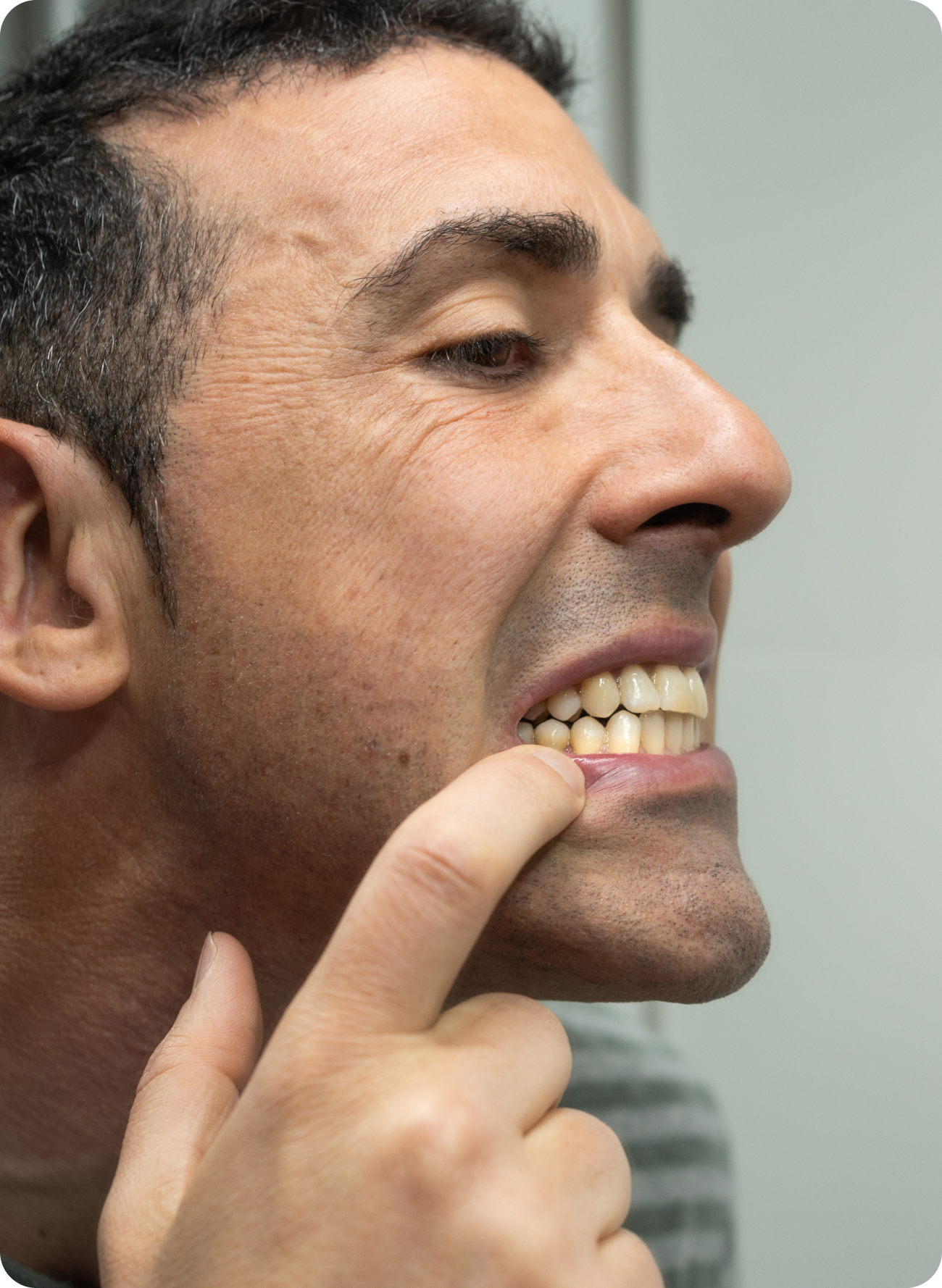
Teeth grinding and jaw clenching (bruxism)
Many people grind their teeth or clench their jaw during sleep without realizing it. This puts significant pressure on already-sensitive teeth and can turn a minor ache into severe pain by morning. ²
Sinus pressure
Lying down allows sinus congestion to accumulate and apply pressure directly to the roots of your upper back teeth. If the pain affects multiple upper teeth rather than one specific tooth, sinus pressure may be the cause rather than a dental issue.
Late-night snacks
Eating sugary or cold foods before bed can trigger or worsen pain in sensitive teeth or existing cavities. Avoiding food and drink — other than water — in the hour before bed can reduce nighttime flare-ups.
Are there at-home remedies for nighttime tooth pain?
Yes, but they only provide temporary relief. The following home remedies may help relieve nighttime tooth pain:
Elevate your head with an extra pillow or two
Keeping your head elevated can help reduce blood flow to the area, which may ease throbbing pressure.
Apply a cold compress
Hold a cold compress to the outside of your cheek for 15–20 minutes. Cold constricts blood vessels and can quiet the nerve signals.
Skip the temperature triggers before bed
Avoid hot or ice-cold beverages. Yes, that means no ice cream, unfortunately. Your tooth is already irritated: best not to aggravate it further.
Take an OTC anti-inflammatory
Ibuprofen or naproxen sodium can reduce inflammation and manage mild to moderate nighttime tooth pain. Take as directed on the packaging. Note that OTC pain relief addresses the symptoms, not the underlying cause. If you find yourself relying on it nightly, that is a clear signal to schedule an evaluation with an Aspen Dental provider.
While these approaches may help you get a better night’s sleep, they do not address the underlying cause. Lasting relief requires evaluation and treatment by an Aspen Dental provider.
When should I see a dentist for nighttime tooth pain?
See your Aspen Dental provider the same day or as soon as possible if:
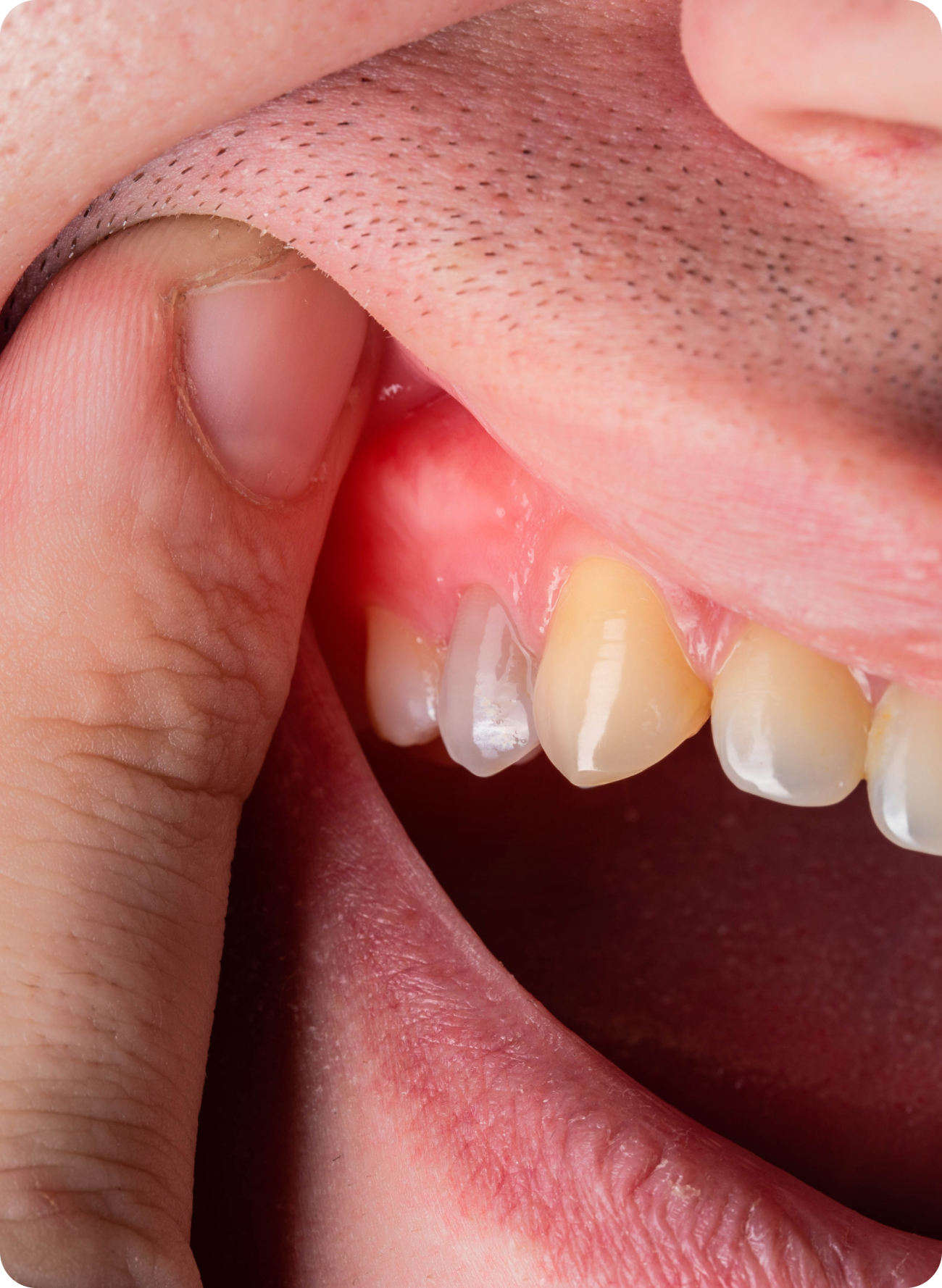
Pain is accompanied by swelling in your face, jaw, or gums
You have a fever alongside the tooth pain
Pain wakes you from sleep and does not subside
You notice a bad taste or discharge — signs of a possible abscess
If any of these apply, do not wait — contact your nearest Aspen Dental office today.
Schedule within a few days if:
The pain has lasted more than two days with no improvement
Sensitivity lingers long after the trigger is gone
Pain is getting progressively worse each night
Monitor at home if:
The pain appeared alongside a cold or sinus infection and affects multiple upper teeth
Discomfort is mild and responds to OTC pain relief within 24–48 hours
No swelling, fever, or discharge is present
If you are unsure which category applies, schedule an appointment at your nearest Aspen Dental office — your care team can identify the cause and recommend the right next step.
Nighttime Tooth Pain FAQs
Is severe tooth pain at night a dental emergency?
It can be. If your pain is accompanied by swelling in your face or gums, a fever or if it wakes you from a deep sleep, it may signal an infection that needs prompt professional attention.
Can a cavity cause tooth pain only at night?
Yes. A cavity exposes the sensitive inner layers of your tooth. When you lie down and blood pressure increases around the area, even a modest cavity can start to throb noticeably.
Why does my wisdom tooth hurt more at night?
Wisdom teeth — especially partially erupted ones — are prone to inflammation and infection in the surrounding gum tissue. Lying down increases blood pressure to the area, which can intensify deep pressure.
Should I go to the dentist if my tooth hurts at night?
Yes, especially if the pain has lasted more than a day or two, is getting worse or is accompanied by swelling or fever.
Can stress cause tooth pain at night?
Stress itself doesn't directly cause tooth pain, but it's a common trigger for teeth grinding and jaw clenching, both of which can cause or worsen nighttime tooth pain.
Why does my tooth hurt at night but not during the day?
During the day, upright posture, daily distractions, and your body's natural anti-inflammatory rhythms can mask mild-to-moderate tooth pain. When you lie down at night, blood flow to your head increases, removing those buffers and amplifying pain.
What helps tooth pain at night fast?
The fastest relief for nighttime tooth pain combines head elevation, a cold compress held to the cheek for 15–20 minutes, and an OTC anti-inflammatory like ibuprofen. These measures reduce blood pressure to the area and suppress inflammation temporarily. They do not treat the underlying cause — but they can help you get through the night until you can see a provider.
Can sinus pressure cause tooth pain at night?
Yes. Sinus congestion accumulates when you lie down, applying pressure to the roots of your upper back teeth. If the pain affects multiple upper teeth rather than one specific tooth, and you have congestion or a recent cold, sinus pressure is likely the cause. A decongestant may help — but if the pain persists beyond a few days, schedule an evaluation to rule out a dental cause.
Sources
¹ Cleveland Clinic — Cortisol: https://my.clevelandclinic.org/health/articles/22187-cortisol
² American Dental Association — Bruxism: https://www.ada.org/resources/research/science-and-research-institute/oral-health-topics/bruxism