Last updated 05.14.2026
Why do I have a constant bad taste in my mouth?
A constant bad taste may signal gum disease, dry mouth or infection. Learn causes and when to see Aspen Dental.

A persistent bad taste lasting more than a few days is most often caused by gum disease, dry mouth, or a dental infection, and will not resolve until the underlying condition is treated.
This condition is known as dysgeusia. ¹ Understanding what is behind it is the first step toward getting relief. The most common causes include:
Poor oral hygiene
Bacteria from plaque and food debris produce sulfur compounds that create a foul or bitter taste.
Gum disease
Infection in the gum tissue releases bacteria and toxins that cause a chronic unpleasant taste. ² According to the CDC, nearly 47% of adults aged 30 and older in the United States have some form of periodontal disease — making gum disease one of the most common causes of persistent bad taste in the mouth. ³
Dry mouth (xerostomia)
Reduced saliva allows bacteria to multiply unchecked, intensifying bad taste. ⁴ The NIH estimates that dry mouth affects approximately 1 in 5 older adults and is a known side effect of more than 400 commonly prescribed medications — making it one of the most frequently overlooked causes of taste disturbance.
Acid reflux (GERD)
Stomach acid traveling into the esophagus and mouth leaves a sour or bitter taste. ⁵
Sinus infections
Post-nasal drip coats the back of the throat with bacteria-laden mucus, producing a persistent bad taste. Tonsil stones — small, calcified deposits that form in the crevices of the tonsils — can also produce a persistent foul taste and bad breath, even without visible symptoms.
Hormonal changes
Pregnancy — particularly the first trimester — frequently causes a metallic or bitter taste due to hormonal fluctuations.
Smoking and tobacco use
Tobacco damages taste buds and leaves a persistent unpleasant flavor that can linger even after quitting.
Medications:
Hundreds of common drugs — including blood pressure medications, antibiotics, and antihistamines — list taste changes as a side effect. If your bad taste is specifically metallic, see our guide to metallic taste in mouth.
Oral thrush (candidiasis):
A fungal overgrowth in the mouth that creates a persistent bitter taste, sometimes accompanied by white patches on the tongue or inner cheeks. It commonly develops after antibiotic use or in people with diabetes or a weakened immune system.
How to get rid of a bad taste in your mouth
A bad taste in your mouth can often be improved once the underlying cause is identified and addressed. For causes rooted in gum disease, oral thrush, or a dental infection, professional treatment is the only effective remedy — home care alone will not resolve the underlying condition. If your symptoms are mild and show no signs of infection, these steps can help while you monitor:
Improve oral care
Brush your teeth, tongue, and gums twice daily and floss daily to remove bacteria that cause bad taste.
Stay hydrated
Drink plenty of water throughout the day to stimulate saliva production and wash away bacteria.
Chew sugar-free gum
This stimulates saliva flow, which naturally neutralizes acids and washes away bacteria.
Address underlying causes
If acid reflux, sinus issues, or medications are contributing, treating those conditions directly will resolve the taste.
If the bad taste persists beyond a few days or is accompanied by pain, swelling, or bleeding, schedule an appointment with your nearest Aspen Dental provider.
When should I see a dentist about it?
See your Aspen Dental provider the same day or as soon as possible if you notice:
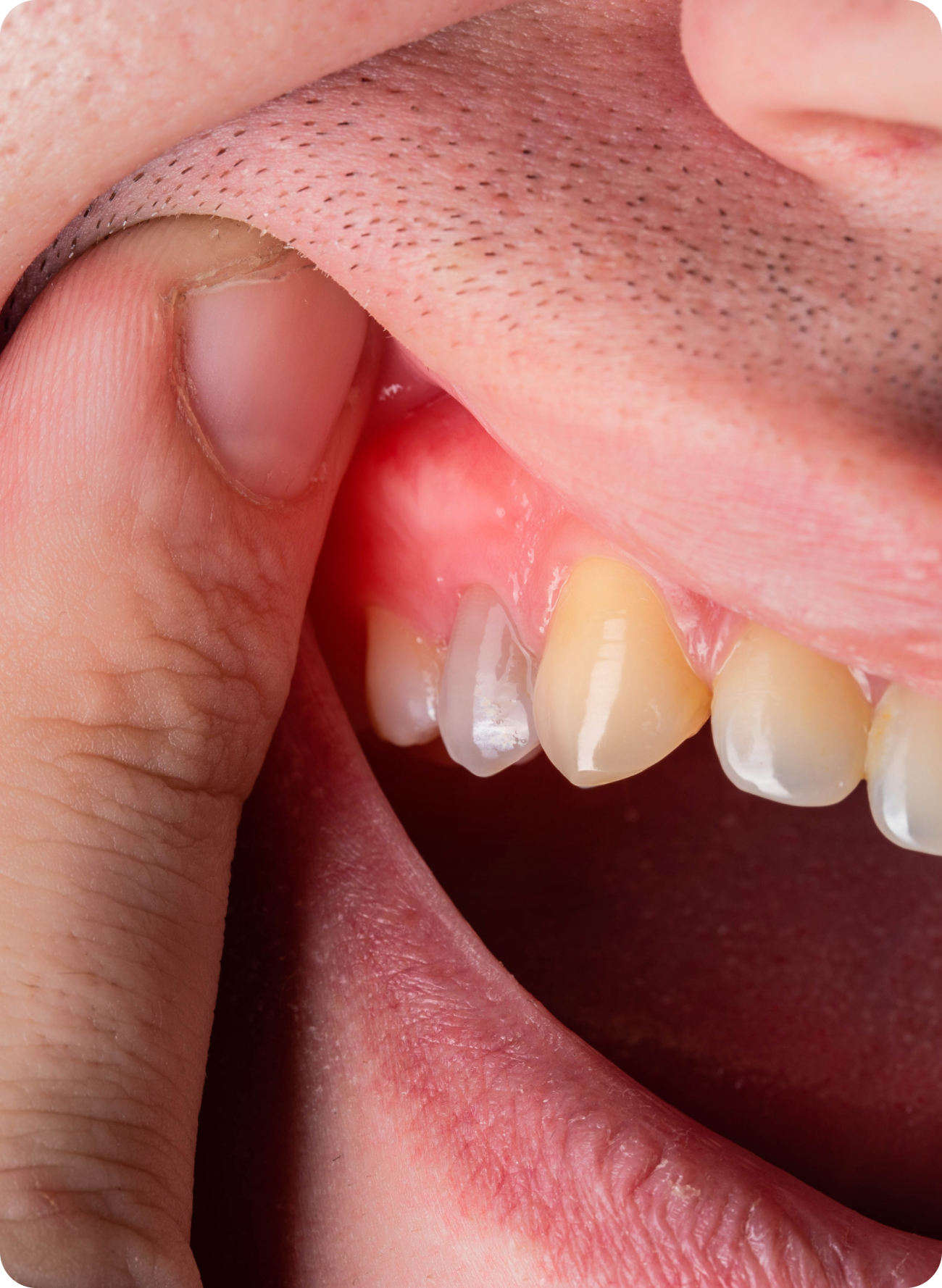
Swelling in your gums, jaw, or face
Fever alongside the bad taste
Severe or worsening pain
Difficulty swallowing
These are signs of a dental infection or abscess that requires prompt treatment.
Schedule within a few days if:
The bad taste has lasted more than a week with no improvement
You notice bleeding gums, tooth sensitivity, or visible changes in your mouth
The taste is accompanied by persistent bad breath that brushing does not resolve
Monitor at home if:
The taste appeared recently alongside a cold, sinus infection, or new medication
There is no pain, swelling, or bleeding
Improving your oral hygiene routine and staying hydrated resolves it within a few days
If you are unsure which category fits your symptoms, scheduling an appointment with your nearest Aspen Dental provider is always the right next step.
Bad taste in mouth FAQs
Can a bad taste in my mouth mean infection?
Yes. A persistent bad taste is a primary symptom of a dental abscess or severe gum infection. When bacteria multiply inside a tooth or below the gumline, they produce compounds with a nasty taste that brushing alone won't eliminate. Prompt treatment prevents the infection from spreading.
Why does my mouth taste bad even after brushing?
If the taste persists after brushing, the source is likely below the gumline where bristles can't reach. Gum disease, untreated cavities, and old dental work harbor bacteria that continuously release bad-tasting compounds — a sign it's time to see your Aspen Dental provider.
Can sinus drainage cause a bad taste in my mouth?
Yes. Postnasal drip from allergies or a sinus infection send mucus down your throat, creating a bitter or metallic taste. If treating your sinuses doesn't resolve it within a week or two, visit your nearest Aspen Dental office to rule out an underlying oral infection.
Is a bad taste in my mouth serious?
It depends on how long it lasts. A temporary bad taste after eating or during illness is normal. A persistent taste lasting more than a few days, especially with pain, swelling or sensitivity indicates a problem.
Why does my mouth taste like metal?
A metallic taste is most commonly caused by medication side effects, hormonal changes — particularly in early pregnancy — or a dental infection. It can also result from bleeding gums, where the iron in blood creates a metallic flavor. If the taste appears after starting a new medication, speak with your prescribing provider. If it is accompanied by gum sensitivity or swelling, schedule an appointment with your nearest Aspen Dental provider.
Can kidney disease or diabetes cause a bad taste in my mouth?
Yes. Systemic conditions including kidney disease, diabetes, and liver disease can cause a persistent bad or metallic taste as a symptom of the underlying condition. If you have been diagnosed with one of these conditions and are experiencing a new or worsening bad taste, speak with your medical provider — and let your Aspen Dental care team know so they can factor it into your oral health evaluation.
How long does dysgeusia last?
It depends on the cause. Dysgeusia caused by a temporary illness, sinus infection, or medication typically resolves within days to a few weeks once the underlying condition is treated. Dysgeusia caused by gum disease, a dental abscess, or dry mouth will persist until those conditions are treated. If your bad taste has lasted more than two weeks with no clear cause, schedule an appointment with your nearest Aspen Dental provider
Sources
¹Cleveland Clinic. Dysgeusia (Altered Taste). https://my.clevelandclinic.org/health/diseases/22047-dysgeusia
²American Dental Association. Gum Disease. https://www.ada.org/resources/research/science-and-research-institute/oral-health-topics/gum-disease
³Centers for Disease Control and Prevention. Periodontal Disease. https://www.cdc.gov/oralhealth/conditions/periodontal-disease.html
⁴National Institute of Dental and Craniofacial Research. Dry Mouth. https://www.nidcr.nih.gov/health-info/dry-mouth
⁵Cleveland Clinic. Acid Reflux and GERD. https://my.clevelandclinic.org/health/diseases/17019-acid-reflux-gerd