Last updated 07.16.2026
Why is my tongue and lip sore after a dental filling?
Learn why tongue and lip soreness is common after a filling, how to relieve it at home and when symptoms should be evaluated.

Your tongue and lip are most likely sore because you accidentally bit or rubbed them while still numb from the anesthetic — this happens more often than most people expect. The numbing injection affects more than just the tooth, making soft tissue feel thick and unfamiliar, which makes it easy to bite or press without realizing it.
What you'll learn in this article:
The most common reason your tongue or lip is sore after a filling is accidentally biting or rubbing it while the area is still numb from the anesthetic.
Mild soreness that improves each day is normal and usually heals on its own within a few days, although bite wounds can take up to 7–10 days to fully heal.
Simple home care, like warm saltwater rinses, soft foods, and avoiding spicy or acidic foods, can help the area heal more comfortably.
See your dental provider if the soreness gets worse after 48–72 hours; swelling develops, numbness doesn't improve, or you notice signs of infection.
While home remedies usually do the trick, you should never have to guess if your recovery is on track. If the soreness continues or you simply want peace of mind, schedule an appointment with an Aspen Dental provider to have the area evaluated.
Why biting your tongue or lip while numb happens so easily
The numbing medicine used during a filling can last for 1 to 4 hours after your appointment, and sometimes longer depending on the type of anesthetic and the tooth being treated.¹
While you're numb, your tongue and lip don't move or feel the way they normally do. It's easy to bite them by accident because you can't feel the pressure or pain that would usually make you stop. By the time the numbness wears off, you may already have a sore spot.
Why the lip specifically tends to get sore after lower jaw fillings
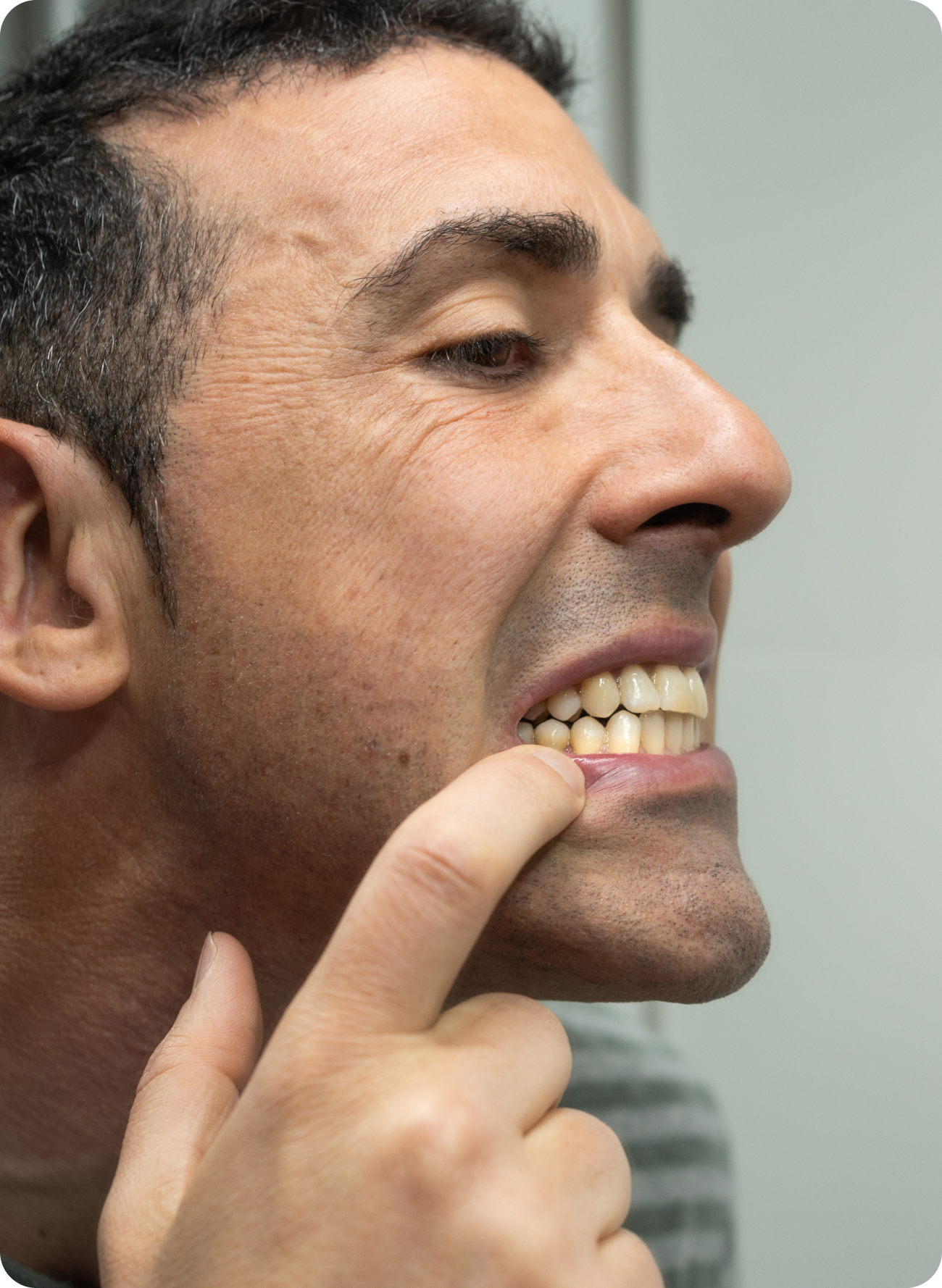
For fillings on lower teeth, your dental provider often uses a numbing injection called an inferior alveolar nerve block. This numbs the tooth, but it also numbs your lower lip and chin on the same side. Because your lip stays numb during the procedure and for a while afterward, it's easier to bite or rub it without realizing it. That's why lip soreness is more common after fillings on lower teeth.
Other causes of tongue and lip soreness after a filling
While biting while numb is the most likely explanation, a few other factors can contribute:
Instrument contact
Dental tools, suction tips, and cheek retractors all work in a small space. The tongue can be accidentally bumped or held in an uncomfortable position during the procedure, leading to mild tenderness that lasts a day or two.
Prolonged mouth opening
Keeping the mouth wide open for 30–45 minutes strains the muscles of the jaw and tongue. This can leave the tongue feeling achy or stiff — similar to how any muscle feels after being held in one position too long.
Material sensitivity
Some people have mild irritation from the materials used during a filling, such as composite resin, bonding agents, or fluoride treatments. This is different from an allergic reaction, which usually causes symptoms like swelling or hives.
Material sensitivity usually causes soreness or a raw feeling in the nearby gums or other soft tissue. The irritation is typically mild and goes away within a few days as the area heals.
Dry mouth during and after the procedure
Keeping your mouth open for a long time can reduce saliva, leaving the inside of your mouth feeling dry, sore, or irritated. Saliva helps protect the soft tissues in your mouth. Without enough of it, your tongue and cheeks are more likely to become irritated from dental instruments or rubbing against your teeth.
Drinking plenty of water before and after your appointment can help reduce dry mouth and keep your mouth more comfortable.
How long does the soreness normally last?
Mild tongue and lip tenderness from a filling typically peaks within the first 24 to 48 hours and fades within 2–4 days. If you bit your tongue or lip while numb, recovery may take a bit longer.
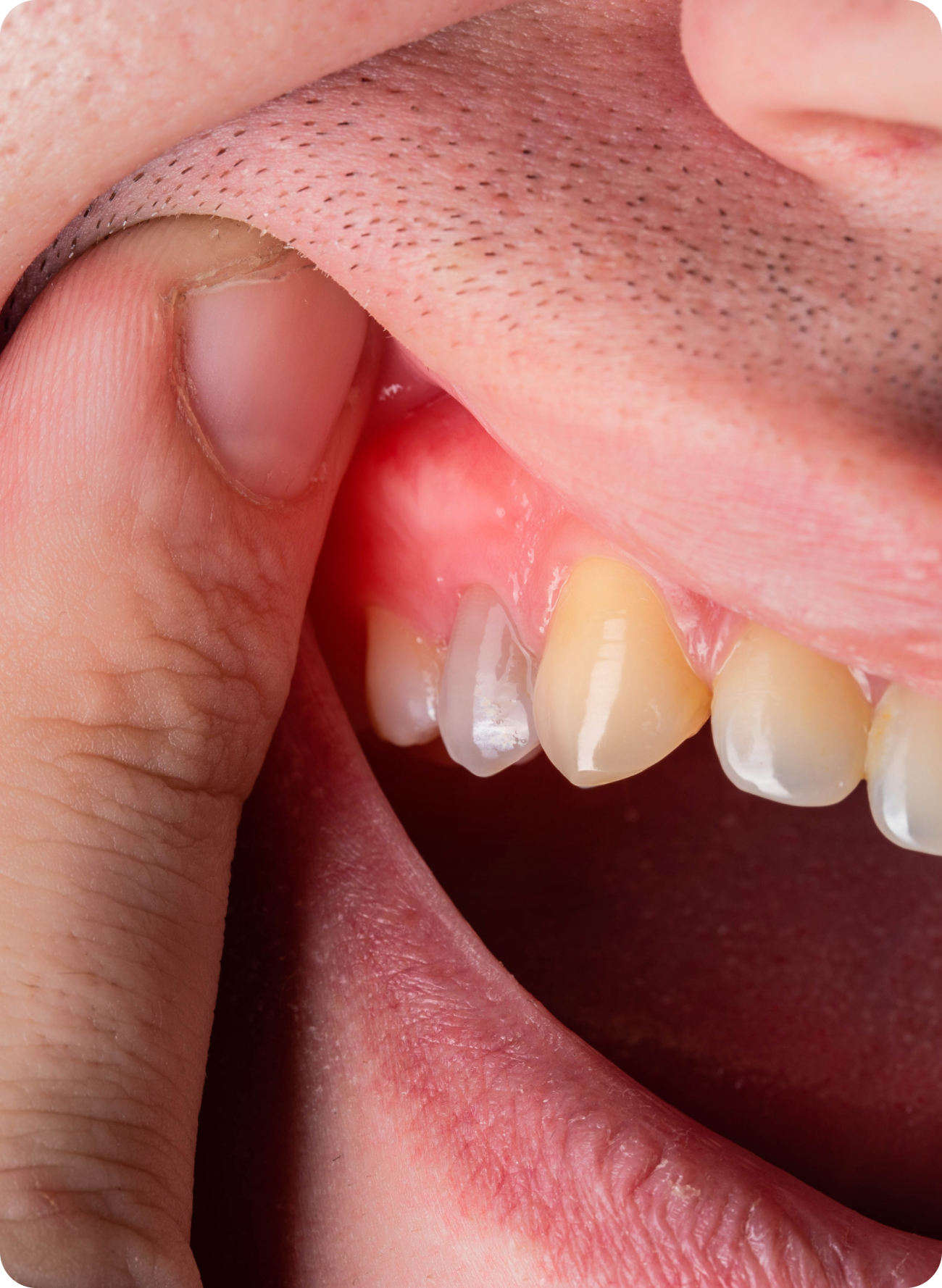
At the bitten area, you may notice a small pale or yellowish spot on the inner surface — this is called a traumatic ulcer. It looks similar to a canker sore and can feel tender when you eat or talk. This type of wound usually heals on its own within 7–10 days without any treatment.²
Soreness that is steadily improving is a reliable sign that the healing process is working normally.
How to ease the soreness at home
A few simple steps can make the healing process more comfortable:
Rinse with warm salt water: Dissolve ½ teaspoon of salt in 8 ounces of warm water and rinse gently 2–3 times per day. This reduces inflammation and keeps the area clean without irritating it.
Stick to soft foods: Yogurt, mashed potatoes, eggs, and smoothies are easy on a sore tongue or lip. Hard, crunchy, or chewy foods can reinjure the area and slow the healing process.
Avoid spicy and acidic foods: These directly irritate damaged soft tissue and slow recovery.
Use alcohol-free mouthwash: Alcohol-based rinses can dry out and further irritate tender tissue. An alcohol-free rinse is gentler and still effective.
Leave the sore spot alone: Poking or chewing the area out of habit resets the healing process each time.
Consider a topical numbing gel: A small amount of over-the-counter benzocaine gel (such as Orajel) can temporarily reduce soreness before meals if the tenderness makes eating uncomfortable.³ Apply a small dab to the sore spot with a clean fingertip.
When to see your dental provider
Most soreness from a filling is normal and resolves without intervention. Contact your dental provider if you experience any of the following:
Soreness that worsens rather than improves after 48–72 hours
Noticeable swelling in the lip, tongue, or face
Numbness that has not begun to fade within 24 hours of the appointment
Signs of infection: pus, a spreading red or warm area, or fever
Difficulty swallowing or limited ability to open your mouth fully
These symptoms can indicate a reaction to the anesthetic, a deeper bite wound that is not healing properly or another issue that should be checked. If you're experiencing any of the above, schedule an appointment with an Aspen Dental provider — they can take a look and let you know what, if anything, needs to be done.
If the soreness is mild and improving a little each day, it is almost certainly part of a normal recovery.
Why is my tongue and lip sore after a dental filling? FAQs
Can a child bite their lip or tongue after a filling?
Yes — children are at significantly higher risk than adults. The numb feeling can seem strange or interesting, and children often chew on the lip or tongue out of curiosity without understanding that they cannot feel what they are doing. Parents and caregivers should watch children closely after any procedure that involves anesthesia and avoid giving them solid food until full feeling has returned.
Can a new filling have a sharp edge that irritates my tongue?
Yes. Sometimes a new filling has a small rough or sharp edge that your tongue keeps rubbing against. Instead of one sore spot from the procedure, you'll notice irritation every time your tongue touches that area.
If this happens, your dental provider can smooth the filling during a quick follow-up visit. The adjustment usually takes just a few minutes and typically doesn't require another numbing shot.
What does an allergic reaction to dental anesthetic look like?
A true allergic reaction is rare but can occur. It typically involves hives, itching, a rash, swelling of the lips or face or difficulty breathing — usually beginning during or shortly after the injection. These symptoms are different from the mild, localized soreness that develops hours later. If you experience any of those signs, seek medical care immediately. If your only symptom is soreness that began after the numbness faded, an allergic reaction is unlikely.
What if soreness after a filling keeps coming back in the same spot?
Recurring soreness in the same area — particularly if it happens after multiple appointments — may be related to how the tongue rests against a sharp edge on a new filling or restoration. A high bite or uneven surface can repeatedly irritate the same spot.
Can ibuprofen or acetaminophen help?
Both can reduce soreness and make recovery more comfortable. Ibuprofen (such as Advil or Motrin) also reduces inflammation, which may be especially helpful in the first 24–48 hours. Acetaminophen (such as Tylenol) is a good alternative if you prefer to avoid anti-inflammatories. Follow the dosage instructions on the label and check with your provider if you have any questions about what is appropriate for you.
Sources
¹Cleveland Clinic. How Long Does Novocaine Last? https://health.clevelandclinic.org/how-long-does-novocaine-last
²Cleveland Clinic. Mouth Ulcers: Types, Causes & Treatment. https://my.clevelandclinic.org/health/diseases/21766-mouth-ulcer
³Cleveland Clinic. Benzocaine Dental or Oral Gel, Paste, Ointment, or Topical Solution. https://my.clevelandclinic.org/health/drugs/20991-benzocaine-dental-or-oral-gel-paste-or-solution