Last updated 06.16.2026
What should I do if my permanent retainer broke?
Learn how to identify a broken permanent retainer, protect your teeth from shifting and understand your repair options.
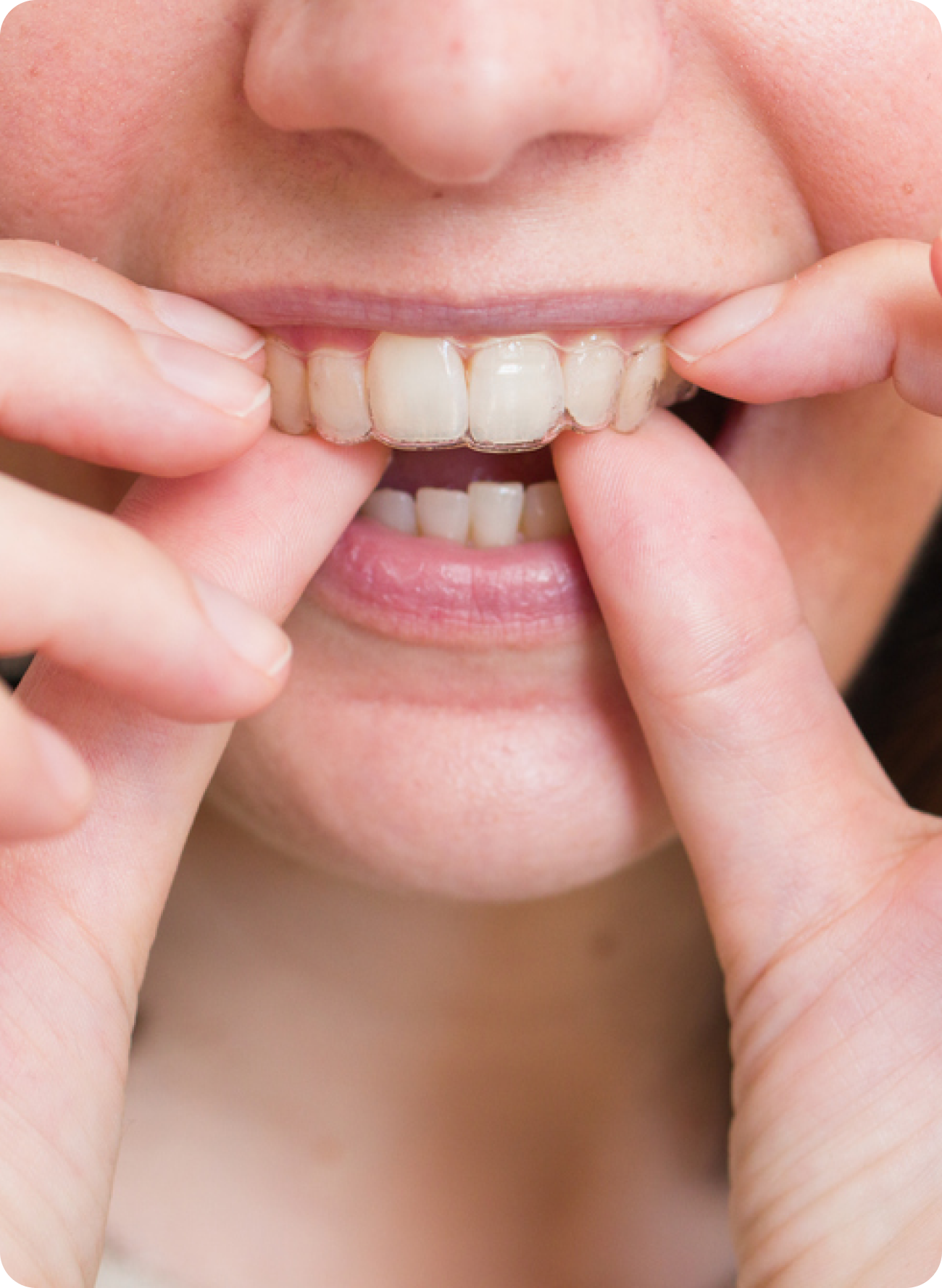
If your permanent retainer broke, the first thing to do is leave the wire alone and avoid trying to adjust it. In most cases, a broken permanent retainer is not a dental emergency — but it does need prompt attention. Teeth can begin shifting within days once the retainer is no longer holding them in place.
What you'll learn in this article:
A broken permanent retainer is usually not an emergency — but teeth can shift if it goes unrepaired
If the wire detaches completely, save it and bring it to your appointment; your dentist may be able to rebond it
Orthodontic wax can protect your mouth temporarily — do not bend or glue the wire yourself
You don't need pain to have a problem — a loose wire can still allow teeth to drift
Depending on the damage, your provider will either rebond or replace the retainer
Most repairs are straightforward and can often be completed in a single visit.
The sooner a broken retainer is evaluated, the easier it is to prevent unwanted tooth movement. Your dental provider can assess the damage and recommend the best next step.
How to tell if your permanent retainer is broken
A broken permanent retainer — sometimes called a bonded retainer or fixed retainer — does not always announce itself loudly.1 Some people feel a sharp wire poking their tongue. Others notice nothing at all — until a tooth starts to feel different. Here are the most common signs:
A wire that feels loose or shifts when you press it with your tongue
A sharp or poking sensation against your tongue, gum, or cheek
Visible space between the wire and the back of a tooth
Mild soreness or tenderness along the gumline near the retainer
A tooth that feels slightly different or less stable than it used to
What is a partial break — and why does it matter?
In many cases, only one bonding point comes loose while the rest of the wire stays in place. This is called a partial debonding. It can be easy to overlook because the wire may still feel mostly secure. But even a single loose point means the retainer is no longer doing its full job. The teeth near that loose spot are free to drift, and the wire itself can shift and irritate the surrounding tissue.
If you notice any of the signs above — even mild ones — treat it as a broken retainer and schedule an appointment.
Can you see a broken permanent retainer?
Sometimes. Using a small mirror and a flashlight, you may be able to spot a gap between the wire and the back of a tooth, or a section of wire that looks bent or separated. However, many breaks are subtle and only a dentist can confirm the full extent of the damage. If something feels off, trust that instinct.
Why do permanent retainers break?
Permanent retainers are durable, but the bonding material that holds the wire to your teeth is not indestructible. Over time, the dental composite can weaken from the repeated forces of chewing and brushing. Common causes of breakage include:
Biting directly into hard foods such as ice, hard candy, or crusty bread
Grinding or clenching your teeth, which puts sustained pressure on the bonding points
A direct impact to the mouth during sports or an accident
Normal wear over many years, particularly if the retainer has been in place for a decade or more
Understanding what caused the break can help your provider recommend the most durable repair option and reduce the chance of it happening again.
What to do right now
Once you suspect your permanent retainer is broken, these are the steps to take immediately:
Step 1: Leave the wire alone
If the wire is still attached, leave it in place and avoid bending or repositioning it. If a loose section is irritating your tongue or gums and orthodontic wax isn't helping, you can gently move it away from the tissue. Do not try to remove the wire or press it back against your teeth, as this can make repairs more difficult.
Step 2: Apply orthodontic wax if a sharp edge is bothering you
Pinch off a small piece, soften it between your fingers and press it gently over the poking area. Orthodontic wax is available at most pharmacies and provides safe, temporary relief.
Step 3: Rinse and keep the area clean
Rinse with warm salt water to soothe any irritation and reduce the risk of inflammation around the wire. Then continue your normal oral hygiene routine — brush gently around the retainer wire and floss as you normally would, but avoid putting direct pressure on any loose or lifted section until your appointment.
Step 4: Avoid hard, crunchy, or sticky foods
Biting into something hard can worsen the break or shift the wire further. Stick to soft foods until the retainer is repaired and contact your dentist’s office as soon as possible — the sooner you are seen, the less chance there is of your teeth shifting.
Is a broken permanent retainer a dental emergency?
In most cases, no. A broken permanent retainer is not the same as a knocked-out tooth or a dental abscess. You do not need to go to an emergency room. That said, the urgency depends on what exactly broke and how it feels. Here is a simple way to think about it:
See your dentist within 24–48 hours if:
A loose piece of wire is in your mouth and cannot be secured with wax
A sharp end is cutting into your gum or cheek, and wax is not providing relief
You are experiencing significant soreness or swelling
Schedule within a few days if:
The wire feels loose but is still attached and not causing discomfort
You notice a gap between the wire and one tooth
There is no soreness, but something clearly feels different
The reason prompt care matters comes down to one thing: what happens to your teeth in the meantime.
Will my teeth shift if my permanent retainer broke?
Yes — which is why a broken retainer should be addressed promptly.
A permanent retainer helps keep your teeth in the position achieved through orthodontic treatment. When it breaks or comes loose, teeth can begin to move back toward their original positions, a process known as orthodontic relapse.2
How quickly shifting occurs varies from person to person. Some people notice changes within days or weeks, while others have more time before movement becomes noticeable. Factors such as age, how long it's been since orthodontic treatment, and the natural forces of your bite can all affect the timeline.
The good news is that if you seek care quickly, your dental provider can often repair or replace the retainer before significant shifting occurs. If minor movement has already happened, they can recommend the most appropriate next steps.
How a broken permanent retainer is repaired
Can the wire be rebonded?
If the wire itself is still intact and has simply come loose from one or more teeth, your provider can often rebond it. This involves cleaning the tooth surface and reattaching the wire using dental composite — the same bonding material used when the retainer was first placed. The process is typically completed in a single visit and does not require any numbing.
What if the wire snapped?
If the wire has broken in two, rebonding is not an option. Your dentist will remove the remaining wire and create a new retainer. Depending on your situation and how your teeth have responded, they may recommend a new bonded retainer or a removable retainer as an alternative. Both options are effective — your provider will help you decide which makes the most sense.
How much does it cost to repair a broken permanent retainer?
Repair costs vary depending on whether the wire needs to be rebonded or fully replaced. A simple rebonding is typically less expensive than a full replacement. Some dental insurance plans cover part of the cost, particularly when the retainer is considered part of your orthodontic treatment. It is worth checking with your dentist’s office and your insurance carrier before your appointment so there are no surprises.
When to see your dental provider
If your permanent retainer broke, the right move is to schedule an appointment with your dental provider as soon as you can. Do not wait to see if the problem resolves on its own, it will not.
At your appointment, your dentist will examine the retainer, check whether any tooth movement has already occurred and recommend the best repair option for your situation. In most cases, the fix is quick and completed in a single visit.
What should I do if my permanent retainer broke FAQs
How long can I go with a broken permanent retainer?
There is no safe amount of time to wait. Teeth can begin shifting within days to a couple of weeks, depending on the individual. If you cannot make an appointment immediately, apply orthodontic wax to any sharp edges, avoid hard foods, and contact your dental provider to get on the schedule as soon as possible.
Can I eat normally with a broken permanent retainer?
It is best to avoid hard, crunchy, or sticky foods until the retainer is repaired. These can worsen the break, shift the wire further or complicate the repair. Soft foods — like yogurt, eggs, pasta, and cooked vegetables — are the safest option in the meantime.
My permanent retainer broke after many years — is that normal?
Yes. Permanent retainers are durable, but they are not indestructible. The bonding material that holds the wire to your teeth can weaken over time from chewing, brushing, and normal wear. Some retainers last 10–20 years without issue; others may need maintenance sooner. A break after many years of service is not unusual and does not mean anything was done incorrectly.
Does a broken permanent retainer always cause discomfort?
No. Many people feel no soreness at all when their retainer breaks — especially in cases of partial debonding. The absence of discomfort does not mean the retainer is still working. A loose wire that causes no irritation can still allow teeth to shift, which is why it is important to have any suspected break evaluated regardless of how it feels.
Can I wear my removable retainer if my permanent one broke?
If you have a removable retainer that still fits well, wearing it can help slow tooth movement while you wait for your appointment. However, a removable retainer is not a substitute for a repaired permanent one — it may not fit as precisely if any shifting has already occurred. Bring your removable retainer to your appointment so your dentist can assess whether it is still fitting correctly.
Sources
1Cleveland Clinic — Teeth Retainer https://my.clevelandclinic.org/health/treatments/10899-teeth-retainer
2American Association of Orthodontists — Retainers https://aaoinfo.org/treatments/retainers/