Last updated 08.19.2026
How the health of your mouth and your body are connected
Learn how oral health and overall health affect each other, from diabetes and dry mouth to nutrition, medications and daily dental habits.

Your mouth is not separate from the rest of your body. What happens in your teeth and gums can affect your heart, blood sugar and more. And what happens inside your body can show up in your mouth too. The Centers for Disease Control and Prevention (CDC) says good oral health is a part of having a healthy body.¹ That connection runs both ways.
Here are four things worth knowing:
Gum disease is linked to serious conditions like heart disease and diabetes.
Systemic conditions like diabetes can make oral health problems worse.
What you eat shapes your teeth and your overall health at the same time.
Small daily habits are one of the most powerful tools you have.
Ready to make your oral health part of your overall wellness? Schedule an appointment with an Aspen Dental provider to check your teeth and gums and talk about any health conditions or medications that may affect your mouth.
Your mouth and your body talk to each other
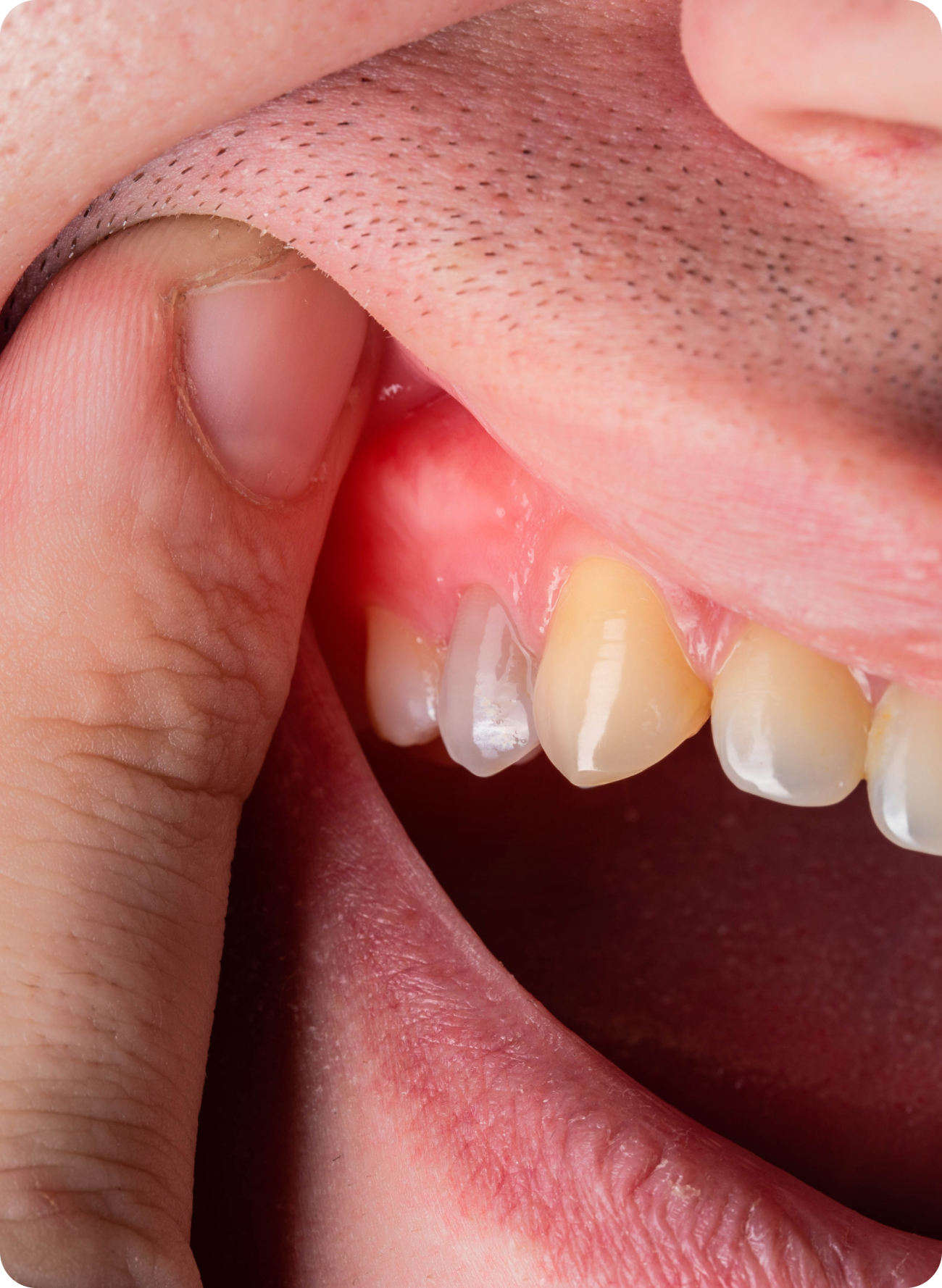
Your oral health and your overall health are directly connected. Trouble in one place can show up in the other. The CDC says oral health has a direct effect on your body, mind and social wellness. It also links good oral health to lower rates of certain cancers and better control of diabetes.¹ Think of your mouth as a window. It can reflect what's happening in the rest of your body.
Can gum disease affect my heart or my diabetes?
The CDC says people with chronic diseases like arthritis, diabetes or heart disease may have a higher risk of poor oral health.² That includes a higher risk of missing teeth. The good direction matters too. Managing your diabetes lowers your risk of gum disease. If you're pregnant, the CDC says gum disease and cavities can affect your baby's health.
What can your body do to your mouth?
Systemic conditions can directly affect your oral health. The National Institute of Dental and Craniofacial Research (NIDCR) says diseases like HIV/AIDS and diabetes can cause dry mouth.³ That may sound minor. But saliva protects your teeth. Less saliva means more risk of cavities and infection.
Medications matter here too. The NIDCR says medicines for high blood pressure, depression and bladder control often cause dry mouth. Radiation therapy for cancer can damage the salivary glands as well.
The American Dental Association (ADA) notes that arthritis in the hands or fingers can affect home oral care. It can make brushing and flossing harder to do well.⁴ Cognitive decline adds another layer. The ADA says it can make it hard to manage daily dental hygiene.
How does food tie it all together?
What you eat affects your mouth, and your mouth affects what you can eat. The ADA states that this is a two-way relationship.⁵
Tooth loss is a clear example. The ADA says tooth loss in older adults is linked to changes in food intake and nutritional gaps. When chewing is hard, food choices can change. That can affect the whole body.
Calcium plays a role here too. The ADA notes that calcium in dairy products may help offset some of the cavity-causing effects of the natural sugars found in milk.⁵
Simple habits that help both your mouth and your body
Small, steady habits add up. Here are a few to build on:
Brush twice a day with a fluoride toothpaste.
Clean between your teeth daily.
Drink water throughout the day. It helps replace saliva.
Eat foods rich in calcium, like dairy, leafy greens and nuts.
Share all your medications with your dental provider. They need the full picture.
Keep your regular dental visits. Early problems are easier to treat.
If you have a health condition, take medications or have noticed changes in your mouth, talk with your dental provider. Sharing your full health history can help your care team understand what may be affecting your teeth and gums and recommend the right next steps.
How the health of your mouth and your body are connected FAQs
Still have questions about how your overall health can affect your mouth? These answers cover a few common concerns about chronic conditions, stress and gum health.
How often should I see my dental provider if I have a chronic condition like diabetes or heart disease?
If you have diabetes, your dental provider may suggest visits more often than twice a year. The CDC says people with diabetes may need their teeth cleaned multiple times a year.² Talk to your dental provider about a schedule that fits your health history.
Can stress affect my oral health?
Yes, stress can lead to teeth grinding and jaw clenching, and it can make it harder for your body to stay ahead of gum problems. If you've noticed jaw soreness, worn teeth or mouth sores during stressful periods, mention it at your next visit.
Is it possible to reverse early gum disease?
Early gum disease is called gingivitis. It can often be reversed with consistent brushing and daily flossing. A professional cleaning helps too. Once gum disease advances, it becomes harder to treat. It can lead to bone and tooth loss. That's why regular dental visits matter so much.
Sources
¹ Centers for Disease Control and Prevention: Division of Oral Health. “Preventing Oral Diseases and Conditions in Communities.” https://www.cdc.gov/oral-health/prevention/index.html
² Centers for Disease Control and Prevention: “Oral Health Tips for Adults.” https://www.cdc.gov/oral-health/prevention/oral-health-tips-for-adults.html
³ National Institute of Dental and Craniofacial Research: “Dry Mouth.” https://www.nidcr.nih.gov/health-info/dry-mouth
⁴ American Dental Association: “Aging and Dental Health.” https://www.ada.org/resources/ada-library/oral-health-topics/aging-and-dental-health
⁵ American Dental Association: “Nutrition and Oral Health.” https://www.ada.org/resources/ada-library/oral-health-topics/nutrition-and-oral-health