Last updated 08.20.2026
Is there a connection between oral health and longevity?
Learn how gum disease may be linked with longevity, heart health, diabetes, lung health and cognitive decline, plus steps that support healthier gums.

Yes, research suggests there is a link between gum disease and longevity. A 2023 meta-analysis found that people with periodontal disease had a higher risk of death from any cause.¹ That does not prove gum disease directly shortens life. Your mouth is not separate from the rest of your body, and gum disease has been linked with several conditions that affect overall health.
What you'll learn in this article:
Gum disease is linked with conditions that affect the heart, lungs and brain.
Gum disease and diabetes can affect each other.
Healthy gums are an important part of your overall health.
Regular dental visits can catch gum disease and other oral problems early.
Schedule an appointment with an Aspen Dental provider to check your gum health, catch problems early and support your oral health as part of your overall health.
How your mouth connects to your whole body
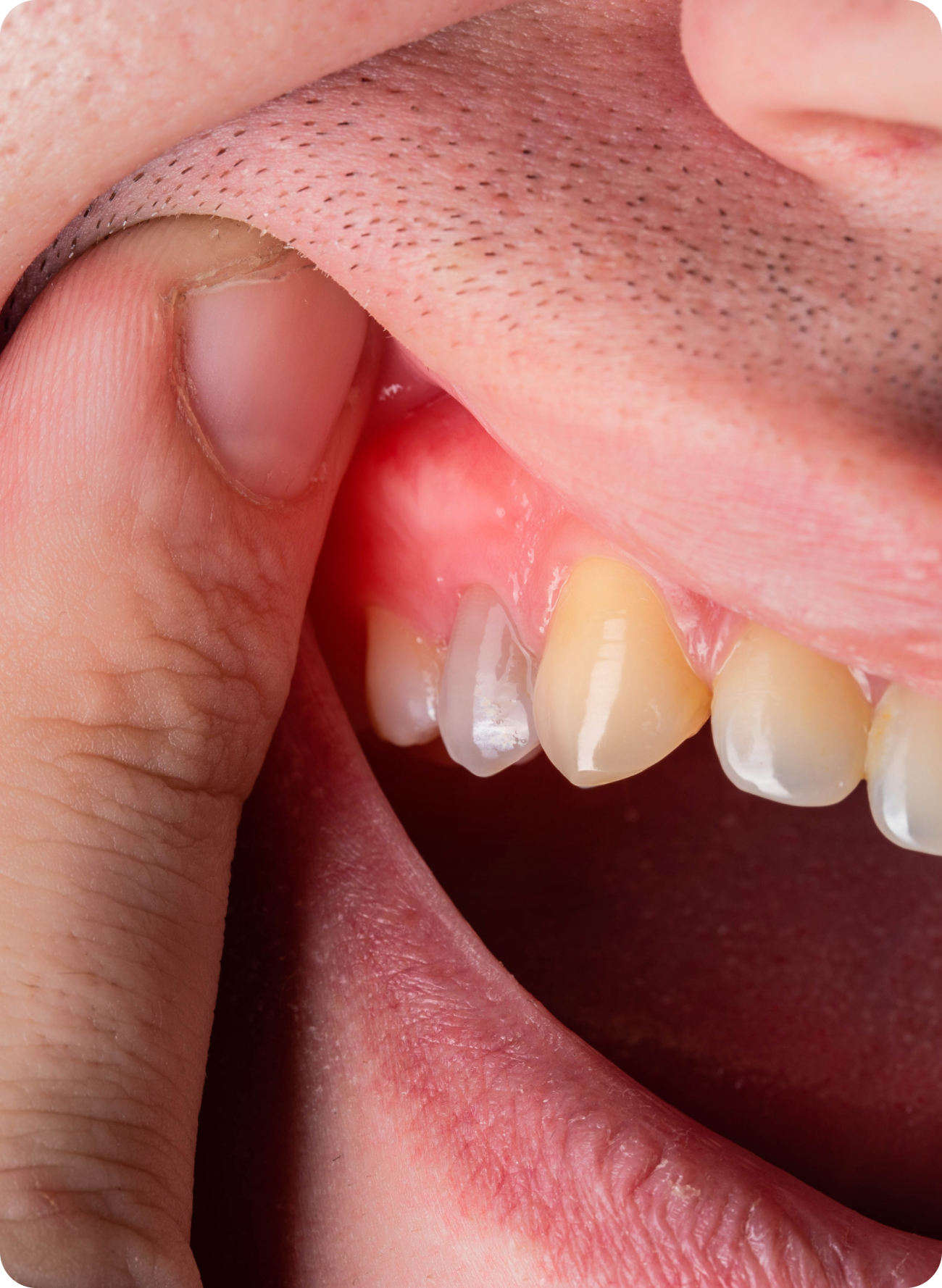
Your mouth is full of bacteria. That's normal. Most of it is harmless. But when gum disease sets in, harmful bacteria build up below the gumline. Your gums get inflamed. Inflamed means swollen, red and irritated. That swelling is your body fighting an infection.
Here's the part that matters. With gum disease, bacteria and inflammatory signals from the mouth may enter the bloodstream and affect other parts of the body. Researchers are still studying how much these pathways contribute to disease elsewhere.
Dental providers call advanced gum disease periodontitis. It means the infection has gone deeper than the gum surface and started to affect the bone holding your teeth in place.
Does gum disease increase heart disease risk?
The American Dental Association (ADA) says gum disease is linked to heart disease.² Researchers think inflammation and bacteria from the mouth may help explain the connection. Oral bacteria can enter the bloodstream, and inflammation in the mouth may add to the body's overall inflammatory burden.
This doesn't mean gum disease causes heart attacks directly. The ADA says researchers have found an association, but a direct cause-and-effect relationship has not been proven.
How are diabetes and gum disease connected?
This connection is especially important to understand. High blood sugar can weaken the white blood cells that help fight infections in your mouth. Gum disease can also be more severe and take longer to heal if you have diabetes.³
But it goes the other way too. If you have gum disease, your diabetes may be harder to manage.
The practical side is encouraging. The Centers for Disease Control (CDC) says treating gum disease may help lower your blood sugar over time. Managing diabetes can also help prevent gum disease and other infections in your mouth.³
Lung health
When you breathe, bacteria from your mouth can be inhaled into your lungs. The American Academy of Periodontology says bacteria linked to gum disease can be aspirated into the lungs and may contribute to respiratory diseases such as pneumonia.⁴
This risk is worth paying attention to if you're caring for an older adult, since aspiration pneumonia is more common in people who have trouble swallowing or who need help with daily oral care. Keeping gums healthy through regular brushing, flossing and dental visits is one more way to help protect the lungs, not just the mouth.
Is gum disease linked to memory loss or dementia?
Research has found a possible link between gum disease and Alzheimer's disease. The American Academy of Periodontology notes that bacteria linked to gum disease may be able to travel to the brain and contribute to Alzheimer's disease.⁴ Scientists are still studying how the two may be connected. This does not mean gum disease causes dementia.
What you can do starting today
These steps don't require a clinic visit to begin:
Brush twice a day. Use a soft-bristled brush. Spend at least two minutes each time.
Clean between your teeth daily. Floss, interdental brushes or a water flosser all help remove bacteria your toothbrush can't reach.
Watch for early signs. Bleeding when you brush, tender gums or gums pulling away from your teeth are all worth mentioning to your provider.
Don't smoke. Smoking is one of the strongest risk factors for severe gum disease.
Manage blood sugar if you have diabetes. Your dental provider and your doctor work better as a team.
Making oral health part of your overall health checkup
A dental exam is a health exam. Your provider checks for signs of gum disease, infection and other changes that may point to health issues elsewhere. Catching gum disease early, before it reaches bone, makes treatment simpler and keeps the body-wide effects from starting.
Your oral health is one part of your overall health. Talk with your dental provider about your gum health, any health conditions you manage and how often you should come in for care.
Is there a connection between oral health and longevity? FAQs
Still have questions about gum disease and your overall health? These answers cover a few common concerns about warning signs, treatment and cognitive health.
Can gum disease affect my memory or raise my risk of dementia?
Keeping your gums healthy is part of caring for your overall health, and researchers are still working out exactly how gum disease and Alzheimer's disease may be connected. If you notice bleeding, swelling or other signs of gum disease, talk with your dental provider. Catching it early is the practical takeaway, regardless of how the research develops.
How do I know if I have gum disease?
You may not notice it at first. Early signs include gums that bleed when you brush, gums that look swollen or darker red than usual, and teeth that feel tender when you press on them. In later stages, gums may pull back from the teeth or teeth may feel loose. A dental exam can spot it before you notice any of these signs. If you're noticing any of these symptoms now, talk with your dental provider.
Is it too late to help if I already have gum disease?
No. Gum disease is treatable at most stages. Early gum disease, called gingivitis, can often be reversed with professional cleaning and better home care. More advanced disease needs deeper treatment, but it can still be managed. The key is starting. Your dental provider can tell you where you stand and what the next step looks like.
Sources
¹ National Institutes of Health, National Library of Medicine, PLOS One: "Periodontal disease and subsequent risk of cardiovascular outcome and all-cause mortality: A meta-analysis of prospective studies." https://pubmed.ncbi.nlm.nih.gov/37682950/
² American Dental Association: “Oral-Systemic Health.” https://www.ada.org/resources/ada-library/oral-health-topics/oral-systemic-health
³ Centers for Disease Control and Prevention: “Oral Health and Diabetes.” https://www.cdc.gov/diabetes/diabetes-complications/diabetes-and-oral-health.html
⁴ American Academy of Periodontology: “Gum Disease and Other Diseases.” https://www.perio.org/for-patients/gum-disease-information/gum-disease-and-other-diseases/
⁵ National Institutes of Health, PubMed Central, Journal of Dental Research: "Oral Hygiene Reduces the Mortality from Aspiration Pneumonia in Frail Elders." https://pmc.ncbi.nlm.nih.gov/articles/PMC4541086/