Last updated 09.09.2026
Why does the area under my jaw swell when I eat?
Learn why swelling under your jaw may worsen when you eat, how salivary stones and tooth infections can cause it and when to seek care.

Does the area under your jaw swell every time you eat? It may be a sign of a blocked salivary duct. If saliva cannot drain, it can collect inside the gland and cause pain or swelling. A tooth problem is another possible cause, so an exam is important.
What you will learn in this article:
Swelling that starts or gets worse during meals may come from a blocked salivary duct.
Salivary stones can trap saliva and lead to pain, swelling or infection.
A tooth abscess can also cause swelling in the lower jaw.
Trouble breathing with jaw or neck swelling requires emergency medical help.
If the swelling keeps happening or feels painful, schedule an appointment with an Aspen Dental provider. Your care team can examine your jaw and teeth to find the cause.
What causes swelling under your jaw when you eat?
Meal-related swelling often points to a salivary stone. The National Library of Medicine explains that these mineral deposits can block a salivary duct. Saliva may then collect in the gland and cause pain, swelling or infection.¹
You also have two submandibular salivary glands, with one below each side of your jaw. These glands make saliva and send it into your mouth through small tubes called ducts. The National Institute of Dental and Craniofacial Research notes that a stone can block one of these ducts and irritate the affected gland.²
Could a blocked salivary gland be the cause?
A salivary stone is a hard mineral deposit that forms inside a duct. If it blocks the opening, saliva can collect in the gland instead of draining into your mouth.
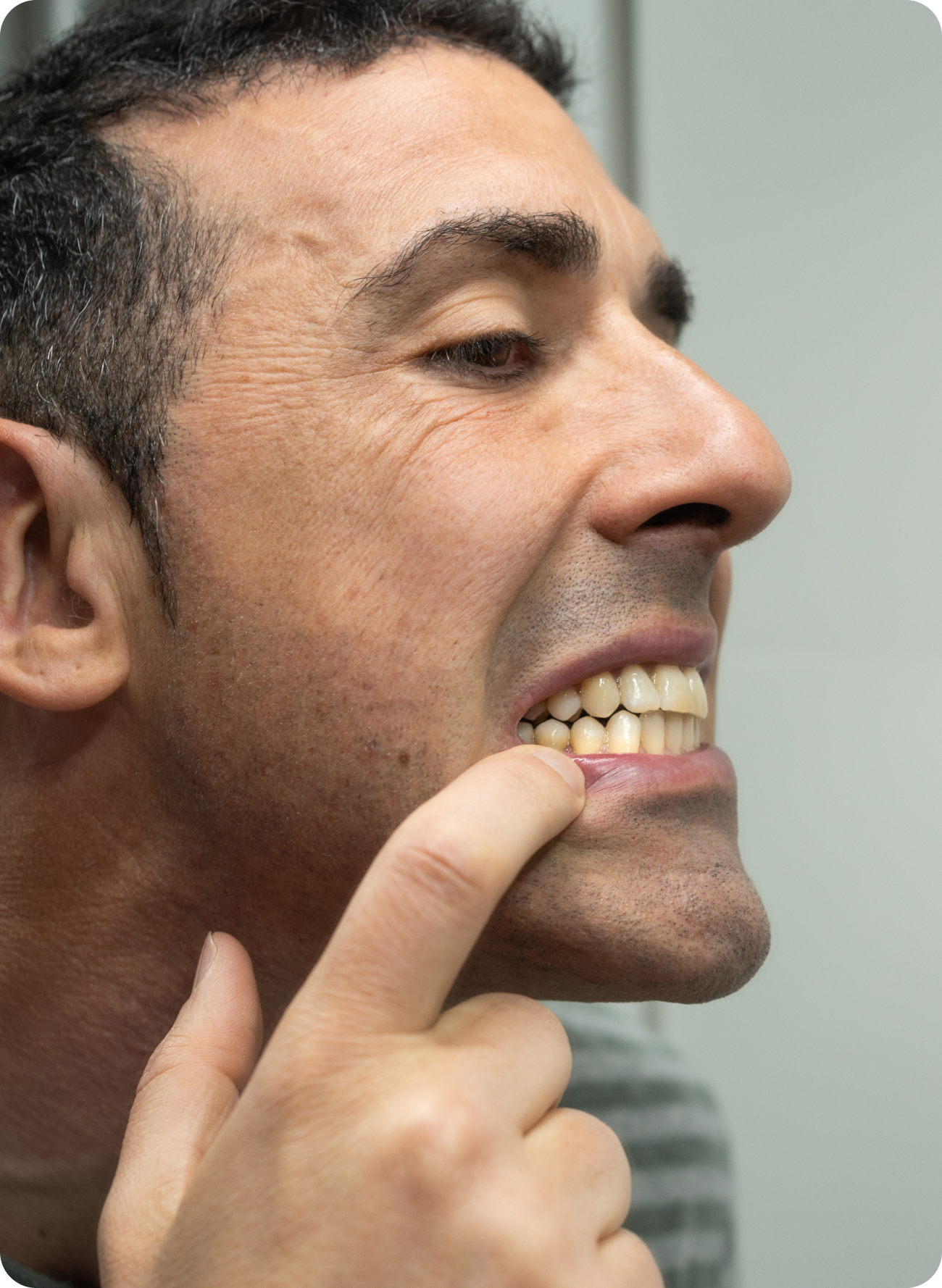
The pain or swelling may be strongest when you eat or drink. You may also have trouble opening your mouth or notice a lump along your jaw, near your ear, in your cheek or lip or elsewhere inside your mouth. Tell your dental provider or doctor if the lump or swelling does not go away.
Could a tooth problem be causing the swelling?
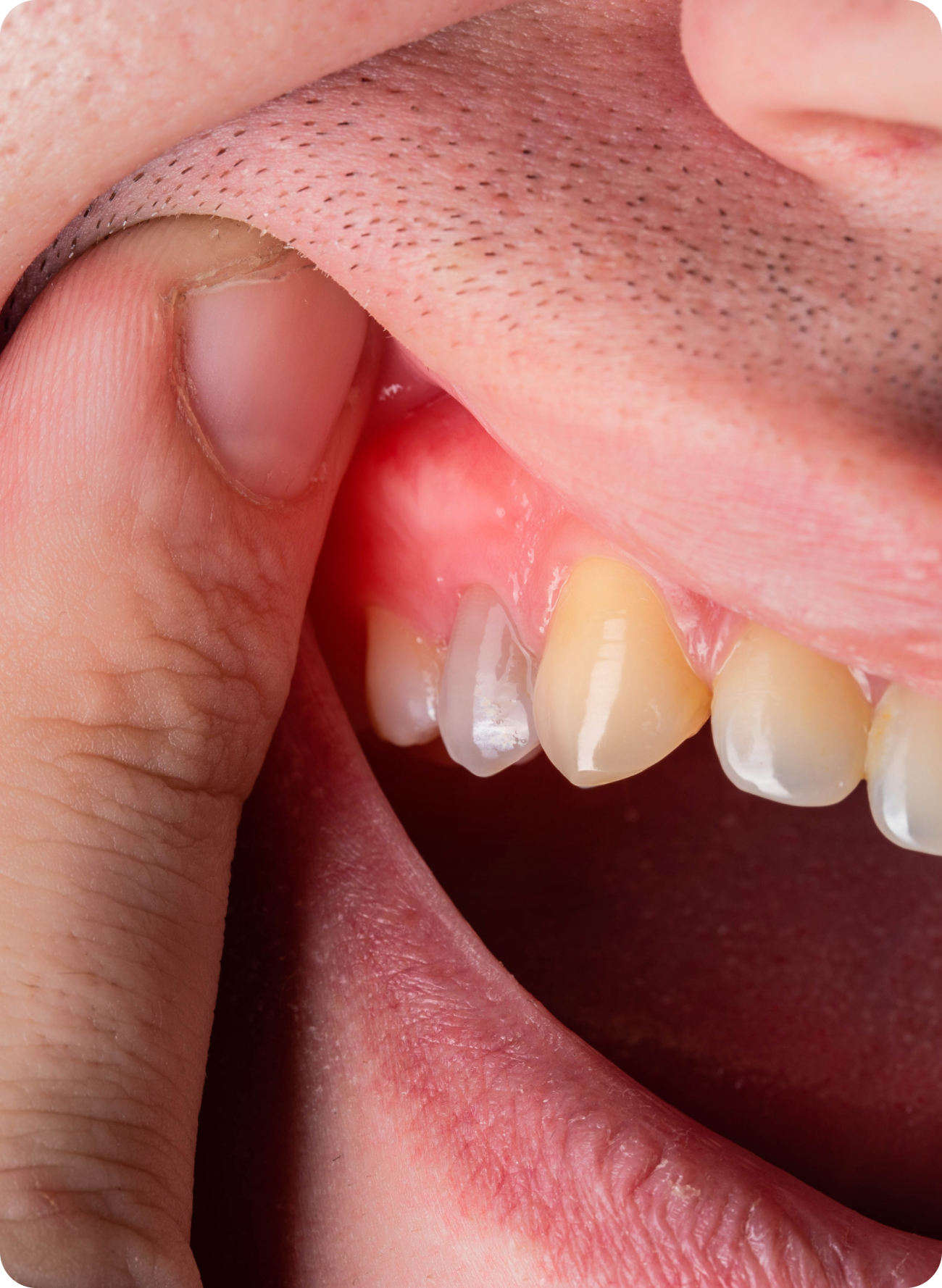
Not all jaw swelling starts in the salivary glands. An infected tooth can also cause swelling nearby. Pain and pressure from the tooth can spread to the jaw area around it.
If an infection turns into a dental abscess, the swelling can grow fast. That kind of swelling can need urgent care. It helps to know the warning signs of a dental abscess so you know when to act quickly.³
It also helps to know the difference between true swelling and a jaw that just feels worn out. If your jaw feels tired after eating instead of swollen, that points to a different cause, like overuse of the jaw muscles, rather than a gland or tooth problem.
What signs mean you should get care right away?
Trouble breathing is an emergency. Go to the emergency room or call 911 right away if jaw or neck swelling makes it hard to breathe. According to MedlinePlus, a serious infection beneath the tongue can swell quickly and may also make swallowing difficult.⁴
Call a dental provider or doctor promptly if the swelling is growing quickly, spreading toward your neck or comes with a fever. Do not wait for these symptoms to clear on their own.
How does a dental provider find the cause?
Your dental provider will ask when the swelling happens and examine your mouth, teeth, jaw and neck. If a salivary stone seems possible, an X-ray or ultrasound may be used to confirm the diagnosis.¹
If the exam points to a tooth infection or another cause, your dental provider can explain what comes next. You may also be referred to a doctor or specialist if the problem appears to involve a salivary gland or another part of your neck.
Jaw swelling that appears every time you eat is worth having checked, especially if it keeps returning or comes with pain. Contact your local dental provider to have your teeth and jaw examined and find out what is causing it.
Why does the area under my jaw swell when I eat? FAQs
Still have questions about jaw swelling when you eat? These answers cover a few common concerns.
Does jaw swelling from eating go away on its own?
The swelling may improve, but that does not always mean the problem is gone. Have it checked if it keeps returning, becomes painful or gets worse.
Can dehydration make jaw swelling worse?
Drinking water may help keep your mouth moist, but it cannot tell you why the area is swollen. If the swelling keeps returning during meals, talk with your dental provider or doctor.
Is it normal for the swelling to happen on just one side?
Swelling can happen on one side because you have a salivary gland and duct on each side of your jaw. Tell your dental provider where the swelling appears, when it starts and how long it lasts.
Should I see a dental provider or a doctor for jaw swelling?
A dental provider is a good place to start if you also have tooth pain, gum swelling or other mouth symptoms. A doctor may be the right next step if the problem appears to involve a salivary gland or another part of your neck. Get emergency medical help if the swelling makes it hard to breathe.
Sources
¹ National Library of Medicine, MedlinePlus Medical Encyclopedia: “Salivary duct stones.” https://medlineplus.gov/ency/article/001039.htm
² National Institute of Dental and Craniofacial Research: “Saliva & Salivary Gland Disorders.” https://www.nidcr.nih.gov/health-info/saliva-salivary-gland-disorders
³ National Library of Medicine, MedlinePlus Medical Encyclopedia: “Tooth abscess.” https://medlineplus.gov/ency/article/001060.htm
⁴ National Library of Medicine, MedlinePlus Medical Encyclopedia: “Ludwig angina.” https://medlineplus.gov/ency/article/001047.htm