Last updated 07.15.2026
Is sparkling water bad for your teeth?
Learn how sparkling water affects tooth enamel, which types pose more risk and simple habits that help protect your smile.

Plain, unflavored sparkling water is not a serious threat to your teeth. The carbonation does make it slightly more acidic than still water, but for most people drinking it in reasonable amounts, it's far less damaging than soda, juice or sports drinks. The bigger question isn't whether sparkling water is harmful — it's which kind you're drinking, and how you're drinking it.
What you'll learn in this article:
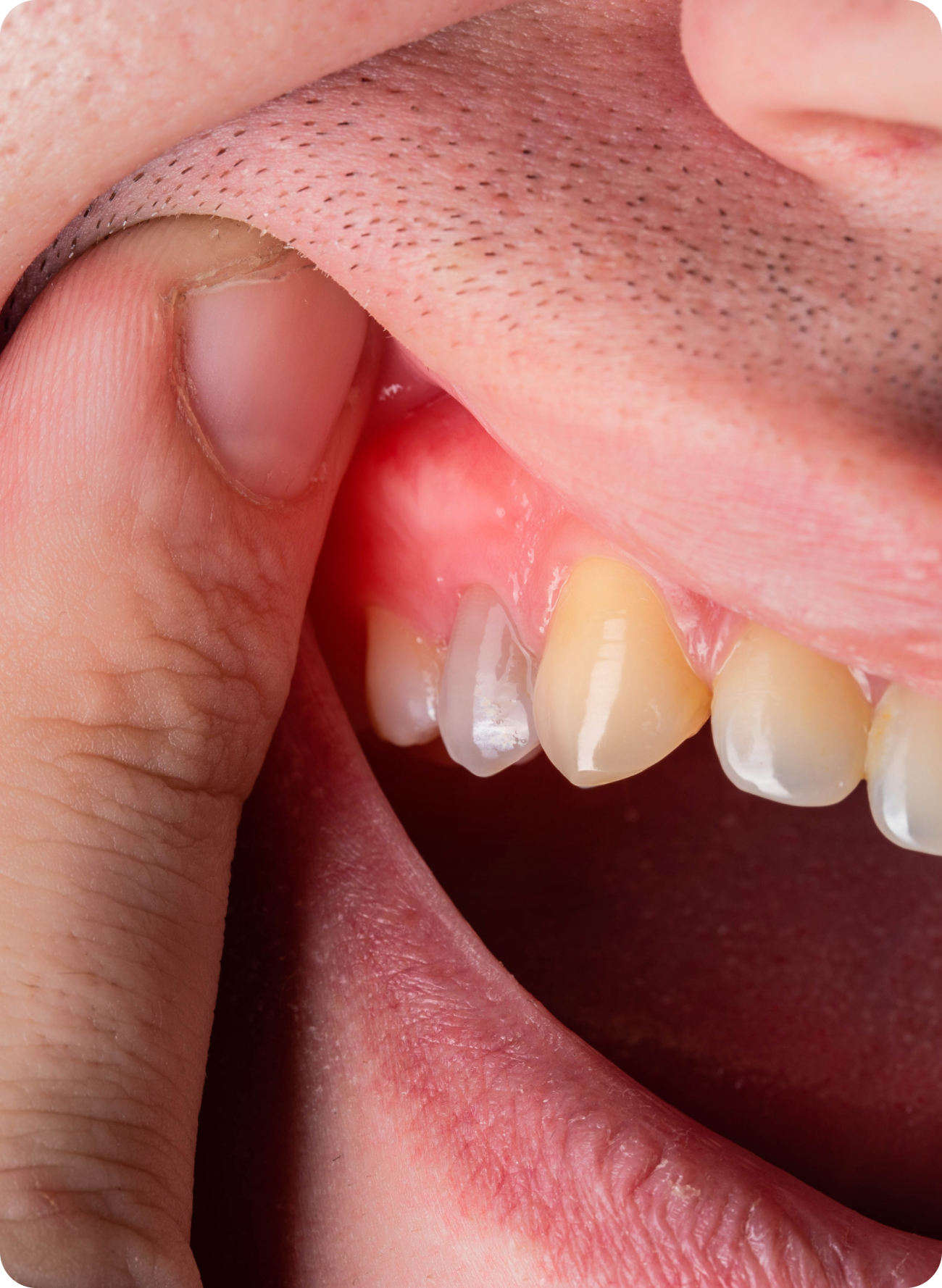
Lingering throbbing after a hot drink usually means the nerve inside the tooth is inflamed, not just sensitive.
A deep cavity, cracked tooth or damaged filling are the most common causes.
Throbbing that lasts more than 30 seconds or comes with swelling or fever needs prompt evaluation.
Finding the cause early often leads to simpler treatment and a better chance of saving the tooth.
Most people don't realize they're losing enamel until significant wear has already occurred. Early enamel erosion rarely causes discomfort, so there may be no obvious warning signs. If sparkling water is part of your daily routine, ask your dental provider to check your enamel at your next visit. Finding early wear gives you more treatment options and can help prevent more serious damage.
Why sparkling water affects your teeth at all
When carbon dioxide is added to water, it forms carbonic acid. That's what creates the fizz and makes sparkling water more acidic than still water.
Tooth enamel, the hard outer layer of your teeth, can slowly wear away when it's exposed to acid over time. This process is called enamel erosion. It doesn't happen after one sip. It develops gradually with frequent, repeated exposure, especially if the acid isn't neutralized between drinks.
Even so, not all acidic drinks affect your teeth the same way. Most sodas have a pH between 2.5 and 3.5, while plain sparkling water typically has a pH between 4.5 and 5.5. The lower the pH, the more acidic the drink. That means plain sparkling water is much less acidic—and much gentler on your enamel—than most sodas and many other popular beverages.
Not all sparkling water is the same
Carbonation itself isn't the main concern — what's mixed in with it is. Here's how plain, flavored and sweetened varieties stack up when it comes to your teeth.
Is plain sparkling water safe for my teeth?
For most people, yes. The American Dental Association classifies plain sparkling water as "minimally erosive” — a stark contrast to sodas and sports drinks, which are classified as "extremely erosive.” The ADA notes that sparkling water and regular water behave similarly in their effects on enamel.1
What about flavored sparkling water?
Citrus-flavored varieties — think lime, lemon or grapefruit — contain natural fruit acids on top of carbonic acid. That combination raises the erosive potential considerably. If you're sipping citrus sparkling water throughout the day, the cumulative exposure adds up. Enjoying these with a meal is a smarter approach than nursing them between meals over hours.
What if my sparkling water has added sugar?
At that point, it's no longer just sparkling water — it's a sweetened beverage. Sugar feeds the bacteria in your mouth that produce cavity-causing acids. These products deserve the same caution as soda, not the same pass as plain sparkling water.
What are the signs that acid may be wearing down enamel?
Enamel doesn't grow back once it's lost, so catching changes early matters.
Watch for:
Sensitivity — teeth that sting or ache with hot, cold or sweet foods and drinks
Yellowing — enamel is white, and as it thins, the yellow layer beneath (dentin) begins to show through
Smoother or rounded edges — teeth that look subtly worn or have lost their sharper definition
Chipping — thinner enamel is more brittle and more prone to small cracks under pressure
If any of these sound familiar, your dental provider can assess what's happening and talk through your options. Many early enamel changes can be managed effectively when they're caught before significant loss occurs.
Simple habits that protect your teeth while you enjoy sparkling water
You don't need to quit sparkling water. A few adjustments reduce the risk meaningfully.
Drink with meals
Eating triggers saliva production, and saliva naturally neutralizes acid and helps remineralize enamel. Pairing sparkling water with food shortens the window your teeth spend in an acidic environment.
Finish it, don't nurse it
Every sip resets the exposure clock. Drinking a can of sparkling water over 20 minutes is far easier on your teeth than sipping the same can across three hours.
Rinse with still water afterward
A quick swish of plain water helps clear residual acid while your saliva takes over the neutralizing process.
Wait before you brush
After drinking anything acidic, hold off on brushing for at least 30 minutes. Acid temporarily softens enamel, and brushing too soon can cause more wear than the drink itself.
Choose plain over citrus when you can
Unflavored sparkling water is the lowest-risk option. Save the citrus varieties for meals rather than all-day hydration.
Can I drink sparkling water after wisdom tooth removal?
Wait at least 24–72 hours after wisdom tooth removal before drinking sparkling water. Carbonation can disturb the blood clot protecting the extraction site, and losing that clot can lead to dry socket, a painful condition that delays healing.
Once your dental provider confirms the site is healing well, you can slowly reintroduce sparkling water. If you're unsure when it's safe, ask at your follow-up.
Recovery tends to go smoothly when you know what to expect. If you have questions before or after your procedure, your Aspen Dental care team is available to help — just reach out to your local office.
Is sparkling water bad for your teeth? FAQs
Is sparkling water worse for your teeth than soda?
No — not even close. Soda is far more erosive than plain sparkling water. Its lower pH and high sugar content create a much more damaging environment for enamel. Swapping soda for unsweetened sparkling water is a genuine improvement for your dental health.
Can I drink sparkling water right after brushing my teeth?
It's better to wait a bit. Toothpaste leaves a protective layer on your enamel, and an acidic drink shortly after brushing may reduce that benefit. Brushing before bed and then drinking only still water is the safest routine.
Does sparkling water cause cavities?
Plain, sugar-free sparkling water doesn't directly cause cavities. Cavities form when bacteria feed on sugar and produce acid. Without sugar, that process doesn't start. That said, if repeated acid exposure gradually thins enamel over time, weakened enamel does become more vulnerable to decay.2
Is sparkling water bad for my gums?
There's no strong evidence that plain sparkling water harms gum tissue. Gum disease is primarily driven by plaque buildup, not the acidity of what you drink. If you have concerns about your gum health, your dental provider can take a look during your next visit.
Sources
1American Dental Association — MouthHealthy "The Truth about Sparkling Water and Your Teeth" https://www.mouthhealthy.org/nutrition/the-truth-about-sparkling-water-and-your-teeth
2National Institutes of Health — National Library of Medicine "Effect of carbonated water manufactured by a soda carbonator on the erosion of dental hard tissues and shear bond strength of orthodontic brackets" https://pmc.ncbi.nlm.nih.gov/articles/PMC5702778/