Last updated 04.23.2026
Why your teeth look yellow and what you can do about it
Yellow teeth? Learn about causes and how professional whitening at Aspen Dental can restore your smile.
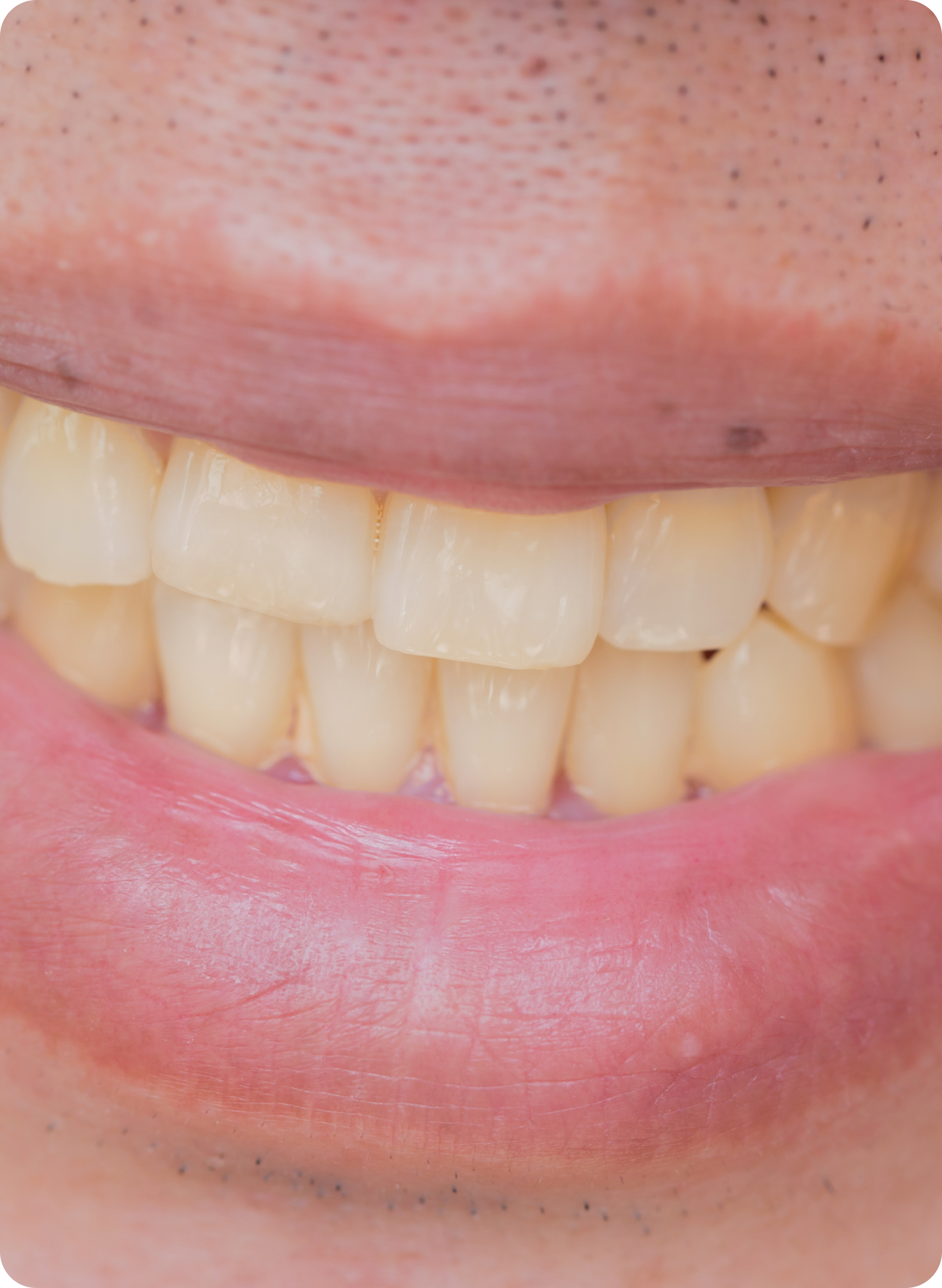
You brush, floss and take care of your teeth every day. Still, when you look in the mirror, your smile may not look as bright as you expected.
If you’ve ever wondered why your teeth appear yellow even with a consistent routine, you’re not alone. Tooth color is a common concern for many adults and can affect how you feel about your smile.
Brushing helps maintain daily oral health, but it may not remove deeper discoloration. Tooth stains can be stubborn, and understanding what causes yellow teeth is the first step toward finding the approach that works best for your smile. If you’re exploring your options, your local Aspen Dental care team can help.
Are teeth naturally yellow?
To understand tooth color, it helps to look at how teeth are structured.
The outer layer of your tooth is enamel. It is strong, slightly translucent and naturally white with a bluish tone.
Beneath the enamel is dentin, which has a natural yellow color. Because enamel is not completely opaque, the dentin underneath can show through. If enamel is thinner or becomes worn over time, the yellow tone may become more noticeable, especially without proper care and early remineralization.
What causes yellow teeth?
Tooth discoloration generally falls into two categories: surface stains and deeper discoloration within the tooth.
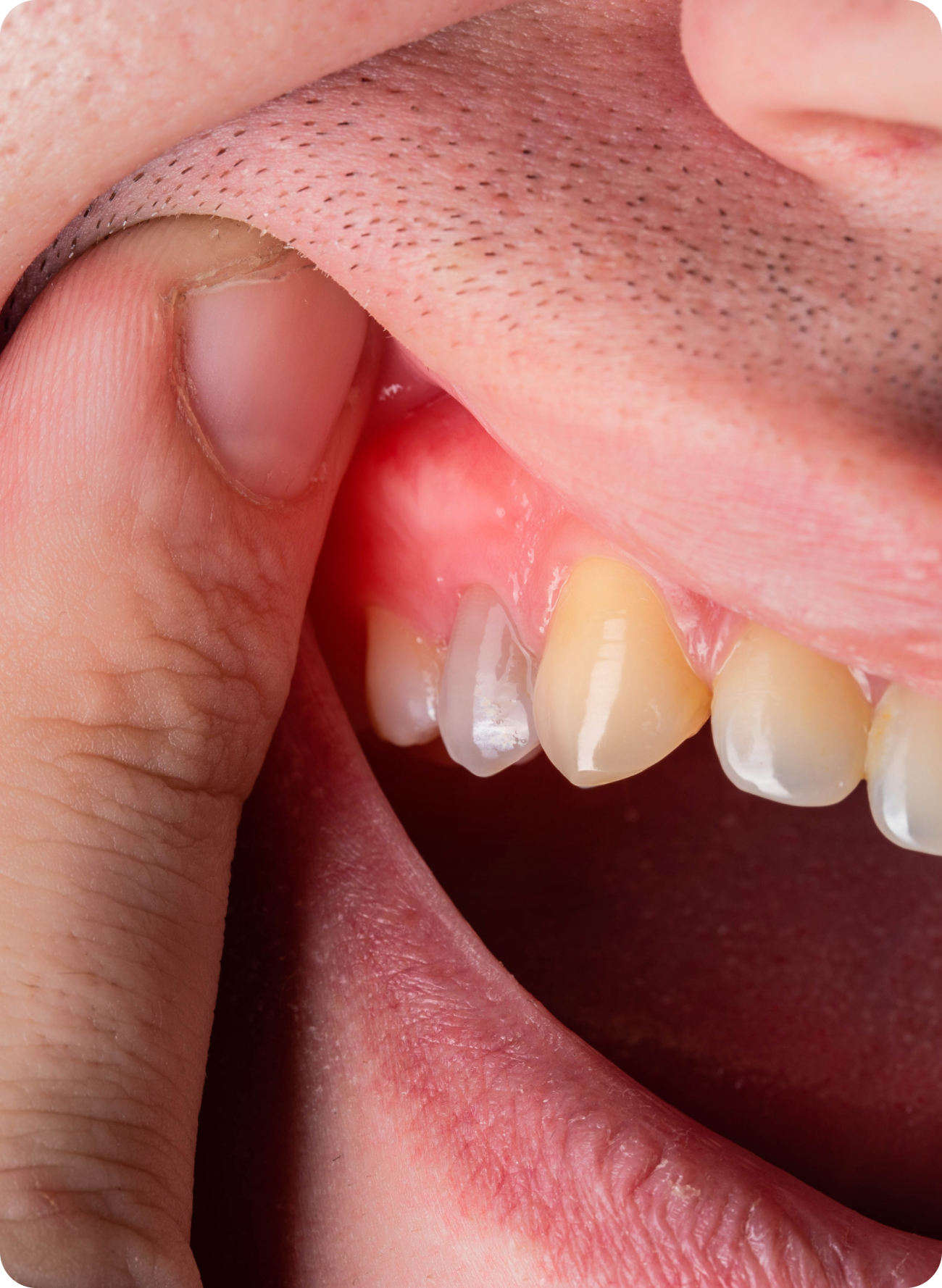
Surface stains develop on the enamel, often from daily habits. Deeper discoloration occurs within the dentin and may be harder to change with over-the-counter products.
Causes of yellow teeth include:
Food and drink
Your daily habits can affect the color of your smile. Beverages like coffee, dark soda, tea and red wine contain pigments that can attach to enamel. Acidic foods, and drinks like sodas and energy drinks, may also soften enamel, making it easier for stains to develop.
Smoking and tobacco use
Tobacco products can lead to noticeable staining over time. Nicotine and other compounds may contribute to yellow or brown discoloration on the surface of teeth. Brushing daily with a professional-grade power toothbrush can help manage surface stains.
Vaping
As vaping becomes more common, many patients ask if it can affect tooth color. While vaping does not contain tar, it often contains nicotine. When nicotine mixes with oxygen, it can contribute to yellowing.
Vaping may also reduce saliva flow. Saliva helps protect teeth from buildup, so a dry mouth can allow stains to develop more easily.
Aging
As enamel naturally wears over time, the underlying dentin becomes more visible. This can make teeth appear more yellow. Shifting and grinding over time can also wear down the edges of your enamel. Clear aligners or night guards can help preserve the tooth structure.
Genetics
Tooth color can also be influenced by genetics. Some people have thicker enamel, while others have enamel that is more translucent, allowing more dentin to show through.
Medications and medical treatments
Certain medications can affect tooth color, especially when taken during tooth development. In some cases, long-term use of medications may also contribute to discoloration.
Oral hygiene habits
Daily brushing and flossing help maintain oral health, but plaque can still build up over time. If not removed, it can harden into tartar, which may appear yellow or brown and requires professional cleaning.
Recognizing the signs: when to contact Aspen Dental
You may want to consider a dental visit if your teeth are not responding to at-home whitening products.
You should consider visiting your local Aspen Dental provider if:
You have been using over-the-counter whitening toothpastes or strips for several weeks with little change
Your teeth feel more sensitive after using whitening products
You notice thinning or changes in the structure or shape of your teeth
You have a special event coming up and want to explore whitening options
You notice buildup near the gumline that does not go away with brushing
Your Aspen Dental care team can help you understand the cause of discoloration and what options may work for you.
How to get rid of yellow teeth
When it comes to improving the color of your teeth, there are generally two approaches: over-the-counter products and professional care.
Over-the-counter whitening toothpastes often rely on mild abrasives to help remove surface stains. While they can support maintenance, they do not change the color of the tooth beneath the surface. Overuse of abrasive products may also wear down enamel over time.
For more noticeable results, professional teeth whitening is designed to reach deeper stains and give you fast, visible results. These treatments use carefully formulated bleaching agents that penetrate the enamel to break apart discoloration within the tooth. You’ll also receive a take-home treatment to help maintain your brighter smile.
Your teeth whitening journey at Aspen Dental
Understanding the process can help you feel more prepared.
Step 1: Your initial consultation
Your visit begins with a conversation about your goals. Your Aspen Dental care team will examine your teeth and gums to determine whether whitening is a good option.
Step 2: Diagnosis and treatment planning
Your provider will assess the type of discoloration you have and recommend the most appropriate approach. They will also review any existing dental work, such as crowns or veneers, which may not respond to whitening.
Step 3: The whitening treatment
Depending on your plan, you may receive an in-office whitening treatment or a professional take-home kit.
During an in-office treatment, your Aspen Dental provider will first check the current shade of your teeth. A protective barrier will be applied to your gums before the whitening gel is placed on your teeth. Your provider will then activate the specialized whitening light. The visit can take between 30 and 60 minutes.
Step 4: Aftercare and maintenance
After treatment, your care team will provide simple guidance to help maintain your results. This may include temporarily limiting certain foods and drinks and following a consistent oral care routine.
The confidence of a brighter smile
A brighter smile can change how you feel in everyday moments, from conversations to photos.
Many patients choose professional whitening to help them feel more confident in their smile. If you’re considering whitening, your Aspen Dental care team can help you explore options that fit your needs and your budget.
Yellow teeth FAQs
Why are my teeth turning yellow even though I brush them?
Brushing helps remove daily buildup, but it does not address deeper discoloration or enamel thinning. A dental evaluation can help identify the cause.
How long does professional teeth whitening take to work?
In-office whitening can often be completed in a single visit. Take-home kits may show results over one to two weeks.
Does teeth whitening hurt or cause sensitivity?
Some patients may experience temporary sensitivity. This usually improves after treatment. Your provider can adjust your plan if needed.
How much does professional teeth whitening cost and does insurance cover it?
Teeth whitening is typically considered a cosmetic procedure and may not be covered by insurance. Costs vary by location and treatment plan.
The Aspen Dental Savings Plan¹ may help reduce costs. Financing options may also be available.
¹The Aspen Dental Savings Plan is not insurance. Please see plan terms and conditions for details.
What's the difference between professional whitening and over-the-counter whitening strips?
Professional whitening treatments are designed to reach deeper stains. Over-the-counter products typically focus on surface stains and may take longer to show results.
Ready for a brighter smile?
If you’re ready to explore options for improving your smile, your Aspen Dental care team is here to help.
Schedule an appointment to learn more about whitening options and what may work best for you.