Last updated 07.21.2026
Is it safe to get dental work done while pregnant?
Learn which dental treatments are safe during pregnancy, the best time for routine care and why treating dental problems early matters.

Yes, dental work is safe during pregnancy; in fact, it's often a good time to stay on top of it. The American Dental Association says that preventive, diagnostic and restorative dental care can be safely provided throughout pregnancy.1 It's normal to have concerns, but putting off needed dental care can lead to bigger problems for both you and your baby.
What you'll learn in this article:
Most dental treatments — including fillings, root canals and extractions — are safe during pregnancy, and delaying them can make things worse
Pregnancy hormones raise your risk for gum disease and cavities, making dental care an important part of prenatal health
Dental X-rays and numbing injections are safe for pregnant patients when appropriate precautions are taken
Untreated gum disease has been linked to preterm birth and low birth weight, a strong reason not to put off care
If you're unsure about the condition of your teeth or gums during pregnancy, schedule an appointment with your Aspen Dental provider for a personalized evaluation.
Why pregnancy affects your oral health
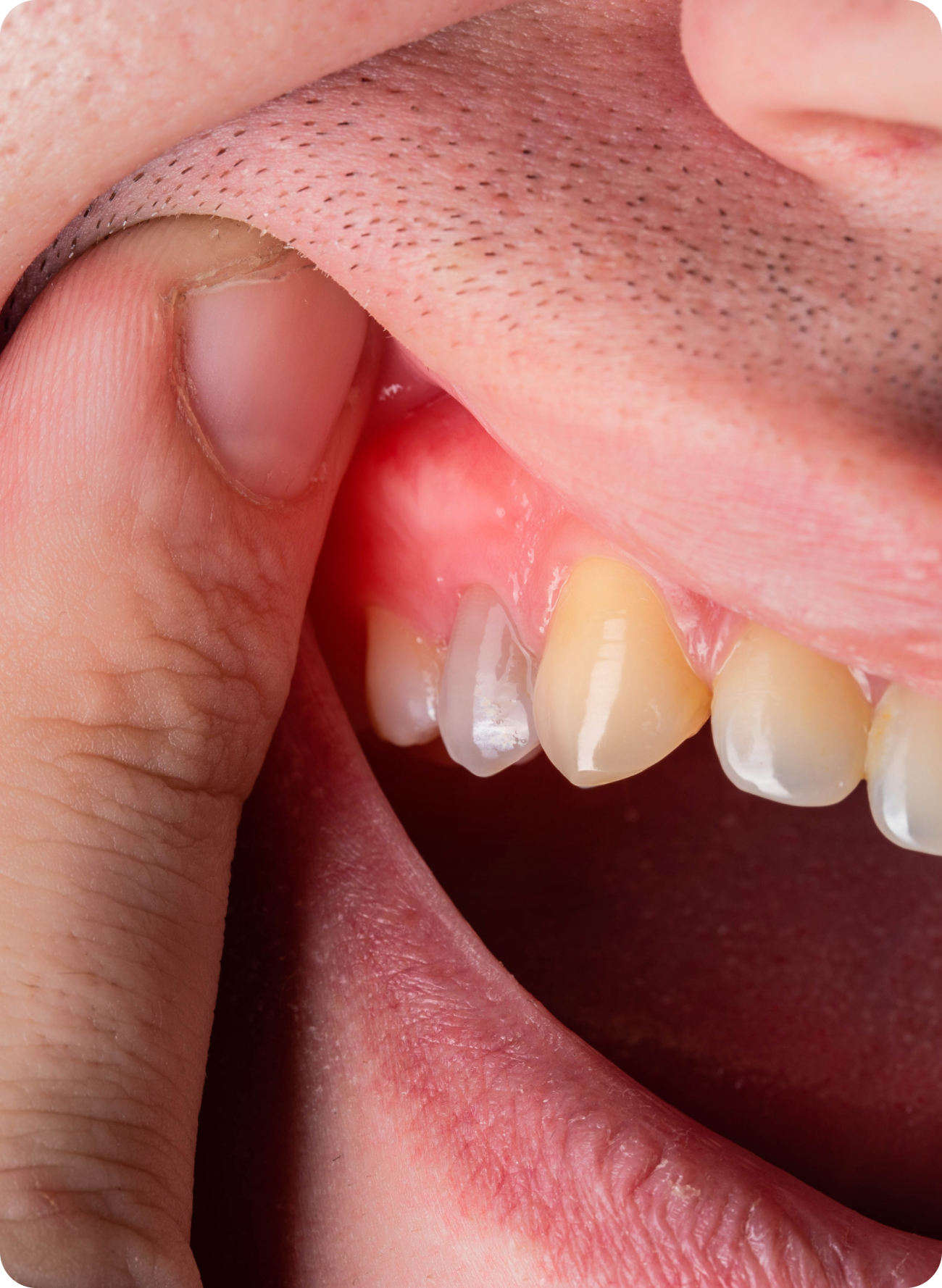
Pregnancy changes the way your body responds to bacteria in your mouth. As hormone levels rise, your gums become more sensitive and are more likely to become red, swollen or tender. The CDC reports that 60% to 75% of pregnant women develop pregnancy gingivitis, an early stage of gum disease.2
Pregnancy can also raise your risk of cavities. Morning sickness exposes your teeth to stomach acid, which can wear away enamel over time. Eating more often, craving carbohydrates and changes in saliva can also make tooth decay more likely.
These changes are a normal part of pregnancy. That's why taking care of your oral health is especially important during this time.
What types of dental care are safe during pregnancy?
Most dental treatments are not only safe but are recommended during pregnancy. Here's how the most common ones break down.
Are routine cleanings and exams safe during pregnancy?
Yes, and they're especially important. Cleanings remove the plaque buildup that fuels pregnancy gingivitis before it can worsen into a more serious infection. Your dental provider may recommend more frequent cleanings during pregnancy (every three to four months instead of the standard six) to stay ahead of the hormonal changes affecting your gum tissue.
What about fillings, root canals and extractions?
All three are safe during pregnancy. The ADA and the American College of Obstetricians and Gynecologists both state clearly that emergency and restorative treatments — including extractions, root canals and cavity fillings — can be performed safely at any trimester.3 Postponing a needed filling or infected tooth allows bacteria to spread, which poses a far greater risk than treating the problem.
Is it safe to have dental X-rays while pregnant?
Yes. Modern digital dental X-rays expose patients to very low levels of radiation, and your provider will place a lead apron over your abdomen as an extra precaution. The ADA confirms that dental X-rays are safe throughout pregnancy. Avoiding a necessary X-ray can delay diagnosis and allow a problem to become more serious — a tradeoff that rarely benefits the patient.
When's the best time for dental work during pregnancy?
Emergency dental care should be treated as soon as possible, no matter what stage of pregnancy you're in. For routine treatment, the second trimester (about weeks 14 through 27) is often the best time. Morning sickness has usually improved, and it's generally more comfortable to lie back in the dental chair.
Cosmetic procedures, such as teeth whitening or veneers, are usually best postponed until after your baby is born. Not because they're known to be unsafe, but because pregnancy isn't the best time for treatment that's purely cosmetic.
What can happen if you skip dental care during pregnancy?
Putting off dental care during pregnancy can lead to bigger problems later. Untreated gum disease has been linked to pregnancy complications, including preterm birth and low birth weight. While researchers are still studying this connection, it's one more reason to keep your gums as healthy as possible during pregnancy.
An untreated cavity can also turn into a deeper infection that may require more extensive treatment. Taking care of dental problems early can help you avoid unnecessary discomfort during pregnancy.
Tips for protecting your oral health during pregnancy
A few simple habits make a significant difference:
Brush twice a day with fluoride toothpaste: morning sickness can make brushing feel difficult, but rinsing with water or a fluoride mouthwash after vomiting helps neutralize stomach acid
Floss once a day to reduce the plaque that drives pregnancy gingivitis
Rinse after vomiting — wait 30 minutes before brushing to avoid scrubbing softened enamel
Stay hydrated and limit sugary snacks to reduce cavity risk
Tell your dental provider you're pregnant at the start of any appointment, along with any medications, vitamins or supplements you're currently taking
If you're pregnant, see your dental provider to catch small problems early and help keep your teeth and gums healthy throughout your pregnancy.
Is it safe to get dental work done while pregnant? FAQs
If you still have questions about dental care during pregnancy, these answers cover some of the concerns people ask most often.
Is local anesthesia (numbing) safe during pregnancy?
Yes. Local anesthetics, such as lidocaine, are considered safe to use during pregnancy when administered at appropriate doses. Studies have not shown an increased risk of birth defects or adverse outcomes from dental anesthesia used during pregnancy. Your dental provider will use the smallest effective dose.
Should I tell my obstetrician before getting dental work done?
It’s a good idea, especially if you have a high-risk pregnancy or are taking prescription medications. Your dental provider may also coordinate with your obstetrician to help ensure your treatment plan is appropriate for your pregnancy.
Sources
1American Dental Association. Pregnancy. https://www.ada.org/resources/ada-library/oral-health-topics/pregnancy
2Centers for Disease Control and Prevention. Talking to Pregnant Women about Oral Health. https://www.cdc.gov/oral-health/hcp/conversation-tips/talking-to-pregnant-women-about-oral-health.html
3American College of Obstetricians and Gynecologists. Oral Health Care During Pregnancy and Through the Lifespan. https://www.acog.org/clinical/clinical-guidance/committee-opinion/articles/2013/08/oral-health-care-during-pregnancy-and-through-the-lifespan