Last updated 07.21.2026
How to take care of your teeth as you get older
Learn how aging affects your teeth and gums, plus the daily habits that can help keep your smile healthy for years to come.

Your teeth can stay healthy well into your 80s and beyond, but they need a little more care as you get older. Enamel naturally wears down, gums may slowly recede and many common medications can reduce saliva, increasing the risk of cavities and gum disease. With good daily habits and regular dental care, most of these problems can be prevented.
What you'll learn in this article:
Gum disease becomes more common with age, but consistent daily care prevents most serious problems
Hundreds of common medications cause dry mouth, which raises cavity risk in ways many people don't realize, but and there are practical ways to protect yourself
Your oral health is directly linked to heart disease, diabetes and other chronic conditions
Regular checkups let your provider catch problems early and screen for oral cancer, when it's most treatable
If you're not sure whether your current routine is doing enough, schedule an appointment with an Aspen dental provider. They can evaluate your oral health and recommend the best ways to keep your teeth healthy as you age.
Why your teeth become more vulnerable with age
As you get older, your teeth and gums naturally become more vulnerable to problems. Over time, enamel — the hard outer layer that protects your teeth — gradually wears down. Your gums may also recede, exposing the tooth roots. Unlike enamel, root surfaces are softer and more porous, so they're more likely to develop cavities.
Many people also produce less saliva as they age, and hundreds of common medications can make dry mouth even worse. Saliva does more than keep your mouth moist. It helps wash away food, neutralize acids and protect your teeth throughout the day. When saliva levels drop, bacteria can grow more easily, increasing your risk of cavities and gum disease.
These changes don't mean dental problems are inevitable. They simply mean that good daily care and regular dental visits become even more important with age.
Building a daily routine that works
Brushing twice a day with a fluoride toothpaste and a soft-bristled brush remains the foundation of good oral care at any age.1 If arthritis or reduced grip strength makes brushing difficult, an electric toothbrush is worth considering. The rotating or oscillating bristles do more of the work for you, and research shows they remove more plaque than manual brushing alone.2
Should I use a softer toothbrush as I get older?
Yes, a soft-bristled brush is gentler on receding gum tissue and exposed root surfaces. Pressing harder doesn't clean better; it can wear down softer root surfaces and accelerate gum recession. Two minutes, twice a day, with light pressure is the goal.
Why does flossing matter more as I age?
Gum disease develops between the teeth and below the gumline, exactly where a toothbrush can't reach. Flossing once daily removes the plaque that builds up in those spaces and is one of the most effective habits for preventing gum disease.1 If traditional floss is hard to manage, floss picks or a water flosser work well as alternatives.
A fluoride mouth rinse used before bed adds another layer of protection, especially if you have exposed root surfaces or a history of cavities.
How medications can affect your teeth
Many people don't realize that medications can affect their oral health. Hundreds of common prescription and over-the-counter medicines (including those for high blood pressure, depression, allergies and bladder control) can cause dry mouth. According to the National Institute on Aging, older adults are especially likely to take medications that reduce saliva, which increases the risk of cavities and gum disease.3
If your mouth often feels dry, tell your dental provider what medications you take. Drinking plenty of water, chewing sugar-free gum and using an over-the-counter saliva substitute can all help. Your provider may also recommend a prescription-strength fluoride treatment to better protect your teeth. Don't stop or change any medication without talking to your doctor first. Instead, ask your dental provider about ways to help protect your teeth while you continue taking it.
How your mouth is connected to the rest of your body
Your oral health and overall health are closely connected, especially as you get older. Bacteria from gum disease can enter your bloodstream, and gum disease has been linked to heart disease, diabetes and some respiratory conditions.
The connection is especially important if you have diabetes. High blood sugar makes gum infections harder to control, and untreated gum disease can make it harder to keep blood sugar in a healthy range. Taking care of your teeth and gums is an important part of protecting your overall health.
Warning signs worth mentioning at your next visit
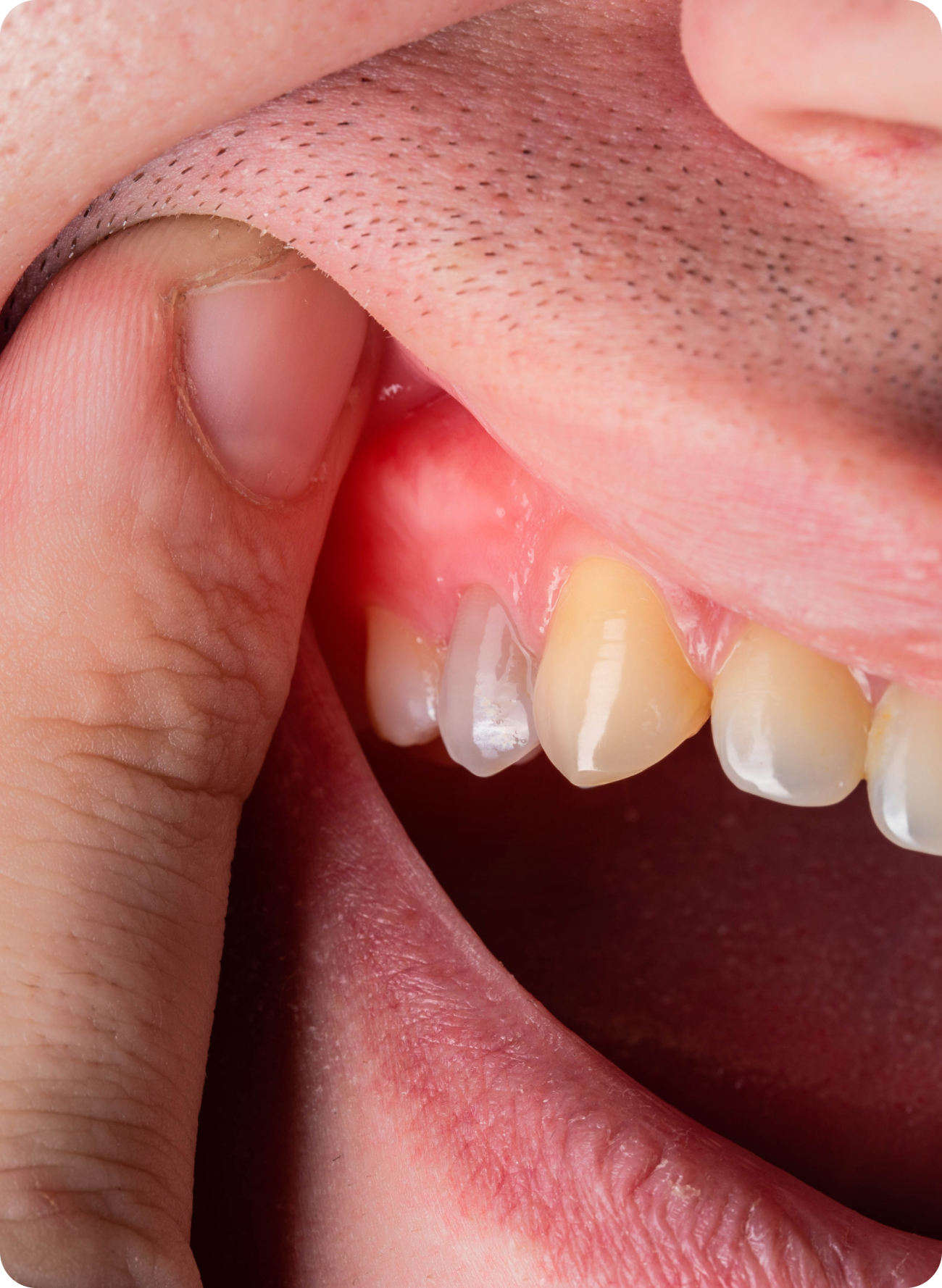
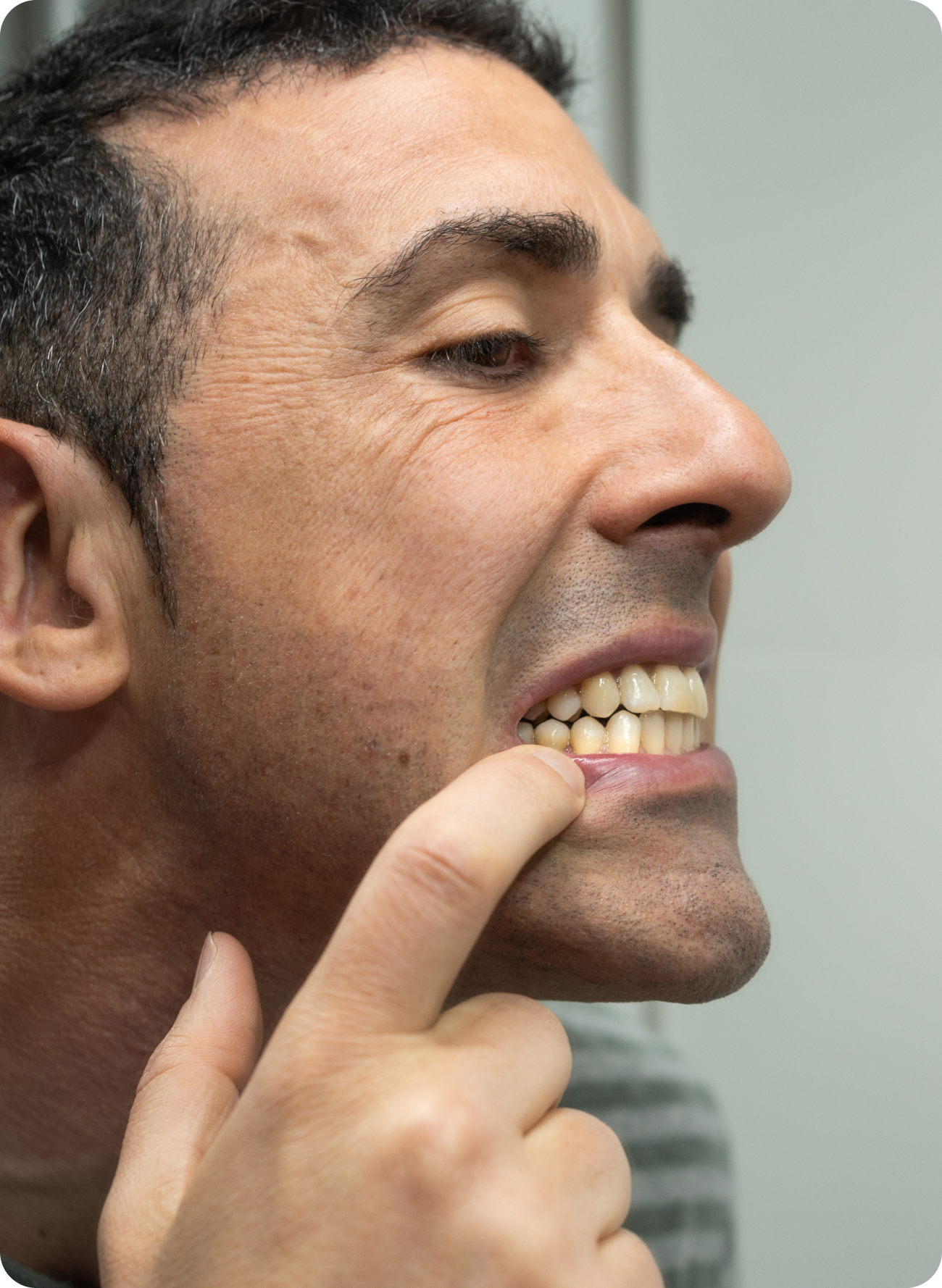
Some changes deserve a professional look rather than a wait-and-see approach. Let your dental provider know if you notice:
Gums that bleed when you brush or floss
Teeth that feel loose or have shifted position
Persistent bad breath that doesn't clear up
White or red patches anywhere inside your mouth
Sensitivity to hot or cold temperatures
Soreness or difficulty chewing
Oral cancer is far more common in adults over 55, and early detection makes a meaningful difference in treatment outcomes. Your provider should screen for it at every routine visit.
How often should you see your dental provider?
Most adults benefit from two checkups and cleanings per year. If you have a history of gum disease, root cavities or significant dry mouth, more frequent visits may be recommended. Each appointment includes a professional cleaning of hard-to-reach areas, an early check for decay or gum problems and an oral cancer screening — all things that are far easier to address when caught early.
As your oral health changes with age, an Aspen Dental provider can evaluate your teeth and gums, adjust your preventive care as needed and help catch small problems before they become bigger ones.
How to take care of your teeth as you get older FAQs
If you're still wondering how to keep your teeth healthy as you get older, these answers cover some of the questions people ask most often.
Does what I eat affect my teeth as I get older?
Yes. What you eat becomes even more important as you get older. Sugary foods and drinks feed the bacteria that cause cavities. Acidic foods and drinks (including citrus, vinegar-based foods and carbonated beverages) can also wear away enamel that's naturally thinner with age.
Drinking plenty of water, especially fluoridated tap water, helps wash away food and supports healthy saliva. Crunchy fruits and vegetables, like apples and carrots, can also help clean your teeth between brushings. If you've changed what you eat because chewing has become difficult, tell your dental provider. They can evaluate your oral health, identify any problems and recommend practical solutions.
Can I still get new cavities on old teeth?
Absolutely. As gums recede with age, the exposed root surfaces become a common site for new decay — sometimes called root caries. Root surfaces lack the enamel protection that covers the rest of the tooth, so they're vulnerable even if you've never had a cavity before. Fluoride toothpaste, a fluoride rinse and regular checkups remain important throughout life for this reason.
Is tooth loss inevitable as you get older?
No. Tooth loss is common, but it’s not unavoidable. The CDC reports that complete tooth loss is more than twice as common among older adults compared to the general adult population, but that doesn’t mean it will happen to everyone. Most tooth loss in adults is caused by gum disease or untreated decay, both of which are preventable and treatable. With consistent daily care and regular professional visits, keeping your natural teeth for a lifetime is a realistic goal.4
Sources
1Centers for Disease Control and Prevention — About Periodontal (Gum) Disease https://www.cdc.gov/oral-health/about/gum-periodontal-disease.html
2Cochrane Database of Systematic Reviews. "Powered versus manual toothbrushing for oral health." https://pubmed.ncbi.nlm.nih.gov/24934383/
3National Institute on Aging — Taking Care of Your Teeth and Mouth https://www.nia.nih.gov/health/teeth-and-mouth/taking-care-your-teeth-and-mouth
4Centers for Disease Control and Prevention — Health Disparities in Oral Health https://www.cdc.gov/oral-health/health-equity/index.html