Last updated 07.21.2026
Does apple cider vinegar damage tooth enamel?
Learn how apple cider vinegar affects tooth enamel, the signs of erosion to watch for and simple ways to help protect your teeth.

Yes, apple cider vinegar (ACV) can damage tooth enamel, and it often does so without obvious signs at first. The acetic acid that gives apple cider vinegar its sharp taste also makes it highly acidic. Over time, repeated acid exposure can wear away your enamel. A splash in salad dressing isn't likely to cause harm. But drinking apple cider vinegar regularly — especially undiluted — can increase your risk of enamel erosion.
What you'll learn in this article:
ACV has a pH of about 2 to 3, acidic enough to begin softening enamel every time it comes in contact with your teeth
Enamel cannot grow back once lost, which makes prevention far more important than treatment
The popular belief that apple cider vinegar whitens teeth is a myth — it can actually make teeth look more yellow over time
ACV gummies are not the "tooth-safe" alternative most marketing suggests
If you use apple cider vinegar regularly, schedule an appointment with your Aspen Dental provider to check for early signs of enamel erosion and learn how to protect your teeth.
Why apple cider vinegar is hard on teeth
If you're still wondering how apple cider vinegar affects your teeth or how to reduce the risk, these answers can help.
Apple cider vinegar gets its bite from acetic acid, which gives it a pH of about 2 to 3. For comparison, tooth enamel begins to soften when the pH in your mouth drops below 5.5. That makes apple cider vinegar acidic enough to wear away enamel over time.
Each time you drink apple cider vinegar, the acid temporarily softens your enamel. One exposure usually isn't enough to cause lasting harm because saliva helps neutralize the acid and protect your teeth. The bigger concern is drinking it often, especially undiluted. Frequent acid exposure gives your enamel less time to recover.
What the research shows
A study published through the National Library of Medicine found that vinegar varieties, including apple cider vinegar, caused measurable mineral loss and surface damage to human enamel samples.1 Another study found that vinegar caused more surface damage and loss of shine than the other acidic beverages tested.2
What enamel erosion means for your teeth
Tooth enamel is the hard outer shell that protects each tooth. Unlike most tissues in the body, enamel contains no living cells, which means it cannot regenerate once it has worn away.
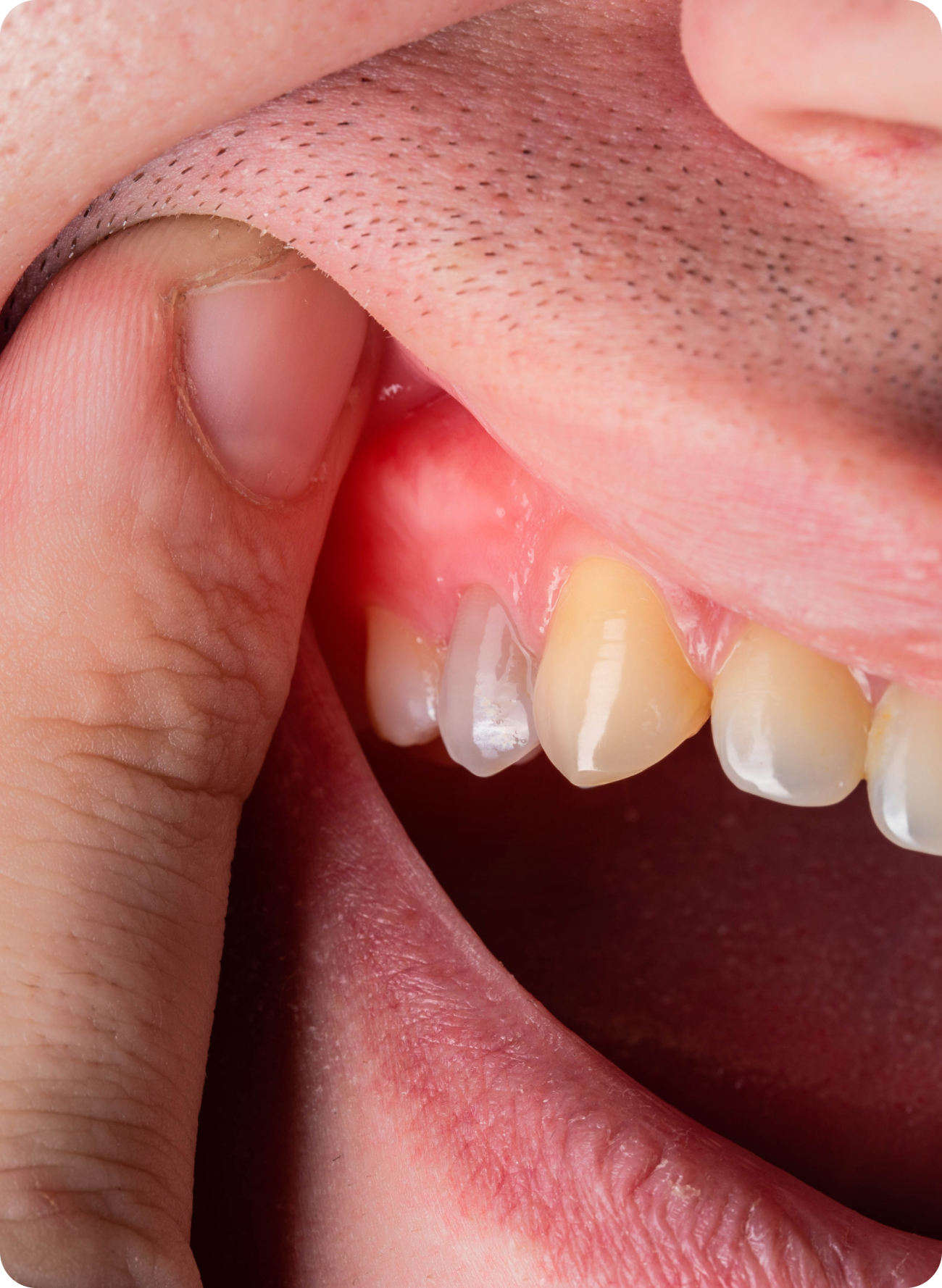
Beneath the enamel lies dentin, a softer, yellowish layer. As enamel thins, dentin gradually shows through, which is why acid-eroded teeth often look more yellow over time. Thinning enamel also exposes tiny channels connecting the tooth's outer surface to the nerve inside — which is what causes sensitivity to cold drinks, sweets or air.
What are the signs of enamel erosion to watch for?
Early signs are easy to miss:
New or worsening sensitivity to cold, heat or sweets
Teeth that look slightly more yellow than they used to
Rounded or smooth edges where teeth once had defined contours
Tips of the front teeth that appear faintly transparent
Most people notice sensitivity before any visible change appears. That's often the earliest warning.
Does apple cider vinegar whiten teeth?
No, and this is one of the more widely believed myths in wellness culture. ACV does not whiten teeth. Its acidity may briefly remove some surface staining, but the same acid responsible for that effect is simultaneously softening the enamel. As erosion progresses and more dentin shows through, teeth actually look darker — not brighter.
If whiter teeth are the goal, your dental provider can recommend treatments that work without compromising enamel.
Are apple cider vinegar gummies safer for your teeth?
Not as safe as the marketing suggests. ACV gummies still contain acetic acid. Because they're sticky, they cling to the tooth surface longer than a liquid that washes away with saliva. Longer contact means more acid exposure.
Many gummies also contain added sugars, which give oral bacteria the fuel they need to produce their own acid —adding a second erosion risk on top of the first.
How to protect your teeth if you use apple cider vinegar
If you use ACV for health reasons and don't want to stop, these habits can reduce the risk to your enamel:
Always dilute it in at least 8 ounces of water before drinking
Use a straw to direct liquid away from direct tooth contact.
Rinse with water immediately after to flush residual acid off the tooth surface.
Wait at least 30 minutes before brushing — enamel stays temporarily softened after acid exposure, and brushing too soon can accelerate wear.
Avoid sipping it slowly over time, as brief exposure followed by rinsing is far less damaging than prolonged contact.
When should you see your dental provider?
If you've been using ACV regularly and notice sensitivity, yellowing or any change in how your teeth look or feel, don't wait to have it checked. These can be early signs of enamel erosion, and earlier intervention leaves more options for protecting what's left. Your dental provider can assess the current state of your enamel and recommend a plan tailored to your situation.
Does apple cider vinegar damage tooth enamel? FAQs
Can enamel grow back after acid damage?
Once enamel is gone, the body has no way to replace it. However, a process called remineralization can strengthen enamel that has been weakened but not yet worn away. Fluoride toothpaste supports this process, and your dental provider can recommend prescription-strength options when erosion is already present. Catching it early makes a meaningful difference in what's possible.
Is rinsing with apple cider vinegar safe?
No. Rinsing with undiluted ACV is more damaging than drinking it, because it maximizes direct contact between the acid and your teeth. If you're interested in natural approaches to supporting oral health, your dental provider can suggest options that don't carry this risk.
Does apple cider vinegar affect crowns, veneers or other dental work?
It can, but not always in the way you might expect. Crowns and porcelain veneers are generally more acid-resistant than natural enamel. The greater concern is the natural tooth structure and bonding material at the margins (the thin edges where a crown or veneer meets the tooth). Those areas remain vulnerable to acid exposure over time.
Composite bonding is also softer than porcelain and can be more susceptible to surface damage from repeated acid contact. If you have existing dental work and use apple cider vinegar regularly, let your dental provider know so they can monitor those areas during your next visit.
Sources
1National Library of Medicine ."In vitro study on dental erosion caused by different vinegar varieties using an electron microprobe." https://pubmed.ncbi.nlm.nih.gov/24839821/
2National Library of Medicine. "Erosive Effect of Acidic Beverages and Dietary Preservatives on Tooth Enamel." https://pmc.ncbi.nlm.nih.gov/articles/PMC9683876/