Last updated 08.19.2026
Should you see a dentist before starting college?
A pre-college dental checkup can help catch cavities, check wisdom teeth and address treatment needs before you move to campus.

Yes, a pre-college dental visit is one of the smartest things you can do before move-in day. College brings new schedules, new stressors and new habits that can be hard on your teeth. Getting a checkup now means you start school with a clean bill of oral health, and you won't be scrambling to find a provider in an unfamiliar city during finals week.
What you'll learn in this article:
Your dental insurance may change or end when you start college, making this visit the last chance to use your current coverage at no extra cost.
Wisdom teeth often become a real problem between ages 17 and 25, and knowing their status before you leave home can prevent a painful emergency later.
College habits like energy drinks, stress snacking and poor sleep quietly do real damage to your teeth over time.
Finding a dentist in a new city mid-semester is harder than it sounds. Taking care of small issues now keeps you out of an urgent-care chair later.
Schedule a checkup with an Aspen Dental provider before you leave for school. A full exam, cleaning and X-rays give you a clear picture of what needs attention and how much time you have to address it.
Will your insurance coverage follow you to college?
Dental coverage can change when you leave for college. Your current plan may not include providers near campus, and dependent dental coverage doesn't always follow the same rules as health insurance; it can end earlier and varies a lot by plan. Check your benefits before you leave so you know what is covered and where you can use your plan.
A pre-college visit to the dentist can also help you use your current benefits before school starts. Check your plan to see what services it covers and what you may owe out of pocket.
What happens at a pre-college checkup?
A routine visit covers more ground than people expect. Your dentist will:
Clean your teeth and check for cavities
Take X-rays to spot problems that aren't visible yet
Check your gums for early signs of disease
Look at the position and health of your wisdom teeth
Review any active treatment or orthodontic care
That last point matters. If you're in braces or have a retainer, your dental provider needs to know your status. Moving away mid-treatment without a handoff plan can undo months of progress.
Wisdom teeth: know before you go
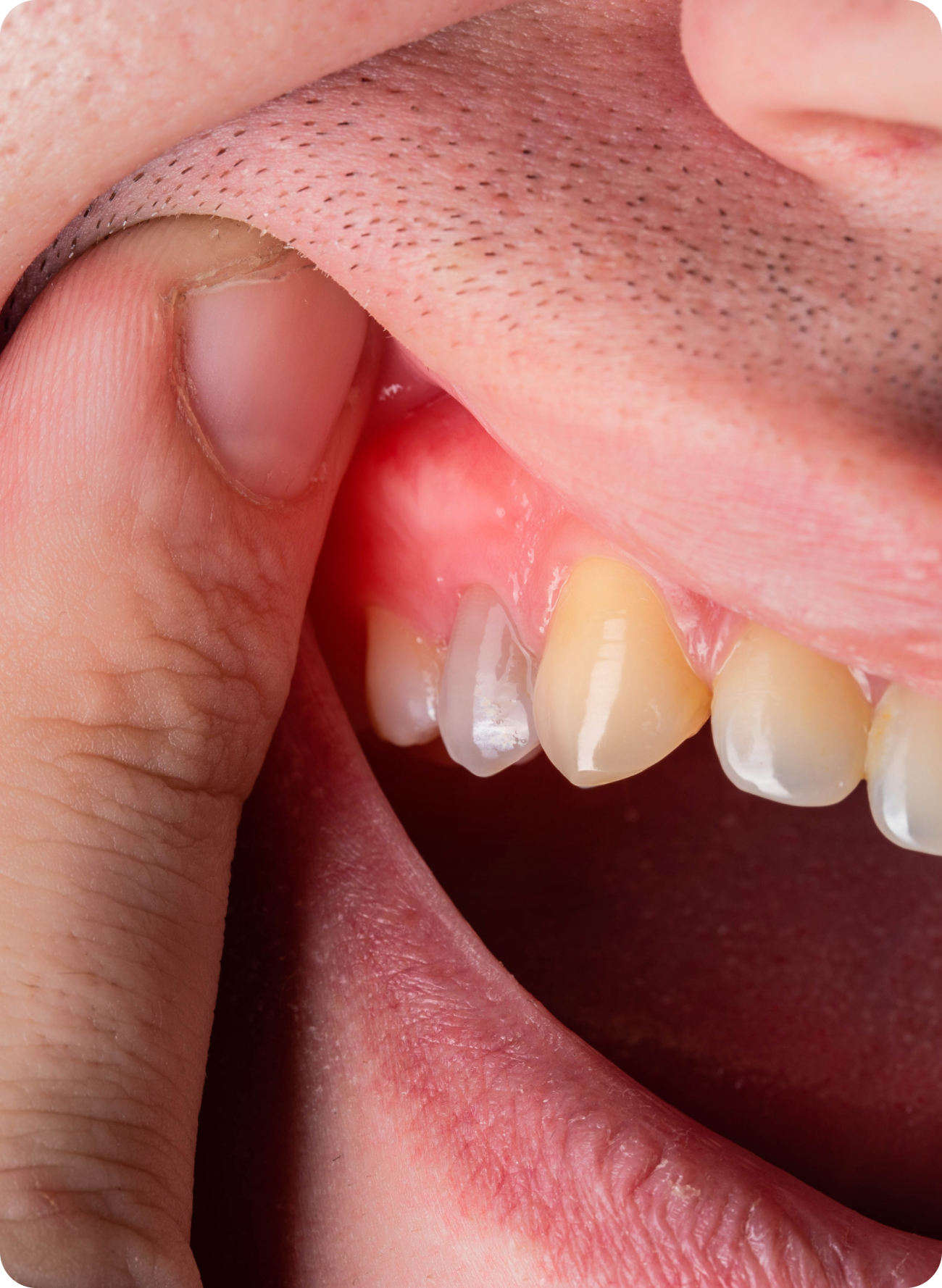
Most wisdom teeth show up between ages 17 and 25.¹ That's exactly when students are leaving home for the first time. Wisdom teeth are the most likely teeth to become impacted or cause problems. A tooth that's slowly coming in can shift to a real problem fast, causing soreness, swelling or crowding.
X-rays at your pre-college visit give your dental provider a clear look at what's happening under the gum. If a tooth needs to come out, it's far better to have that done at home, with recovery time built in, than to deal with it alone during a busy semester.
Small cavities don't wait
A small cavity is easy to fill now. Left alone for a semester or two, it can become a much bigger problem. Toothaches don't follow the academic calendar. Dealing with a dental emergency mid-semester, in an unfamiliar city, without an established provider, is stressful and expensive.
The Centers for Disease Control and Prevention (CDC) says more than 80% of people will have had at least one cavity by age 34.² Taking care of outstanding treatment before you leave is the single best way to protect both your health and your schedule.
College habits that affect your teeth
College life introduces habits that are tough on teeth. Energy drinks contain acids that can wear down tooth enamel over time. Sports drinks can also affect your oral health, though research on their erosion risk is less consistent.³ Stress can also take a toll. Many people clench or grind their teeth without realizing it, which can wear down enamel and cause jaw pain over time.⁴ Late-night snacking, especially on starchy or sugary foods, feeds the bacteria that cause cavities.
None of this means you have to avoid the new experiences of college life. It just means going in aware, and starting with a clean slate.
When should you schedule your appointment?
Book your visit 2 to 3 months before you leave. That window gives your dental provider time to complete any treatment before move-in day. The CDC says to visit your dental provider at least once a year. Don't wait until the last week of summer.
Should you see a dentist before starting college? FAQs
Before you head to campus, knowing what to expect can help you feel more prepared to care for your teeth while you’re away. Exploring the answers to the following can help.
What if I feel fine? Do I still need to go?
Many dental problems have no symptoms at first. Cavities and early gum disease are often found on X-rays before you feel anything. A checkup now catches issues while they're still small.
Can I use the student health center for dental care?
Some colleges offer basic dental services on campus. Coverage and availability vary widely. It's worth checking, but student health centers often have limited hours and long wait times during the semester.
What should I bring to my pre-college appointment?
Bring your insurance card, a list of any medications you take and contact information for any specialist treating you (like an orthodontist). Let your provider know you're heading to school and roughly when you're leaving.
Sources
¹ Cleveland Clinic: “Wisdom Teeth: Function & Location.”
https://my.clevelandclinic.org/health/body/23223-wisdom-teeth
² CDC: “Oral Health Tips for Adults.” https://www.cdc.gov/oral-health/prevention/oral-health-tips-for-adults.html
³ NIH/PMC: “Association Between Consumption of Energy and Sports Drinks with Oral Health: A Systematic Review.” https://pmc.ncbi.nlm.nih.gov/articles/PMC13297814/
⁴ National Institute of Dental and Craniofacial Research: "Bruxism." https://www.nidcr.nih.gov/health-info/bruxism