Last updated 08.19.2026
Should I get dental work done before the end of the year?
Learn why completing dental work before year-end may help you use remaining benefits, avoid a deductible reset and stay ahead of recommended care.
If your dental benefits reset on January 1, completing recommended treatment before December 31 is a smart move you can make for your oral health — and your wallet. Most dental plans operate on a calendar year, and coverage you haven't used simply disappears when the clock strikes midnight. Here's what to know before you decide.
What you'll learn in this article:
Most dental benefits expire December 31: Coverage you haven't used is gone for good, not saved for later.
If your annual deductible is already met, additional care costs you less before the year ends than it will in January.
Delaying recommended treatment can allow a small, inexpensive problem to become a larger, more costly one.
Knowing how much benefit you have left takes a few minutes and can save you hundreds of dollars.
If you're not sure where your benefits stand, schedule an appointment with an Aspen Dental provider to review your treatment plan before the year ends.
How dental benefits work at year's end
Many dental insurance plans follow a calendar year, from January 1 through December 31. Plans may also have an annual maximum, which is the most the plan will pay toward covered dental care during the plan year.¹ For most dental plans, unused benefits do not carry over into the next year.² That makes it worth checking your plan before the year ends so you know what benefits you still have available.
On average, only about 5% of Dental Preferred Provider Organization (DPPO) enrollees reach or exceed their annual maximum for in-network services each year.³ If you have treatment you have been putting off, reviewing your remaining benefits can help you understand what your plan may cover before the benefit year resets.
What happens to my deductible if I wait until January?
Your annual deductible, which is the amount you pay out-of-pocket before insurance begins covering treatment, also resets on January 1. If you've already met your deductible for this year, any care you receive before December 31 costs you less because your insurance is already paying its share. Once the new year begins, you'll need to meet the deductible again before benefits apply.
What treatment is worth scheduling before December 31?
Anything your dental provider has already recommended. If you've been putting off a filling, crown, deep cleaning or another procedure, the end of the year is the right time to follow through.
Treatment your dental provider has already suggested
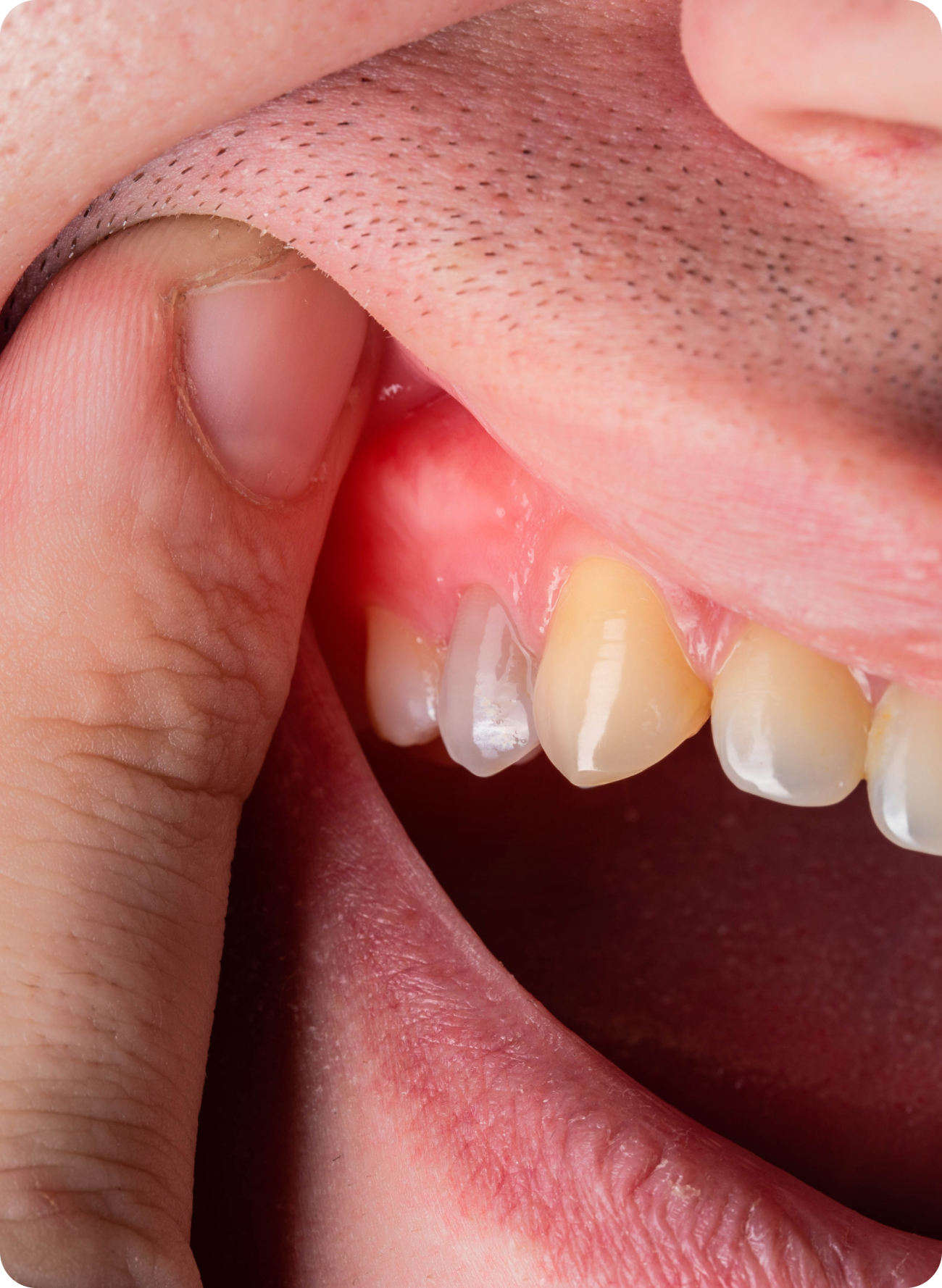
Small dental problems rarely stay small. An untreated cavity can progress to the point where it needs a root canal rather than a simple filling. Untreated gum disease can advance and damage the bone that holds your teeth in place.⁴ Completing recommended treatment now (while your benefits are active and your deductible is behind you) protects both your oral health and your finances going into the new year.
Preventive care you haven't used yet
Most dental plans include two cleanings and exams per year at no extra cost to you. If you haven't scheduled your second visit, it's one of the simplest ways to use coverage you've already paid for.
What about FSA or HSA funds?
If you have a Flexible Spending Account (FSA) through your employer, you generally must use the funds by the end of the plan year.⁵ Dental care, including cleanings, X-rays, fillings and most restorative procedures, is typically an eligible expense. Health Savings Accounts (HSAs) are different. These funds roll over year to year, so there's no year-end deadline. That said, using them for dental care now still means investing in your health rather than letting funds sit idle.
What if my treatment can't be completed before year's end?
Starting treatment before December 31 can still work in your favor. Many dental plans apply benefits at the time of service, meaning your initial appointment may draw from this year's benefits while follow-up visits count toward next year's plan. If you're dealing with a crown, an implant or a multi-step procedure, talk with your dental provider about how your specific plan handles treatment that spans two benefit years. A quick call to your insurance carrier can confirm what applies before you schedule.
Should I get dental work done before the end of the year? FAQs
These questions come up often during end-of-year planning and are worth addressing directly.
What if I'm switching dental plans in January?
Use your remaining benefits before the switch, since unused coverage won't transfer to a new insurer. This matters even more if your new plan includes a waiting period for restorative procedures like crowns or root canals. Getting that work done now means you avoid both the waiting period and the cost of starting fresh with a new deductible.
Do X-rays, crowns and major procedures count toward my annual maximum?
Yes. Most major dental services (X-rays, fillings, crowns, root canals, periodontal treatment and extractions) apply toward your annual maximum. Routine preventive care, like cleanings and exams, is often covered separately at 100% and may or may not count against your maximum depending on your plan. Your plan's summary of benefits or a quick call to your insurer can clarify what applies.
What if my plan year doesn't run January through December?
Not all dental plans follow the calendar year. Some employer plans reset in July, September or on the anniversary of your enrollment date. The same rules apply; unused benefits expire at the end of your plan year, and your deductible resets when the new plan year begins. If you're not sure when your plan year ends, check your benefits summary or call the member services number on your insurance card. Once you know your reset date, you can plan your remaining care accordingly.
Sources
¹American Dental Association: “Typical Dental Plan Benefits and Limitations.” https://www.ada.org/resources/practice/dental-insurance/typical-dental-plan-benefits-and-limitations
²American Dental Association: MouthHealthy. “Your Dental Benefits: Use Them or Lose Them.” https://www.mouthhealthy.org/dental-care/using-dental-benefits
³National Association of Dental Plans: WhyDental.org. "Dental Benefits 101." https://community.nadp.org/whydentalorg/individuals/dental-benefits-101
⁴National Institute of Dental and Craniofacial Research: “Periodontal (Gum) Disease.” https://www.nidcr.nih.gov/health-info/gum-disease
⁵Healthcare.gov: “Health Care Options, Using a Flexible Spending Account (FSA).” https://www.healthcare.gov/have-job-based-coverage/flexible-spending-accounts/