Last updated 08.19.2026
Does constant snacking hurt your teeth?
Learn how constant snacking affects enamel, why frequent eating raises cavity risk and which habits can help protect your teeth.

Yes, snacking all day can hurt your teeth, and the reason has less to do with what you eat than with how often you eat it. Each time you snack, your teeth face an acid attack that lasts about 20 minutes. Snack again before that window closes, and the clock resets. Do that all day, and your enamel never gets a break.
What you'll learn in this article:
Each snack resets a 20-minute acid attack. Grazing all day is harder on your enamel than eating the same foods in one sitting.
Your saliva is your mouth's built-in repair system. But it needs time between meals to work, and constant snacking doesn't give it that window.
"Healthy" snacks like juice, dried fruit and crackers can be just as damaging as candy because of their sugar content, stickiness or acidity.
Once enamel is gone, it can't grow back. But early damage can often be reversed if you catch it in time.
If you have questions about your snacking habits or notice sensitivity, schedule an appointment with an Aspen Dental provider. They can check your enamel and help you make a plan.
What is the acid attack cycle?
Every time you eat, bacteria in your mouth feed on the sugars and starches in your food. The American Dental Association (ADA) says those bacteria produce acids that attack your enamel.¹ Your enamel is the hard outer shell of your tooth. It protects the softer layers inside. During those 20 minutes, the acid slowly wears the enamel down. This is called an acid attack.
After about 20 minutes, your saliva steps in. Saliva is slightly alkaline, which means it helps cancel out the acid. It also carries minerals that patch tiny soft spots in your enamel. Dental providers call this remineralization. Think of it as your mouth's built-in repair mode. But here's the catch. Your mouth can only repair enamel if you give it time. The National Institute of Dental and Craniofacial Research (NIDCR) says that when a tooth is repeatedly exposed to acid, it keeps losing minerals.²
Why "healthy" snacks can still be a problem
You might assume fruit, crackers or juice are fine for your teeth. Not always. The Centers for Disease Control and Prevention (CDC) notes that early exposure to cavity-causing bacteria, combined with frequent snacking, can lead to early childhood cavities.³ The ADA also says limiting snacking helps prevent tooth decay.¹
Here is why some “healthy” choices can still cause harm:
Fruit juice is high in natural sugar and acid. It is also easy to sip slowly, which stretches the acid attack.
Dried fruit is sticky. It clings to teeth and feeds bacteria for a long time.
Crackers and bread break down into simple starches fast. Bacteria treat starches almost the same as sugar.
Citrus fruit is acidic on its own, which adds to the acid load before bacteria even get involved.
None of these means you cannot eat them. It just means how you eat them matters.
Are there some snacks that are easier on your enamel?
Yes, some foods actually help your teeth while you snack. Others just cause less harm. Both are worth knowing.
Friendlier choices:
Cheese raises the pH in your mouth. That helps cancel out acid. It also adds calcium, which supports enamel.
Plain nuts are low in sugar and don't stick to teeth.
Crunchy vegetables like carrots and celery help scrub the surface of teeth as you chew. They also boost saliva flow.
Water rinses away sugar and acid. It also keeps saliva flowing. Plain water is your teeth's best snack companion.
Practical ways to protect your teeth
You don't have to stop snacking. You do want to change the pattern.
Batch your snacks. Eat all your snacks in a set window, rather than grazing all day. This limits how many acid attacks your enamel faces.
Rinse with water after eating. It clears sugar and acid fast. Don't brush right after an acid attack though. Wait 30 minutes. Brushing too soon can spread softened enamel.
Skip the slow sip. Drinking juice or soda over an hour is harder on teeth than drinking it quickly in one sitting.
Finish with a tooth-friendly food. Ending a snack with cheese or water helps shift your mouth's pH back toward neutral.
When should you talk with your dental provider?
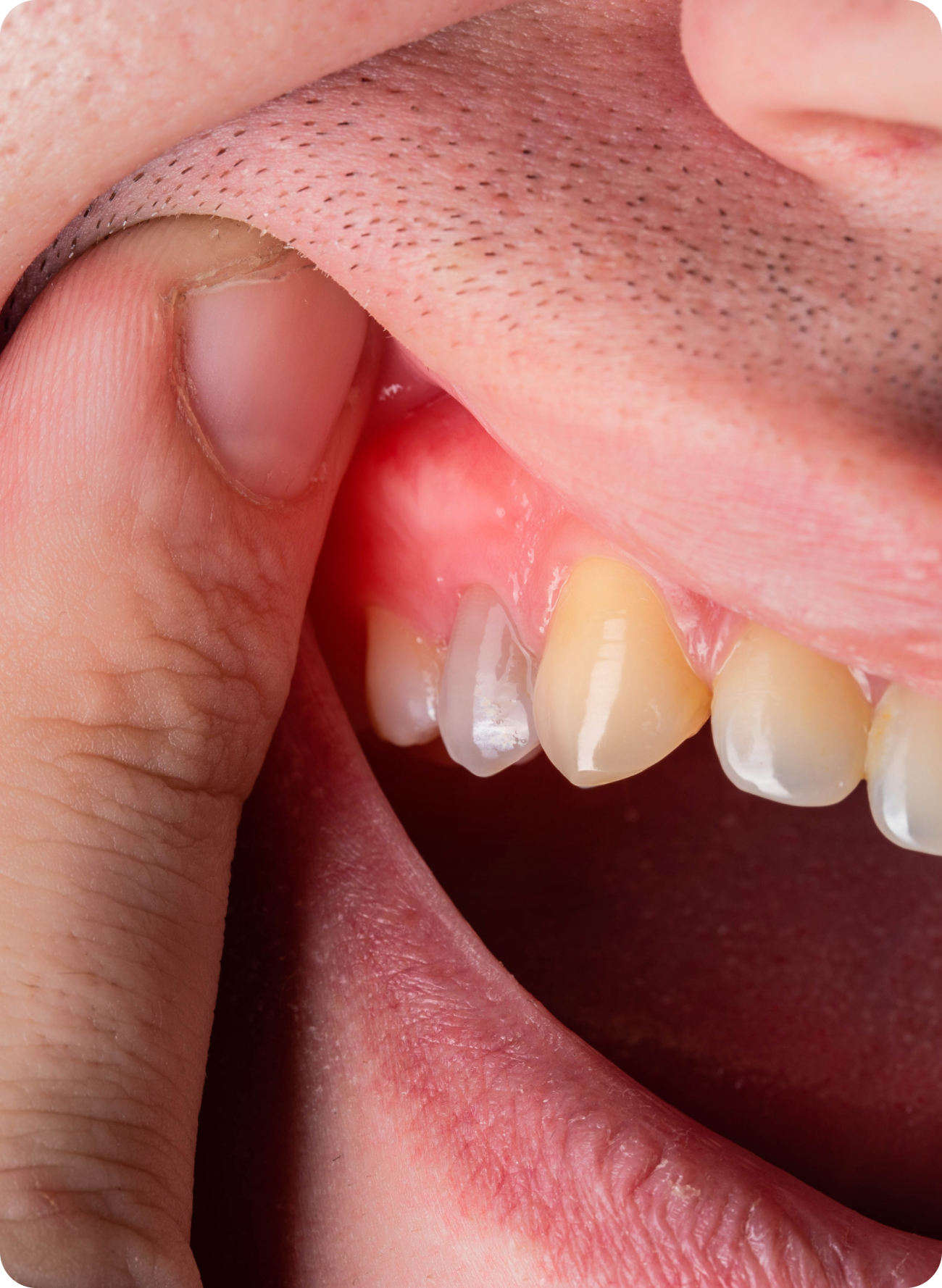
See your dental provider if you notice sensitivity to cold or sweet foods, or if your teeth feel rough or look duller than usual. These can be signs that enamel is wearing down. Caught early, the damage is often manageable. Left alone, it can get worse.
Talk to your dental provider if frequent snacking has left you worried about sensitivity or enamel wear. They can check your teeth for early changes and help you find simple ways to protect your enamel.
Does constant snacking hurt your teeth? FAQs
Still have questions about how snacking affects your teeth? These answers cover a few common concerns about sugar, drinks and enamel damage.
Is it the sugar or the frequency that causes more harm?
Both matter, but frequency is often overlooked. Each snack event starts a new acid attack. Snack five times a day and your teeth face five separate attacks. Eating a larger amount of sugar in one sitting is actually less harmful than spreading small amounts across many snacking moments.
Does diet soda or sparkling water affect my teeth?
Diet soda still contains acid, even without sugar. That acid can soften enamel just like the acid bacteria produce. Plain sparkling water is much gentler, but plain still water is the safest choice for your teeth.
Can enamel grow back once it's been damaged?
No, once enamel is gone, your body can't replace it. That's what makes protecting it so important. Early-stage damage, where enamel is softened but not yet worn away, can sometimes be reversed through remineralization. Fluoride toothpaste and a tooth-friendly diet support that process. But significant enamel loss is permanent. Your dental provider can identify early damage and recommend the right steps before it progresses.
Sources
¹ American Dental Association: MouthHealthy. “Tooth Decay.” https://www.mouthhealthy.org/all-topics-a-z/tooth-decay
² National Institute of Dental and Craniofacial Research: “Tooth Decay.” https://www.nidcr.nih.gov/health-info/tooth-decay
³ Centers for Disease Control and Prevention: Division of Oral Health. “Talking to Pregnant Women about Oral Health.” https://www.cdc.gov/oral-health/hcp/conversation-tips/talking-to-pregnant-women-about-oral-health.html