Last updated 08.05.2026
Can supplements like fish oil make your gums bleed?
Learn how fish oil and other supplements can affect gum bleeding, why gum disease is often the real cause and what to do next.

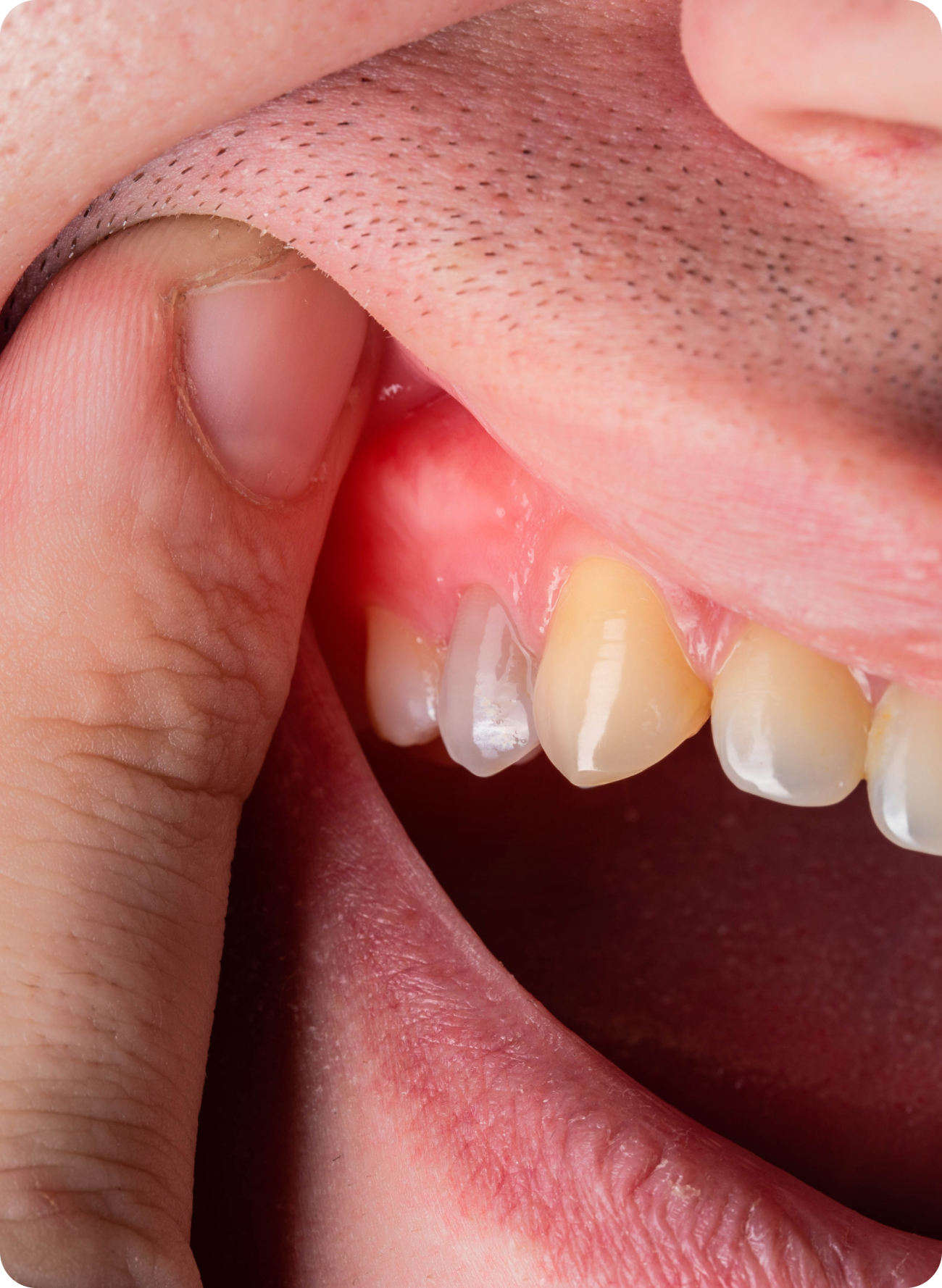
Yes, fish oil and similar supplements can make your gums more prone to bleeding, but they're rarely the root cause. If your gums are bleeding, it's worth looking at both your supplement use and your gum health.
What you'll learn in this article:
Fish oil and several other common supplements have a mild blood-thinning effect that can make gum problems more noticeable
Gum disease is still the most common underlying cause of bleeding gums, and certain supplements may amplify an existing problem
Stopping your supplements without guidance isn't the right first step; finding the actual cause is
Some supplements, particularly vitamin C, can actually support gum health
If your gums have been bleeding and you're not sure why, schedule an appointment with your Aspen Dental provider. They can identify what's driving it and help you find a solution that works alongside your health routine.
How fish oil and similar supplements affect your gums
Fish oil is a popular supplement because it supports heart health and may help reduce inflammation. The omega-3 fatty acids in fish oil also have a mild antiplatelet effect in laboratory studies, though large clinical trials haven't found this translates into a meaningful increase in real-world bleeding on its own.¹
By itself, fish oil doesn't usually cause gum bleeding. But if your gums are already irritated from plaque or early gum disease, it's worth mentioning your fish oil use to your provider so they can factor it into a full picture of what's going on.
Which other supplements can have the same effect?
Fish oil isn't alone. Several commonly used supplements share similar blood-thinning properties:
Vitamin E at high doses (generally above 400 IU per day) can have a mild anticoagulant effect and may increase bleeding risk, particularly alongside blood-thinning medications.²
Ginkgo biloba’s antiplatelet effect is most concerning when combined with warfarin: large-scale data links that specific combination to increased bleeding risk.¹
Garlic supplements, taken at supplemental doses rather than cooking amounts, have been linked to increased surgical bleeding even without other blood thinners involved.¹
Ginger's effect on bleeding is less clear since some studies show it slows clotting while others show no effect.¹
If you're taking more than one of these or combining any of them with a prescription blood thinner, tell your dental provider and your prescribing provider. This combination is where the evidence for increased bleeding risk is strongest.¹
Why supplements are usually only part of the picture
Most bleeding gums start with plaque, not your supplement cabinet.
The most common cause is gingivitis, the earliest stage of gum disease. According to the Mayo Clinic, gingivitis is one of the leading causes of bleeding gums.³ Plaque that builds up along the gumline irritates the gums, making them more likely to bleed. A supplement with mild blood-thinning properties, like fish oil, could make that easier to notice, even without directly causing it.
That can actually be helpful. If a supplement seems to be making your gums bleed more, it may be drawing attention to a gum problem that's already developing (and one that's easiest to treat early).
Can supplements actually help your gums?
They can, and not all supplements increase gum bleeding—some can actually support healthier gums.
Vitamin C is the best example. A deficiency is directly linked to bleeding gums and, in severe cases, can lead to scurvy, a condition that causes swollen, sore gums that bleed easily.⁴ Vitamin C helps your body produce collagen, which keeps your gums strong and firmly attached to your teeth.
Not every supplement works against your gums; vitamin C and vitamin D may actually improve gum health if you're deficient. The key is knowing which supplements you're taking and whether you're getting enough of the nutrients your gums need.
What to do if your gums are bleeding
Don't stop your supplements without talking to your healthcare provider first. If you're taking fish oil or another supplement for a specific health reason, your healthcare provider can help you decide whether any changes are appropriate.
A few steps that genuinely help:
Tell your dental provider exactly what you're taking, including doses: this helps them determine whether a supplement is contributing to the bleeding or whether gum disease is the primary issue
Keep brushing and flossing gently: avoiding oral hygiene to prevent bleeding usually makes gum disease worse, not better⁵
Watch for other signs of gum disease: redness, swelling, tenderness or gums that appear to be pulling away from your teeth
Get a gum evaluation: your provider can examine your gum tissue directly and identify what needs treatment
Bleeding gums are common, but they're also a signal worth taking seriously. Finding the cause is always the most important first step.
Can supplements like fish oil make your gums bleed? FAQs
Bleeding gums don't always have a single cause, and it's normal to have questions about the role supplements may play. Here are answers to some of the most common ones.
Should I tell my provider about my supplements before a dental procedure?
Yes, your dental provider needs to know about every supplement you take, not just your prescription medications. Supplements such as vitamin E and ginkgo biloba have documented links to increased bleeding, especially during procedures involving the gums. Even fish oil, which hasn't been shown to cause meaningful bleeding on its own, is worth mentioning. Your provider needs the full picture to make good decisions about your care.
Before your appointment, bring a list of all your medications and supplements, including the doses. In some cases, your dental provider may recommend temporarily stopping a supplement before treatment, but only when it's appropriate and coordinated with the healthcare provider managing your overall health.
Will treating my gum disease stop the bleeding even if I keep taking fish oil?
Usually. Bleeding often improves within a couple of weeks of starting treatment, once plaque and inflammation are under control, and a professional cleaning often makes the biggest difference early on. Home care alone, without a dental visit, tends to move much slower and doesn't address plaque below the gumline.
If bleeding hasn't improved after a few weeks of consistent brushing and flossing, or after a professional cleaning, tell your provider. Persistent bleeding despite treatment is worth a follow-up, since it can point to a supplement interaction, a different underlying condition, or gum disease that needs a different level of care.
How do I know if supplements or gum disease are causing my gums to bleed?
You often can't tell from symptoms alone, as both can cause bleeding during brushing or flossing. One helpful clue: bleeding tied to a supplement tends to show up throughout your mouth and can ease off if you skip a dose, while bleeding from gum disease is usually localized to inflamed areas and doesn't let up on its own. The only reliable way to know is an evaluation from your dental provider. They can examine your gum tissue, assess whether any disease is present and trace the bleeding to its actual source.
Sources
¹National Institutes of Health: “Dietary supplements and bleeding” https://pmc.ncbi.nlm.nih.gov/articles/PMC9586694/
²National Institutes of Health, Office of Dietary Supplements: "Vitamin E." https://ods.od.nih.gov/factsheets/VitaminE-HealthProfessional/
³Mayo Clinic: “Gingivitis: Symptoms and causes” https://www.mayoclinic.org/diseases-conditions/gingivitis/symptoms-causes/syc-20354453
⁴National Institutes of Health, NCBI: “Vitamin C Deficiency” https://www.ncbi.nlm.nih.gov/books/NBK493187/
⁵Cleveland Clinic: “Bleeding Gums: Causes & Treatment” https://my.clevelandclinic.org/health/symptoms/24908-bleeding-gums