Last updated 07.22.2026
Can intermittent fasting damage your teeth?
Learn how intermittent fasting can affect your teeth, what habits increase your risk and how to help protect your enamel and gums.

Intermittent fasting does not directly damage your teeth, but certain habits that come with it can. The fasting itself isn't the problem. What you drink during fasting windows, how hydrated you stay and when you brush are what determine whether intermittent fasting is rough on your teeth or largely neutral.
What you'll learn in this article:
Staying hydrated while fasting helps support healthy saliva and lowers your risk of tooth decay
Acidic drinks like black coffee and lemon water — not fasting itself — are the leading cause of enamel erosion in people who fast
Emerging research suggests intermittent fasting may actually reduce gum inflammation over time
You can protect your teeth while fasting with a few simple, well-timed habits
Many oral health changes linked to intermittent fasting are manageable when they're caught early. If you've noticed new symptoms, an Aspen Dental provider can help you understand what's causing them and how to protect your smile.
How intermittent fasting affects your mouth
Fasting changes the environment inside your mouth in ways most people don't expect. The most significant shift is in saliva production — and saliva does much more than keep your mouth moist.
Does saliva really matter that much?
It matters more than some people realize. Saliva helps protect your teeth by neutralizing acids, washing away bacteria and delivering minerals like calcium and phosphate that repair early enamel damage.
A 2025 pilot study published in the American Journal of Men’s Health found that Ramadan fasting caused small changes in saliva, but it did not show a clinically meaningful drop in oral pH or establish that fasting reduces saliva flow.1
With less saliva, your mouth loses some of its natural protection, and your risk of tooth decay increases.2
What happens when your mouth becomes more acidic?
Tooth enamel starts to weaken when oral pH drops below about 5.5. During extended fasting, reduced saliva and certain beverages can push your mouth into that acidic range. The enamel doesn't dissolve dramatically — it erodes gradually, often showing up first as increased sensitivity to cold or hot foods.
The fasting habits that actually put your teeth at risk
Fasting alone is rarely the culprit. It's what people do during the fast that creates real dental risk.
Is black coffee or lemon water a problem?
They can be. Both are acidic, and many people sip them throughout their fasting window. Black coffee has a pH of about 5, and lemon water can be even more acidic. Without food to stimulate saliva, the acid stays on your teeth longer than it normally would.
This is one of the most overlooked risks of intermittent fasting. Brushing right after an acidic drink can wear away softened enamel. Instead, wait at least 30 minutes before brushing to give your saliva time to protect your teeth.
Does dehydration during fasting affect your teeth?
It can. Many people forget to drink adequate water while fasting, especially when caffeine is involved. Caffeine is a mild diuretic, so coffee can leave you more dehydrated than before you drank it. Dehydration compounds the drop in saliva production, and dry mouth — even mild dry mouth — meaningfully increases your risk of cavities and gum problems.2
Could intermittent fasting actually be good for your gums?
Most likely. A 2025 clinical trial published in the Journal of Clinical Periodontology found that two intermittent fasting approaches reduced signs of gum inflammation compared with a regular diet.³
These findings suggest intermittent fasting may also support gum health by helping reduce inflammation.
That doesn't mean fasting replaces brushing, flossing or regular dental care. But it does suggest that intermittent fasting isn't necessarily harmful to your oral health, especially if you take steps to protect your teeth.
Signs your fasting routine might be affecting your teeth
Pay attention if you notice any of the following after starting intermittent fasting:
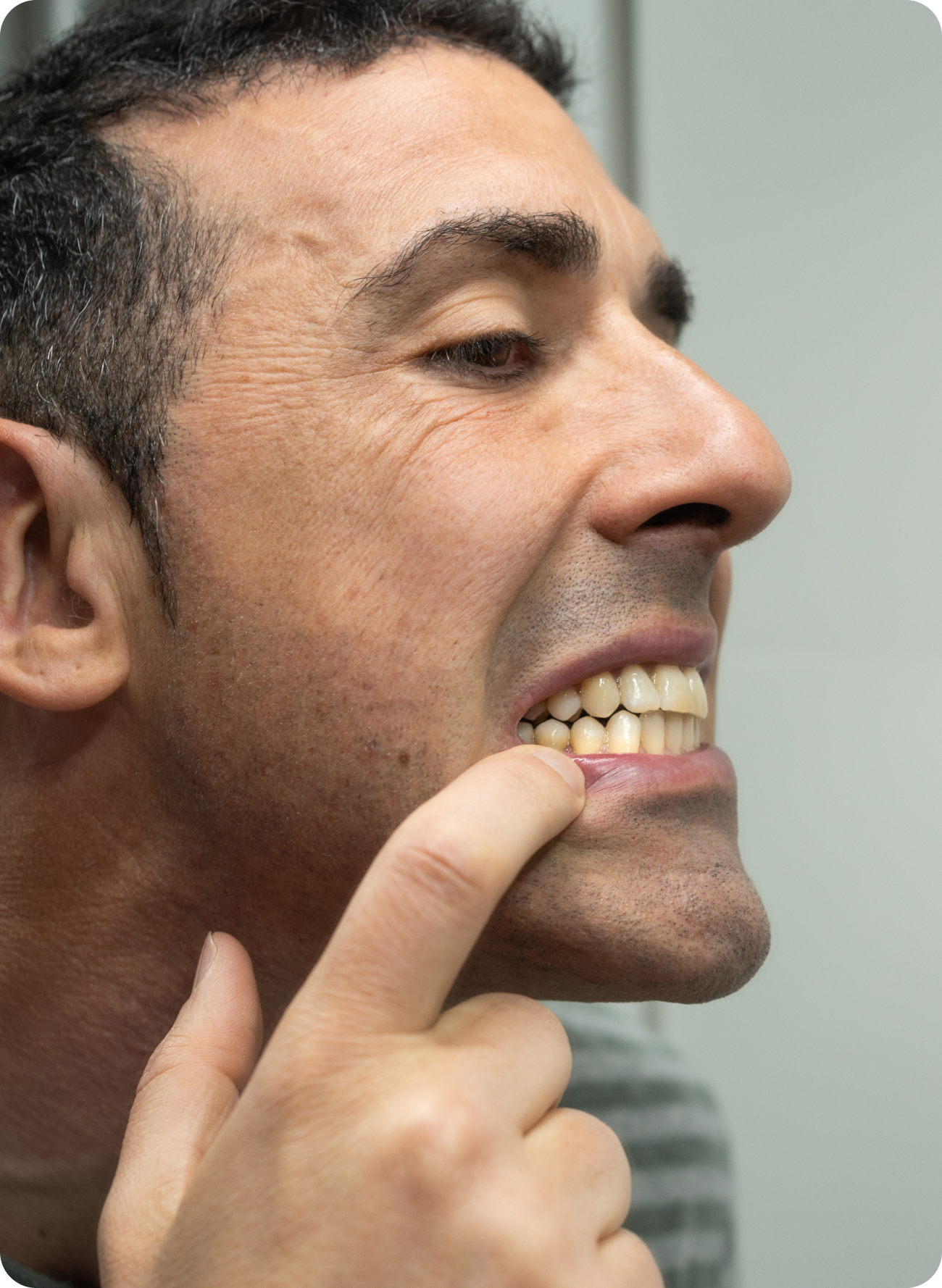
Increased tooth sensitivity, especially to cold drinks or temperature changes
Persistent bad breath that doesn't improve with brushing
A dry, sticky feeling in your mouth throughout the day
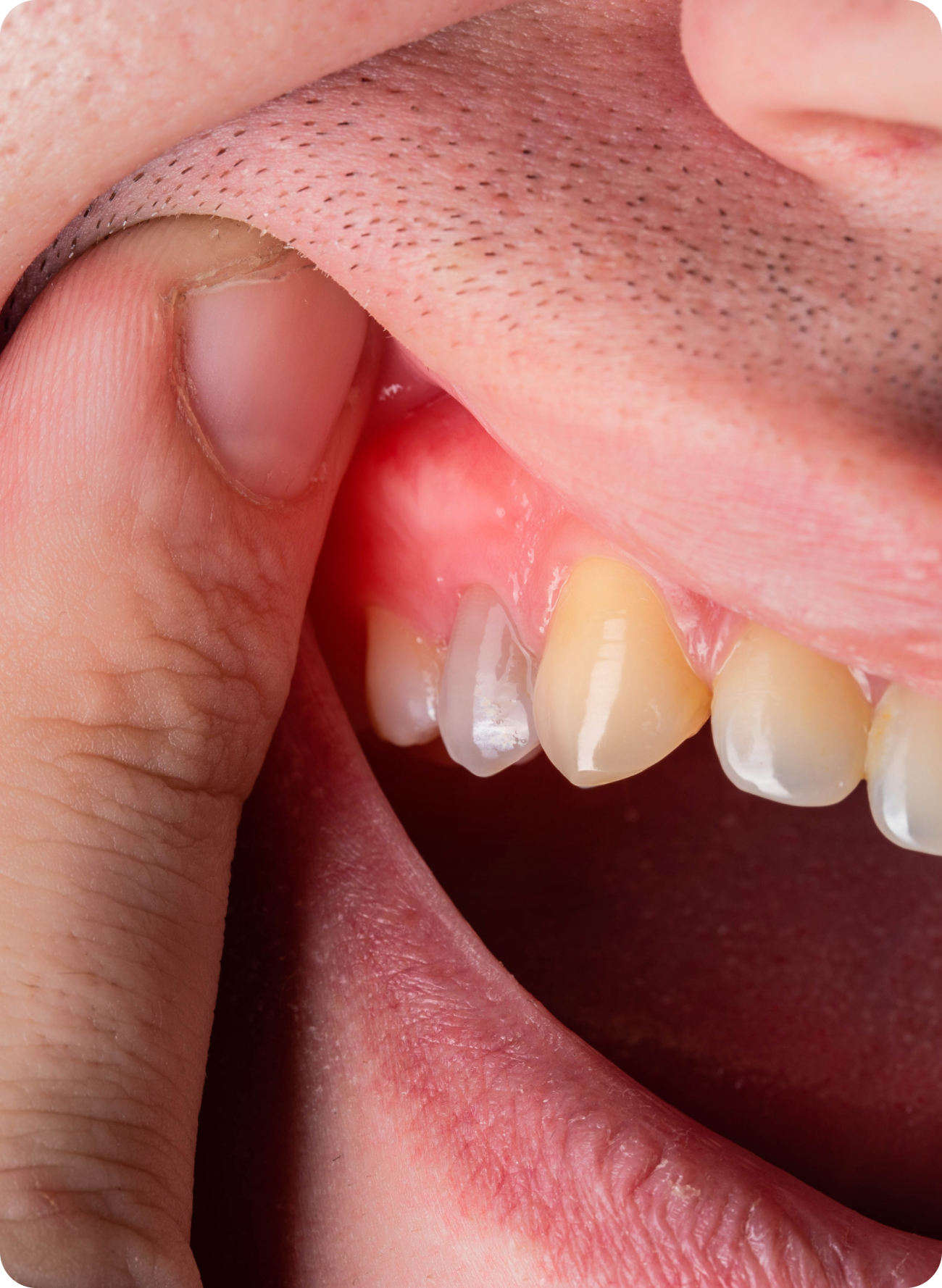
Gum tenderness or bleeding when brushing
None of these symptoms mean you have to stop fasting. They do mean your mouth is telling you something has shifted and it's worth getting a professional look.
How to protect your teeth while intermittent fasting
Most of the risks associated with intermittent fasting are preventable with a few targeted habits:
Drink plain water throughout your fasting window: It's the single most effective way to maintain saliva function and flush out bacteria.
Rinse your mouth after coffee, tea or lemon water: A quick rinse with plain water dilutes acid and protects enamel without breaking your fast.
Don't brush immediately after acidic drinks: Wait at least 30 minutes.
Brush and floss consistently during your eating window: This is when saliva is naturally higher and your mouth is in its best environment for cleaning.
Make sure your eating window includes calcium-rich foods: Dairy, leafy greens and nuts support enamel strength and gum health.
Can I brush my teeth while intermittent fasting?
Brushing your teeth does not break your fast. Toothpaste is not a food, and the trace amount you might swallow during brushing has no effect on insulin levels or the metabolic state fasting is intended to produce. Brush at your normal times. Skipping oral hygiene during a fast to "protect" your fast is unnecessary and counterproductive.
If you use a flavored toothpaste and find it triggers cravings, switch to a mild or unflavored option, but don't skip brushing altogether.
Can intermittent fasting damage your teeth? FAQs
If you still have questions about intermittent fasting and your oral health, these answers cover some of the concerns people ask most often.
Why do I have bad breath when fasting?
Fasting breath has two main causes. First, reduced saliva lets bacteria build up more easily, creating odor. Second, when your body burns fat for fuel, it produces compounds called ketones—especially acetone—that are released in your breath. This is a normal part of fasting, not a sign of infection. Drinking more water and rinsing your mouth can help.
Can I use mouthwash during my fasting window?
Yes. Mouthwash doesn't break a fast for the same reason brushing doesn't — the trace amount involved doesn't meaningfully affect your fasting state. An alcohol-free fluoride mouthwash can help protect your enamel, especially after brushing.
Choose a mouthwash without sugar or sweeteners. If strong mint flavors trigger hunger, a plain fluoride rinse is a good alternative. If you have dry mouth while fasting, avoid alcohol-based mouthwashes because they can make the dryness worse.
Should I take supplements to protect my teeth while fasting?
Calcium and vitamin D help keep teeth strong, and magnesium supports healthy jaw muscles. If your eating window is short, you may not get enough of these nutrients from food alone. Talk with your dental provider or physician about whether supplements are right for you. If you're fasting for health, religious or other reasons, ask whether taking supplements during your fasting window could affect your fast.
Sources
1National Institutes of Health / PubMed Central — Impact of Ramadan Intermittent Fasting on Salivary pH, Flow Rate and Oral Health https://pmc.ncbi.nlm.nih.gov/articles/PMC11811989/
2National Institute of Dental and Craniofacial Research (NIDCR) — Dry Mouth https://www.nidcr.nih.gov/health-info/dry-mouth
3National Institutes of Health / PubMed Central — Intermittent Fasting Regimes Reduce Gingival Inflammation https://pmc.ncbi.nlm.nih.gov/articles/PMC12003054/