Last updated 08.10.2026
Can a new CPAP cause morning jaw and tooth soreness?
Learn why CPAP may cause morning jaw and tooth soreness, how mask fit, dry mouth and teeth grinding play a role and when to see your dental provider.

Yes, starting CPAP therapy can contribute to morning jaw or tooth soreness, although the cause may be indirect. A poorly fitting mask can cause discomfort, and CPAP can contribute to dry mouth when air leaks or you breathe through your mouth during sleep.¹
Jaw or tooth soreness may also be related to teeth grinding or clenching. Obstructive sleep apnea is associated with a higher risk of bruxism, which can cause jaw discomfort and tooth sensitivity.²
What you'll learn in this article:
Most CPAP-related jaw and tooth soreness has a clear physical cause that doesn't require you to stop therapy.
A CPAP can trigger or worsen sleep bruxism (teeth grinding) in some people, which makes morning soreness more intense.
Dry mouth from mouth breathing is a common but overlooked source of tooth sensitivity during CPAP use.
Soreness that worsens over time, or doesn't improve after a few weeks, is worth discussing with your dental provider.
If you're waking up with jaw discomfort or sore teeth after starting CPAP therapy, schedule an appointment with your Aspen Dental provider for a personalized evaluation.
Why a new CPAP can cause morning jaw soreness
CPAP-related jaw soreness usually comes from one of two sources: the way the mask physically holds your jaw, or changes in sleep patterns that lead to clenching or grinding overnight.
Can mask fit contribute to discomfort?
It can if the CPAP mask doesn’t fit correctly, and overtightening the straps isn't the right way to stop air leaks.¹ A properly fitting mask should feel comfortable and shouldn't cause pain. If your mask feels too tight or uncomfortable, ask your CPAP care team or supplier to check the fit or help you try a different mask style.¹
Can a CPAP trigger teeth grinding?
Sleep apnea and teeth grinding (bruxism) are closely connected. Research published by the National Institutes of Health shows that people with obstructive sleep apnea are significantly more likely to grind their teeth at night than those without it, and that OSA-related bruxism can lead to jaw abnormalities and increased tooth sensitivity.² CPAP therapy can also temporarily shift sleep architecture in the early weeks, which may trigger or intensify clenching in some people as their body adjusts.
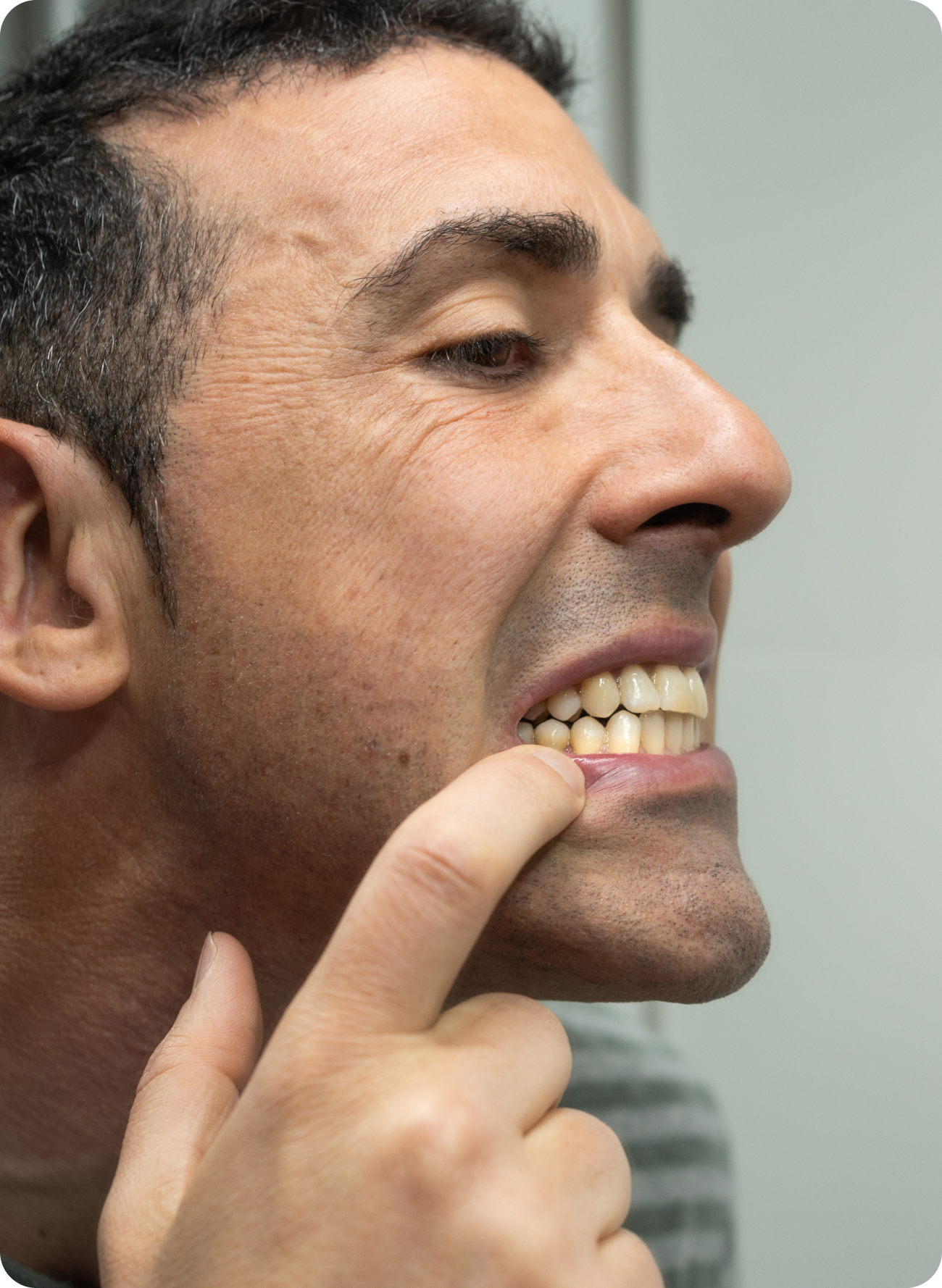
When grinding is the cause, the morning pattern is distinctive: aching jaw muscles, tender teeth, headaches near the temples and a stiff jaw that's hard to open fully.
Dry mouth and tooth sensitivity
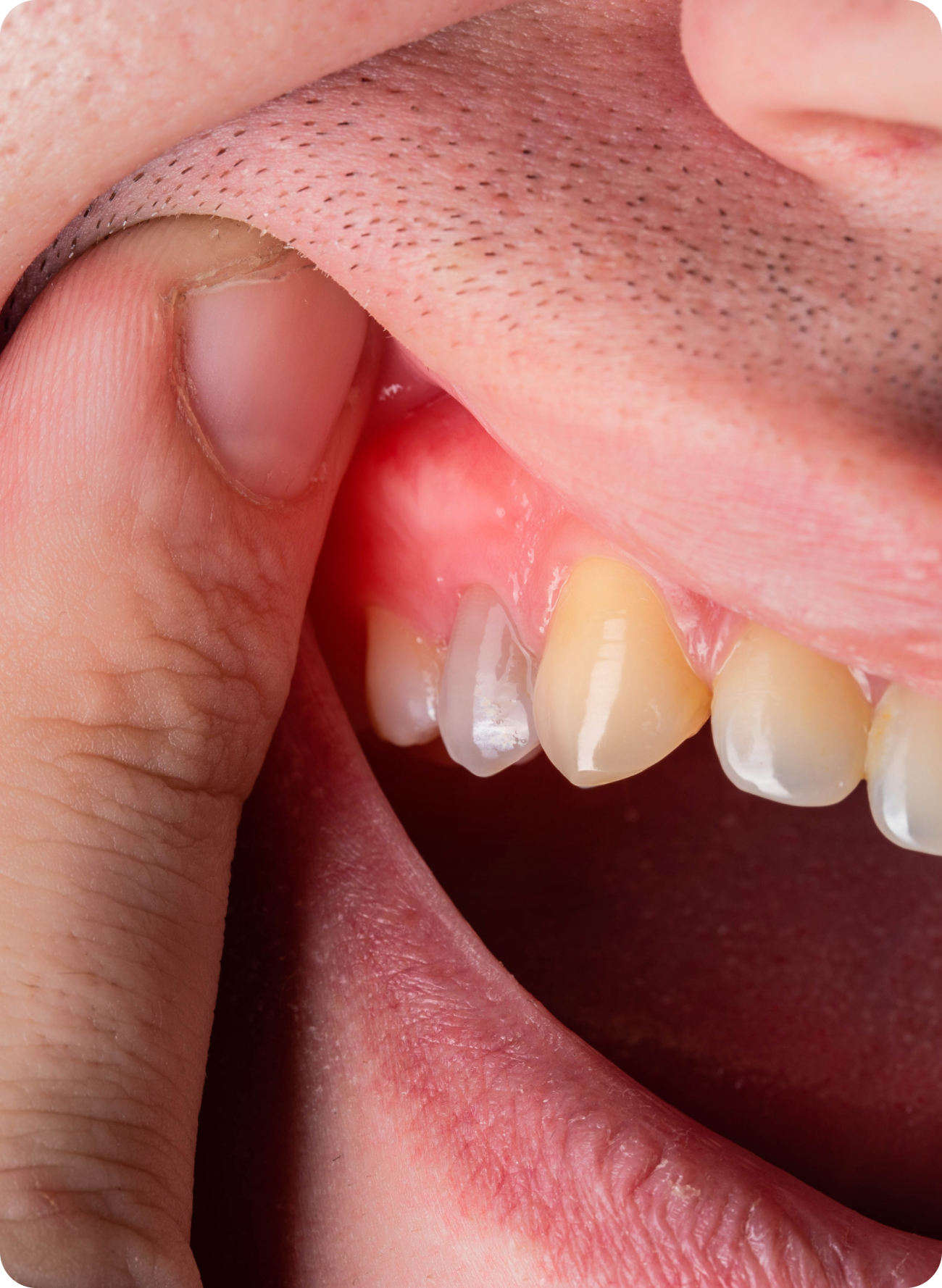
CPAP can contribute to dry mouth, especially if you breathe through your mouth at night or if your mask leaks.¹ Dry mouth means your teeth have less of saliva's natural protection. Ongoing dry mouth can increase the risk of tooth decay and other oral health problems.²
If you regularly wake with a dry mouth, talk with your CPAP care team about mask fit and humidification and let your dental provider know about the change.¹
Is CPAP-related jaw soreness temporary?
It can take time to get used to CPAP therapy, but ongoing pain shouldn't simply be assumed to be part of the adjustment.¹ If you're waking with persistent jaw or tooth soreness, check your mask fit with your CPAP care team and talk with your dental provider about possible dental causes, including bruxism.²˒³
What can help with CPAP-related jaw and tooth soreness
Most of the fixes here are small adjustments, not major changes, and you don't have to stop CPAP therapy to solve them.
Adjust your mask fit
Many cases of CPAP-related jaw and tooth soreness come down to fit. A mask that's too tight puts unnecessary pressure on the face and jaw. A mask that's too loose causes leaks that lead to dry mouth. If a full-face mask is contributing to jaw discomfort, a nasal pillow mask — which makes very little contact with the jaw — is worth exploring with your CPAP provider as an alternative.
Consider a night guard
If bruxism is contributing to your soreness, your dental provider may recommend a custom mouth guard. A custom guard can protect your teeth from grinding, and some designs also help position the jaw in a way that eases muscle tension.³ Talk with both your dental provider and your CPAP care team before adding a night guard so they can make sure your treatments work well together.
When should you see your dental provider?
Most CPAP-related soreness improves on its own. Schedule an appointment with your dental provider if you notice:
Jaw or tooth soreness that doesn't improve after four weeks of CPAP use
Teeth that look flatter, feel more sensitive or appear worn
A jaw that clicks, pops or feels like it catches when you open your mouth
Morning headaches that started with CPAP therapy
If any of these symptoms are showing up, let your dental provider know. They can help determine whether the discomfort is coming from your teeth, your jaw or something related to your CPAP setup.
Can a new CPAP cause morning jaw and tooth soreness? FAQs
If you still have questions about CPAP-related jaw soreness, tooth sensitivity or when to have your symptoms checked, these answers can help.
Can CPAP therapy make TMJ worse?
Jaw discomfort can have several causes, including teeth grinding or clenching. Bruxism can contribute to TMJ problems and jaw pain.³ If jaw discomfort started or changed after you began CPAP therapy, tell both your dental provider and your CPAP care team. They can help determine whether bruxism, mask fit or another issue may be contributing.
Can CPAP-related dry mouth increase my risk of cavities?
Yes. Saliva plays a bigger protective role than many people realize, and less of it means more room for tooth decay to take hold.² If dry mouth is a regular thing for you, mention it at your next dental visit even if nothing feels wrong yet.
Can I wear a night guard and a CPAP at the same time?
Yes, many people use both without issue. The main consideration is fit. A custom night guard is designed to fit your mouth precisely, and a CPAP mask needs its own seal, so one shouldn't compromise the other's comfort or effectiveness.³ Talk with your dental provider and CPAP care team together before adding a night guard, so they can coordinate on sizing and make sure the two devices work well side by side.
Sources
¹Mayo Clinic: “CPAP machines: Tips for avoiding 10 common problems.”
https://www.mayoclinic.org/diseases-conditions/obstructive-sleep-apnea/in-depth/cpap/art-20044164
²Maniaci, Antonino, et al.: “Oral Health Implications of Obstructive Sleep Apnea: A Literature Review.”
https://pmc.ncbi.nlm.nih.gov/articles/PMC11274061/
³Cleveland Clinic: “Bruxism (Teeth Grinding): Symptoms, Causes & Treatment.”
https://my.clevelandclinic.org/health/diseases/10955-teeth-grinding-bruxism