Last updated 08.10.2026
Can an at-home whitening kit burn your gums?
Learn why whitening kits can irritate your gums, what to do if burning occurs and how to help prevent it the next time you whiten.

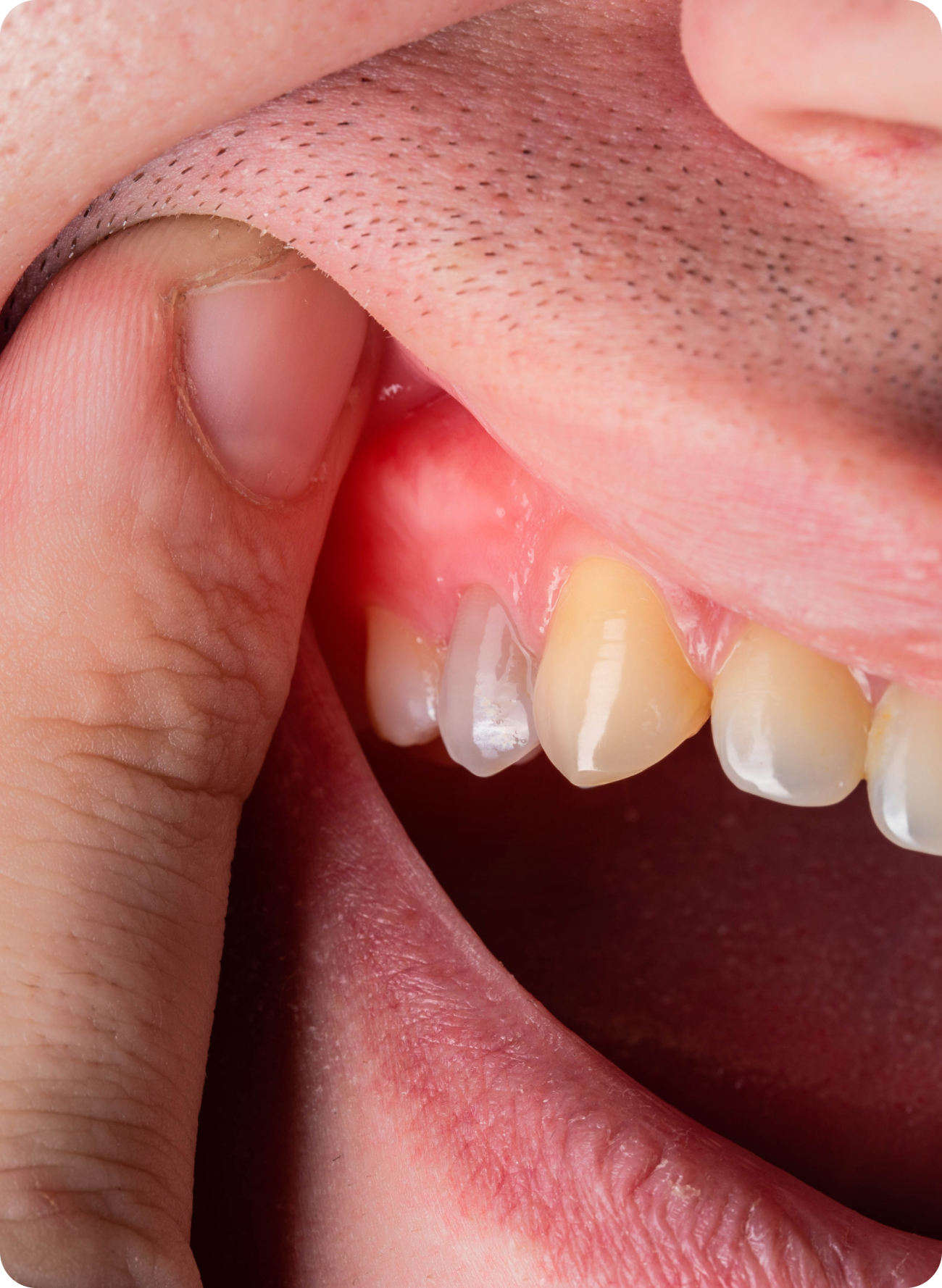
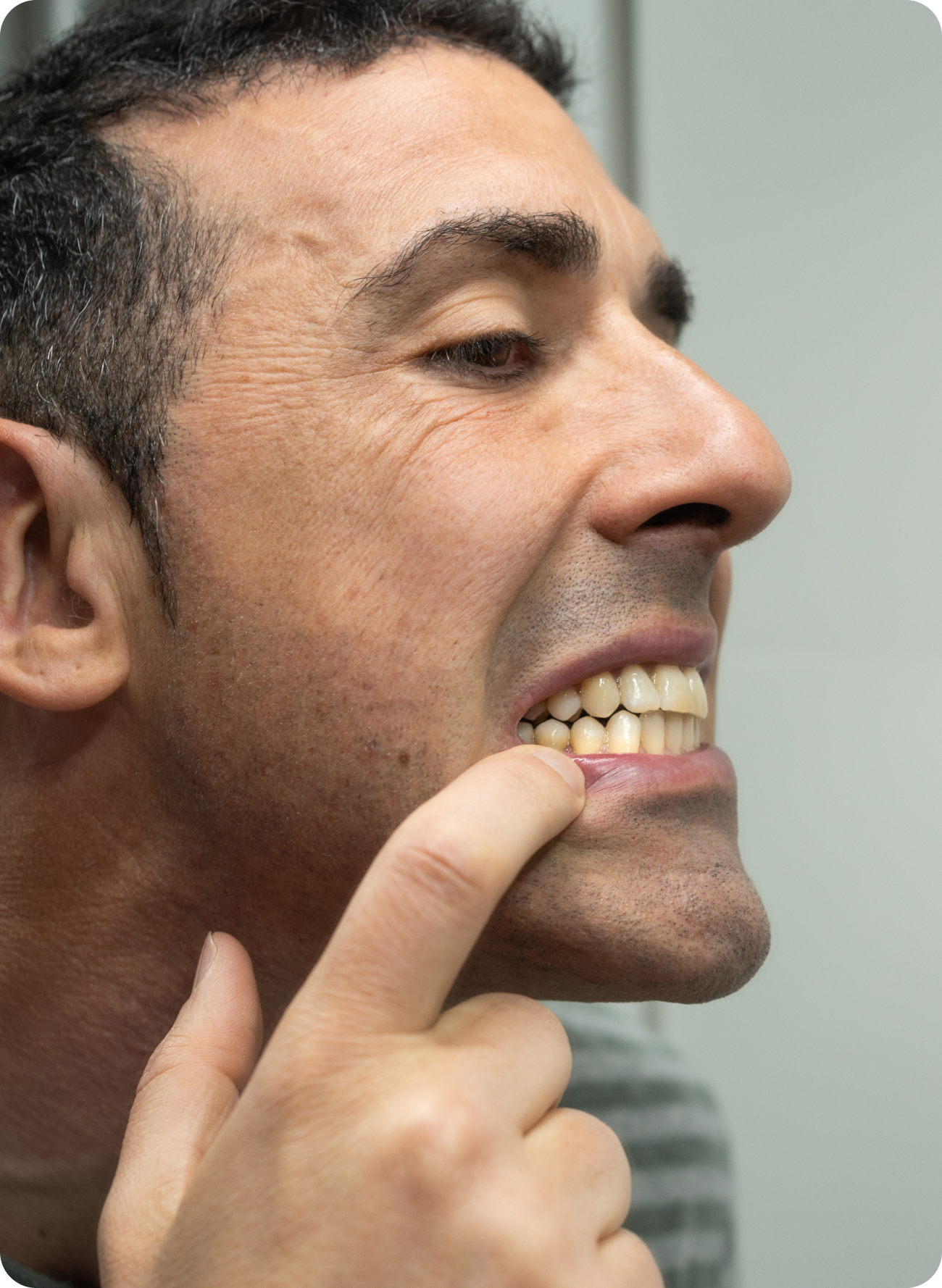
Yes, at-home whitening kits can irritate or burn your gums if the bleaching gel comes into direct contact with the soft tissue. This can cause stinging, soreness or tenderness that may last for a day or two.
In most cases, the irritation is temporary and improves after you stop using the product. Using the right amount of gel and following the directions can also help prevent it from happening again.
What you'll learn in this article:
Gum burning from whitening is caused by gel contacting soft tissue, not by the whitening process itself, so it's largely avoidable
There's an important difference between normal transient irritation and a more significant chemical reaction, and knowing which one you're dealing with matters
Leaving gel on longer than directed doesn't improve results, but it does increase your chance of gum irritation
Most mild cases resolve within one to three days after stopping use
If your gums are still sore, swollen or discolored after a few days, schedule an appointment with your Aspen Dental provider for a personalized evaluation.
Why whitening kits irritate your gums
At-home whitening products usually contain hydrogen peroxide or carbamide peroxide. These bleaching agents help break down stains on your teeth, but they can also irritate your gums if the gel touches them.
According to the American Dental Association, gum irritation is one of the most common side effects of tooth whitening, along with temporary tooth sensitivity.¹ The amount of irritation can be affected by the peroxide concentration and how long the whitening treatment is used.²
Is a burning sensation from whitening normal?
Mild gum irritation can happen with whitening products, especially when peroxide-based gel comes into contact with the gums.¹ Gingival irritation is usually temporary and may last several days.² If you feel burning while whitening, stop using the product and follow its instructions before continuing.
What does a more serious reaction look like?
A more serious reaction usually looks different from ordinary irritation, not just more intense. Watch for white or pale patches on the gum where the gel sat, tissue that looks like it's peeling or lifting, or pain that's sharp rather than just tender. Ordinary irritation, by contrast, tends to be limited to redness and soreness without any change in the tissue's appearance.
These more serious reactions are more likely with higher peroxide concentrations or longer treatment times.² If you notice white patches, peeling or lifting tissue, or pain that doesn't ease within a day, stop whitening and talk with your dental provider before using the product again.
What makes gum irritation more likely?
A few specific habits dramatically increase the odds of irritation.
Does leaving whitening gel on longer make it more effective?
No. Leaving whitening gel on longer than directed can increase irritation without giving you better results. The longer the gel stays in your mouth, the more time it has to contact your gums and other soft tissue. Follow the product's timing instructions and do not leave it on longer than recommended.
Who is more likely to experience gum burning?
People with receding, sensitive or inflamed gums may be more likely to notice irritation from whitening products. Gum recession can expose root surfaces, which do not have the same enamel covering as the visible part of the tooth and can be more sensitive to bleaching agents. A history of gum disease or tooth sensitivity may also make whitening less comfortable.
How to stop gum burning that's already happening
If your gums become irritated while whitening, stop using the product and give the tissue time to recover. That recovery window is normal; don't restart whitening until it's fully passed. Follow the product's instructions, and don't resume whitening while your gums are still irritated. If the symptoms persist or concern you, talk with your dental provider before continuing.
How to prevent gum irritation before it starts
Use less gel than you think you need. Most people overfill their whitening trays. A thin layer is enough. Excess gel is far more likely to spill onto the gumline.
Wipe away any overflow right away. After seating a tray or placing a strip, use a clean finger to remove any gel resting on the gums.
Never go beyond the recommended wear time. The instructions are calibrated to balance effectiveness with safety. More time doesn't mean whiter teeth.
Consider a better-fitting tray. Custom trays, made to fit your exact tooth shape, keep gel where it belongs and significantly reduce how much migrates toward gum tissue. Over-the-counter trays are one-size-fits-most and tend to let gel escape.
When should you see your dental provider?
Schedule an appointment if your gums aren't improving after you stop whitening, or if you have significant swelling, ongoing white patches or irritation that keeps coming back even when you follow the directions. These symptoms may mean your gums need to be checked before you continue whitening.
Your dental provider can assess your gum health, look for other causes of irritation and discuss whitening options that may be gentler on your gums.
Can an at-home whitening kit burn your gums? FAQs
If you still have questions about gum irritation from whitening or when it's safe to whiten again, these answers can help.
Can whitening strips permanently damage your gums?
No, permanent damage is uncommon. Gum irritation from whitening products is usually mild and temporary when the products are used as directed.¹,² For most people, it clears up on its own within that window. If your gums aren't improving after you stop whitening, talk with your dental provider before using the product again.
How long should I wait before whitening again after my gums are irritated?
Wait until your gums have fully healed and any soreness or irritation has cleared before whitening again. If it's taking noticeably longer than a few days, treat that as a sign to check in with your dental provider rather than waiting it out.
Do professional whitening treatments irritate gums less?
Yes, they typically do. Professional whitening treatments include a protective barrier applied to the gums before any bleaching agent is used. This barrier prevents gel from reaching soft tissue, which is why people with sensitive gums often find professional treatments more comfortable than over-the-counter options.
Sources
1American Dental Association: “Whitening” https://www.ada.org/resources/ada-library/oral-health-topics/whitening
2Carey CM — "Tooth Whitening: What We Now Know," Journal of Evidence-Based Dental Practice, PMC National Library of Medicine https://pmc.ncbi.nlm.nih.gov/articles/PMC4058574/