Last updated 07.23.2026
Can a vegan diet cause tooth sensitivity?
Learn how a vegan diet can affect tooth sensitivity, which foods increase your risk and simple ways to help protect your enamel.

Yes, a vegan diet can contribute to tooth sensitivity, but it doesn't have to. The biggest risks are eating acidic foods too often and not getting enough calcium and vitamin D, which help keep your teeth strong. The good news is that with the right food choices and a few simple habits, you can follow a vegan diet and help protect your enamel and prevent tooth sensitivity.
What you'll learn in this article:
Acidic foods common in vegan diets — citrus fruits, kombucha and vinegar-based dressings — can gradually wear away enamel, the hard outer layer that protects your teeth
Insufficient calcium and vitamin D intake can weaken enamel over time, leaving teeth more vulnerable to sensitivity
How often you eat acidic foods matters as much as what you eat: repeated daily exposure is harder on enamel than a single serving
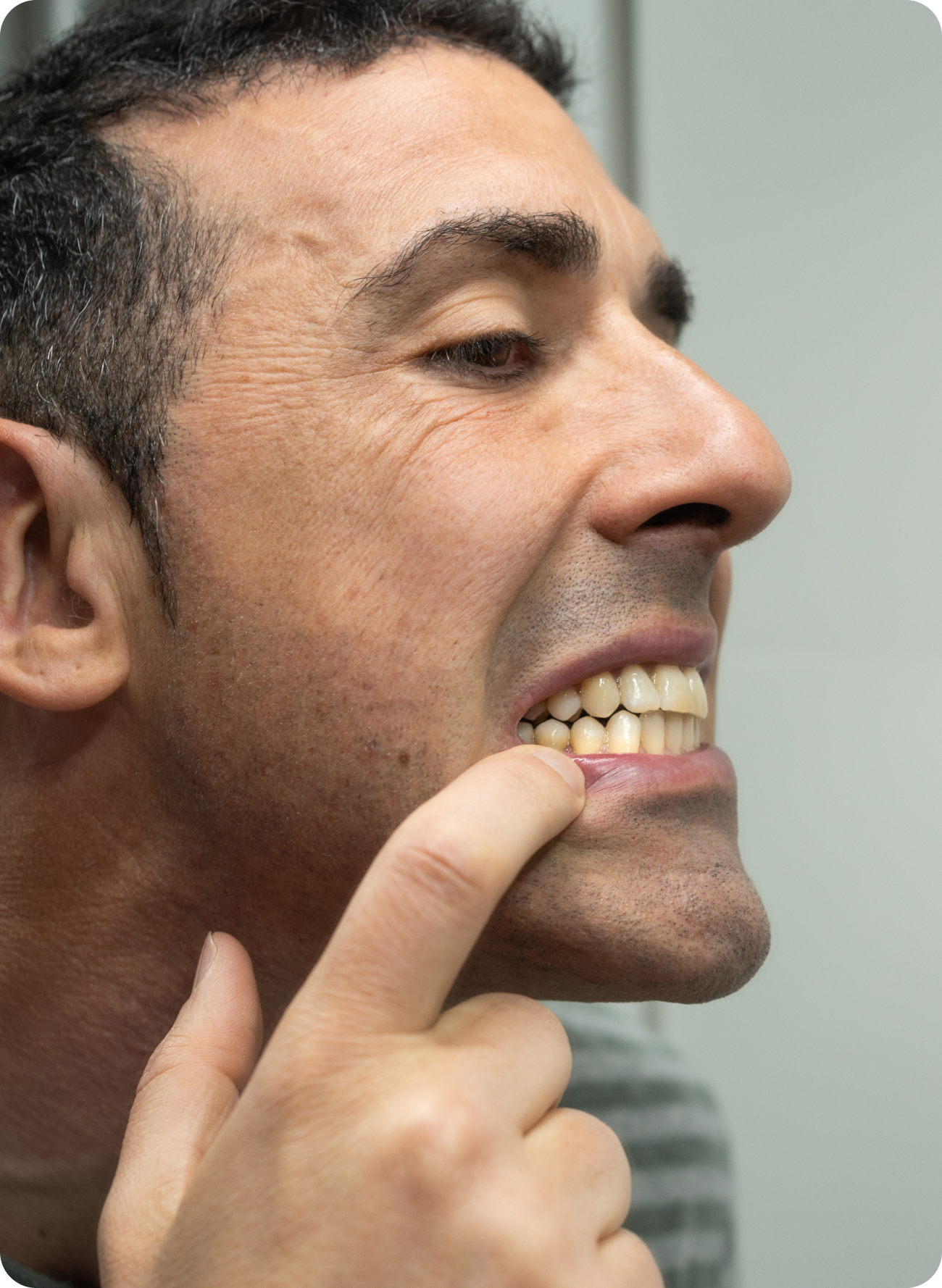
If sensitivity is already bothering you, it rarely goes away on its own and is worth having evaluated
If your teeth have been feeling more sensitive lately, schedule an appointment with an Aspen Dental provider A brief evaluation can identify the cause and help you find real relief.
How enamel erosion leads to sensitivity
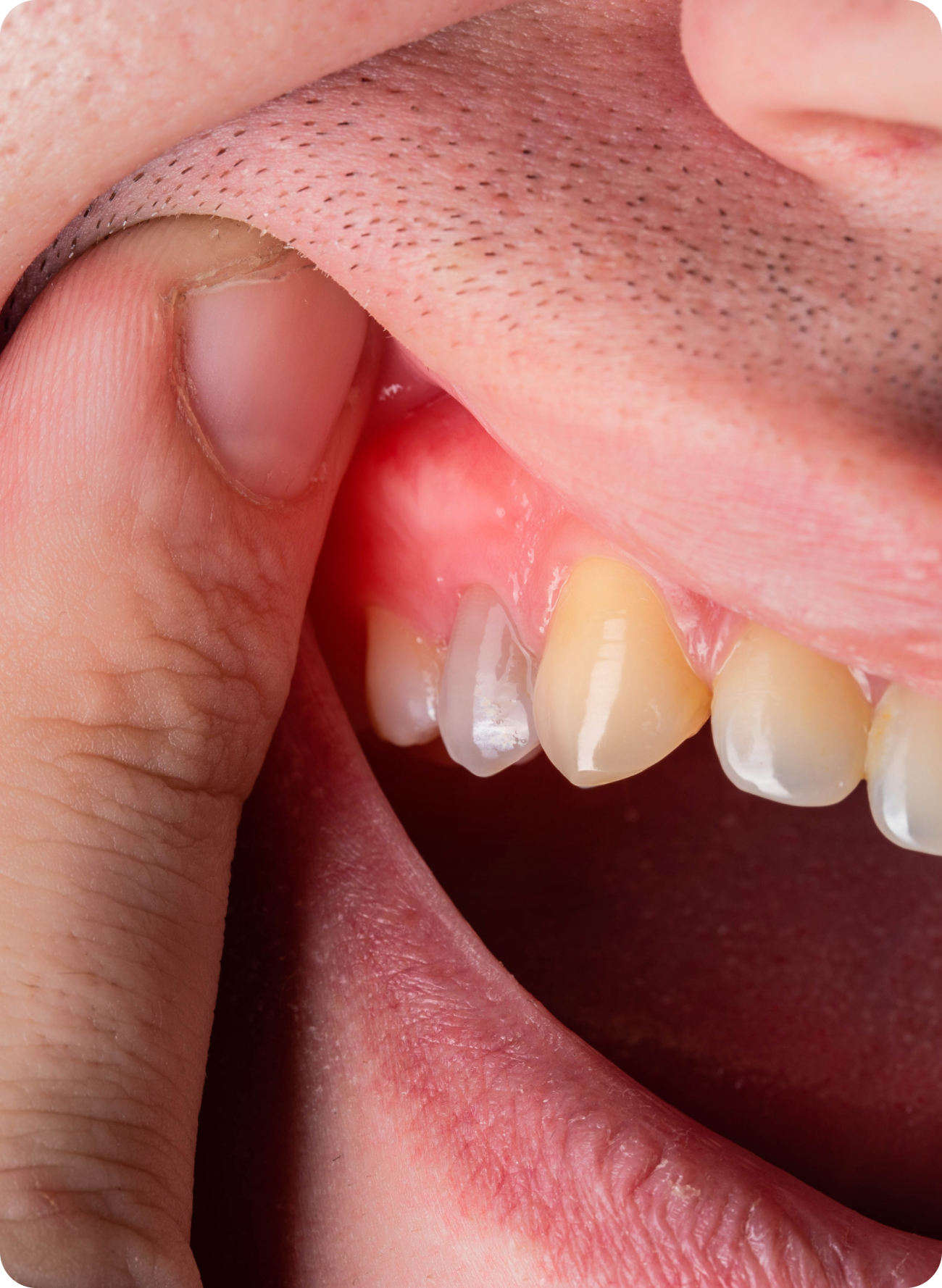
Tooth sensitivity happens when enamel (the hard outer layer of your teeth) wears away and exposes the softer layer underneath, called dentin.1 Dentin contains tiny channels that lead directly to the tooth's nerve. Once they're exposed, everyday things like cold drinks, citrus fruits or sweet foods can trigger a sharp, sudden twinge.
Enamel can't grow back once it's worn away, so protecting the enamel you have is the best way to prevent sensitivity from getting worse.
Does eating a lot of acidic food wear down enamel?
It does. This is the most direct link between a vegan diet and tooth sensitivity. Plant-based diets often include citrus fruits, berries, tomatoes, kombucha, apple cider vinegar and lemon water. All of these are acidic enough to temporarily soften your enamel with each exposure.2
How often your teeth are exposed to acid matters just as much as what you eat. Sipping lemon water throughout the day or snacking on certain types of fruit between meals keeps your teeth in contact with acid for hours. That's much harder on your enamel than eating those same foods with a meal and then rinsing your mouth with water.
Can low calcium or vitamin D affect your tooth enamel?
Calcium and vitamin D both support healthy teeth. Research suggests that getting enough calcium and vitamin D may help support healthy teeth and lower the risk of tooth decay.3 Vegans can get these nutrients from fortified plant milks, calcium-set tofu, leafy greens and supplements when needed.
This doesn't mean tooth sensitivity is unavoidable. It simply means getting enough calcium and vitamin D is an important part of protecting your teeth on a vegan diet.
Vegan diet habits that protect your teeth
A few simple habits can go a long way toward protecting your teeth on a vegan diet.
Establish a post-meal routine: Rinse your mouth with plain water right away to help wash away acid. Then wait at least 30 minutes before brushing. Acid temporarily softens your enamel, and brushing too soon can wear it away faster.
At meals: Eat acidic foods with a meal instead of snacking on them throughout the day. This gives your saliva time to neutralize acid and help protect your enamel between meals.
Get enough calcium: Fortified plant milks, tahini, tofu made with calcium sulfate, edamame, kale, bok choy and almonds are all good sources. Try to include calcium-rich foods throughout the day instead of relying on one large serving.
Get enough vitamin D: Many people—vegan or not—don't get enough vitamin D, especially if they have limited sun exposure. A daily supplement can help your body absorb calcium more effectively.
Choose acidic drinks wisely: If you regularly drink kombucha, sparkling citrus water or other acidic beverages, use a straw when you can. It helps reduce how much of the drink comes in contact with your teeth.
Bottom line: A few simple changes to your diet and daily routine can help protect your enamel and reduce tooth sensitivity.
When sensitivity is a reason to schedule an appointment
Brief, occasional sensitivity to cold doesn't always need treatment. But certain patterns are worth discussing with your dental provider.
Schedule an appointment if:
Sensitivity is sharp, frequent or getting worse
You're feeling it with warm foods or sweet things, not just cold
The sensation lingers for more than a few seconds after the trigger is gone
Sensitivity is affecting which foods you feel comfortable eating
Persistent sensitivity can point to more than mild enamel wear. A cavity, a cracked tooth or significant gum recession can all produce similar symptoms and won't improve without care. Your dental provider can evaluate it and recommend the right next step, whether that's a desensitizing treatment, dietary guidance or something more involved.
Can a vegan diet cause tooth sensitivity? FAQs
If you still have questions about how a vegan diet affects your teeth, here are answers to the most frequently asked questions.
Is the sensitivity permanent if my diet caused it?
Enamel that has already worn away can't grow back. But the sensitivity it causes can often be managed. Desensitizing toothpaste, fluoride treatments and simple changes to your diet and brushing habits can all help. A dental provider can evaluate your teeth, determine how much enamel has been lost and recommend the best treatment for you. and recommend the best treatment for you.
Does brushing more often help with diet-related sensitivity?
Not necessarily — and for sensitive teeth, brushing more frequently can do more harm than good. What matters more is brushing correctly twice a day with a soft-bristled toothbrush and gentle pressure, rather than adding extra sessions after every meal.
Timing plays a secondary role worth knowing: after eating or drinking something acidic, your enamel is temporarily softer, so waiting before you brush protects it. Rinsing with water right away is the better immediate step.
If sensitivity is a persistent concern, a dental provider can evaluate what's driving it and recommend the right approach for your enamel.
Can desensitizing toothpaste help if my diet is the cause?
Yes. Toothpaste made for sensitive teeth often contains potassium nitrate or stannous fluoride. These ingredients help block the tiny channels in exposed dentin that send sensation to the nerve. They won't rebuild lost enamel, but they can make your teeth much more comfortable while you address the habits that are contributing to the sensitivity.
Sources
1Cleveland Clinic. "Sensitive Teeth: Causes, Treatment & Prevention." https://my.clevelandclinic.org/health/symptoms/10954-teeth-sensitivity
2Cleveland Clinic. "Tooth Erosion: Stages, Causes & Treatment." https://my.clevelandclinic.org/health/diseases/tooth-erosion
3National Institutes of Health, National Library of Medicine. "The Potential Systemic Role of Diet in Dental Caries Development." https://pmc.ncbi.nlm.nih.gov/articles/PMC11124059/