Last updated 07.22.2026
Can a tooth infection make you feel tired all the time?
Learn why a tooth infection can cause ongoing fatigue, which warning signs need urgent care and how treatment helps you recover.

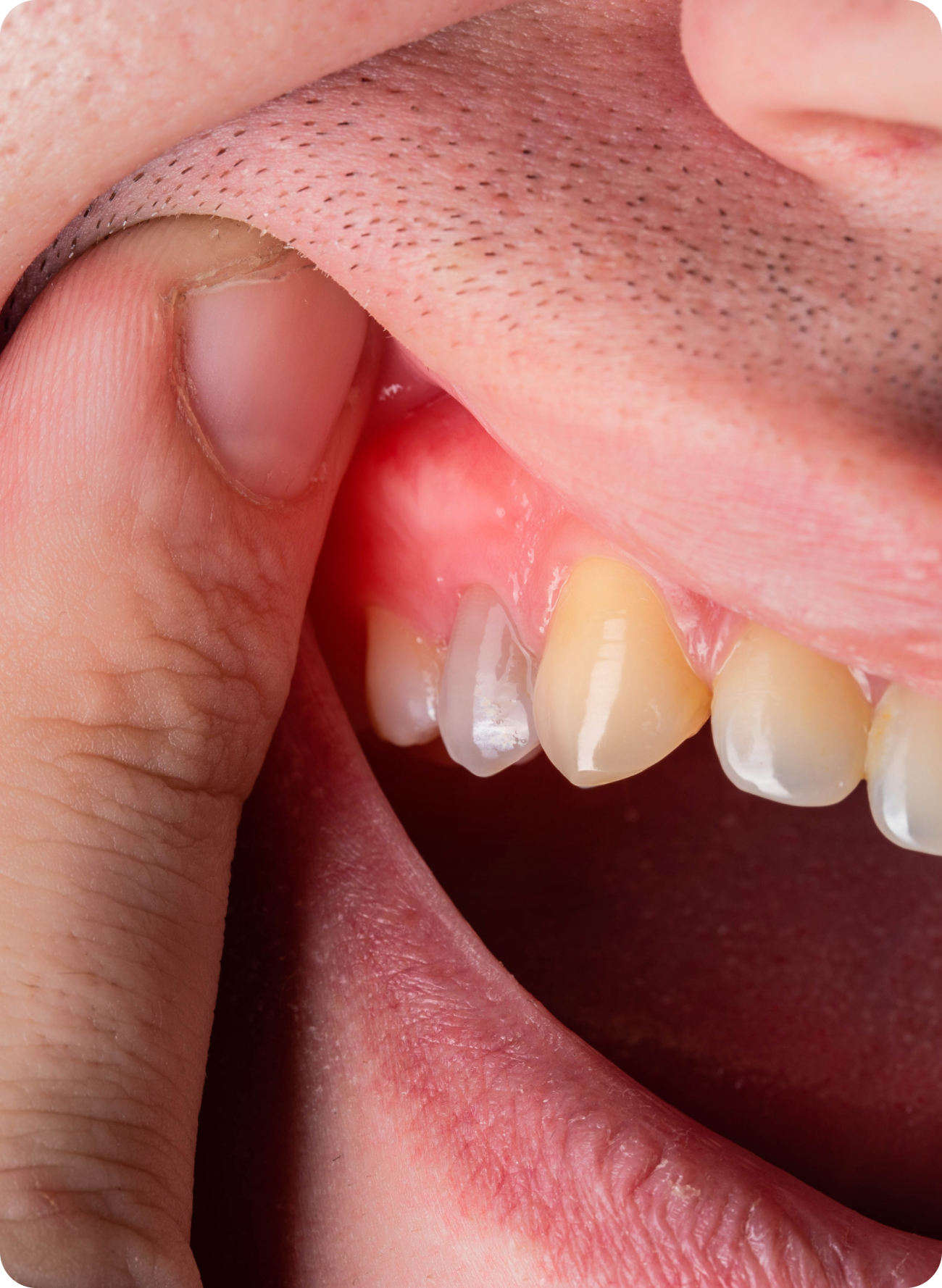
Yes, a tooth infection can make you feel tired all the time. Many people are surprised to learn that a dental problem is behind their fatigue. When bacteria infect the tissue inside or around a tooth, your body uses energy to fight the infection. That immune response also causes inflammation, which can leave you feeling drained even if your tooth doesn't hurt much. Treating the infection relieves the fatigue along with the other symptoms.
What you'll learn in this article:
A tooth infection causes fatigue because your immune system uses substantial energy fighting bacteria, often leaving you exhausted even when the toothache feels mild or comes and goes
Some infections cause little or no obvious tooth discomfort, making unexplained tiredness one of the few early warning signs that something is wrong
Fatigue combined with high fever, spreading facial swelling or difficulty swallowing is a medical emergency that requires immediate care — not a dental appointment
Treating the infection is the only reliable way to end infection-related exhaustion; it won't resolve on its own
Persistent fatigue isn't always caused by poor sleep or stress. If it's happening alongside tooth discomfort, swelling or a bad taste in your mouth, schedule an appointment with your dental provider — they can evaluate the problem before it becomes more serious.
Why a tooth infection drains your energy
A tooth infection can make you feel tired because your body is working hard to fight it—not just because tooth discomfort may be keeping you awake. When bacteria infect the pulp (the soft center of the tooth that contains nerves and blood vessels) your immune system releases proteins called cytokines. These proteins help fight the infection, but they can also cause fatigue, a low-grade fever and a general feeling of being unwell that can feel like the start of the flu.
Your body is also sending more energy and nutrients to fight the infection. That leaves less energy for everything else, which is why many people feel run down even when the tooth doesn't hurt very much.
Does disrupted sleep make the tiredness worse?
It often does, and the two feed each other in a difficult cycle. Dental infections frequently cause throbbing or aching that intensifies at night, because lying down increases blood pressure in the head and puts additional pressure on the affected tooth. Many people sleep poorly for days or weeks without connecting the tooth to their exhaustion, writing it off as stress long before they realize a dental infection is the real cause.
Other symptoms that often accompany the fatigue
Infection-related tiredness rarely appears alone. Alongside the exhaustion, you may also notice:
A low-grade fever, which is your body's way of making conditions less favorable for bacteria
Headaches, often caused by referred sensation or sinus pressure near infected upper teeth
Tender, swollen lymph nodes in the neck or jaw
Reduced appetite and difficulty concentrating
A general sense of being unwell, similar to a mild cold
When several of these symptoms appear together — particularly alongside tooth tenderness, throbbing or visible swelling — a dental infection is a strong possibility worth evaluating promptly.
When tiredness becomes a medical emergency
Most fatigue from a tooth infection is uncomfortable but not immediately life-threatening. When an infection spreads beyond the tooth, however, exhaustion can become one sign of something far more serious.
What symptoms mean I should go to the emergency room?
Go to the nearest emergency room or call 911 immediately if fatigue is accompanied by:
Fever above 101°F
Facial swelling that is spreading toward the eye, neck or throat
Difficulty swallowing or breathing
Confusion or trouble staying alert
A rapid heart rate at rest
These can be signs of sepsis — a life-threatening response to spreading infection — or an abscess that is enlarging toward the airway. According to the Mayo Clinic, leaving a tooth abscess untreated can lead to serious, even life-threatening complications.1 Do not wait for a scheduled dental appointment if these symptoms develop.
Treatment is the only thing that relieves the fatigue
Rest and over-the-counter options can temporarily ease some discomfort, but they won't clear the infection. According to the Cleveland Clinic, a tooth abscess won't heal on its own and requires treatment from a dental provider.2
Depending on the location and severity of the infection, your dental provider may recommend:
Root canal treatment to remove infected pulp tissue while preserving the tooth
Antibiotics to help control the bacterial infection, typically used alongside (not instead of) treating the tooth itself
Tooth extraction when the infection is too advanced to save the tooth
Abscess drainage to relieve pressure and remove accumulated pus
Most patients notice a meaningful improvement in energy within a few days of beginning treatment. More advanced infections may take one to two weeks to fully resolve as inflammation subsides, but recovery typically begins quickly once the source of infection is treated.
Schedule an appointment with an Aspen Dental provider to get an evaluation and start feeling like yourself again.
Can a tooth infection make you feel tired all the time? FAQs
If you're still wondering whether a tooth infection could be causing your fatigue, these answers address some of the most common questions.
Can a tooth infection cause fatigue without obvious tooth symptoms?
Yes, and this is one reason tooth infections can go unnoticed for weeks. Not every infection causes severe tooth discomfort. Some develop slowly and cause only mild sensitivity or soreness that's easy to ignore. In those cases, unexplained tiredness, frequent headaches or a constant feeling of being run down may be some of the earliest signs.
Can antibiotics alone clear a tooth infection?
No, antibiotics can reduce bacteria and temporarily ease some symptoms, but they cannot remove infected tissue or drain an abscess. Without treating the source — typically through a root canal, extraction or drainage — the infection will likely return once the antibiotic course ends. Your dental provider may prescribe antibiotics as part of your treatment plan, but they work alongside the procedure, not instead of it.
How long after treatment will I stop feeling tired?
Most people notice their energy improving within a few days of starting treatment, once the infection is under control. Full recovery can take one to two weeks if the infection was more advanced, since inflammation takes time to fully subside. If your fatigue doesn't improve within a week of treatment, or if it gets worse, let your dental provider know.
Sources
1Mayo Clinic. Tooth abscess — Symptoms & causes. https://www.mayoclinic.org/diseases-conditions/tooth-abscess/symptoms-causes/syc-20350901
2Cleveland Clinic. Abscessed tooth. https://my.clevelandclinic.org/health/diseases/10943-abscessed-tooth