Last updated 07.09.2026
Can a temporary filling trap an infection in your tooth?
Learn how OTC temporary fillings work, when they may worsen an existing infection and when to seek professional dental care.

Yes, an over-the-counter temporary filling can trap an existing infection in your tooth. These kits seal the outer surface of a damaged tooth, but they cannot eliminate bacteria already active inside it. If infection is sealed in, it can continue to spread — and worsen.
What you'll learn in this article:
OTC temporary fillings can trap infection inside the tooth, letting bacteria spread rather than treating the problem.
Discomfort, swelling, a bad taste or worsening pain after placing a temporary filling are signs to contact a dental provider — not reach for an OTC kit.
Temporary filling kits are only appropriate for short-term protection with no signs of active infection, such as a lost filling or minor chip with mild sensitivity.
A dental abscess will not heal on its own — delaying professional treatment risks the infection spreading and requiring more extensive care.
If you're already experiencing throbbing, swelling, or a bad taste, schedule an appointment with your nearest Aspen Dental provider before applying an OTC kit.
What a temporary filling actually does — and doesn't do
Over-the-counter temporary filling kits, such as Dentemp, are designed for short-term protection until you can see a dental provider. Most contain zinc oxide-based materials that harden over the damaged area, helping cover exposed tooth structure and reduce sensitivity. Unlike permanent dental fillings, these materials don't bond chemically to tooth structure — which is one reason even a properly placed OTC kit may not provide a complete seal.
A temporary filling can:
Cover a chipped, cracked or broken tooth surface
Reduce sensitivity to hot and cold temperatures
Help keep food and debris out of the damaged area
A temporary filling cannot:
Remove decay
Kill bacteria
Treat an infection
Repair damage inside the tooth
A temporary filling can also mask symptoms. When covering the tooth reduces sensitivity or discomfort, it can create the impression that the situation has stabilized. In reality, the underlying issue — whether that's decay, nerve involvement, or infection — may be advancing beneath the surface. This is why improvement in symptoms after applying an OTC kit is not a reliable signal that the tooth is healing.
Why does sealing a tooth trap infection?
Inside a damaged or decayed tooth, bacteria may already be active — especially if decay has reached the pulp, which is the soft inner layer containing the nerve and blood vessels.
When you apply an OTC filling over that tooth, you're placing a seal over the opening. Bacteria that were already present now have a closed, warm environment with no way out. They continue to multiply.
Over time, this can lead to:
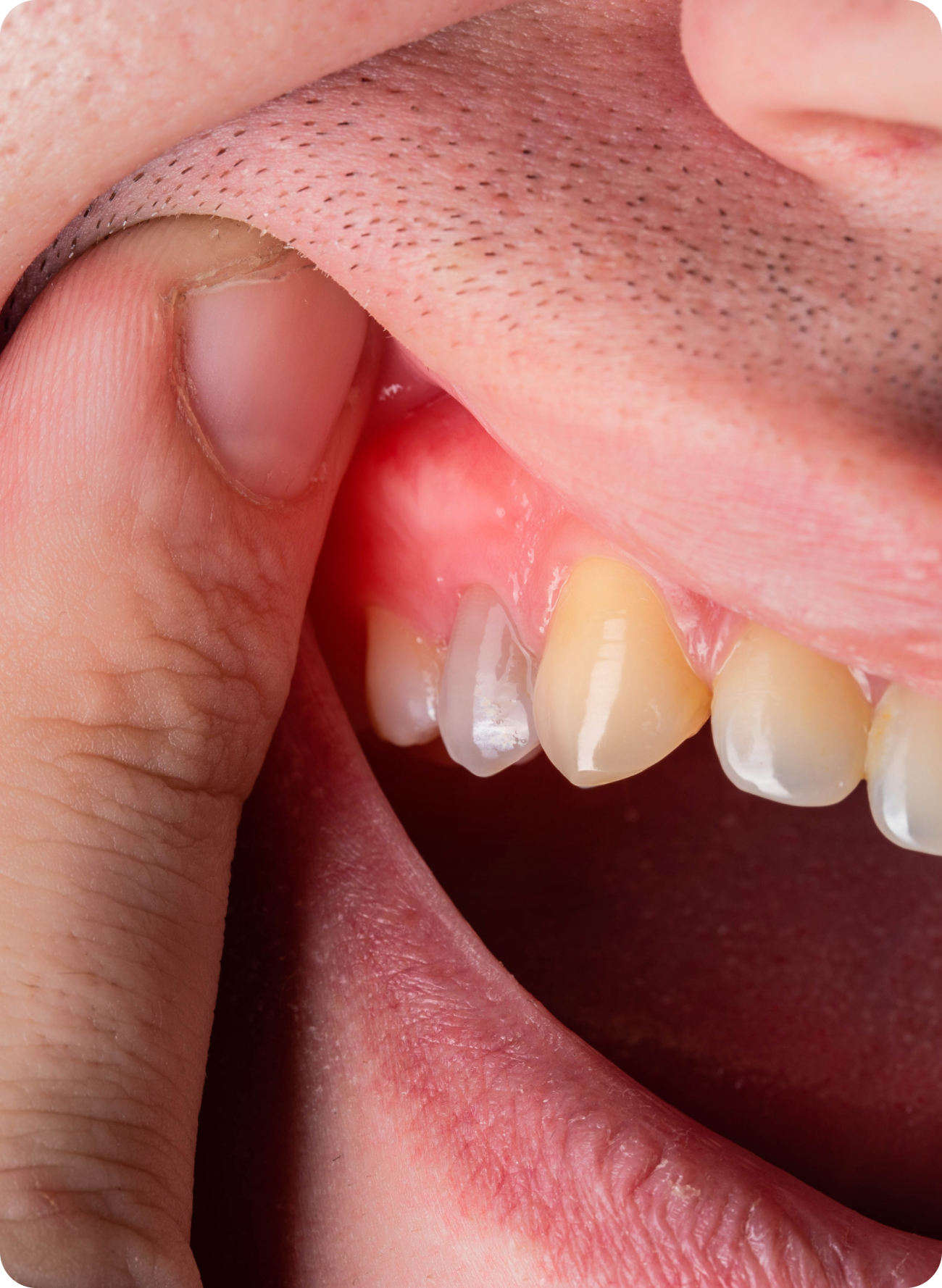
A dental abscess — a pocket of pus that forms at the root tip or in the surrounding gum tissue
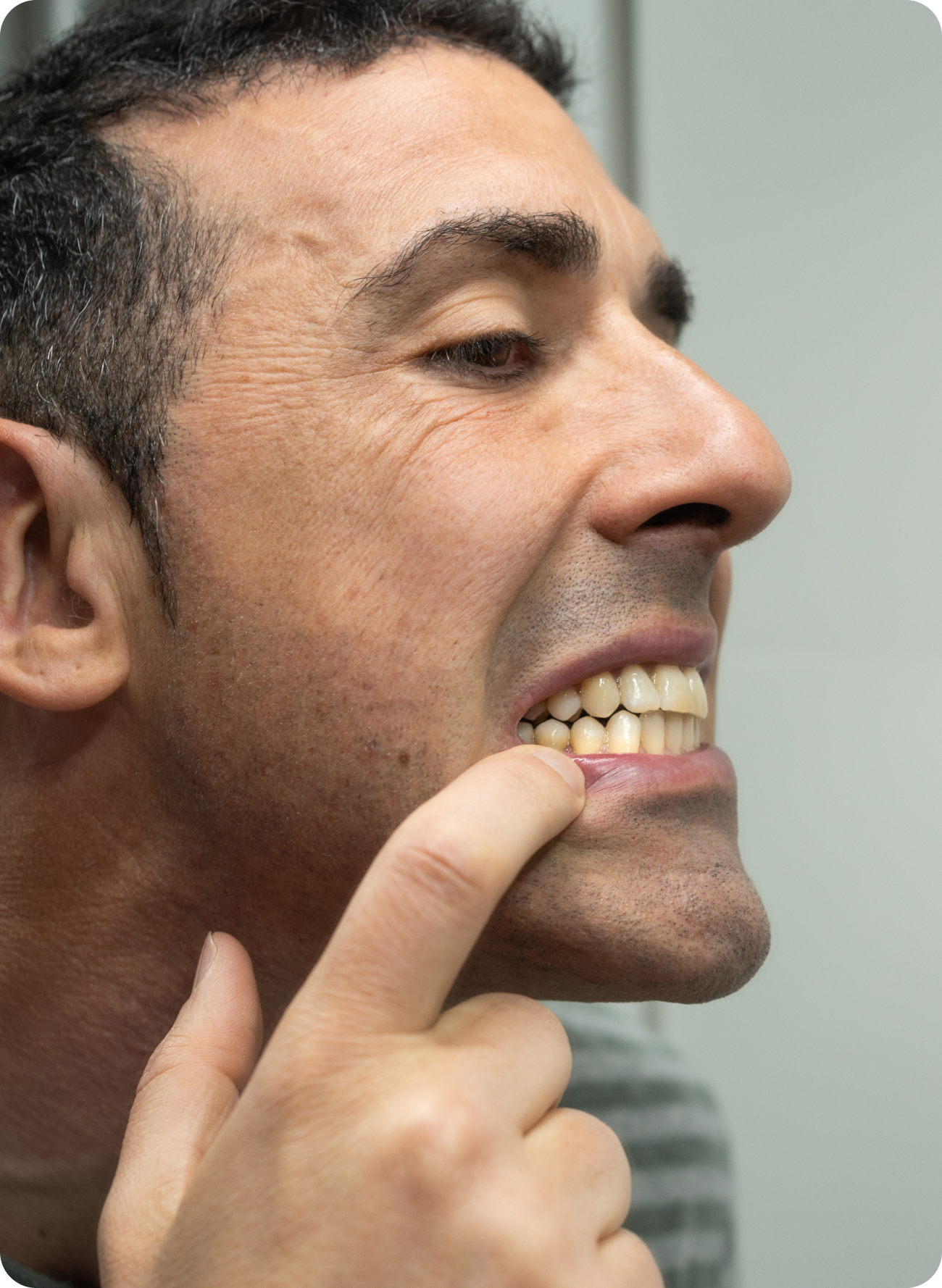
Increasing throbbing or aching that no longer responds to over-the-counter relief
Swelling in the jaw or cheek
Pressure that intensifies rather than eases
This is why OTC kits include instructions to see a provider as soon as possible. They are not a treatment. They are a temporary bridge.
According to the American Dental Association, an estimated 2 million Americans visit emergency departments for dental pain each year — most for conditions that could have been addressed earlier with professional dental care.1
How can I tell if an infection is already there?
Before applying any OTC temporary filling, look for these signs of active infection:
Throbbing or aching that occurs on its own — not only when eating or drinking
Swelling in the gum, cheek, or jaw
A persistent bad or bitter taste — which can indicate pus draining from the area
Sensitivity to heat that lingers after the source is removed
A small, raised bump on the gum near the affected tooth
Fever, even a mild one
Any of these symptoms indicate that an infection may already be present. In that case, an OTC kit is not the appropriate first step. The tooth needs professional evaluation rather than a temporary at-home fix.
Is a temporary filling ever safe to use?
Yes, when there are no signs of active infection, a temporary filling can be a reasonable short-term measure. If a filling has fallen out or a tooth has chipped and the area is only mildly sensitive, an OTC kit can protect exposed dentin and reduce sensitivity until you're seen.
The American Association of Endodontists advises that any tooth with severe sensitivity, pain that starts on its own or swelling should be evaluated promptly, as these symptoms suggest the inner tissue may be involved.2
Even without infection, OTC materials are designed to last only a few days to a few weeks. The longer a tooth goes without proper restoration, the greater the risk of additional damage or decay advancing deeper.
What should I do if my temporary filling makes the pain worse?
Contact your dental provider. Worsening discomfort usually means the underlying problem is continuing to progress. If bacteria have reached the inner tooth, symptoms will likely keep worsening regardless of what's placed on top. The sooner you're seen, the more treatment options are available.
When to see your dental provider
If you notice any of the symptoms described above — or if discomfort, pressure, or swelling develops or worsens after applying a temporary filling — that is your signal to be seen.
Your provider can take X-rays to determine whether infection has reached the surrounding bone, assess the extent of decay, and recommend the appropriate treatment — whether that's a root canal to address infected tissue, a permanent filling, or another restorative option. When caught early, dental infections are highly treatable. Waiting allows them to advance. Schedule an appointment with your nearest Aspen Dental provider to have the tooth properly evaluated.
Can an OTC filling trap an infection in your tooth? FAQs
Can I use a temporary filling while waiting for a root canal?
In most cases, no. If a dental provider has determined you need a root canal, the inner tissue of the tooth is already affected by infection, inflammation, or nerve damage. An over-the-counter temporary filling cannot treat those underlying issues. If a temporary filling placed by your provider comes loose before your root canal appointment, contact the office for guidance rather than replacing it with an OTC product at home. Your dental provider can recommend the safest next steps based on your specific situation.
How long is it safe to leave a temporary filling in?
Most OTC materials are intended to hold for a few days to a few weeks at most. Over time, microleakage can occur — meaning bacteria seep back in around the edges of the filling — which can accelerate decay and deepen existing damage. Leaving a temporary filling in place for months significantly increases the risk of more extensive treatment being needed.
Will a temporary filling prevent bacteria from entering the tooth?
Not fully. A temporary filling can block new debris from entering the opening, but it is not a sterile seal. Bacteria already inside the tooth can continue multiplying— and bacteria can work around the filling'sedges over time. If infection is already present, sealing the tooth can make symptoms worse, not better.
Will a dental abscess go away on its own?
No. A dental abscess does not resolve without treatment. The discomfort may temporarily feel less severe if the abscess drains on its own, but the underlying infection remains. Without professional care, the infection can return, spread or become significantly more serious. Antibiotics can help manage the spread, but the source of the infection — the affected tooth — still requires treatment.
Sources
1American Dental Association — Emergency Department Referrals page https://www.ada.org/resources/community-initiatives/action-for-dental-health/emergency-department-referrals
2American Association of Endodontists — Abscessed Teeth: https://www.aae.org/patients/dental-symptoms/abscessed-teeth/