Last updated 07.22.2026
Are temporary tooth repair kits safe? What dental providers say about DIY fixes
Learn when a temporary tooth repair kit can help, when it can make a problem worse and why prompt dental care is still important.

Temporary tooth repair kits are generally safe for short-term use, but they're only meant to protect your tooth until you can see a dental provider. They can cover a lost filling, hold a loose crown or protect an exposed tooth for a day or two while you arrange an appointment. They don't fix the underlying problem, and in some cases, they can hide a more serious issue that still needs professional treatment.
What you'll learn in this article:
Most over-the-counter repair kits use materials similar to those used in a provider's office, but they're intended to last days, not weeks, and the longer you wait, the greater the risk to your tooth
A kit can reduce immediate sensitivity and cover an exposed tooth surface, but it cannot treat decay, structural damage or infection underneath
Used in the wrong situation, a temporary repair can mask symptoms that signal a developing infection
Swelling, fever, difficulty swallowing or spreading soreness in your jaw or face means you need emergency care right away, not a repair kit
If you're managing a lost filling, loose crown or cracked tooth, schedule an appointment with an Aspen Dental provider for a full evaluation.
What is a temporary tooth repair kit?
Temporary tooth repair kits are over-the-counter products that let you protect or stabilize a damaged tooth at home. Most include a paste or putty that fills the space left by a lost filling or covers a chipped tooth. Some kits also include adhesive to hold a loose crown in place until you can see a dental provider.
Most kits contain zinc oxide, sometimes mixed with eugenol, a compound made from clove oil. These ingredients are similar to materials dental providers use for temporary repairs. Other kits use small thermoplastic beads that soften in warm water and harden as they cool. Both types are meant to last only a few days (not weeks or months).
Is it safe to use a temporary tooth repair kit?
For most people, yes — for a very short period. These products are available without a prescription and are widely sold in pharmacies, and when applied correctly to a straightforward situation, they can provide real relief while you arrange care. The problem isn't usually the kit itself. It's what happens next.
What happens to your tooth while the kit is in place?
The material sits on top of whatever is happening inside the tooth. If there's decay underneath, it continues to advance. If there's early infection, it can develop further. Unlike a professional filling, an at-home kit does not remove the damaged or decayed tissue first. Leaving diseased tissue behind can allow the cavity to grow larger.1
Your dental provider needs to evaluate what's actually going on — and the sooner you are able to see them, the more options remain available to save the tooth.
Is anyone at higher risk from these materials?
People with a known sensitivity or allergy to eugenol should avoid products containing it. Eugenol (the clove-oil derivative in many kits) can irritate soft tissue or trigger an allergic response in some individuals. Check the ingredient list before use. Many eugenol-free options are available.
What makes temporary repair kits genuinely risky
The primary concern providers have with repair kits isn't the materials; it's delayed care.
Used for 24 to 48 hours, a kit is a reasonable stopgap. Used for weeks because an appointment keeps getting postponed, the same kit becomes part of the problem. A straightforward lost filling can quietly progress into deep decay, an infected root or a tooth that can no longer be saved — all developing beneath a thin layer of temporary paste.
Can a temporary kit mask a serious infection?
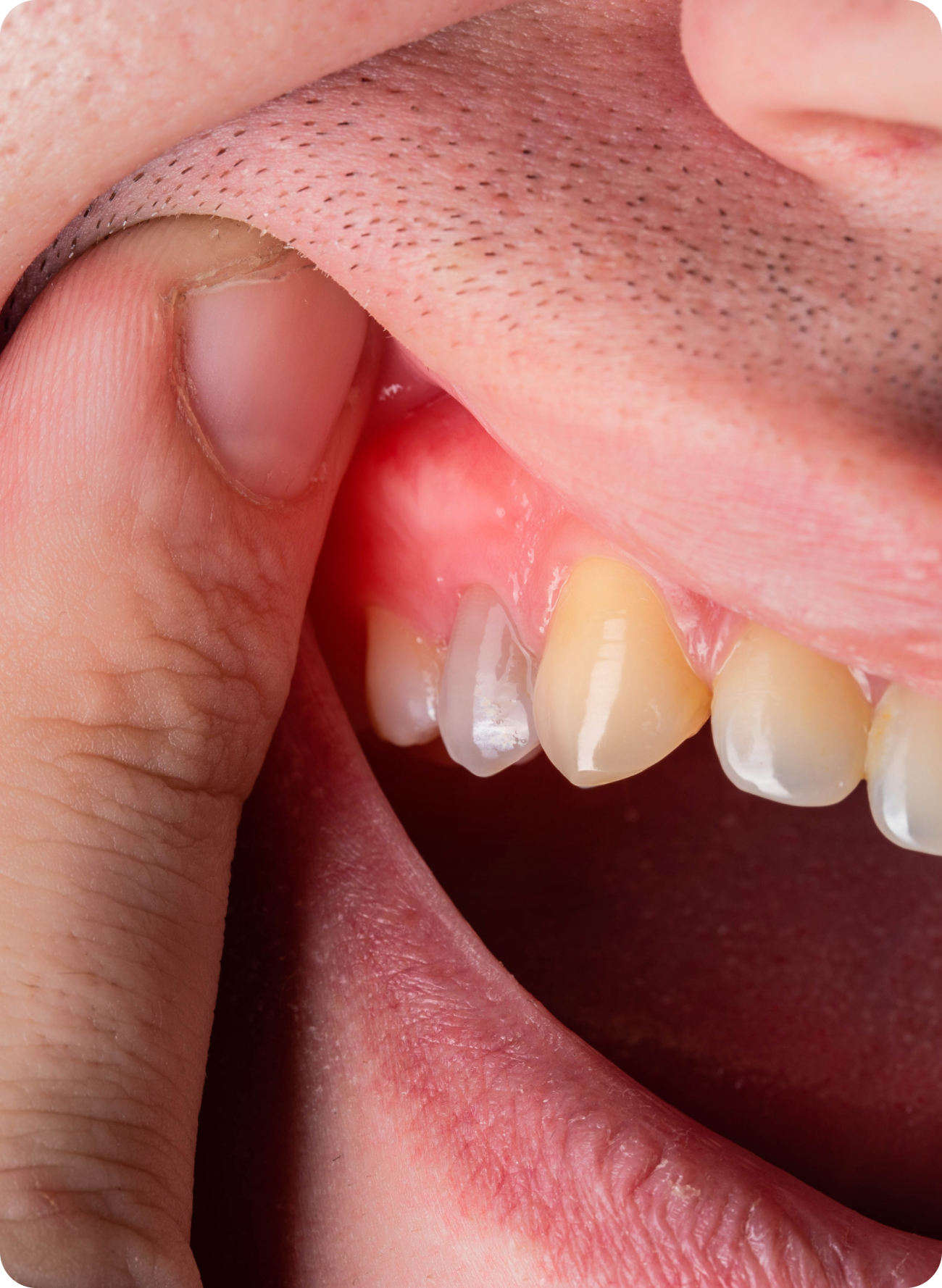
Yes, and this is the biggest risk to understand. A repair kit can reduce sensitivity and cover an exposed tooth, making the problem seem less serious. But it's not intended to and can't treat an infection. A dental abscess—a bacterial infection at the root of a tooth—can continue to develop and spread even if the tooth is covered. Left untreated, the infection can spread to nearby tissues, the jaw and other parts of the body.² If you have swelling in your face or jaw, a fever, trouble swallowing, difficulty opening your mouth or a persistent bad taste, don't use a repair kit. These can be signs of a serious infection that needs immediate emergency care.
When a kit is reasonable — and when it isn't
A temporary repair kit is reasonable when:
A filling has fallen out and you're managing sensitivity while an appointment is already scheduled
A crown has come loose and you need to protect the tooth overnight before you can be seen
A chip has left a rough edge that's irritating your tongue or cheek
A kit is not appropriate when:
There is any visible swelling in your gum, jaw or face
You have a fever or feel unwell
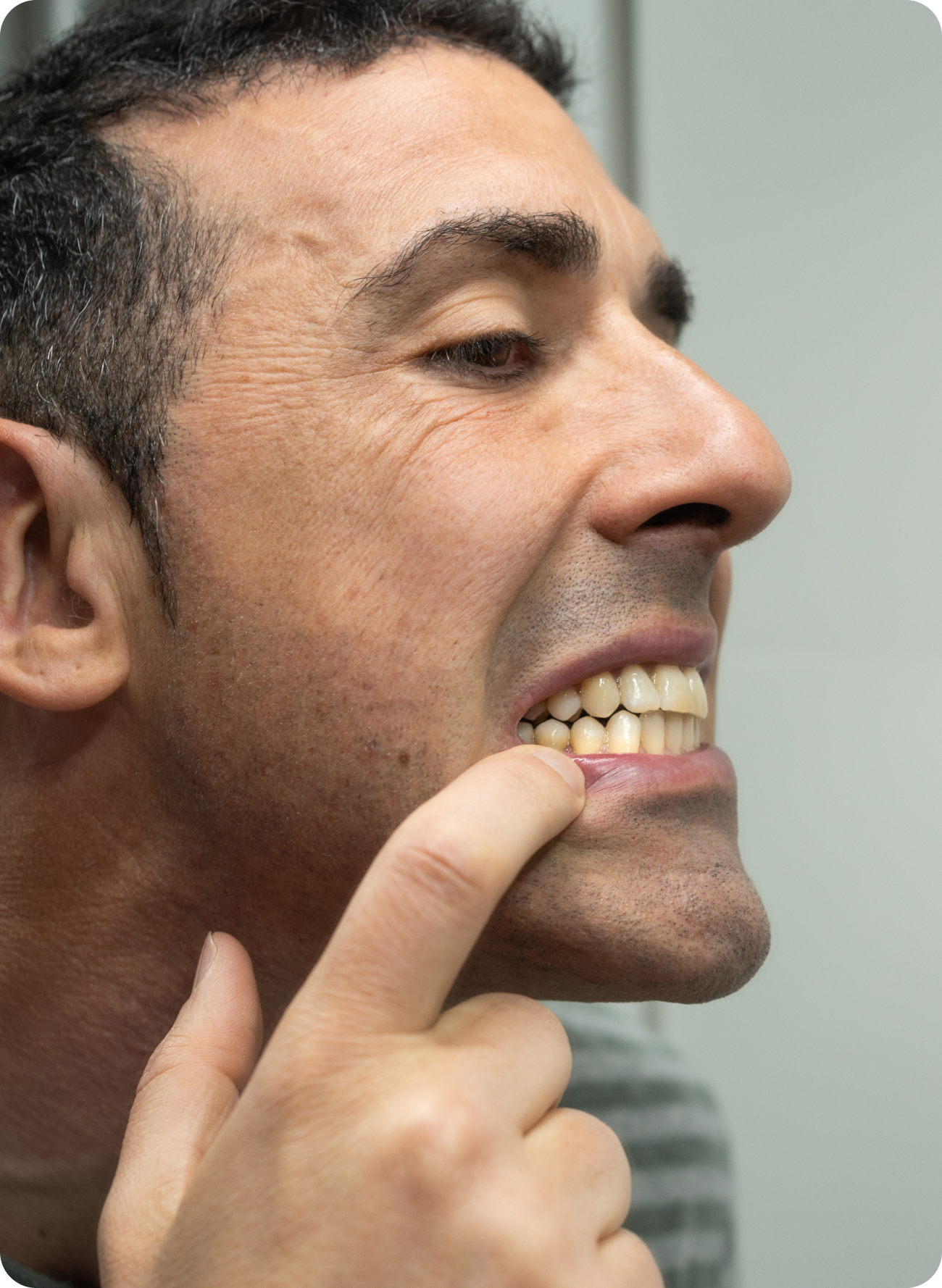
The tooth or surrounding area is throbbing without obvious cause
A tooth has been knocked out completely — seek emergency dental care right away
You haven't seen a provider in a long time and don't know what's happening underneath the tooth
If you decide to use a kit
Follow the package instructions carefully. Avoid chewing on the treated side and stick to soft foods until you're seen. Skip anything sticky, hard or crunchy. Rinse gently with warm salt water to reduce bacteria in the area.
A temporary repair kit is only meant to buy you time. Before it wears out, have a dental provider evaluate the tooth and treat the problem underneath.
Are temporary tooth repair kits safe? What dental providers say about DIY fixes FAQs
If you still have questions about temporary tooth repair kits, these answers cover some of the concerns people ask most often.
How long does a temporary tooth repair kit last?
Most over-the-counter kits are designed to last one to two days. Some may hold a few extra days depending on where the tooth is located, what you eat and how precisely the material was applied. A temporary restoration placed by your dental provider will generally last several weeks to several months, and will be shaped to fit your bite precisely, which an at-home kit cannot replicate.
What should I do if the temporary repair falls out before my appointment?
You can reapply most kits if the material dislodges before your appointment. Clean the area gently with warm water, dry the tooth as well as you can and follow the kit instructions for reapplication. Keep the area free of food debris in the meantime.
If the material keeps falling out, the tooth surface may be too wet or uneven for the kit to bond effectively. That's a signal to contact your dental provider sooner. Don't try to press the material in more firmly than the instructions recommend, and never use household adhesives or glues.
Can I use a temporary repair kit on a cracked tooth?
It depends on the type of crack. If a chip has left a rough edge that's irritating your cheek or tongue, a kit can temporarily smooth the area until you're seen. But a repair kit cannot stabilize a crack that runs through enamel into the deeper layers of the tooth. The material sits on the surface; it doesn't bind the tooth structure together or prevent the crack from spreading further.
Some cracks aren't visible from the outside at all, which makes them difficult to assess without an X-ray. If you're not certain what you're dealing with, contact your dental provider before applying any at-home product.
Sources
1Cleveland Clinic. Dental Fillings. https://my.clevelandclinic.org/health/treatments/17002-dental-fillings
2National Institutes of Health, National Library of Medicine. Oral Facial Infection of Dental Origin. https://www.ncbi.nlm.nih.gov/books/NBK542165/