Last updated 05.14.2026
Why does my wisdom tooth suddenly hurt?
Sudden wisdom tooth pain is often caused by impaction or infection. Learn causes and when to see Aspen Dental.

You felt fine yesterday, but now there’s a dull, throbbing ache at the back of your mouth that makes it hard to chew on one side—and may even be keeping you up at night. Wisdom tooth discomfort often starts suddenly as the tooth begins to erupt, becomes impacted, or develops pericoronitis, a gum infection that can form when bacteria become trapped under a flap of tissue around a partially emerged tooth. This usually does not resolve on its own and should be evaluated by an Aspen Dental provider.
What can cause a wisdom tooth to hurt?
When your wisdom tooth starts pushing through the gum tissue or pressing against neighboring teeth, it can create a lot of discomfort. Here are some of the most common reasons your wisdom tooth may be hurting:
Eruption pressure
As the tooth pushes through the gumline, it can create pressure on surrounding tissue and nearby teeth, often felt as a deep, throbbing ache.
Impaction
If the tooth is growing at an angle and can’t fully emerge, it may press against nearby teeth and bone, leading to persistent, radiating pain. Impacted wisdom teeth are the leading cause of wisdom tooth pain in adults aged 17–25, and in many cases the pain will continue to worsen until the tooth is professionally evaluated.1
Pericoronitis
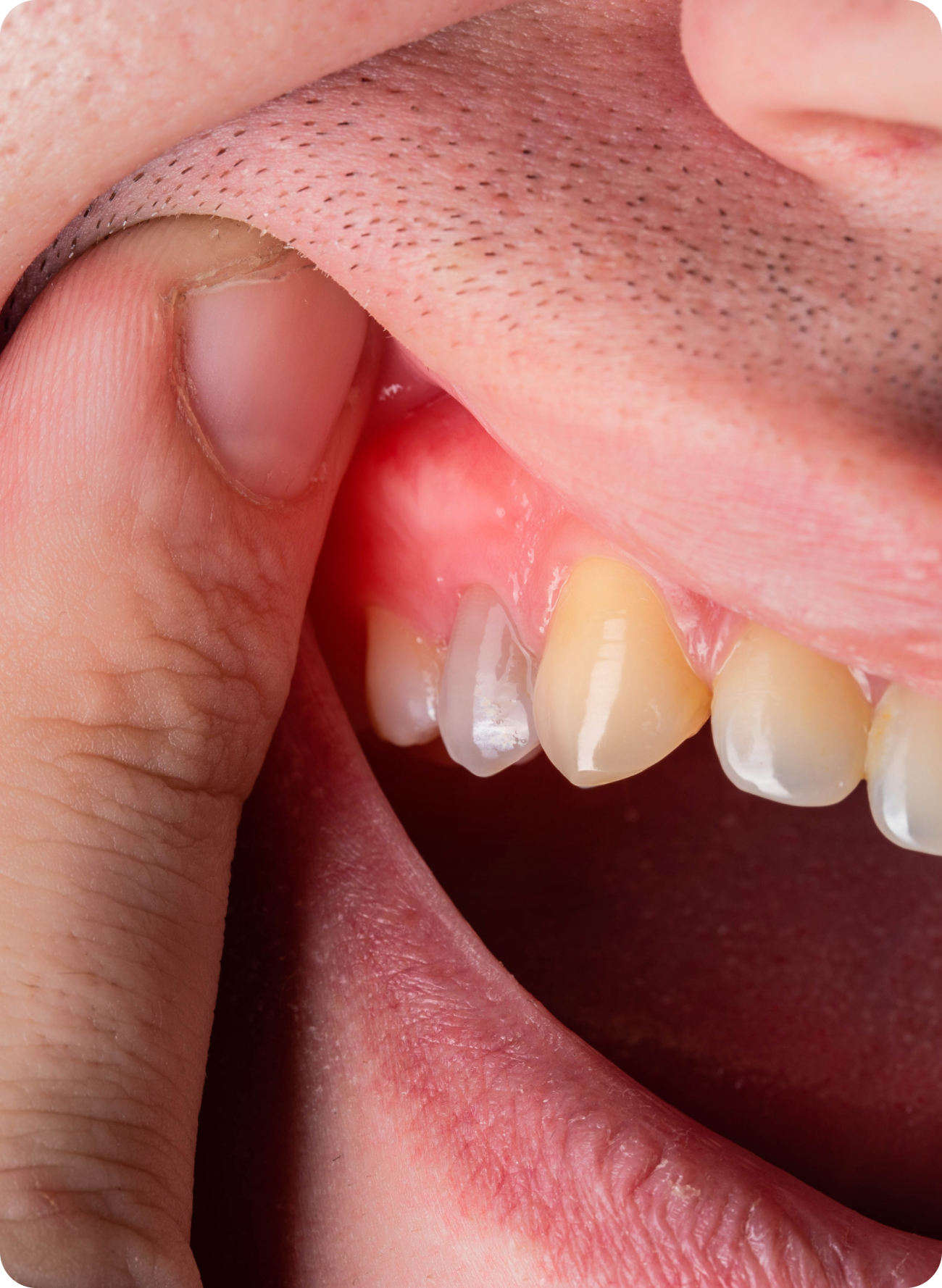
When a wisdom tooth only partially erupts, a flap of gum tissue can trap food and bacteria. This can lead to infection, swelling, discomfort and sometimes a bad taste in the mouth. Pericoronitis is one of the most common reasons young adults seek emergency dental care, accounting for up to 6.5% of all dental emergencies.2
Tooth decay
Wisdom teeth are harder to clean, making them more prone to tooth decay and cavities—which can cause sharp pain when eating or drinking.
Can I manage wisdom tooth discomfort at home?
Yes, but keep in mind that anything you do at home to reduce discomfort is temporary and does not treat the underlying cause. That said, there are several methods that can provide a level of relief:
Ibuprofen (Advil, Motrin): A commonly recommended OTC option because it reduces both pain and inflammation. Take as directed or follow the specific guidance of your Aspen Dental provider.3
Cold compress: To help reduce swelling, apply to the outside of your jaw for 20 minutes on, 20 minutes off.
Warm saltwater rinse: Mix half a teaspoon of salt in eight ounces of warm water and rinse gently. This helps reduce bacteria and soothe irritated tissue.
If home care doesn’t provide relief within 24–48 hours, it’s time to move from self-management to professional care. Schedule an appointment with an Aspen Dental provider as soon as possible
How do I know if my wisdom tooth pain is serious?
Mild discomfort during wisdom tooth eruption may feel like pressure, occasional throbbing or gum tenderness that comes and goes. It becomes more serious if accompanied by fever, visible swelling in the face or jaw, difficulty opening your mouth, trouble swallowing or pus near the tooth. If you experience any of these symptoms, it’s important to schedule an appointment with your Aspen Dental provider rather than relying on home care.
Signs your wisdom tooth may be infected
An infected wisdom tooth often causes symptoms that go beyond typical eruption pain. If you notice any of the following, contact an Aspen Dental provider within 24 hours—don’t wait:
Fever above 100.4°F
Visible swelling in the jaw, cheek, or neck
Pus or discharge around the tooth or gum
Difficulty swallowing or opening your mouth fully
A foul taste that persists even after rinsing
These are signs of pericoronitis or abscess — both of which require professional treatment and will not resolve with home care.1
When should I see a dentist about wisdom tooth pain?
If wisdom tooth pain persists beyond 1–2 days, is accompanied by swelling or fever, or interferes with eating and sleeping, it's time to see a dentist — not wait it out.
In many cases, early evaluation reveals that wisdom tooth extraction is the most effective long-term solution, removing the source of the problem entirely rather than managing symptoms that keep coming back.
At Aspen Dental, we provide transparent pricing before any treatment begins, along with flexible payment options—so cost doesn’t become a reason to delay care that could worsen over time. Schedule an appointment at your nearest Aspen Dental office. Same-day appointments may be available at many locations.
Wisdom tooth pain FAQs
How long does wisdom tooth pain last?
Wisdom tooth discomfort from eruption typically lasts 3–7 days. If the pain is caused by impaction or infection, it will not resolve on its own and requires professional treatment from an Aspen Dental provider.
Can wisdom tooth pain go away on its own?
Eruption discomfort may ease temporarily, but pain caused by impaction, infection, or pericoronitis will not go away without dental treatment.
What does wisdom tooth pain feel like?
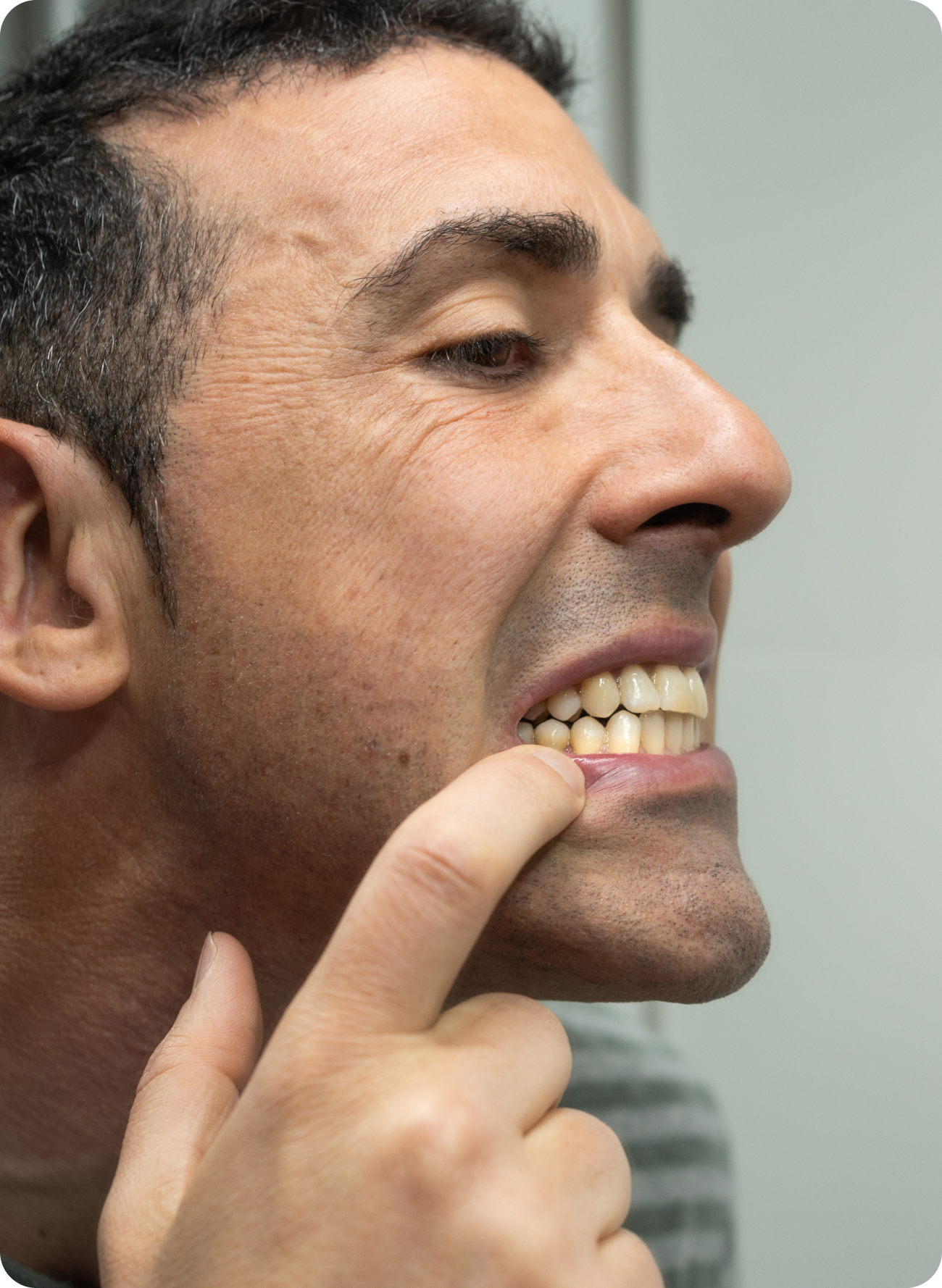
Wisdom tooth pain often feels like a dull, throbbing ache at the back of the jaw that can radiate to the ear, temple, or neck. It may be constant or triggered by chewing, biting, or opening your mouth wide. You may also notice gum tenderness, swelling, or a bad taste—especially if an infection is present.
Is wisdom tooth pain worse at night?
Yes, wisdom tooth pain often worsens at night. Lying down can increase blood flow to the head, which may intensify throbbing and inflammation, and fewer distractions can make the pain feel more noticeable. If it’s severe enough to disrupt sleep, it’s a good idea to seek care the next day.
Can a wisdom tooth cause ear pain?
Yes, wisdom tooth pain can cause ear discomfort because the nerves that serve the jaw also connect to the ear. This shared pathway can make pain from the back of the mouth feel like it’s coming from the ear. If you’re experiencing ear pain along with jaw or back-of-mouth discomfort, a dental evaluation is a good first step.
[1] Dodson TB, Susarla SM. Impacted wisdom teeth. BMJ Clinical Evidence. 2014. https://pubmed.ncbi.nlm.nih.gov/25073592/
[2] Nitzan D, et al. Pericoronitis: A Reappraisal of Its Clinical and Microbiological Aspects. Journal of Oral and Maxillofacial Surgery. https://pubmed.ncbi.nlm.nih.gov/15452820/
[3]. American Dental Association. Oral Analgesics for Acute Dental Pain.
https://www.ada.org/resources/ada-library/oral-health-topics/oral-analgesics-for-acute-dental-pain