Last updated 06.09.2026
Why does my tooth still hurt after a filling?
Learn what causes lingering tooth sensitivity after a filling and when symptoms may need professional evaluation.

Mild soreness or sensitivity after a filling is common and usually improves within 1–2 weeks as the tooth heals. However, discomfort that worsens, lingers, or hurts when you bite down may mean the filling needs adjustment or the tooth’s nerve has become irritated.
Knowing the difference between normal healing and symptoms that need attention can help you recover more comfortably and avoid further problems.
What you’ll learn in this article:
How long post-filling soreness usually lasts
What type of discomfort is considered normal after a filling
The most common reasons a tooth may still hurt after treatment
Why your bite may feel uneven or “off”
What you can do at home to reduce sensitivity and tenderness
When to contact your dentist for evaluation
Is it normal for a tooth to hurt after a filling?
Yes — mild tenderness or sensitivity after a filling is common and usually temporary. Removing decay and placing a filling can irritate the pulp, which contains the tooth’s nerves and blood vessels. The surrounding gums may also feel sore for 24–48 hours from the procedure itself.
According to the Cleveland Clinic, sensitivity to temperature or pressure can last up to 1–2 weeks after a filling.1 In most cases, symptoms that gradually improve each day are considered a normal part of healing. The American Dental Association notes that sensitivity following a filling is among the most common post-procedure experiences and typically resolves without additional treatment.3
How long should soreness last after a filling?
Most post-filling soreness improves within 1–2 weeks. The first 24–48 hours are usually when tenderness and sensitivity are most noticeable. After the first week, any remaining sensitivity should be mild and triggered mainly by hot, cold or pressure — not constant or worsening.
Typical recovery timeline after a filling:
Days 1–2: Mild soreness, gum tenderness and temperature sensitivity are common
Days 3–7: Symptoms should gradually improve; your bite may still feel different
Week 2: Most sensitivity should be minimal or gone entirely
Beyond 2 weeks: Lingering or worsening discomfort should be evaluated by your dentist
If your symptoms are worsening instead of following this pattern, your Aspen Dental provider can evaluate the tooth and resolve most issues quickly. Schedule an appointment at your nearest Aspen Dental office.
Common reasons for lingering discomfort after a filling
If discomfort lasts longer than a week or feels sharp instead of gradually improving, one of the following issues may be contributing.
Temperature sensitivity
Sensitivity to hot or cold after a filling is often caused by temporary inflammation inside the tooth, called pulpitis. Treating a cavity can irritate the tooth nerve, especially if the filling was deep or close to the pulp. Brief sensitivity that lasts only a few seconds after eating or drinking something hot or cold is usually temporary and improves as the tooth heals.
A filling that is too high
If a filling sits slightly too high, the treated tooth may contact before the others when you bite down. This extra pressure can irritate the ligament around the tooth and cause soreness when chewing.
Because your mouth is numb during the procedure, bite changes are often not noticeable until the anesthetic wears off. In most cases, your dentist can correct this with a quick adjustment.
Gum tenderness near the filling
Mild gum tenderness around the treated tooth is common after a filling. The soreness may be caused by the numbing injection or the small instruments used during the procedure. This type of tenderness usually improves within a few days and may feel better with gentle saltwater rinses.
The type of filling material used
Tooth-colored composite fillings can sometimes cause temporary sensitivity after treatment. As the material hardens, it may shrink slightly, which can briefly increase sensitivity to temperature or pressure inside the tooth. In most cases, this sensitivity is mild and improves within 1–2 weeks as the tooth adjusts. If symptoms persist or worsen, your dentist’s office can evaluate whether the filling needs adjustment, if another issue may be contributing, or a replacement is needed.
Irritation of the tooth nerve
If the cavity was deep, the tooth nerve may remain inflamed after treatment, especially when decay was close to the pulp before the filling was placed.2 Lingering throbbing, spontaneous aching or discomfort that worsens instead of improving should be evaluated by your dentist.
How to reduce tooth sensitivity after a filling at home
Most mild soreness and sensitivity after a filling can be managed at home while the tooth heals. The following steps may help reduce discomfort during the first 1–2 weeks.
Take ibuprofen or acetaminophen
Both can help relieve mild post-filling discomfort. Ibuprofen may be especially helpful during the first 24–48 hours because it also reduces inflammation. Follow the dosing instructions on the label.
Rinse with warm saltwater
Mix half a teaspoon of salt into 8 ounces of warm water and rinse gently for 30 seconds two to three times per day. This may help soothe tender gum tissue around the treated tooth.
Use a desensitizing toothpaste
Toothpastes containing potassium nitrate, such as Sensodyne, can help reduce temperature sensitivity when used consistently for 1–2 weeks.
Avoid hot, cold, or hard foods
Soft foods at room temperature are often more comfortable during the first few days after treatment and may help reduce sensitivity triggers.
Chew on the opposite side of your mouth
Avoiding pressure on the treated tooth can help reduce irritation while the area heals.
If your symptoms are not improving within 7–10 days — or are becoming more severe — contact your dentist’s office for evaluation.
When does tooth discomfort after a filling need attention?
Discomfort that worsens instead of improves — or that comes with sharp pain when biting, spontaneous throbbing, or sensitivity that intensifies over time — is a signal to call your dentist. These symptoms can point to a high bite, nerve inflammation, or a deeper issue that warrants a closer look.
Most post-filling soreness follows a predictable pattern: mild sensitivity that gradually fades over several days. The most common causes — a slightly high bite or temporary nerve irritation — are straightforward to correct and rarely require anything beyond a quick adjustment.
Worsening tooth sensitivity after a filling is not normal
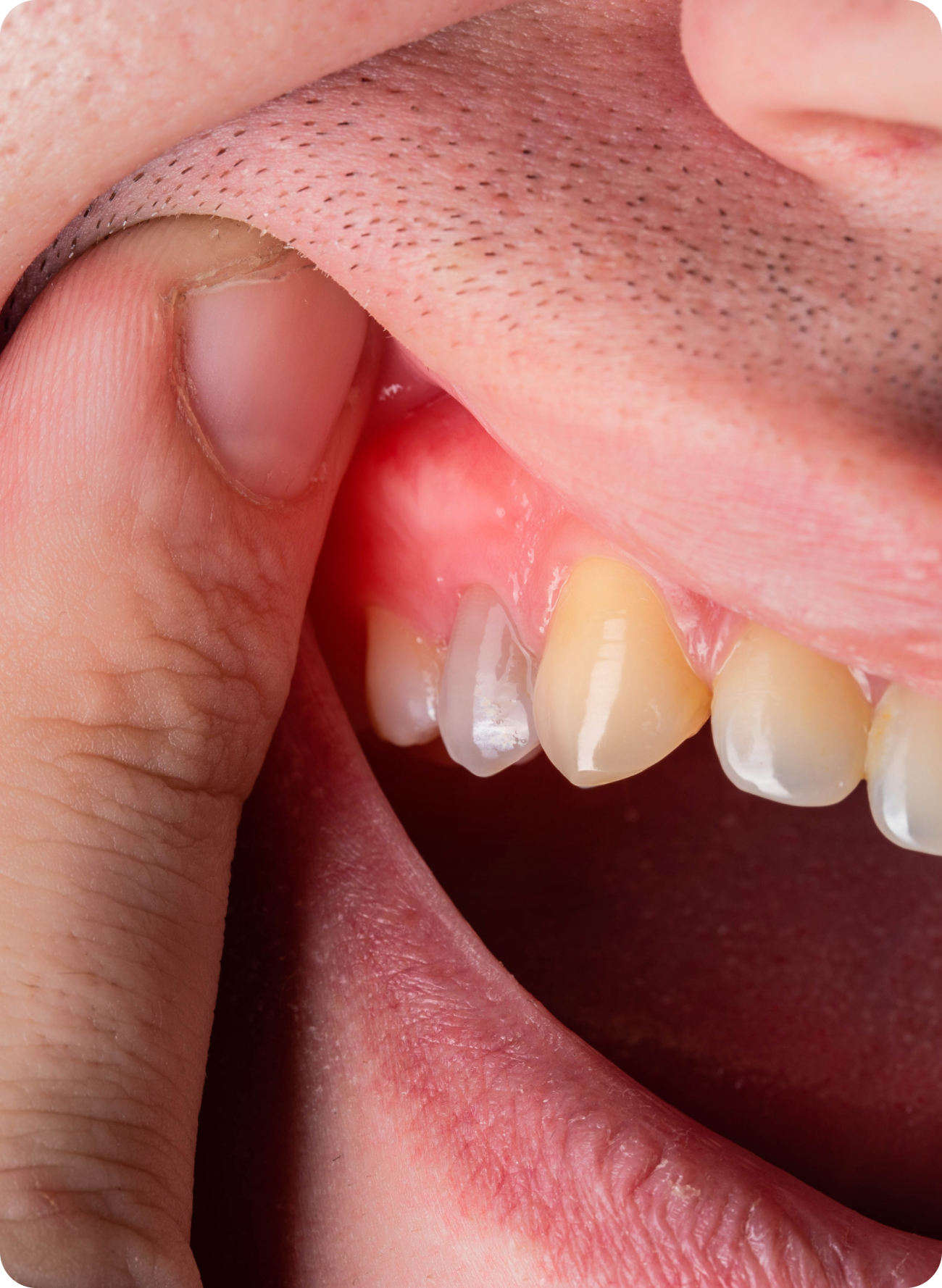
Sensitivity after a filling should gradually improve — not become more intense over time. If discomfort worsens after the first few days or new symptoms develop, such as swelling, a bad taste or a bump on the gums, contact your dental provider. These symptoms can sometimes signal significant nerve inflammation or an infection inside the tooth.
Discomfort that occurs spontaneously — without eating, drinking, or touching the tooth — is also not considered typical healing. Constant throbbing, lingering aching, or symptoms that wake you up at night should be evaluated promptly.
A bite that still feels uneven after a week may need adjustment
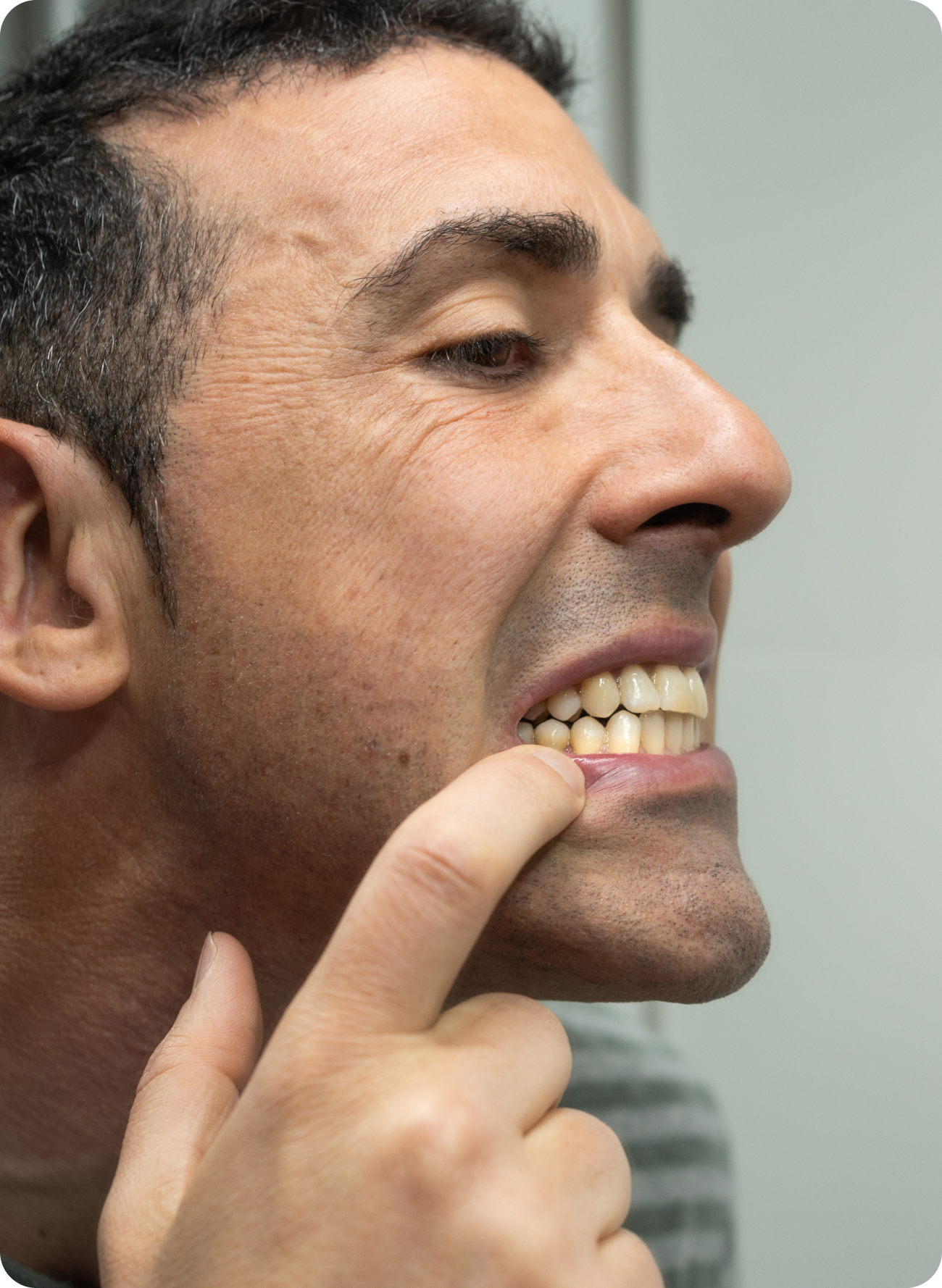
A bite that still feels “off” after a week is unlikely to correct itself naturally. If the filling sits slightly too high, extra pressure is placed on the tooth and surrounding ligament every time you bite down, which can prolong soreness and sensitivity.
Fortunately, this is one of the most common and easiest causes of post-filling discomfort to fix. In many cases, the issue can be resolved with a quick bite adjustment appointment.
When to see your dentist
Schedule a follow-up visit if you experience any of the following:
Soreness or sensitivity that is getting worse after the first week, not better
Spontaneous throbbing that occurs without eating or drinking
Visible swelling in the gum, jaw, or face near the treated tooth
A persistent bad taste or odor near the filling site
A bite that still feels noticeably uneven after 7–10 days
Sensitivity so severe that eating or drinking becomes difficult
Most of these issues have straightforward solutions — a bite adjustment, a medication, or in some cases a referral for additional evaluation. Catching them early leads to faster resolution and prevents a minor issue from becoming a more complex one. If you are unsure whether your symptoms are normal, it is always appropriate to call your dentist’s office. Your provider can assess your symptoms and determine whether a visit is needed.
Why Does My Tooth Hurt After a Filling? FAQs
Can a filling fail or fall out, and would I know?
Yes. Fillings can crack, loosen, or wear down over time. Signs of a failing filling include renewed sensitivity, a rough edge you can feel with your tongue or a tooth that suddenly feels different when biting. A damaged filling should be evaluated because it can expose the tooth to new decay.
Is it possible to need a root canal after a filling?
Yes — especially if the original cavity was very deep. In some cases, the tooth nerve may remain inflamed even after the filling is placed. Persistent throbbing, lingering heat sensitivity, or severe discomfort when biting may indicate the tooth needs further treatment, including a possible root canal.
Can I take ibuprofen or acetaminophen after a filling?
Yes. Both can help manage mild soreness after a filling. Ibuprofen may be especially helpful during the first 24–48 hours because it also reduces inflammation. Always follow the dosing instructions on the label.
How long does local anesthetic last after a filling?
Most local anesthetics wear off within 2–4 hours, though timing varies by patient and procedure. Until the numbness fades completely, avoid chewing on the treated side to prevent accidentally biting your cheek or tongue.
Will my tooth always be sensitive to cold after a filling?
Usually not. Cold sensitivity after a filling is typically temporary and improves as the tooth heals. If sensitivity lasts longer than 2–3 weeks or becomes more severe, contact your dentist for evaluation.
Can a new filling affect the teeth next to it?
Sometimes. Nearby teeth may feel mildly sensitive for a few days after the procedure because of the instruments used during treatment. This type of temporary sensitivity usually resolves on its own.
Why does my jaw hurt after a filling?
Jaw soreness after a filling is common and is usually caused by keeping your mouth open during the procedure. The jaw muscles can become fatigued or stiff, especially after longer appointments. Mild soreness typically improves within 2–3 days. Tenderness near the injection site from the local anesthetic is also normal and usually resolves within a day or two. If jaw discomfort is severe, worsening or makes it difficult to open your mouth, contact your Aspen Dental provider.
Sources
1Cleveland Clinic. Tooth Sensitivity After Filling: What's Normal? https://my.clevelandclinic.org/health/diseases/22753-tooth-sensitivity
2American Association of Endodontists. Pulpitis. https://www.aae.org/patients/dental-symptoms/tooth-pain/
3American Dental Association (ADA), Materials for Direct Restorations. https://www.ada.org/resources/ada-library/oral-health-topics/materials-for-direct-restorations