Last updated 06.18.2026
What to expect after an emergency dental procedure
Learn what recovery after an emergency dental procedure typically looks like and which symptoms require prompt follow-up care.

Most people feel a mix of relief and uncertainty once an emergency dental procedure is done — the immediate crisis is over, but the recovery ahead is unfamiliar. After an emergency dental procedure, some soreness, swelling and minor bleeding are completely normal in the first 24–72 hours, and most patients return to their regular routine within a week. If you have questions about how your recovery is progressing, schedule an appointment with your nearest Aspen Dental provider for a follow-up evaluation.
What you'll learn in this article:
Why soreness and swelling often peak 2–3 days after the procedure
How to protect the blood clot and support proper healing
The early signs of dry socket and other complications
Which foods, habits, and activities can delay recovery
Which symptoms are normal — and which require prompt attention
The first 24 hours: what's normal and what to do
The hours immediately following an emergency dental procedure are the most critical for setting up a smooth recovery. Your body begins forming a protective blood clot at the treatment site almost immediately — and keeping that clot intact is the foundation of everything else.
Why some bleeding in the first few hours is expected
Light bleeding or pink-tinged saliva during the first few hours after an extraction or surgical procedure is normal. Bite gently on the gauze placed by your provider for 30–45 minutes to help the clot form. If bleeding continues, replace the gauze and apply steady pressure for another 30 minutes. Avoid spitting, using straws or rinsing during the first 24 hours, since suction can dislodge the clot before it stabilizes.
How to manage swelling right away
Apply an ice pack to the outside of your cheek in 20-minute intervals during the first 24 hours — 20 minutes on, 20 minutes off. Swelling control works best when started immediately after the procedure. Keeping your head elevated, including while sleeping, also helps reduce swelling.
Take prescribed or recommended anti-inflammatory medication on schedule, ideally before the local anesthetic fully wears off. Starting early helps control swelling and discomfort more effectively throughout the day.
Days 2–3: when discomfort typically peaks
Why day 2 or 3 often feels worse than the day of the procedure
This surprises many patients, but it is clinically expected. According to Cleveland Clinic, day three is typically the most uncomfortable day after a tooth extraction.1The local anesthesia is long gone, inflammation is at its peak and the treatment site is actively healing. This does not mean something has gone wrong — it means your body is doing exactly what it should.
Swelling often reaches its maximum around 48 hours post-procedure before gradually subsiding. Switching from ice to warm compresses after the first 24 hours can help ease the aching and encourage circulation in the area.
How to manage soreness and stay comfortable
Medication timing matters
Take ibuprofen or acetaminophen on a consistent schedule rather than waiting for discomfort to build. Alternating between the two (if your provider approves) can provide more consistent relief than either alone.
Rest, but move gently
Light activity is fine after the first day, but avoid anything that raises your heart rate significantly — increased blood flow to the area can intensify throbbing and slow clot stabilization.
Sleep position
Keep your head slightly elevated for the first two nights. Lying completely flat can increase pressure and throbbing in the treated area.
If you're taking medication on schedule, eating soft foods, keeping the area clean, and resting — you're doing everything right. Most patients who follow these steps recover without complications. The discomfort you're feeling on day 2 or 3 is your body healing, not a sign that something has gone wrong.
Your recovery timeline at a glance
Most patients recover within one to two weeks, though healing continues beneath the surface for up to six weeks. Here's what to expect at each stage:
Hours 1–24: Rest, manage bleeding, and protect the clot. Ice packs, soft foods, no straws.
Days 2–3: Swelling peaks, then begins to ease. Switch to warm compresses.
Days 4–7: Pain fades noticeably. Begin gentle saltwater rinses.
Week 2: Most healing is complete. Stitches dissolve or are removed.
Weeks 3–6: Deeper tissue and bone continue to heal beneath the surface.
Healing timelines vary depending on the procedure. An emergency root canal typically involves less post-procedure soreness than a surgical extraction. An abscess drainage procedure may involve a day or two of tenderness at the drainage site. If your provider placed sutures, they are usually removed or dissolve within 7–10 days.
Does recovery differ by procedure type?
Recovery timelines and aftercare vary depending on which emergency procedure you had. Here's what to expect for the most common emergency dental procedures:
Emergency tooth extraction
1–2 weeks for soft tissue healing; 3–6 months for complete bone remodeling. Blood clot protection is the top priority in the first 24 hours.
Emergency root canal
Most patients experience mild soreness for 2–4 days. The tooth may feel sensitive to pressure for 1–2 weeks. Swelling is less common than with extraction.
Abscess drainage
Expect 1–2 days of tenderness at the drainage site. Your provider will likely prescribe antibiotics — complete the full course even if you feel better before it ends.
Emergency crown or filling:
Sensitivity to temperature and pressure is normal for 1–2 weeks. Avoid chewing on the treated side until the area feels stable.
What comes next after an emergency tooth extraction?
If your emergency procedure involved a tooth extraction, recovery is only the first step. Once the extraction site has healed — typically 6–8 weeks — your provider can discuss tooth replacement options to restore your smile and prevent the bone loss and shifting that can occur when a tooth is missing.
Common replacement options include:
Dental implants — a permanent, natural-looking replacement that integrates with the jawbone
Dental bridges — a fixed restoration that spans the gap using adjacent teeth for support
Partial dentures — a removable option that replaces one or more missing teeth
Your provider will recommend the best option based on the location of the extraction, your bone density, and your overall oral health. Schedule an appointment with your Aspen Dental provider to discuss your options once your extraction site has healed.
What to eat (and avoid) during recovery
Why can certain foods and drinks disrupt healing
The treatment site is vulnerable in the first several days, and what you eat directly affects how quickly it heals.
Eat:
Soft, cool or room-temperature foods: yogurt, scrambled eggs, mashed potatoes, smoothies (no straw), soup (not hot), applesauce, soft fish
Foods rich in protein and vitamins C and D support tissue repair
Plenty of water — staying hydrated supports healing throughout the body
Avoid:
Hard, crunchy or chewy foods that require significant biting force near the treated area
Hot foods and beverages, which can dissolve the blood clot and increase bleeding
Alcohol, which interferes with healing and can interact with prescribed medications
Straws — the suction creates negative pressure that can dislodge the clot
Smoking or tobacco in any form, which significantly increases the risk of dry socket and slows healing
Most patients can return to a near-normal diet by day 5–7, though chewing directly on the treated side should be avoided until your provider clears it.
Keeping the area clean without disturbing healing
When can I rinse or brush near the treated area?
Oral hygiene during recovery requires a careful balance — the area needs to stay clean to prevent infection, but aggressive rinsing or brushing too soon can disrupt healing.
First 24 hours: Do not rinse, spit forcefully or brush directly over the treatment site.
After 24 hours: Gently rinse with warm salt water (half a teaspoon of salt dissolved in 8 ounces of warm water) 2–3 times daily, especially after eating. Let the water fall out of your mouth rather than spitting forcefully.
Brushing: Resume brushing the rest of your teeth normally, but avoid the treated area for the first few days. Approach it gently once the initial soreness begins to ease.
Mouthwash: Avoid alcohol-based mouthwashes during the first week. If your provider prescribed a medicated rinse, use it exactly as directed.
Warning signs that need prompt attention
Most post-procedure discomfort follows a predictable pattern: it peaks around day 2–3 and then gradually improves. When symptoms move in the opposite direction — worsening after they had started to improve — that is the clearest signal to reach out.
How do I know if I have dry socket?
Dry socket (alveolar osteitis) occurs when the blood clot at the extraction site is dislodged or fails to form properly, leaving the underlying bone exposed. According to Cleveland Clinic, dry socket affects approximately 2–5% of all tooth extractions and up to 30% of lower wisdom tooth removals, with smoking significantly increasing the risk.²
Signs of dry socket include:
A sharp, throbbing ache that begins 2–4 days after extraction — noticeably more intense than typical post-procedure soreness
Visible empty-looking socket where the clot should be
Bad breath or an unpleasant taste that does not resolve with rinsing
Discomfort that radiates toward the ear or jaw
Dry socket does not resolve on its own. Contact your Aspen Dental provider promptly — it is treated quickly and effectively in-office.
What does an infection look and feel like after a dental procedure?
Infection after an emergency dental procedure is uncommon when aftercare instructions are followed, but it is important to recognize the signs:
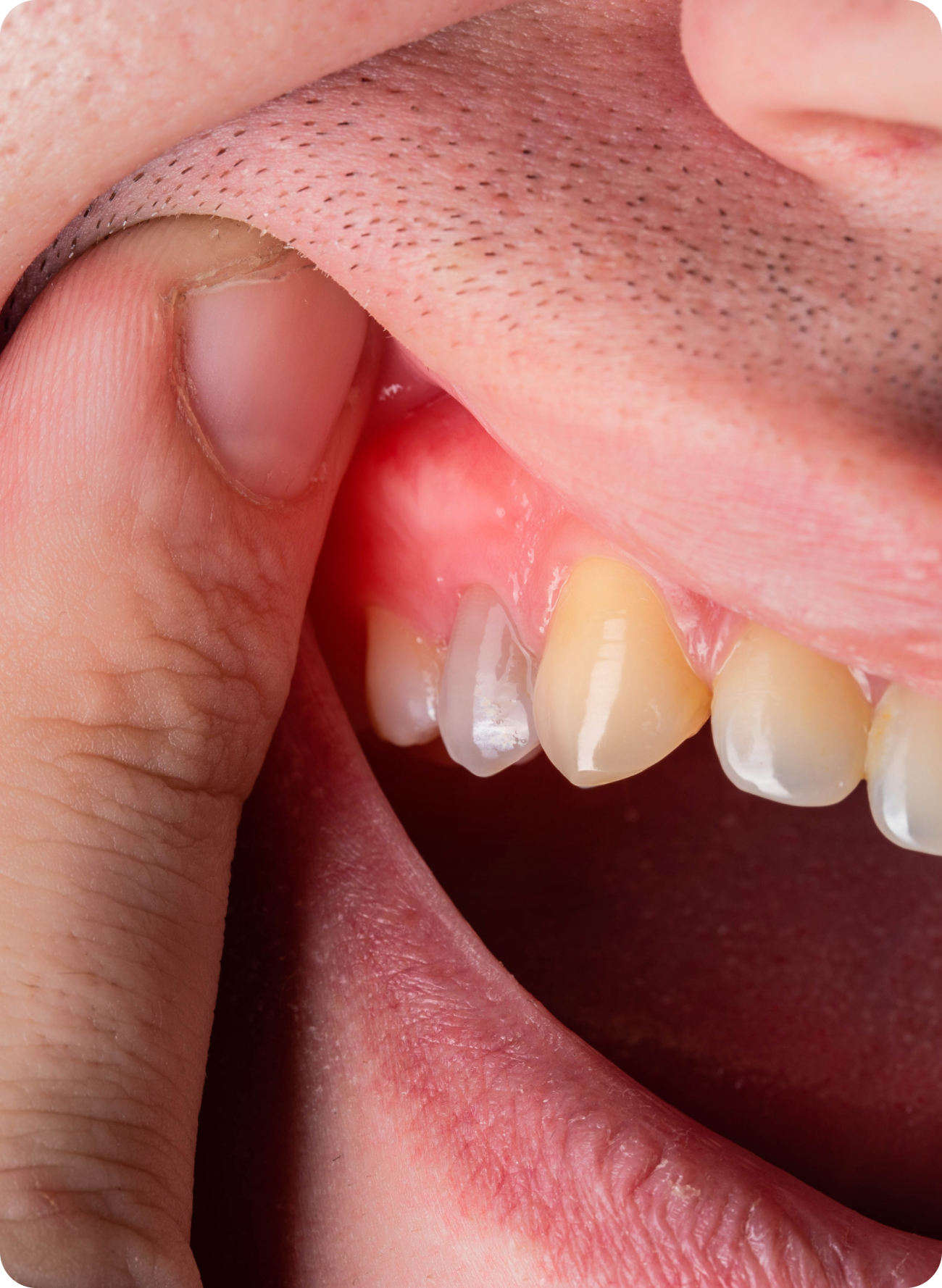
Swelling that worsens after day 3 rather than improving
Fever above 101°F (38.3°C)
Pus or discharge from the treatment site
A foul taste that persists despite rinsing
Increasing redness or warmth in the surrounding gum tissue
If you are on a prescribed antibiotic course, complete it fully even if you feel better before it is finished. Stopping early can allow bacteria to rebound.
Returning to normal activities
Most patients return to normal daily activities within 1–2 days. Avoid strenuous exercise, heavy lifting or anything that significantly raises your heart rate for at least 3–5 days, since increased blood pressure can trigger bleeding or throbbing at the treatment site. Driving is usually safe once you are no longer taking prescription medication that causes drowsiness. If sedation was used, you will need someone to drive you home and should avoid driving for the rest of the day.
When to contact your provider
Recovery after an emergency dental procedure should follow a clear arc: some discomfort and swelling in the first few days, followed by steady improvement. If your recovery does not follow that pattern — or if you are unsure whether what you are experiencing is normal — do not wait it out.
Contact your dental provider immediately if you experience:
Bleeding that does not slow after 30–45 minutes of firm gauze pressure
Fever combined with worsening swelling
Go to the nearest emergency room or call 911 immediately if you experience:
Difficulty breathing or swallowing
Swelling that spreads to your neck or throat
These symptoms can indicate a spreading infection (Ludwig's angina) that requires immediate hospital-level care.
Your dentist is your best resource throughout recovery — not just for emergencies, but for reassurance and guidance at any point in the healing process.
What to expect after an emergency dental procedure FAQs
What should I do if my stitches fall out before my follow-up appointment?
Dissolvable stitches commonly loosen or fall out before they fully dissolve — this is normal and does not usually indicate a problem. If the area is not bleeding heavily and your pain level has not significantly increased, monitor the site and mention it at your next scheduled visit. If you notice increased bleeding, a widening gap at the wound site, or signs of infection (swelling, pus, fever), contact your dentist promptly for an evaluation.
Can I take ibuprofen and acetaminophen together after a dental procedure?
Many providers recommend alternating between the two for more consistent relief — for example, ibuprofen every 6–8 hours and acetaminophen in between. However, always follow your provider's specific instructions and check for any contraindications with other medications you take. Do not exceed the recommended daily dose of either.
Is it normal for the area to feel numb or tingly the day after the procedure?
Residual numbness or tingling the day after a procedure is usually the result of the local anesthetic and resolves on its own. Persistent numbness lasting more than 24–48 hours is less common and worth mentioning to your provider, as it can occasionally indicate temporary nerve involvement that should be monitored.
When is it safe to drink coffee or hot beverages again?
Wait at least 24 hours before consuming hot beverages, and ideally 48–72 hours if you had a surgical extraction. Heat increases blood flow to the area and can dissolve the protective clot. Lukewarm or room-temperature drinks are a safe alternative in the first few days.
Do I need a follow-up appointment after an emergency dental procedure?
In most cases, yes. Your provider will advise you on whether a follow-up is needed and when. Even if you feel fine, a follow-up allows your provider to confirm the site is healing properly, remove sutures if placed and discuss any next steps — such as tooth replacement options after an extraction.
Can I use a water flosser or electric toothbrush during recovery?
Avoid water flossers near the treatment site for at least the first week — the pressure can disrupt healing tissue. An electric toothbrush is generally fine for the rest of your mouth but should not be used directly over the treated area until soreness has resolved and your provider confirms the site is stable.
Sources
1Cleveland Clinic. Tooth Extraction: Surgery & Healing. Updated April 4, 2025. https://my.clevelandclinic.org/health/treatments/22120-tooth-extraction
2Cleveland Clinic. Dry Socket: Symptoms, Causes & Treatment. Updated May 5, 2025. https://my.clevelandclinic.org/health/diseases/17731-dry-socket