Last updated 10.02.2026
What happens if you don’t go to the dentist for 5 years?
Learn how skipping dental visits for years can affect your teeth, gums and overall health — even without symptoms.
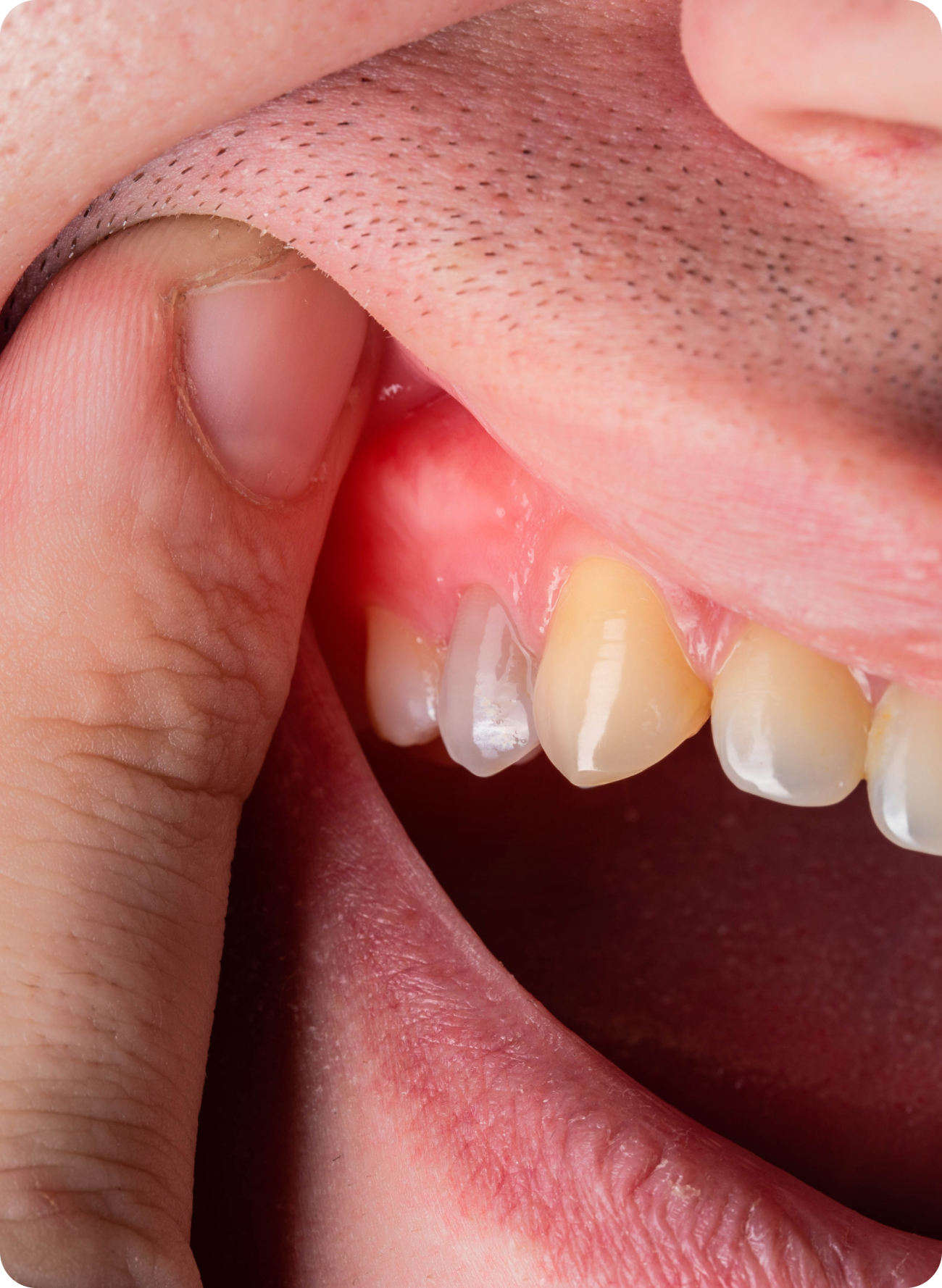
Skipping dental visits for five years can allow plaque to harden into tartar, early enamel damage to progress and mild gum inflammation to develop into more serious gum disease.
Even if nothing hurts yet, significant damage can develop silently over time. If you are ready to get back on track, schedule an appointment with an Aspen Dental provider for a judgment-free evaluation.
What you'll learn in this article:
Skipping 5 years of dental visits causes compounding damage — what starts as plaque buildup can progress to gum disease and tooth loss within that window.
You won't necessarily lose teeth — but the risk increases significantly after year 3 without a cleaning or exam.
Getting back on track is straightforward — a single comprehensive exam tells you exactly where you stand and what, if anything, needs treatment.
Most damage caught now is still repairable — early-to-moderate gum disease and cavities are treatable; the goal of this article is to help you act before they aren't.
What happens to your teeth if you skip the dentist for five years?
According to the Centers for Disease Control and Prevention, 47.2% of adults aged 30 and older have some form of periodontal disease — a risk that increases significantly the longer professional cleanings are delayed.¹
Five years is enough time for small dental issues to become larger and more expensive problems. Early enamel weakening can progress into deep cavities, while untreated plaque and tartar can damage the gums and bone supporting the teeth.
You may notice only subtle signs at first:
Mild sensitivity to cold
Occasional bleeding when brushing
Persistent bad breath
Tender gums
These symptoms are easy to ignore, but the bacteria in plaque continuously produce acids that weaken enamel and inflame gum tissue. Without professional cleanings, tartar buildup hardens around the teeth and below the gumline — areas that brushing alone cannot fully clean.
A cavity that might have required a simple filling years earlier can eventually require:
A crown
Root canal treatment
Early evaluation almost always leads to simpler treatment.
What happens to existing fillings and crowns?
Dental restorations may not last indefinitely. Without periodic evaluation, the margins of existing fillings can begin to leak, allowing bacteria to reach the tooth structure underneath. Crowns can wear, loosen or develop small defects over time, creating gaps where decay can develop undetected. After five years, restorations that were in good condition may now require replacement — adding to the overall scope of treatment needed.
How does skipping dental care affect the rest of your body?
Oral health does not exist separately from the rest of the body. Chronic gum inflammation has been linked to broader health concerns, including cardiovascular disease and systemic inflammation.
When plaque and tartar remain on the teeth for years, the surrounding gum tissue stays in a constant state of irritation. Over time, bacteria from infected gums can enter the bloodstream and contribute to inflammation elsewhere in the body.
Research has linked untreated periodontal disease to:
Increased cardiovascular risk
Diabetes complications
Higher levels of systemic inflammation
Neurological conditions like Alzheimer's disease
Routine cleanings and evaluations help interrupt this cycle by removing hardened buildup and identifying problems before they become more serious.
How quickly does dental damage progress without professional care?
Adults who delay routine dental care face a much higher risk of advanced decay and gum disease over time.
Plaque can begin hardening into tartar within 24–72 hours. Over a five-year period, that repeated buildup creates a compounding effect that increases the likelihood of:
Deep cavities
Bone loss
The American Dental Association emphasizes that regular evaluations and preventive care are critical for maintaining long-term oral health and preventing tooth loss.²
Can you have serious dental problems without feeling any pain?
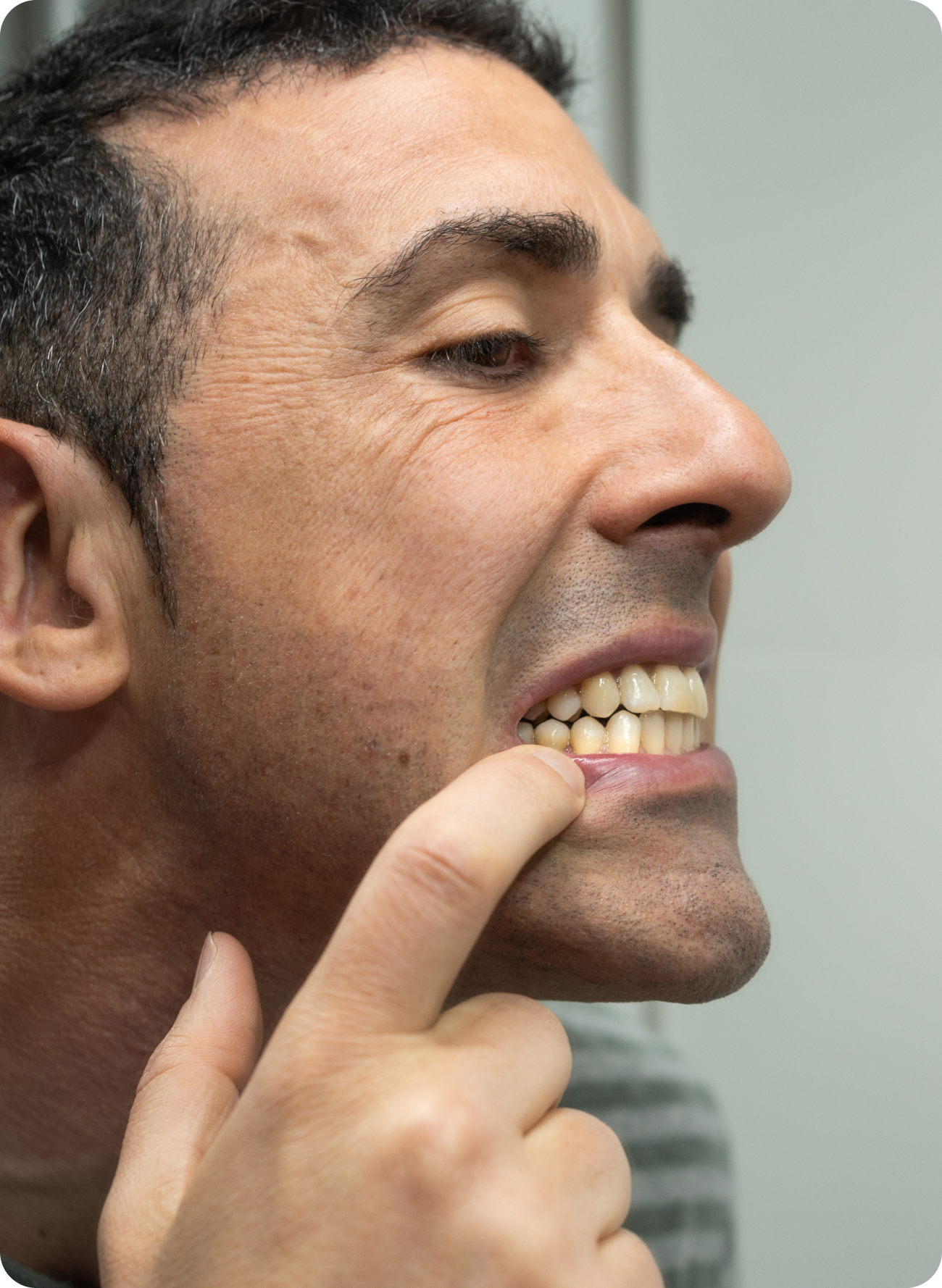
One of the biggest misconceptions about oral health is that no discomfort means everything is fine.
Many dental conditions develop silently:
Early cavities rarely hurt
Gum disease often progresses painlessly
Bone loss can occur without obvious symptoms
By the time soreness, swelling or throbbing appears, the problem is often significantly more advanced.
Your dentist’s office has the tools to find problems you cannot feel:
Digital X-rays to detect decay between teeth and below the gumline
Gum measurements to track recession and bone levels
Intraoral imaging to identify cracks and failing restorations
These tools catch problems at the stage when treatment is still simple.
What to expect when you return after a long absence
Returning to the dentist after several years away can feel daunting — but your first visit back is not about what you did or didn't do. It is about understanding where things stand today and building a clear path forward. There is no lecture, no judgment and no pressure to commit to anything on the spot.
What if I am anxious about returning?
Dental anxiety is one of the most common reasons patients delay care — and the longer the gap, the more that anxiety tends to grow. The worry about what the provider might find makes it harder to pick up the phone, which extends the gap further. It is a cycle most dental teams have seen many times.
Your Aspen Dental care team is trained to work with patients who are returning after a long absence. The first appointment is focused entirely on gathering information — not on delivering bad news or pushing you toward treatment. You set the pace.
Here is what your provider will typically do at that first visit:
Take digital X-rays to assess bone levels and identify any hidden issues
Evaluate your gums for signs of inflammation or disease
Check for cavities, cracks and worn restorations
Review findings with you clearly and answer your questions
Build a personalized treatment plan that prioritizes what matters most
By the end of the appointment, you will have a complete picture of your oral health — and a realistic, prioritized plan that fits your timeline and budget. Nothing happens without your input.
How do you get your oral health back on track after years away?
The most important step is simply scheduling the first appointment. Even if it has been years since your last dental visit, early evaluation can:
Prevent more extensive treatment later
Reduce long-term costs
Help preserve your natural teeth
Identify silent problems before they become emergencies
Schedule an appointment with your nearest dental provider to establish a clear baseline of your oral health and create a plan that works for you.
What if you haven’t seen a dentist for 5 years? FAQs
How much does a deep cleaning usually cost?
Deep cleaning costs vary depending on the severity of buildup and the number of areas being treated. Your Aspen Dental office will provide a personalized estimate before treatment begins.
How long does a deep cleaning take?
Most deep cleaning appointments last 60–90 minutes per visit. Some patients require multiple appointments depending on the extent of tartar buildup and gum disease.
Can a dentist screen for oral cancer?
Yes. Oral cancer screenings are a routine part of comprehensive exams. Your provider will check the soft tissues of the mouth, tongue and throat for abnormal changes.
What if I do not have dental insurance?
Many Aspen Dental offices offer flexible payment options and new patient pricing. Your office team can explain available financing and estimated costs before treatment begins.
Is it too late to fix my teeth after years without care?
Usually not. Even patients who have avoided care for many years can often restore their oral health with a structured treatment plan. The sooner you return, the more treatment options are typically available.
Sources
¹ Centers for Disease Control and Prevention. Periodontitis Among Adults Aged 30 Years and Older. https://www.cdc.gov/mmwr/preview/mmwrhtml/su6203a21.htm
² American Dental Association. Oral Health Topics: Preventive Dental Visits. https://www.ada.org/resources/ada-library/oral-health-topics/home-care