Last updated 10.20.2025
Itchy Gums
Itchy gums signal plaque or gingivitis. Learn causes, home remedies, prevention tips, and when to get professional care.
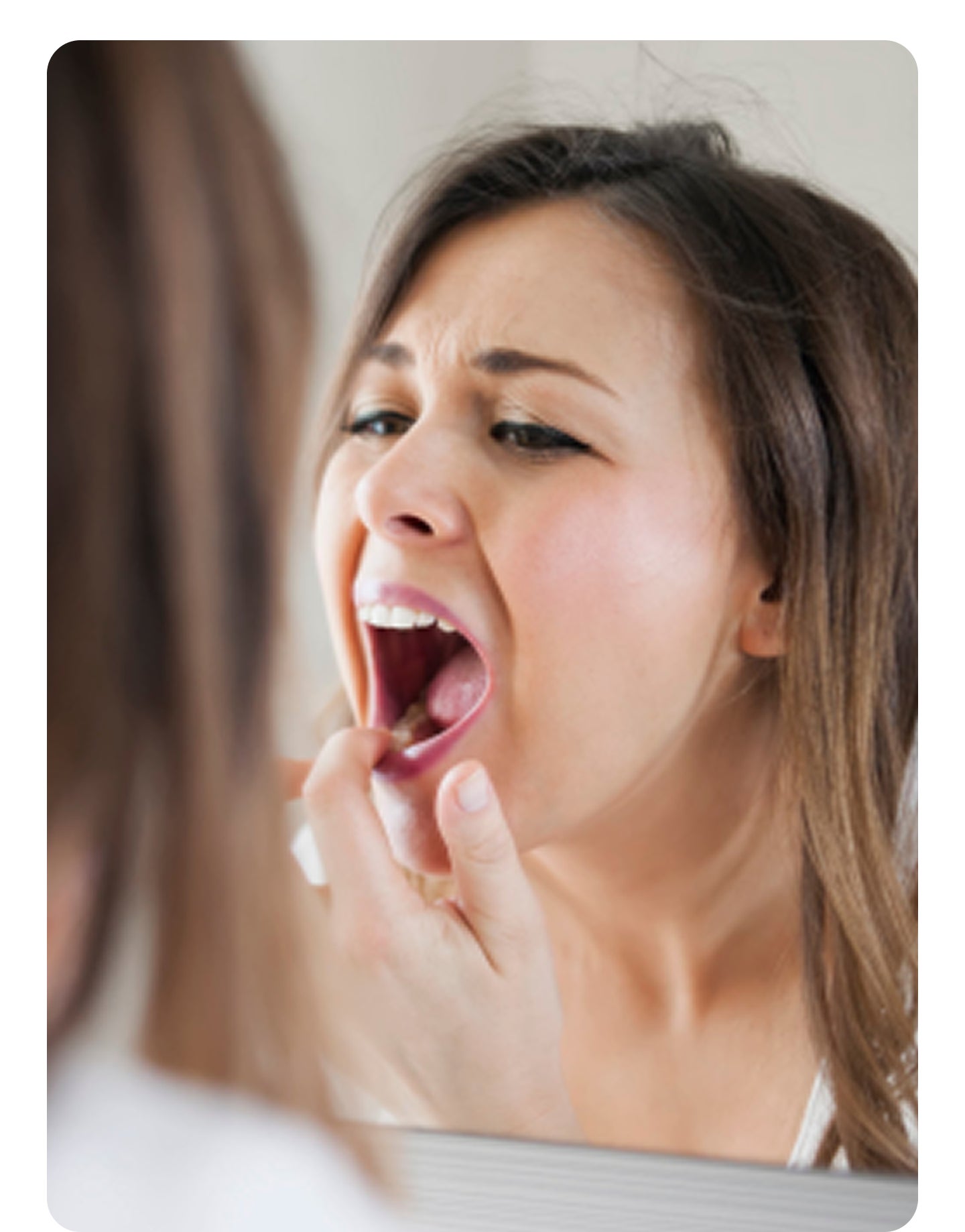
If you’ve noticed your gums feeling itchy, irritated or sensitive, you’re not alone. Many people experience gum itchiness at some point. While it can seem minor, it may be an early sign of gum disease or another oral health issue.
The good news: most causes are treatable. With daily care and timely checkups, you can protect your gums and help prevent future problems.
At Aspen Dental, you’ll get clear answers, gentle care and a plan that fits your needs.
Why are my gums itchy: itchy gums causes
Itchy gums can develop for several reasons. Common causes include:
Plaque and tartar buildup: Sticky bacteria irritate gum tissue if not removed by brushing and flossing.
Gingivitis: The earliest stage of gum disease, often beginning with itchiness and redness.
Vitamin deficiencies: Low levels of vitamin C or D may weaken gums.
Hormonal changes or pregnancy: Hormonal shifts can make gums more sensitive.
Stress: Stress impacts the immune system, making gums more prone to inflammation.
Dry mouth or allergies: Lack of saliva or reactions to allergens may cause gum irritation.
Symptoms of itchy gums
Gum itchiness can be an early warning sign. Watch for:
Redness, swelling or tenderness in the gums.
Bleeding when brushing or flossing, even lightly.
Persistent itchiness with bad breath or inflammation.
If symptoms last more than a week, it’s best to schedule a dental checkup.
Gum diseases linked to itchy gums
Gingivitis and itchy gums
Gingivitis is an early stage of gum disease that often starts with itching, bleeding and redness.
The good news: gingivitis is reversible with proper hygiene and professional cleanings. If untreated, it can progress into a more serious condition.
Periodontitis symptoms compared to gingivitis
Unlike gingivitis, periodontitis involves gum recession, deep pockets and possible bone loss. While gingivitis may cause itchiness and bleeding, periodontitis leads to loose teeth and irreversible damage. Early detection and treatment prevent the disease from advancing.
How to prevent itchy gums naturally
Daily habits make a difference. Follow these hygiene habits for healthy teeth and gums:
Brush twice daily with a soft-bristled or electric toothbrush to remove plaque gently.
Floss or use interdental brushes to clean between teeth where plaque hides.
Stay hydrated and eat a balanced diet rich in vitamins C and D.
Manage stress to protect your immune system and gum health.
These small steps can make a big difference in keeping your gums healthy.
How to relieve itchy gums: home remedies and treatments
Mild gum itchiness often improves with simple remedies, such as:
Saltwater rinses: helps reduce bacteria and inflammation.
Aloe vera or chamomile rinses: may soothe irritated tissue.
Over-the-counter (OTC) options: this can include anti-gingivitis mouthwash or topical gels provide temporary relief.
If symptoms don’t improve, professional treatment can address the cause and help you feel better faster.
Mouthwash and oral care products for itchy gums
Mouthwash can help, but the right type matters.
Antiseptic rinses kill bacteria that cause gum irritation.
Fluoride rinses strengthen enamel while protecting gum health.
Natural/herbal rinses (like aloe or tea tree oil) appeal to those seeking holistic options.
Effectiveness varies by person. Your dentist at Aspen Dental can recommend what works best for your mouth.
When to see a dentist for itchy gums
Not all itchiness needs urgent care, but schedule a visit with your dentist if:
Symptoms last longer than a week without improvement.
Gums are bleeding, swollen or painful.
You notice bad breath, gum recession or loose teeth.
You are pregnant, have medical conditions or take medications that affect gum health.
Untreated gum irritation can progress to gum disease, which may lead to tooth loss and more complex care later. At Aspen Dental, we provide compassionate care, customized treatment plans and affordable solutions so you can feel confident about your oral health.
Itchy gums FAQs
Can vitamin deficiencies cause itchy gums?
Yes. Low vitamin C can contribute to gum irritation and bleeding, and low vitamin D can affect immune response. Adding vitamin-rich foods and, when appropriate, supplements may support gum health.
Can stress make gums itchy?
Yes. Stress can reduce your body’s ability to fight infection, which makes gums more prone to inflammation and itchiness. Stress management supports both oral and overall health.
What toothbrush is best for preventing itchy gums?
A soft-bristled toothbrush is gentler on gum tissue and less likely to cause irritation. Many patients remove more plaque with an electric toothbrush compared to a manual one.
Are there medications for itchy gums?
Yes. Over-the-counter gels, antiseptic mouthwashes and, for allergy-related symptoms, antihistamines may help. Your dentist may prescribe stronger treatments if needed.
How often should I visit the dentist to prevent itchy gums?
Most patients should see a dentist every 6 months for preventive cleanings. If you already have gum disease or frequent irritation, visits may be needed more often.
What helps itchy gums after tooth extraction?
After a tooth extraction, gentle saltwater or cool water rinses may soothe the area. Follow your dentist’s post-op instructions and call if discomfort persists.
What triggers itchy gums after flossing?
Bacteria buildup, hormonal changes, allergies or sensitivities and dry mouth can all play a role. Itchiness is often linked with gingivitis and periodontal disease. Keep up with daily brushing and flossing, and see your dentist regularly for cleanings and guidance.