Last updated 05.14.2026
Why do my gums bleed every time I brush?
Bleeding gums when brushing often signal gingivitis. Learn the causes, how to stop it and when to see Aspen Dental.

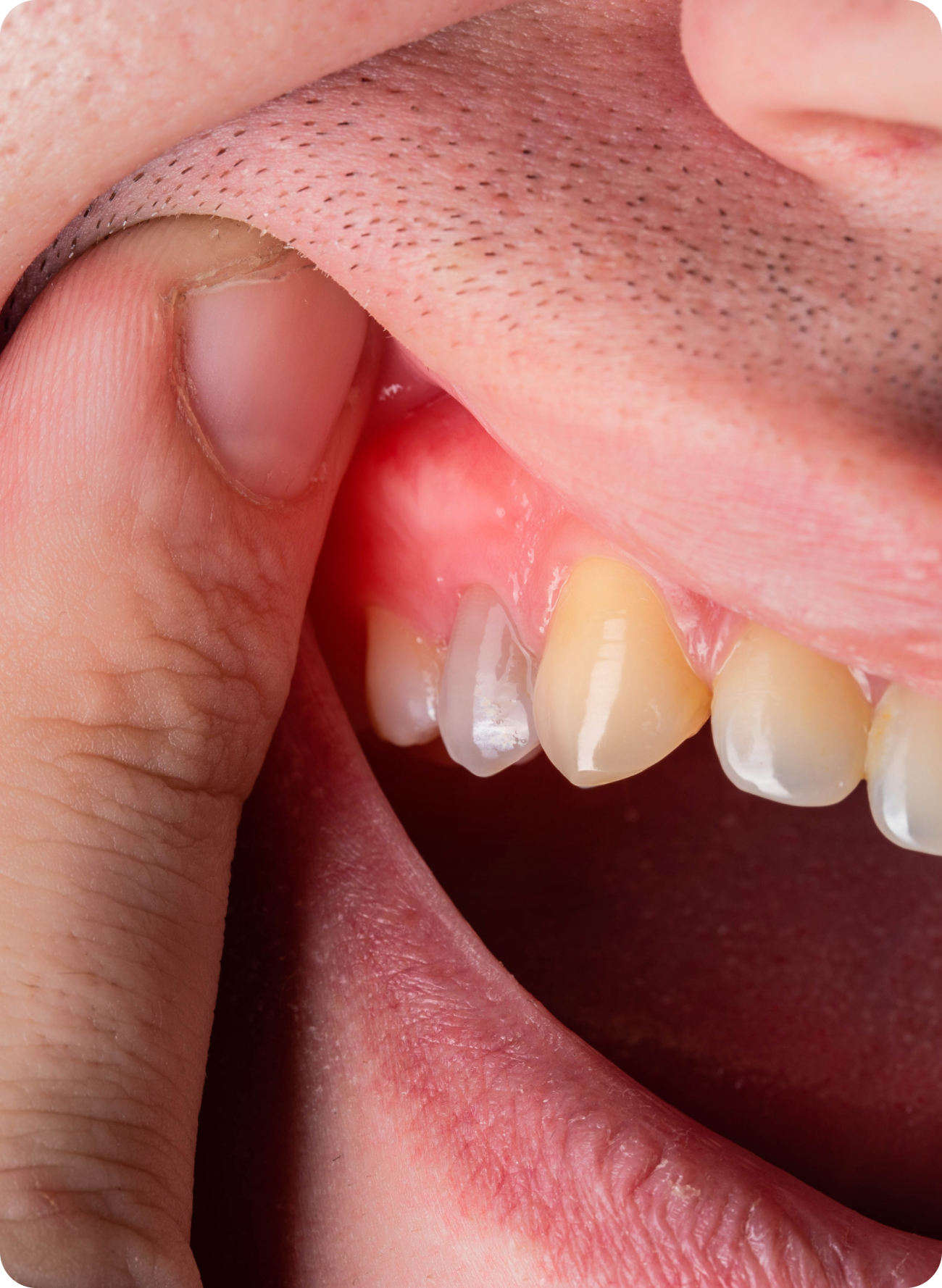
Healthy gums don’t bleed during routine brushing, so bleeding can be an early sign of inflammation or gum disease. If you’re noticing blood in the sink each time you brush, it can be frustrating and concerning. In most cases, it points to an underlying issue that needs attention—not just a brushing habit. Understanding the cause is the first step to stopping the bleeding and protecting your oral health.
What causes gums to bleed when brushing?
Bleeding gums are most often caused by plaque buildup along the gumline, which irritates the tissue and leads to inflammation (gingivitis). Other contributing factors may include:
Brushing technique
Brushing too hard or using a hard-bristled toothbrush can irritate and damage sensitive gum tissue, leading to bleeding during brushing.
Plaque buildup
When plaque isn’t removed, bacteria along the gumline irritate the tissue and cause inflammation—this early stage of gum disease is known as gingivitis. Gingivitis is very common, affecting nearly half of adults in the United States.1
Vitamin deficiencies
A lack of certain nutrients—especially vitamin C and vitamin K—can weaken gum tissue and make it more prone to bleeding. Vitamin C plays a key role in maintaining healthy gums, while vitamin K helps your blood clot properly. If your diet is low in these nutrients, your gums may bleed more easily, even with gentle brushing. 2
Hormonal changes
Hormonal shifts—especially during pregnancy—can increase blood flow to the gums, making them more sensitive and more likely to bleed during routine care. Studies show that 60–75% of pregnant women develop pregnancy gingivitis, making this a common cause of bleeding gums during this time.3
Medications
Blood thinners and some common medications reduce clotting. If you've recently started a new prescription and noticed increased bleeding, it's worth mentioning it to your Aspen Dental provider.
What should I do if my gums bleed?
If your gums are bleeding, the goal is to reduce irritation and remove the underlying cause—usually plaque buildup. These simple steps can help improve gum health and reduce bleeding:
Switch to a soft-bristled toothbrush
Brush gently using circular motions
Floss daily—even if it causes some bleeding at first
Rinse with an antiseptic mouthwash
If bleeding doesn’t improve within a week of consistent home care, it’s time to schedule a professional evaluation at Aspen Dental.
When should I see a dentist for bleeding gums?
You should see an Aspen Dental provider if your gums bleed consistently for more than a week, if the bleeding is heavy, or if it’s accompanied by swelling, redness or tenderness. Bleeding gums are often one of the earliest signs of gum disease, which affects nearly 46% of adults over 30 in the United States, according to the CDC.4
Don’t wait for the condition to worsen. Addressing gum issues early can help prevent more complex treatment later. Schedule an appointment at your nearest Aspen Dental office.
Bleeding gums from brushing FAQs
Is it normal for gums to bleed when brushing?
Healthy gums don't bleed during normal brushing. While occasional bleeding might happen if you accidentally brush too hard, consistent bleeding is usually a sign of plaque buildup or gingivitis.
Why do my gums bleed when I floss?
If you're new to flossing or haven't flossed in a while, your gums might bleed as they adjust to the routine. The bleeding may stop after a few days of consistent, gentle flossing. If it continues, it may indicate underlying gum inflammation.
Can bleeding gums go away on their own?
Bleeding caused by a temporary issue — like a new flossing habit — may resolve in a few days. However, bleeding caused by plaque buildup or gum disease requires professional dental care and improved daily hygiene to heal properly.
If your gums are still bleeding after a week, schedule an appointment at your nearest Aspen Dental office — our providers can assess what's causing the bleeding and recommend the right next step.
Could my medication be causing my gums to bleed?
Yes. Blood thinners and certain common medications reduce your blood's ability to clot, which can make gum bleeding more frequent or harder to control. If you recently started a new medication and noticed increased bleeding, mention it to your Aspen Dental provider on your next visit.
Can stress cause bleeding gums?
Yes. Stress can weaken your immune response, making it harder for your body to fight off inflammation in the gums. This can increase the risk of gingivitis and bleeding.
Sources:
[1] National Institutes of Health Gingivitis and periodontitis https://www.ncbi.nlm.nih.gov/books/NBK279593/
[2] National Institutes of Health Beneficial Effects of Vitamin C in Maintaining Optimal Oral Health https://pmc.ncbi.nlm.nih.gov/articles/PMC8784414/
[3] Silk H, et al. Oral Health During Pregnancy. American Family Physician. 2008;77(8):1139–1144. ncbi.nlm.nih.gov/pmc/articles/PMC3894098
[4] Centers for Disease Control and Prevention. Periodontal Disease. https://www.cdc.gov/oral-health/about/gum-periodontal-disease.html