Last updated 06.03.2026
Is chewing ice bad for your teeth?
Learn why chewing ice can damage enamel, crack teeth and strain your jaw — and what signs may mean damage has already started.
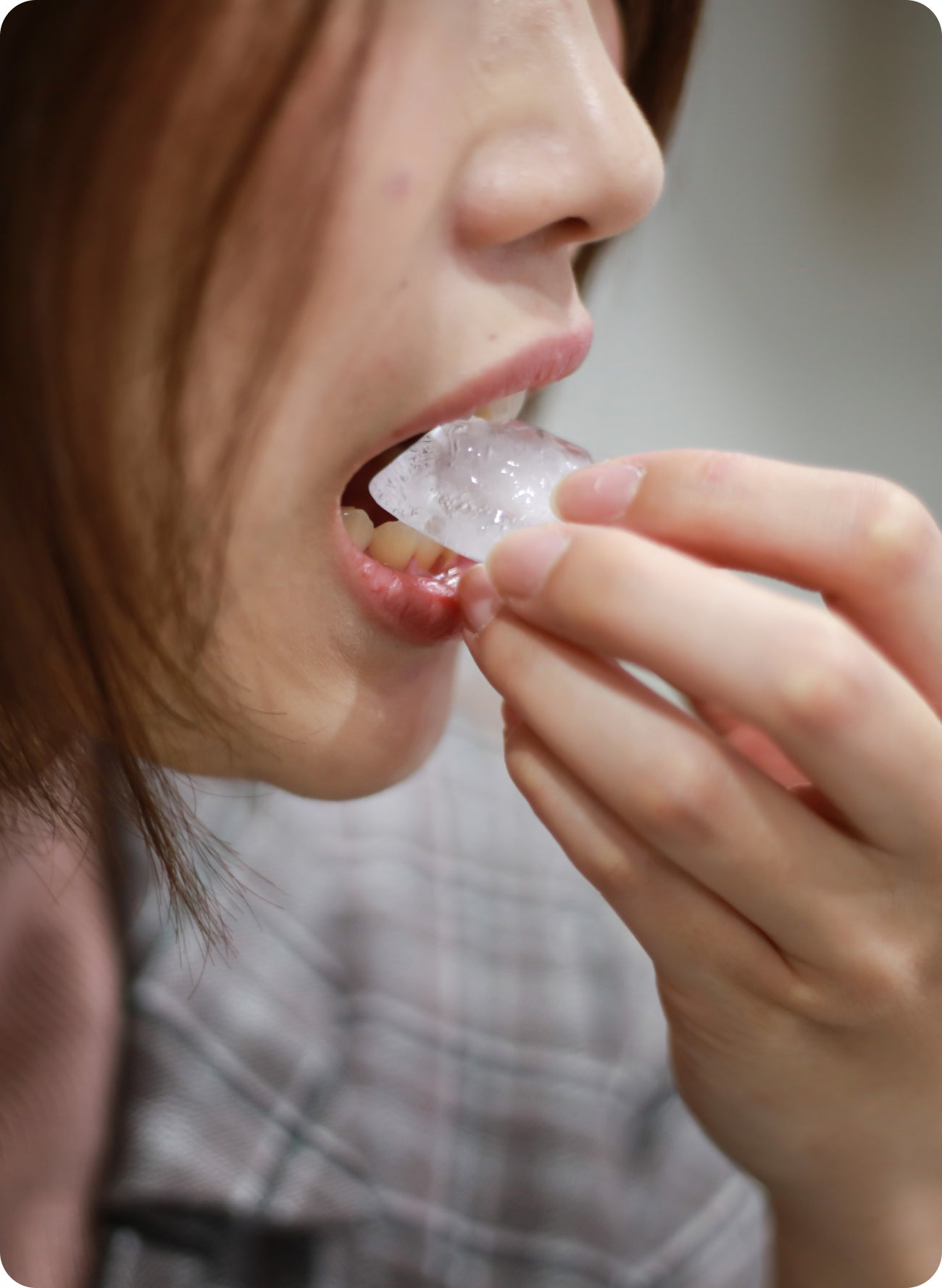
Yes — chewing ice is bad for your teeth. It is one of the most common habits that leads to cracked enamel, chipped fillings, and damaged teeth over time. Ice may seem harmless because it melts, but it is hard enough to place significant stress on your teeth every time you bite down.
What you'll learn in this article:
Ice can crack enamel and fracture teeth — even healthy ones
Two forces cause the damage: physical pressure and thermal shock
Nugget ice is gentler, but still risky to chew regularly
Fillings, crowns, and existing cracks make teeth far more vulnerable
A persistent ice craving can signal iron deficiency anemia
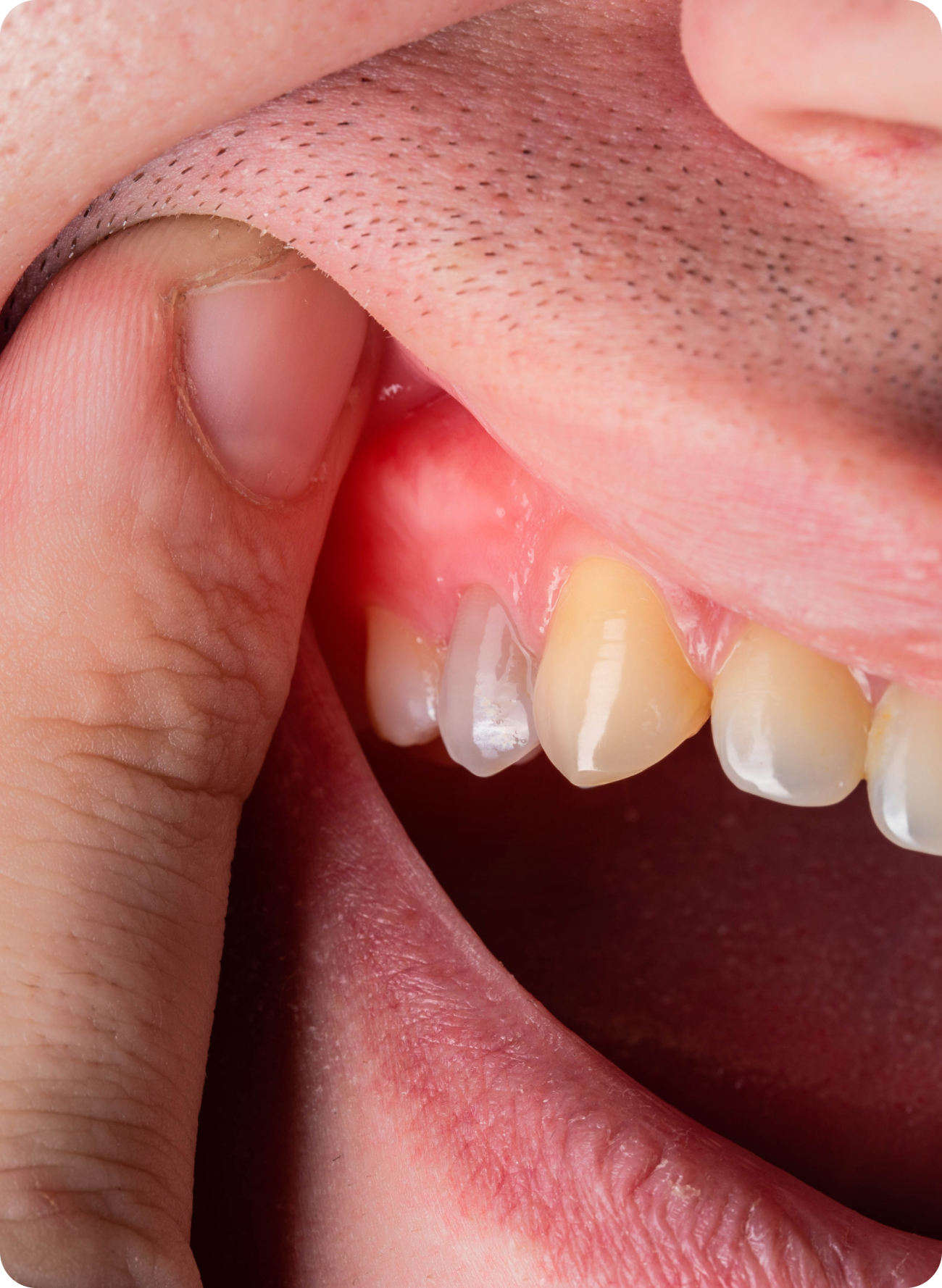
Sensitivity, soreness, or a new rough edge means damage may have started
Cold cucumber slices, frozen grapes, and sparkling water can satisfy the craving without the damage
If you have noticed new sensitivity, rough edges on your teeth, or soreness after chewing ice, your dental provider can help determine whether the habit may already be affecting your teeth.
Why does chewing ice damage your teeth?
Ice looks soft because it melts. But before it melts, it is extremely hard — harder than most foods you eat. Every time you bite down on a piece of ice, you are applying significant force to your enamel. Do that repeatedly, and the damage adds up.
There are two separate ways ice harms your teeth: physical pressure and thermal shock. Most people only know about the first one.
How does ice actually crack a tooth?
Your enamel — the hard outer layer of your tooth — is the hardest substance the human body, but it is also brittle and has limited ability to absorb repeated stress.. Repeated mechanical stress from hard foods can create microscopic fractures over time.
When you repeatedly bite down on something as hard as ice, the force creates tiny stress fractures called craze lines. These are hairline cracks in the surface of the enamel.
On their own, craze lines are not always a problem. But over time, repeated biting can deepen them. A craze line can eventually become a full crack that splits into the inner layer of the tooth. At that point, you may feel sharp soreness when biting, or the tooth may chip or break entirely.
Even a single forceful bite on ice can fracture a tooth — especially one that already has a small crack or an old filling.
What is thermal shock, and why does it matter?
This is the part most people don't know about. When you chew ice, your teeth experience a sudden drop in temperature. Then, as the ice melts, the temperature rises again. This rapid back-and-forth causes your enamel to expand and contract repeatedly.
Over time, this cycle — called thermal shock — weakens the enamel from the inside out. It is similar to what happens when you pour boiling water into a cold glass: the sudden temperature change can cause it to crack. Your enamel responds the same way.
The combination of physical pressure and thermal shock is what makes ice particularly damaging compared to other hard foods.
Can chewing ice damage fillings and crowns?
Yes — and this is where the risk becomes more immediate. Fillings and crowns are designed to withstand normal chewing forces, but ice puts stress on them that goes beyond normal use.
Chewing ice can loosen or crack a filling, chip a crown, or break the bond between a restoration and the tooth underneath. If you have older fillings or crowns, they are especially vulnerable. A damaged restoration leaves the tooth beneath it exposed and at higher risk for decay and further damage.
Can chewing ice cause jaw pain?
Yes. Biting down on ice repeatedly puts significant strain on your jaw muscles. Over time, this can cause soreness, fatigue, or tension in the jaw — and in some cases, it can aggravate the temporomandibular joint (TMJ). If you already experience jaw clicking, popping, or discomfort, ice chewing can make it worse.
What are the signs that ice chewing has damaged my teeth?
Ice chewing damage does not always announce itself with sudden, sharp soreness. It often builds gradually. Watch for these warning signs:
Sensitivity to hot or cold drinks that wasn't there before — this often means the enamel has thinned or a crack has formed
A new rough or sharp edge on a tooth — this can indicate a chip or small fracture
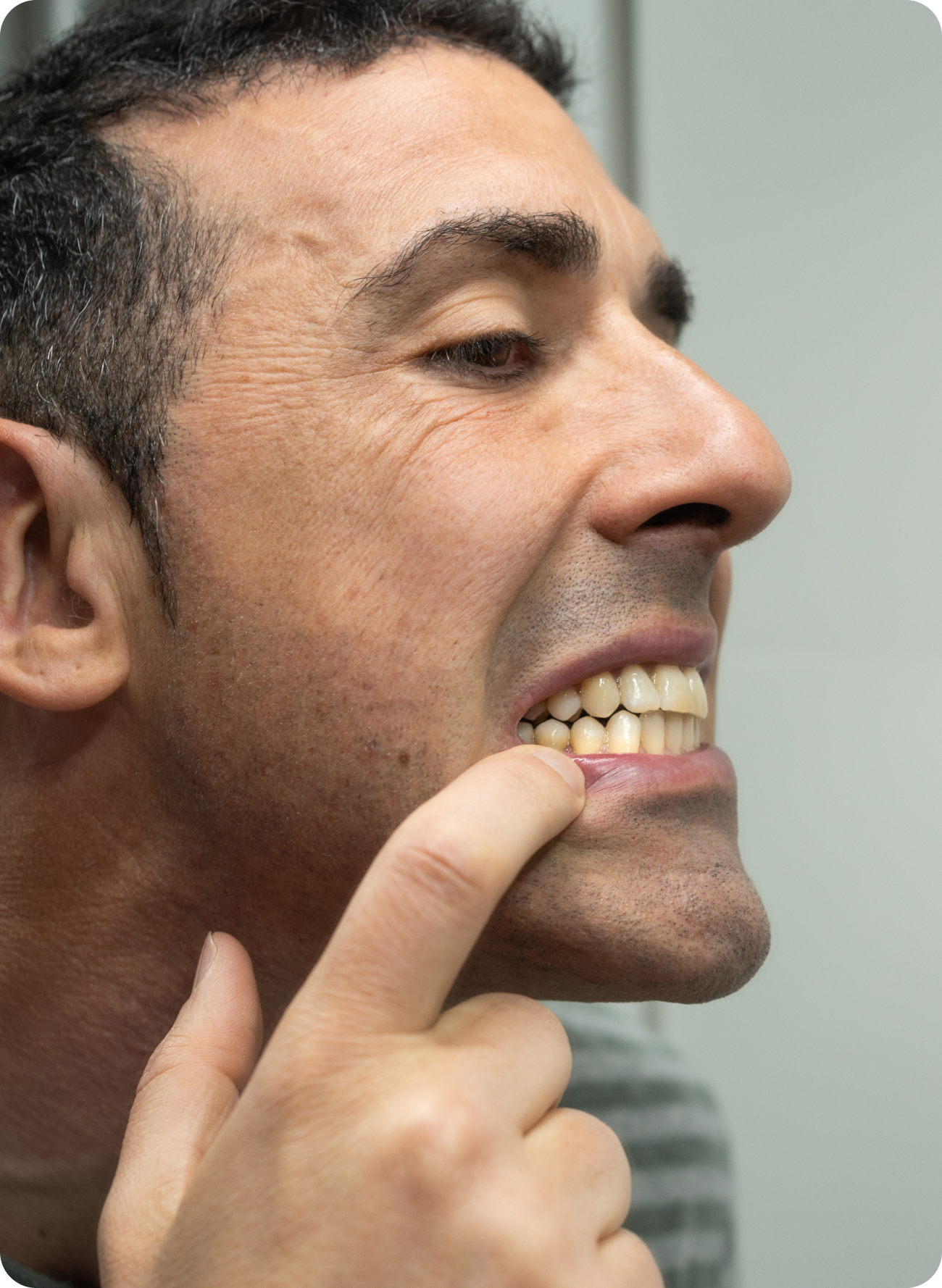
Soreness when biting down on food, especially on one specific tooth
A tooth that looks slightly different — a small chip or a visible crack line
A filling or crown that feels loose or different when you bite
Any of these signs are worth getting checked — the sooner, the better. Small cracks and chips are much easier to treat when caught early. Left alone, they can worsen and require more involved care.
Why do some people crave ice?
Understanding the damage is one thing — but many people find the habit hard to break, even when they know the risks. For many people, chewing ice is simply a habit.
But for some people, the craving is stronger and harder to ignore. This is called pagophagia — a compulsive urge to chew ice that does not go away on its own. Pagophagia is often linked to iron deficiency anemia.
Research has found that roughly 16% of people with iron deficiency anemia report a strong craving to chew ice.1 The exact reason is not fully understood, but one theory is that chewing ice temporarily increases blood flow to the brain, which may help offset the fatigue and mental fog that comes with low iron.
If you find yourself craving ice constantly — not just occasionally — it is worth mentioning to your provider. Treating the underlying iron deficiency often reduces or eliminates the craving.
Is soft or nugget ice safer?
Yes and no. Nugget ice, the soft, chewable kind you find at Sonic or in hospital cafeterias — is gentler on your teeth than hard ice cubes. It requires less biting force and causes less immediate stress on the enamel.
But "safer" does not mean "safe." Nugget ice still causes thermal shock every time you chew it. And if you chew it frequently, the cumulative effect on your enamel is still real. It is a better option than hard cubes, but it is not a habit your teeth will thank you for long-term.
The safest approach is to let ice melt in your mouth rather than biting down on it — or to swap it for something that gives you a similar sensation without the risk.
What can I chew instead of ice?
If you enjoy the cold crunch, a few alternatives are much gentler on your teeth:
Cold water or sparkling water — satisfies the cold craving without the crunch
Chilled cucumber or celery sticks — crunchy, cold, and low in sugar
Sugar-free gum — gives your jaw something to do and stimulates saliva, which protects enamel
Frozen grapes or berries — softer than ice and naturally sweet
If the craving is strong and persistent, talk to your provider. They can help determine whether the habit has already caused any damage and discuss next steps.
When to see a dental provider
If you chew ice regularly, a dental check-up may help identify early signs of damage before symptoms develop. Many cracks and chips are not visible or painful in the early stages, but they are detectable during a professional exam.
See your dentist sooner if you notice:
Sensitivity to hot or cold that is new or getting worse
Soreness when biting down on a specific tooth
A rough or sharp edge where there wasn't one before
A filling or crown that feels different
Early treatment is almost always simpler and less costly than waiting. Schedule an appointment at your nearest Aspen Dental office to have your teeth evaluated and get a clear picture of where things stand.
Is chewing bad for teeth? FAQs
Does chewing ice cause cavities?
Not directly. Ice itself does not contain sugar, so it does not feed the bacteria that cause cavities. However, the cracks and chips that ice chewing creates can make it easier for bacteria to get into the tooth — which can eventually lead to decay. Damaged enamel is also harder to clean effectively.
Can chewing ice damage braces or aligners?
Yes. If you wear braces, chewing ice can bend wires, break brackets, and extend your treatment time. If you wear clear aligners, you should remove them before eating or drinking anything other than water — but chewing ice without aligners still puts your teeth at risk.
Is it bad to chew ice while pregnant?
Ice cravings during pregnancy are common and are often linked to iron deficiency, which is more prevalent during pregnancy. The dental risks are the same regardless of pregnancy status. If you are pregnant and craving ice frequently, mention it to your OB-GYN, midwife, or primary care provider — it may indicate a need for iron supplementation.
How quickly can ice chewing damage teeth?
There is no set timeline. A single forceful bite can fracture a tooth that already has a small crack. For teeth without existing damage, the harm tends to build gradually over weeks or months of regular chewing. The risk increases significantly if you have older fillings, crowns, or any existing cracks.
Will my teeth recover if I stop chewing ice?
Enamel does not regenerate on its own. Once it is worn or cracked, it does not grow back. Stopping the habit prevents further damage, but existing damage will need to be evaluated and treated by your Aspen Dental provider. The sooner you stop and get checked, the better the outcome.
Sources
¹WebMD — What Is Pagophagia? https://www.webmd.com/a-to-z-guides/what-is-pagophagia