Last updated 04.28.2026
Remineralization guide: how to remineralize your teeth
Tooth sensitivity or white spots? Learn how to remineralize your teeth with fluoride, diet and expert dental care.
If you’ve noticed sensitivity when drinking something cold or changes in how your teeth look, you’re not alone. You may also see dullness or chalky white spots near the gumline that don’t improve with brushing alone.
These changes can happen even when you maintain a consistent routine. In many cases, they are related to a process called demineralization, where minerals are lost from the enamel.
The good news is that your body also has a natural process called remineralization. Understanding how these two processes work together can help you take steps to protect your enamel and support your oral health.
What is remineralization?
Remineralization is the process of restoring essential minerals, such as calcium and phosphate, back into your tooth enamel after they have been worn away by acids.
Each time you eat or drink, bacteria in your mouth produce acids that lower the pH and begin to remove minerals from your enamel. This is known as demineralization.
The key is balance. When remineralization keeps up with mineral loss, enamel remains strong. When mineral loss happens faster than repair, enamel can become weaker and more sensitive.
Saliva plays an important role in this process. It helps neutralize acids and delivers minerals back to the enamel surface. With consistent daily oral healthcare habits and regular dental visits, you can support this natural repair process.
Signs you may need to remineralize your teeth
Early signs of enamel changes can be subtle, which is why they are sometimes easy to overlook.
Common signs include:
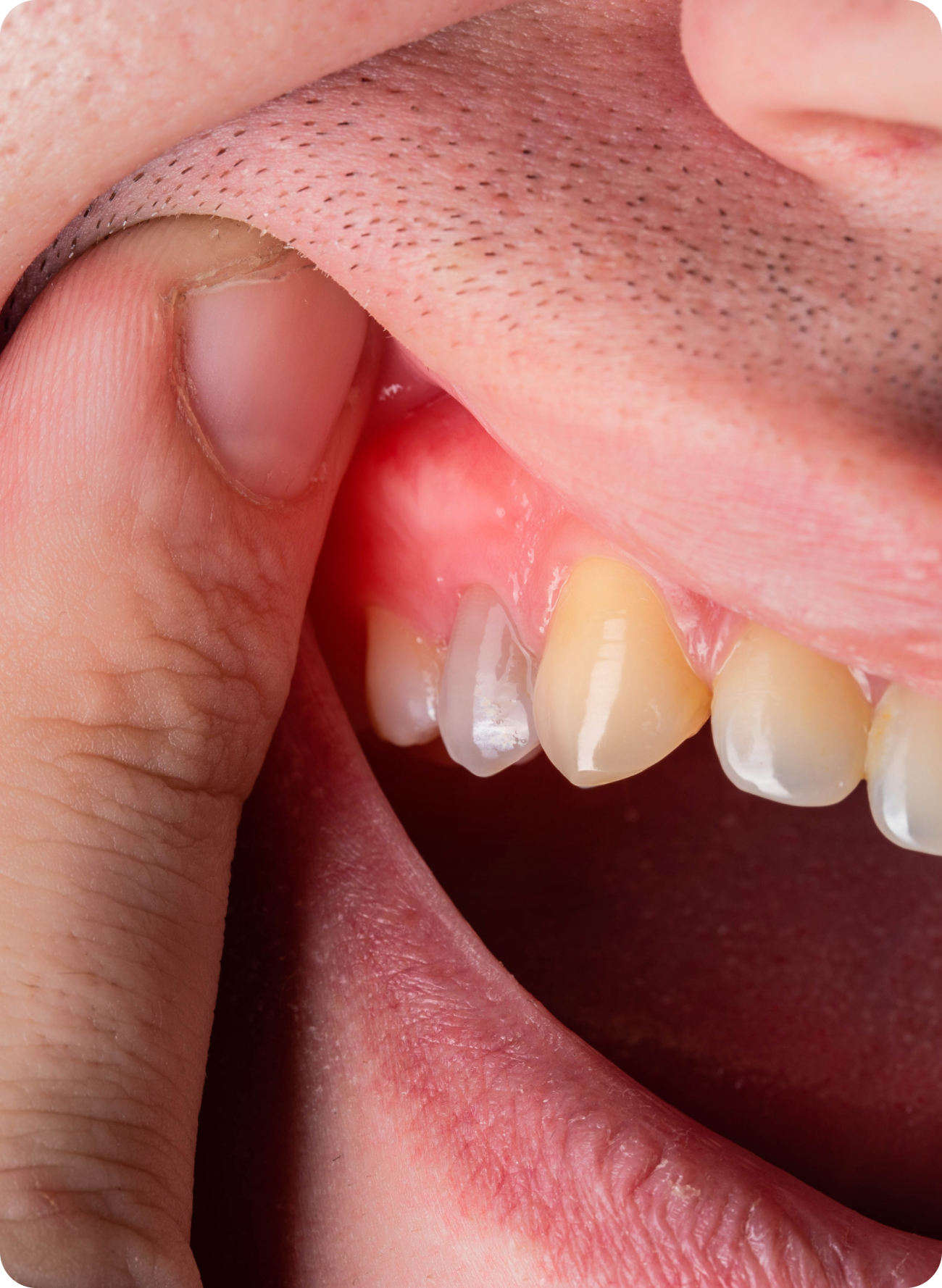
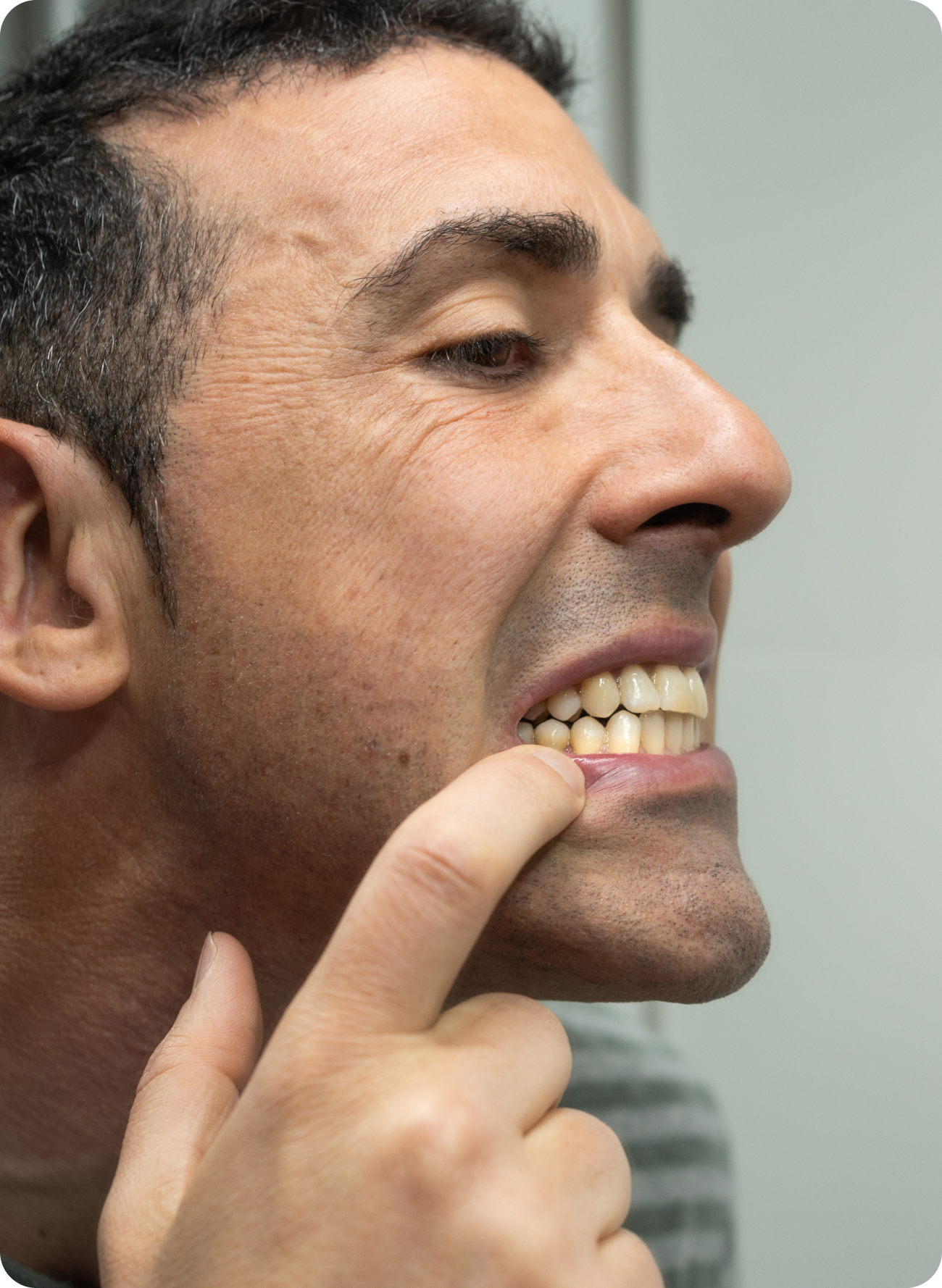
Tooth sensitivity: Sensitivity to hot or cold can occur when enamel thins and exposes the underlying dentin.
White or chalky spots: These areas may indicate early mineral loss.
Dull or yellow appearance: As enamel wears, the dentin underneath may become more visible.
Frequent cavities: Weakened enamel may be more vulnerable to decay.
Rough or uneven edges: This can be a sign of more advanced enamel wear.
If you notice these changes, an evaluation can help determine the best next steps.
How to remineralize teeth: proven strategies
Supporting remineralization involves a combination of daily habits and professional care.
Use fluoride or hydroxyapatite: Brushing twice daily with these ingredients helps strengthen enamel and improve resistance to acids.
Limit sugary and acidic foods: Reducing frequent exposure helps protect enamel. Rinsing with water after meals can help neutralize acids.
Stay hydrated: Saliva is key to remineralization, and staying hydrated helps maintain healthy saliva flow.
Eat a mineral-rich diet: Foods high in calcium and phosphate support enamel health.
Chew sugar-free gum: This can help stimulate saliva and support the remineralization process.
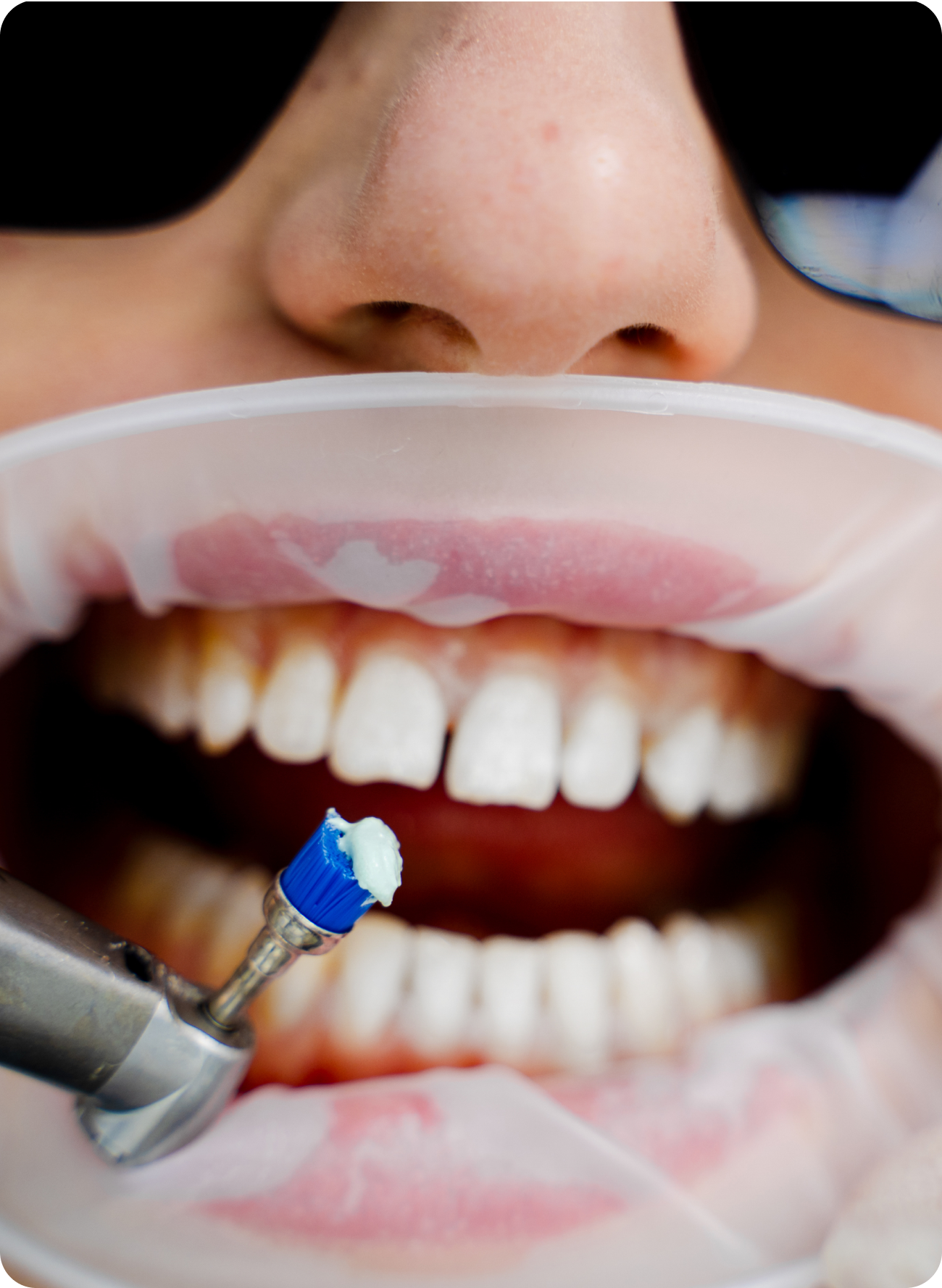
Professional fluoride treatments: Your Aspen Dental provider can recommend treatments that provide additional support beyond at-home care.
Curodont™: This treatment helps support the remineralization process by delivering minerals to the enamel surface.
If you notice signs of enamel changes, your Aspen Dental care team can help create a personalized plan.
How long does it take to remineralize teeth?
The timeline varies depending on the extent of enamel changes and how consistent your routine is.
Early-stage changes, such as white spot lesions, may begin to improve within a few weeks to a few months with consistent care.
More advanced enamel loss may require a longer approach and professional treatments.
Remineralization is a gradual process. Many patients notice reduced sensitivity early on, while visible improvements may take more time.
It’s also important to know that enamel cannot fully regenerate once it is lost. The goal of remineralization is to strengthen and protect the remaining enamel and prevent further damage.
Does remineralizing toothpaste work?
Remineralizing toothpaste can be an effective part of daily care.
These products often contain fluoride, hydroxyapatite or calcium-based compounds that help replenish minerals in the enamel.
With consistent use, they may help reduce sensitivity, support early enamel repair and improve overall enamel strength.
For best results, choose a toothpaste with the American Dental Association Seal of Acceptance and use it as part of a complete oral care routine.
Is remineralizing teeth safe?
Remineralization is a natural and widely supported part of preventive dental care.
The minerals involved, including calcium, phosphate and fluoride, are already part of your body’s natural processes. Fluoride has been used in dentistry for decades and is well-studied.
Hydroxyapatite is also biocompatible and closely matches the mineral structure of enamel.
When used as directed, remineralization strategies are safe and can help support long-term oral health.
How to remineralize teeth naturally
Natural approaches focus on supporting your body’s ability to repair enamel.
Stay hydrated: Helps maintain saliva flow and protect enamel.
Eat a balanced diet: Calcium- and phosphate-rich foods support remineralization.
Limit acidic foods and drinks: Reducing acid exposure allows enamel to recover.
Drink green or black tea: These may help support a balanced oral environment.
Combining these habits with regular dental care helps support long-term enamel health.
When to see a dentist
At-home care is important, but some signs should be evaluated by a dental professional.
You may want to schedule a visit if you notice:
Ongoing sensitivity
White or chalky spots
Frequent cavities
Changes in tooth appearance
Chipping or rough edges
Even mild symptoms can benefit from early evaluation. Your Aspen Dental provider can assess your enamel and recommend next steps.
How to remineralize teeth FAQs
Does remineralizing gum work?
Sugar-free gum can support remineralization by increasing saliva flow. This helps neutralize acids and deliver minerals to the enamel.
How does remineralizing mouthwash work?
Fluoride mouthwash can provide additional mineral support by reaching areas that brushing may miss. Using it at a different time than brushing can help maximize its effect.
Can you remineralize teeth without fluoride?
Yes, some products use alternatives like hydroxyapatite. These can support enamel health, though results may vary depending on your routine and needs.
Can remineralization reverse a cavity?
Remineralization may help reverse very early-stage changes before a cavity fully develops. Once a cavity progresses further, additional treatment may be needed.
What vitamins and minerals help remineralize teeth?
Calcium and phosphate are key minerals for enamel health. Vitamin D supports absorption, and other nutrients may play a supporting role.
How do you know if remineralization is working?
You may notice reduced sensitivity and gradual improvement in early enamel changes. Your Aspen Dental provider can also monitor progress during routine visits.