Last updated 04.30.2026
Burning mouth syndrome (BMS): symptoms, causes and treatment
Burning mouth syndrome causes persistent oral burning. Learn symptoms, causes, and treatments at Aspen Dental.
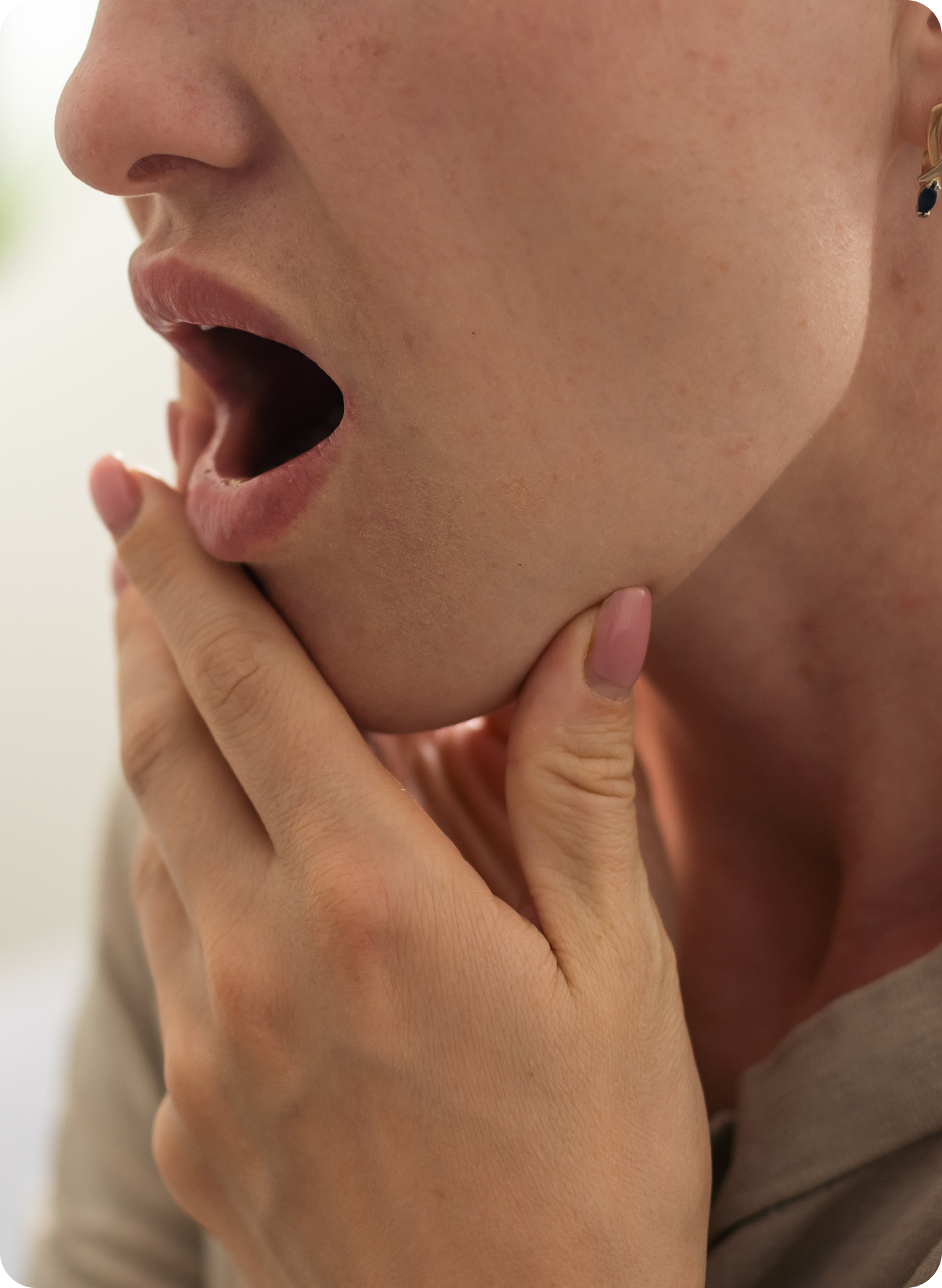
A persistent burning or tingling feeling in your mouth can be difficult to understand, especially when everything looks normal. Burning mouth syndrome (BMS) is a condition where the tissues in your mouth may appear healthy, but the discomfort is still present.
This difference between how your mouth looks and how it feels can make it harder to find answers. Some patients spend time trying to understand their symptoms before receiving a clear diagnosis, which can feel frustrating.
The good news is that BMS is a recognized condition with established ways to evaluate and manage symptoms. With the right care plan and support from your Aspen Dental care team, you can better understand what may be causing your symptoms and how to manage them.
What is burning mouth syndrome?
Burning mouth syndrome is a chronic condition that causes a burning, tingling or scalding sensation in the mouth without a clear visible cause.
It most often affects the tongue but can also involve the lips, gums, roof of the mouth and inner cheeks. Many patients describe the feeling as similar to having burned the inside of their mouth, except the sensation does not go away.
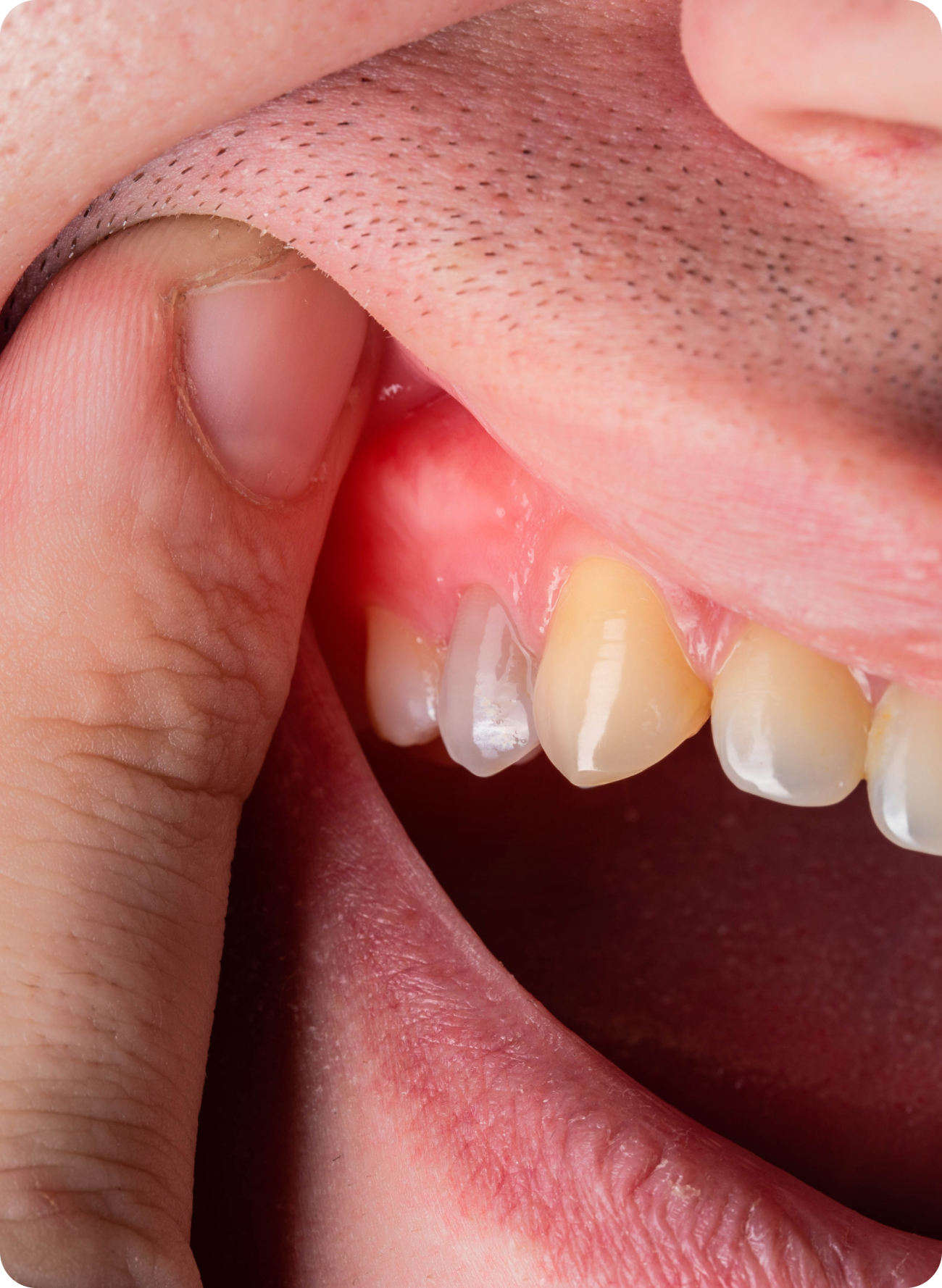
In most cases, the tissues appear normal during an exam. This is because BMS is often related to how nerves process pain signals rather than visible irritation or injury.
Burning mouth syndrome symptoms
Patients may experience a range of symptoms that affect daily comfort:
Burning or tingling sensation in the tongue, lips, gums or entire mouth
Dry mouth
Increased thirst
Changes in taste, such as a metallic or bitter sensation
Reduced sense of taste
These symptoms can affect eating, hydration and overall comfort throughout the day.
Burning mouth syndrome causes
Burning mouth syndrome may be classified as either primary or secondary.
Primary burning mouth syndrome causes
Primary BMS is diagnosed when no underlying medical cause can be identified.
In these cases, the condition is thought to be related to changes in how nerves send and receive signals. The nerves may become more sensitive or send signals even when there is no clear trigger.
Secondary burning mouth syndrome causes
Secondary BMS occurs when symptoms are linked to another underlying condition.
Common contributing factors include:
Hormonal changes: Often seen in postmenopausal patients
Nutritional deficiencies: Low levels of vitamin B12, iron or zinc
Oral yeast infections: Such as Candida overgrowth
Acid reflux: Stomach acid affecting oral tissues
Poorly fitting dentures: Causing irritation or pressure points
Metabolic conditions: Including diabetes or thyroid concerns
Medications: Some medications may affect saliva flow or nerve response
Identifying whether BMS is primary or secondary helps guide the treatment approach.
Medications that can cause burning mouth syndrome
Some medications may contribute to burning mouth symptoms.
Blood pressure medications, including certain ACE inhibitors, have been associated with changes in taste and oral sensitivity. Other medications, such as antidepressants, antihistamines and diuretics, may reduce saliva flow.
Saliva helps protect oral tissues and maintain balance in the mouth. When saliva is reduced, tissues may become more sensitive.
If you think a medication may be contributing to your symptoms, speak with your healthcare provider before making any changes.
Burning mouth syndrome treatment options
Treatment for BMS focuses on managing symptoms and addressing any underlying causes.
Your care journey at Aspen Dental may include:
1. Consultation: Your care team will review your symptoms, medical history and how the condition is affecting your daily life.
2. Diagnosis: Your provider will check for signs of infection, evaluate dental appliances and may recommend testing for nutritional or hormonal factors.
3. Treatment:
For primary BMS, treatment may focus on managing nerve sensitivity
For secondary BMS, treatment may address the underlying cause, such as adjusting dentures or treating an infection
4. Aftercare: Follow-up visits help monitor your progress and adjust your care plan as needed
Your Aspen Dental care team will guide you through each step so you understand what to expect.
How long does burning mouth syndrome last?
Burning mouth syndrome may last for an extended period of time, with symptoms that can vary from day to day.
Some patients notice periods of improvement followed by flare-ups, while others experience more consistent symptoms.
Because BMS can be ongoing, working with a dental provider can help identify patterns, manage symptoms and rule out other conditions.
You may want to schedule an evaluation if symptoms last more than a few days or begin to affect your daily routine.
Managing discomfort before your appointment
While professional care is important, there are ways to help manage discomfort at home:
Cold drinks: Sipping cool water may help soothe irritation
Diet adjustments: Limiting spicy, acidic or hot foods may reduce irritation
Sugar-free gum: Can help stimulate saliva production
These steps may provide temporary relief but do not replace a full evaluation and care plan.
Burning mouth syndrome FAQs
Is burning mouth syndrome dangerous?
Burning mouth syndrome is not considered life-threatening and does not cause visible damage to oral tissues. However, the discomfort can affect daily life, which is why evaluation and management are important.
What medicine is recommended for burning mouth syndrome?
Treatment may include medications that help manage nerve-related discomfort. Your provider will determine what options are appropriate based on your symptoms.
What vitamin deficiency causes burning mouth syndrome?
Low levels of vitamin B12, iron or zinc may contribute to symptoms. Testing can help determine if supplementation is needed.
What does burning mouth syndrome self-care look like?
Self-care may include staying hydrated, avoiding irritants and maintaining a consistent oral care routine. Stress management may also help in some cases.
What is the best toothpaste for burning mouth syndrome?
A mild, non-irritating toothpaste without strong flavors or harsh ingredients may be recommended. Your provider can suggest options based on your needs.
Which mouthwash should I use for burning mouth syndrome?
Alcohol-free mouthwashes are often preferred, as they are less likely to cause irritation. Some patients benefit from rinses designed for dry mouth.
What can be mistaken for burning mouth syndrome?
Conditions such as oral thrush, acid reflux or allergic reactions may cause similar symptoms. A professional evaluation can help determine the cause.
Can burning mouth syndrome go away?
If symptoms are caused by an underlying condition, they may improve once that issue is addressed. For primary BMS, symptoms may be managed over time with the right care plan.
Is burning mouth syndrome contagious?
No, burning mouth syndrome is not contagious.
Take the next step
If you are experiencing ongoing oral discomfort, your Aspen Dental care team can help you understand what may be causing it and what options are available.
With the right evaluation and support, you can take steps toward improving your comfort and daily routine.
Schedule an appointment to learn more.