Last updated 08.24.2026
Emergency room vs. dental office: where should you go for a dental emergency?
Learn when a dental emergency requires the ER and when your Aspen Dental provider is the right choice.

For most dental emergencies, an Aspen Dental office may be an appropriate place to seek care. Emergency rooms can manage severe symptoms and medical complications, but most are not equipped to repair teeth, drain dental infections or perform procedures like fillings, crowns or extractions. If you are in dental distress right now, learn about available appointment options, including same-day appointments where available.
Most dental emergencies — a knocked-out tooth, lost crown, cracked molar or severe toothache — require specialized dental equipment and treatment that hospitals are not designed to provide. Emergency rooms focus on stabilizing life-threatening conditions. Your dentist focuses on treating the underlying dental problem and providing definitive treatment.
What you'll learn in this article:
Which symptoms require an emergency room visit
Which dental emergencies are best treated at a dentist’s office
Why hospitals cannot perform most dental procedures
What to do during a dental emergency before you are seen
How to avoid unnecessary delays and additional medical costs
What is a dental emergency?
A dental emergency is any oral health problem that requires immediate attention to stop bleeding, relieve severe pain, save a tooth or treat a spreading infection. Not every dental problem is an emergency — but when symptoms are severe, worsening or affecting your ability to breathe or swallow, prompt care is essential.
Common dental emergencies include:
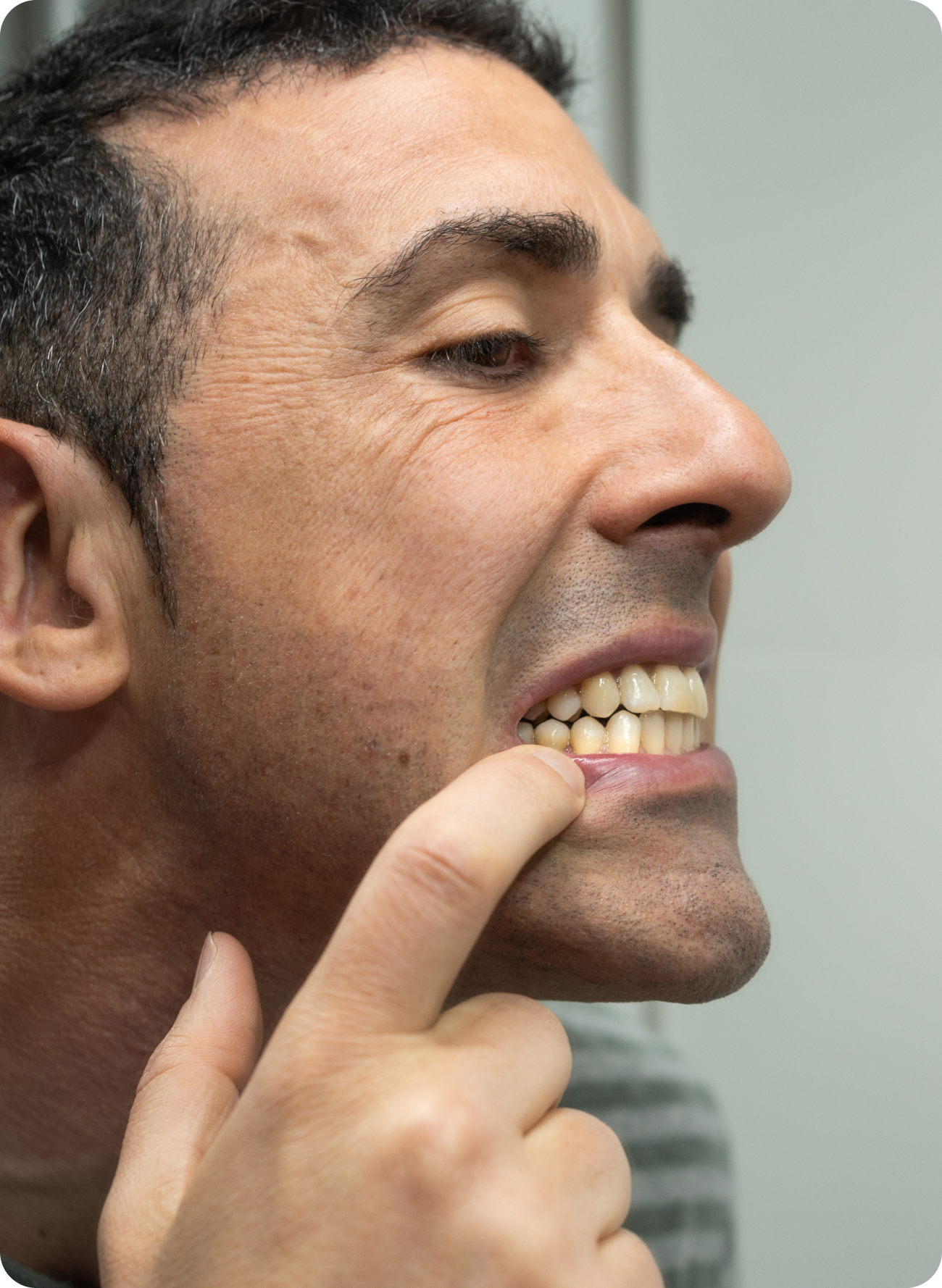
Severe, unrelenting toothache
Knocked out or partially dislodged tooth
Cracked or fractured tooth with pain or sharp edges
Dental abscess with swelling or fever
Soft tissue injury with uncontrolled bleeding
Situations that are urgent but not emergencies:
A small chip with no pain
A lost crown with no sensitivity
Mild toothache that responds to over-the-counter medication
A broken wire on braces (no bleeding)
When the emergency room is the right choice
Most dental issues do not require a hospital visit. However, certain symptoms signal a medical emergency that goes beyond what a dentist can safely treat in an outpatient setting.
Go to the nearest emergency room or call 911 if you experience:
Difficulty breathing or swallowing — this may indicate a severe infection affecting your airway
Swelling extending into the neck or around the eye, which can signal a rapidly spreading infection
Suspected broken jaw or significant facial trauma — facial injuries may require imaging and trauma care
High fever alongside severe swelling — this may indicate the infection has spread beyond the mouth
These symptoms require immediate medical evaluation. Once the hospital stabilizes the condition, you will still need follow-up care with a dentist to treat the dental source of the problem.
Why a dental office is usually the better choice
Most emergency rooms are not equipped to perform routine dental procedures. An ER physician may prescribe antibiotics or medication to reduce swelling and discomfort, but they generally cannot:
Repair a broken tooth
Replace a crown or filling
Perform root canal treatment
Drain a dental abscess
Extract a tooth
According to the American Dental Association, approximately 2 million visits to hospital emergency departments occur each year for dental pain — and many could be treated in a dental office, which may provide more definitive dental treatment and may help reduce overall healthcare costs, representing an estimated $2.4 billion in avoidable healthcare spending annually.¹
This means many patients leave the ER with temporary relief but still need to schedule a dental appointment afterward — resulting in more time, cost and delayed treatment.
What can the ER actually do for dental discomfort?
Emergency rooms can:
Prescribe antibiotics for infection
Provide medication to reduce swelling or discomfort
Treat facial injuries or bleeding
Stabilize serious infections affecting breathing or swallowing
For most other dental problems, the ER will refer you to a dental office for additional dental evaluation and treatment.
Can the ER pull an infected tooth?
Usually not. Emergency rooms generally do not perform routine extractions because they are not staffed or equipped for standard dental procedures. If a tooth needs to be removed, that treatment will typically happen at an Aspen Dental office.
Common dental emergencies commonly treated by your provider
If your symptoms are limited to your teeth, gums or jaw — and you are not having difficulty breathing or swallowing — contact your dentist’s office directly.
Knocked-out tooth
This is one of the most time-sensitive dental emergencies. The American Association of Endodontists notes that treatment within 30–60 minutes offers the best chance of saving the tooth.²
Hold the tooth by the crown, not the root. Rinse it gently if dirty and try to place it back into the socket if possible. If not, store it in milk or a tooth preservation solution and seek care immediately.
Cracked or fractured tooth
A cracked tooth can expose sensitive inner layers to bacteria and temperature changes. Sharp edges may also irritate the tongue or cheeks.
Avoid chewing on that side and schedule an appointment with your doctor promptly.
Lost filling or crown
A lost filling or crown leaves the tooth vulnerable to sensitivity, bacteria and fracture. Temporary dental cement from a pharmacy may help protect the area briefly, but the tooth still needs professional repair.
Dental abscess
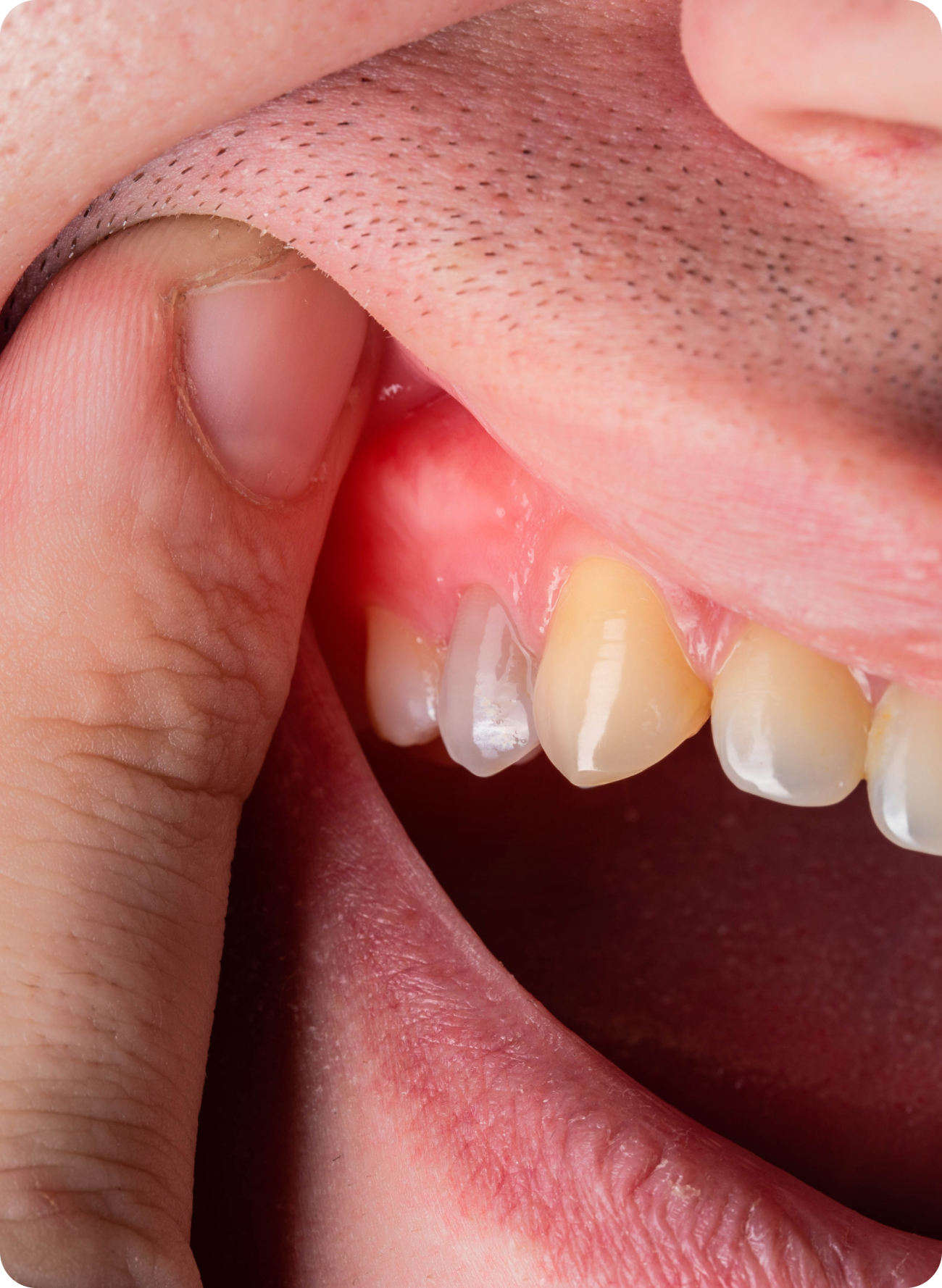
A dental abscess often causes throbbing, swelling or a bump on the gum. It requires professional treatment and will not resolve on its own.
If swelling begins spreading into the face or neck or you develop a fever, go to the ER first.
When to see your dental provider
If your dental emergency does not involve breathing difficulty, severe or spreading swelling or major facial trauma, contact your local dentist directly.
Delaying treatment can:
Allow infection to spread
Increase the risk of tooth loss
Lead to more extensive treatment later
If you are experiencing a dental emergency right now, do not wait. Aspen Dental offices are equipped with on-site digital X-rays, same-day treatment capabilities and extended hours at many locations — so you can get a diagnosis and, in many cases, begin treatment during the same visit. Aspen Dental offices do not charge hospital emergency room facility fees, and treatment in a dental office may help patients avoid an additional hospital visit for dental conditions.
Emergency room vs. dentist FAQs
Is it cheaper to go to the ER or a dental office for a toothache?
Going directly to a dental office may be more cost-effective in many circumstances because emergency rooms often charge facility fees in addition to physician fees, and you will still need dental treatment afterward.
What should you do during a dental emergency after hours?
If you experience a dental emergency outside regular business hours, contact your nearest Aspen Dental office. Certain locations offer evening and weekend availability, and the online scheduling tool can help you find emergency dental care near you with real-time appointment openings. Avoid going to the emergency room for dental pain alone. An emergency dentist may be able to provide treatment that addresses the underlying dental condition, depending on the patient's needs and clinical circumstances.
How do I know if jaw swelling is serious?
Swelling becomes more concerning when it spreads rapidly, affects swallowing or breathing or extends into the neck or eye area. These symptoms require immediate medical attention.
Will the ER prescribe antibiotics for a tooth infection?
Yes. Emergency rooms can prescribe antibiotics to temporarily control infection. However, the source of the infection still needs dental treatment to prevent recurrence.
Can I drive myself to the ER for a dental emergency?
If you are having difficulty breathing, severe swelling or major facial trauma, do not drive yourself. Call 911 or have someone take you. For non-life-threatening dental emergencies, you can usually drive yourself to your appointment.
Sources
¹ American Dental Association. Emergency Department Referrals. https://www.ada.org/resources/community-initiatives/action-for-dental-health/emergency-department-referrals
² American Association of Endodontists. Knocked-Out Teeth. https://www.aae.org/patients/dental-symptoms/knocked-out-teeth/