Last updated 06.25.2026
Diabetes and oral health: why the connection goes both ways
Learn how diabetes and gum disease influence each other, the oral warning signs to watch for and ways to protect your teeth and gums.

Diabetes and oral health affect each other in both directions. High blood sugar can increase your risk of gum disease, and gum disease can make blood sugar harder to manage. Understanding how diabetes affects your mouth can help you recognize warning signs early and take steps to protect your teeth and gums.
What you'll learn in this article:
High blood sugar weakens your body's ability to fight infections in the mouth, which is why gum disease is both more common and more severe in people with diabetes
The relationship isn't one-way — the inflammation caused by untreated gum disease can interfere with insulin and push blood sugar higher
Dry mouth, oral thrush, and a metallic taste are all common oral health changes linked to blood sugar and worth discussing with your dental provider
People with well-controlled blood sugar experience significantly better oral health outcomes than those with poorly managed diabetes
Bringing your diabetes history and medication list to your dental appointment helps your provider give you more complete, coordinated care
If you have diabetes, your mouth can provide important clues about how well your condition is being managed. A visit to an Aspen Dental provider can help identify early changes that might otherwise go unnoticed and support a more complete picture of your health.
How high blood sugar changes your mouth
When blood sugar stays elevated, extra sugar can build up in your saliva. Bacteria feed on sugar, so they can grow faster and build up more easily on your teeth and gums. This increases your risk of cavities and gum disease.1 High blood sugar can also weaken your body's natural defenses. As a result, it becomes harder to fight infection, reduce swelling, and heal after irritation or dental treatment.
Why does diabetes make gum disease more likely?
Gum disease starts when bacteria in sticky plaque irritate the gum tissue. In most people, the immune system limits how far it spreads. In someone with diabetes — especially poorly managed diabetes — that immune response is weaker. Gum disease develops more easily, progresses more quickly, and tends to be more severe.
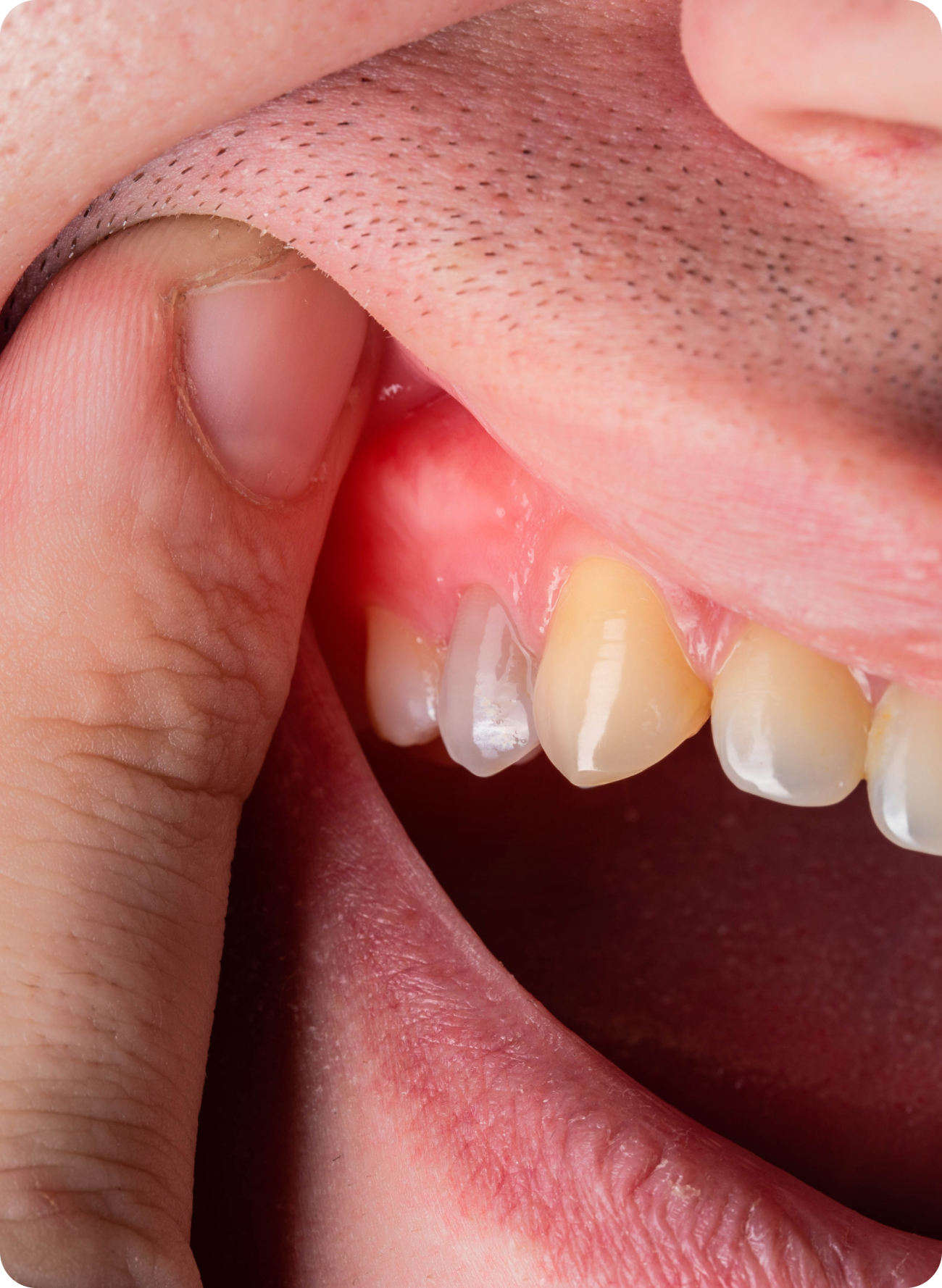
Early gum disease (gingivitis) causes red, swollen gums that bleed when you brush. Left untreated, it advances to periodontitis — a deeper infection that breaks down the bone and connective tissue holding your teeth in place. Without treatment, tooth loss is a real risk.
Can dry mouth make things worse?
Yes — and many people with diabetes experience dry mouth either from high blood sugar itself or as a side effect of their medications. Saliva isn't just for comfort. It rinses away bacteria, neutralizes acids, and helps protect enamel. Without enough of it, bacteria linger longer, cavities form more easily, and gum disease can advance faster. Staying well hydrated and mentioning dry mouth to your dental provider are both important steps.
What is oral thrush, and why do people with diabetes get it?
Oral thrush is a fungal infection caused by too much Candida, a type of yeast that normally lives in the mouth. When blood sugar is high, the yeast can grow more easily and get out of balance. Thrush often appears as white or creamy patches on the tongue, inner cheeks, or roof of the mouth. It may also cause soreness, a burning sensation, or changes in taste. People with diabetes are more likely to develop oral thrush, especially when blood sugar is not well controlled. The good news is that it can usually be treated once it's identified.
The other direction — how gum disease affects blood sugar
Many people know diabetes can affect their gums. Fewer realize that gum disease can also affect diabetes.
Gum disease is more than a problem in your mouth. It can cause ongoing inflammation throughout the body. Over time, that inflammation releases chemicals into your bloodstream that interfere with how your body responds to insulin — pushing blood sugar higher and making it harder to manage.
Research shows that treating gum disease may help improve blood sugar levels in people with Type 2 diabetes.2 While it does not replace diabetes medication or healthy lifestyle habits, it highlights an important fact: your oral health and overall health are closely connected. The American Diabetes Association recognizes this relationship and includes oral health as part of overall diabetes management.
Signs your mouth may be sending a signal
These symptoms don't always point to a serious problem on their own — but in the context of diabetes, they're worth acting on:
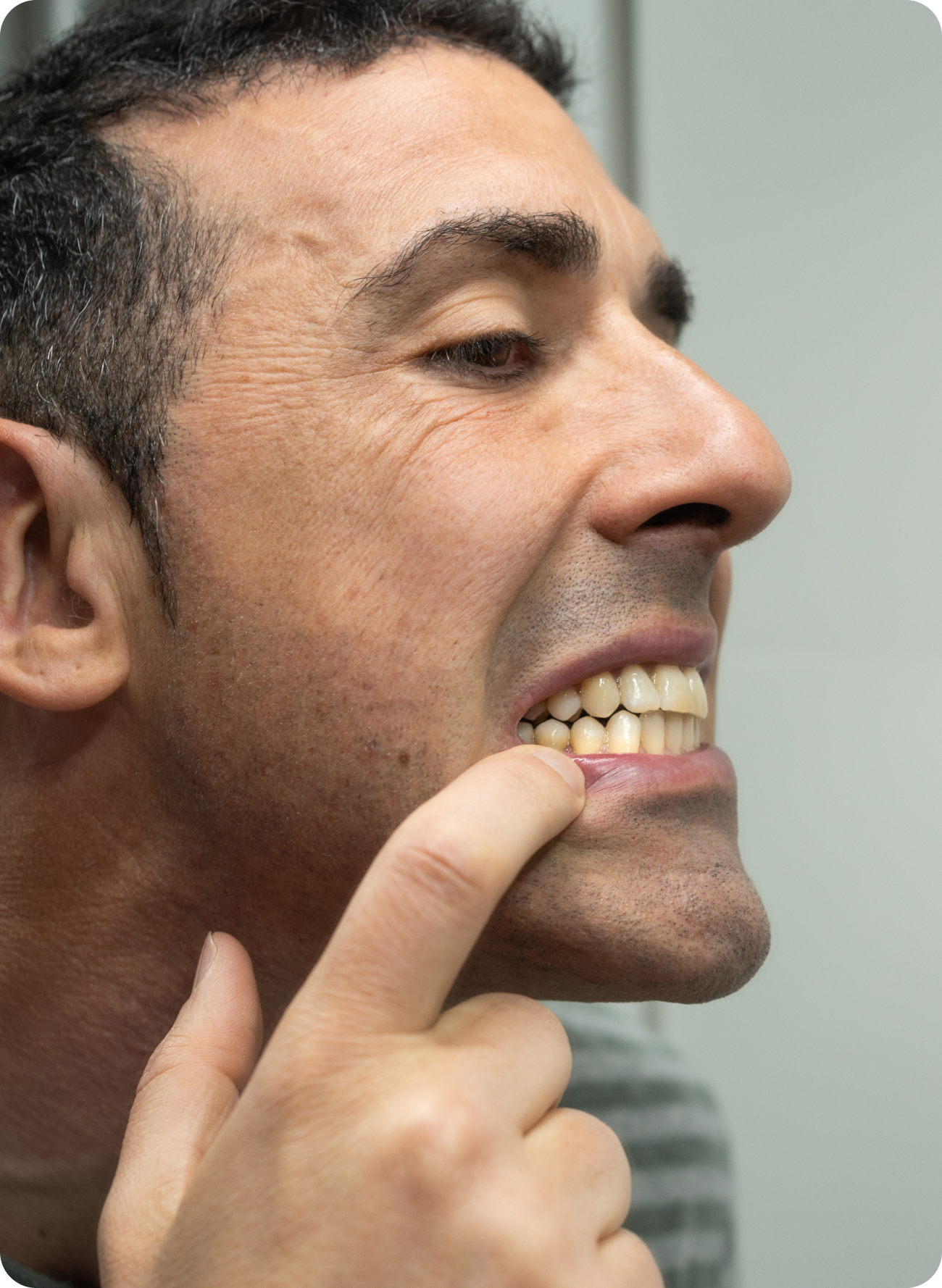
Gums that bleed when you brush or floss
Gums that look red, feel puffy, or are tender to touch
Persistent bad breath that doesn't clear up with brushing
Teeth that feel loose or have shifted position
White or creamy patches on your tongue or the inside of your cheeks
A metallic or unusual taste that won't go away
Dry mouth for most of the day
Wounds or sores in the mouth that are slow to heal
If several of these feel familiar, getting your mouth evaluated soon is the right move.
What to do next
Some people with diabetes benefit from more frequent dental cleanings than the standard twice-a-year schedule. Depending on your gum health and blood sugar control, your dental provider may recommend visits every 3–4 months. More frequent cleanings can help remove harmful bacteria before they lead to bigger problems.
Be sure to tell your dental provider that you have diabetes and bring a list of your medications. If you know your recent blood sugar levels or A1C, share that information as well. It can help your provider evaluate your gums, plan treatment, and support healing.
If your gums bleed, feel swollen, or if it's been more than six months since your last exam, schedule an appointment with dental provider. Taking care of your teeth and gums is an important part of managing your overall health when you have diabetes.
Diabetes and your teeth FAQs
Does diabetes cause a metallic taste in my mouth?
A persistent metallic or unusual taste can be related to elevated blood sugar, changes in saliva from dry mouth or a side effect of certain diabetes medications. It can also be an early sign of oral thrush. If the taste has been there for more than a week or two, mention it to both your medical provider and your dental provider — it may point to something worth monitoring.
Does diabetes make your teeth fall out?
Diabetes doesn't directly cause teeth to fall out, but it significantly raises the risk of severe gum disease — which, if left untreated, can destroy the bone and tissue holding teeth in place. Tooth loss is a well-documented complication of poorly managed diabetes over time. Staying current with dental care and managing blood sugar are the two most effective ways to protect your teeth.
Can gum disease cause diabetes?
Gum disease doesn't cause diabetes. But it can make existing diabetes significantly harder to manage. The inflammation from advanced gum disease reduces how well the body responds to insulin, which drives blood sugar higher. This is different from saying gum disease creates diabetes — but the effect on glucose control is real and clinically recognized.
How often should I see my dental provider if I have diabetes?
For many people with diabetes, every 3–4 months is more appropriate than the standard twice-a-year schedule — especially if gum disease is already present or blood sugar has been difficult to control. Ask your dental provider what interval makes sense for your specific situation. The right frequency depends on your gum health, your blood sugar stability, and any recent changes in either.
Sources
1Centers for Disease Control and Prevention — Oral Health and Diabetes https://www.cdc.gov/diabetes/diabetes-complications/diabetes-and-oral-health.html
2National Institute of Dental and Craniofacial Research — Diabetes and Oral Health https://www.nidcr.nih.gov/health-info/diabetes