Last updated 10.02.2026
My tooth cracked but doesn’t hurt — is it still a dental emergency?
Learn why a painless cracked tooth can still become serious, how cracks spread and which treatments may help save the tooth.

Yes. A cracked tooth that does not hurt can still be a dental emergency. The lack of discomfort often means the crack has not yet reached the nerve — and treatment at this stage may improve the likelihood of preserving the tooth.
If you notice a crack, chip or fracture, schedule an appointment with your nearest Aspen Dental provider as soon as possible. Early evaluation may help identify progression before more extensive treatment becomes necessary.
What you'll learn in this article:
Why "no pain" doesn't mean no problem
Which cracks are ticking clocks
How damage spreads silently beneath the surface
What to do before your appointment
Treatment options by crack type and severity
Why early care saves teeth — and money
Why a cracked tooth can feel completely fine
Teeth have three layers: enamel on the outside (no nerve endings), dentin beneath it (transmits sensation) and pulp at the center (where the nerve lives). A crack confined to the enamel produces no pain at all — which is why patients are often surprised when an provider finds one during a routine exam. The tooth looks and feels completely normal. No throbbing, no sensitivity, no discomfort when biting. But structural integrity is already compromised.
Why does a crack sometimes cause no sensitivity at all?
A crack confined to the enamel often causes no symptoms because it has not reached the nerve. Even deeper cracks may remain painless at first if the tooth forms protective secondary dentin that temporarily insulates the pulp.
This is common in cracked tooth syndrome (CTS), a condition recognized by the American Association of Endodontists in which a tooth can have active structural damage with little or no discomfort. Because symptoms are mild or inconsistent, many patients delay care — allowing the crack to deepen over time.
The types of cracks and why some hurt more than others
Not all cracks carry the same risk. Understanding the type of crack helps explain why some cause immediate sensitivity while others remain silent for a long time.
Craze lines
Craze lines are hairline fractures confined entirely to the enamel. They're extremely common, especially in adults over 40, and typically require minimal-to-no treatment. They don't cause sensitivity and don't threaten the tooth's structure. Your provider may simply monitor them or prescribe non-invasive treatment like occlusal guards or clear aligners if indicated at routine visits.
Fractured cusp
A fractured cusp occurs when a piece of the tooth's chewing surface breaks away, often around an existing filling. Because the fracture rarely reaches the pulp, it frequently causes little to no discomfort. Treatment is usually a crown to restore the tooth's shape and protect the remaining structure.
Cracked tooth
This is a vertical crack that runs from the biting surface downward toward the root. It may or may not have reached the pulp. Early-stage cracks in this category are often asymptomatic — which is precisely why they're dangerous. Left untreated, the crack can extend deeper with each bite, eventually splitting the tooth or infecting the pulp. Depending on the extent of the crack when evaluated, treatment may range from a crown to root canal therapy or extraction.
Vertical root fracture
A vertical root fracture begins below the gum line and travels upward. It's the most difficult crack to detect and often produces no discomfort until significant damage has occurred. These fractures are frequently discovered only when surrounding bone loss or gum infection becomes visible on an X-ray. Extraction is often the only option at that stage — which is why early evaluation matters so much.
Split tooth
A split tooth is what happens when a cracked tooth goes untreated long enough for the crack to travel the full length of the tooth, dividing it into two distinct segments. At this stage, saving the tooth is rarely possible. In some cases, early evaluation and treatment may help reduce the risk of this outcome.
Why a painless crack is still a dental emergency
The logic patients often apply — "if it doesn't hurt, it can wait" — is the most common reason a manageable crack becomes a tooth loss event. Cracks don't heal on their own. Unlike bone, tooth structure cannot regenerate. Every bite you take on a cracked tooth applies force that can deepen the fracture incrementally.
How does a crack progress if left untreated?
Each time you chew, the sides of a crack flex apart and press back together, gradually driving the fracture deeper into the tooth. Once the crack reaches the pulp, bacteria can enter and cause infection — often requiring a root canal or, if the crack extends into the root, extraction.
According to the American Association of Endodontists, cracked teeth are a leading cause of tooth loss, and many begin with little or no symptoms in the early stages.¹
What are the warning signs that a crack is getting worse?
Watch for any of the following between now and your appointment:
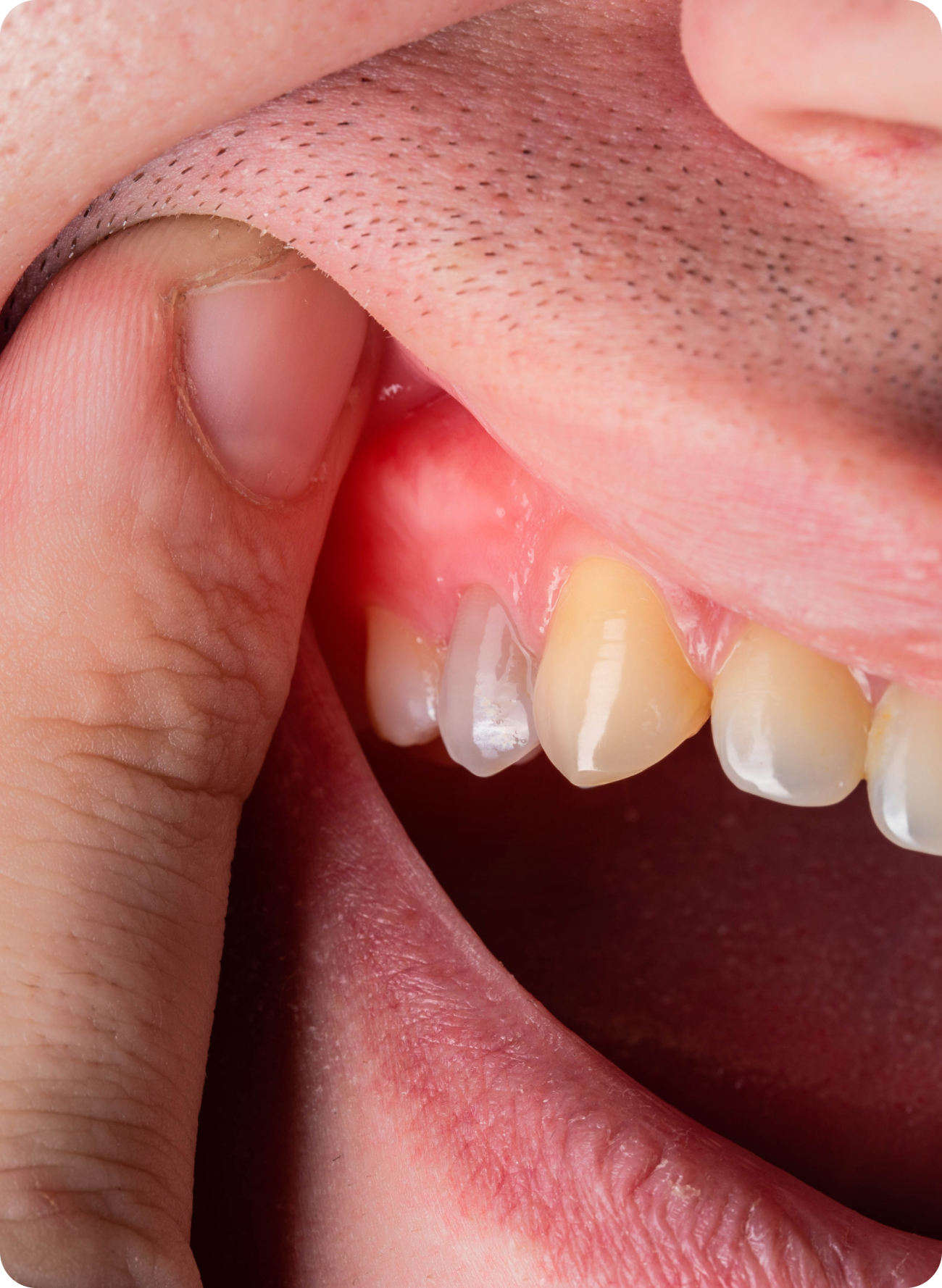
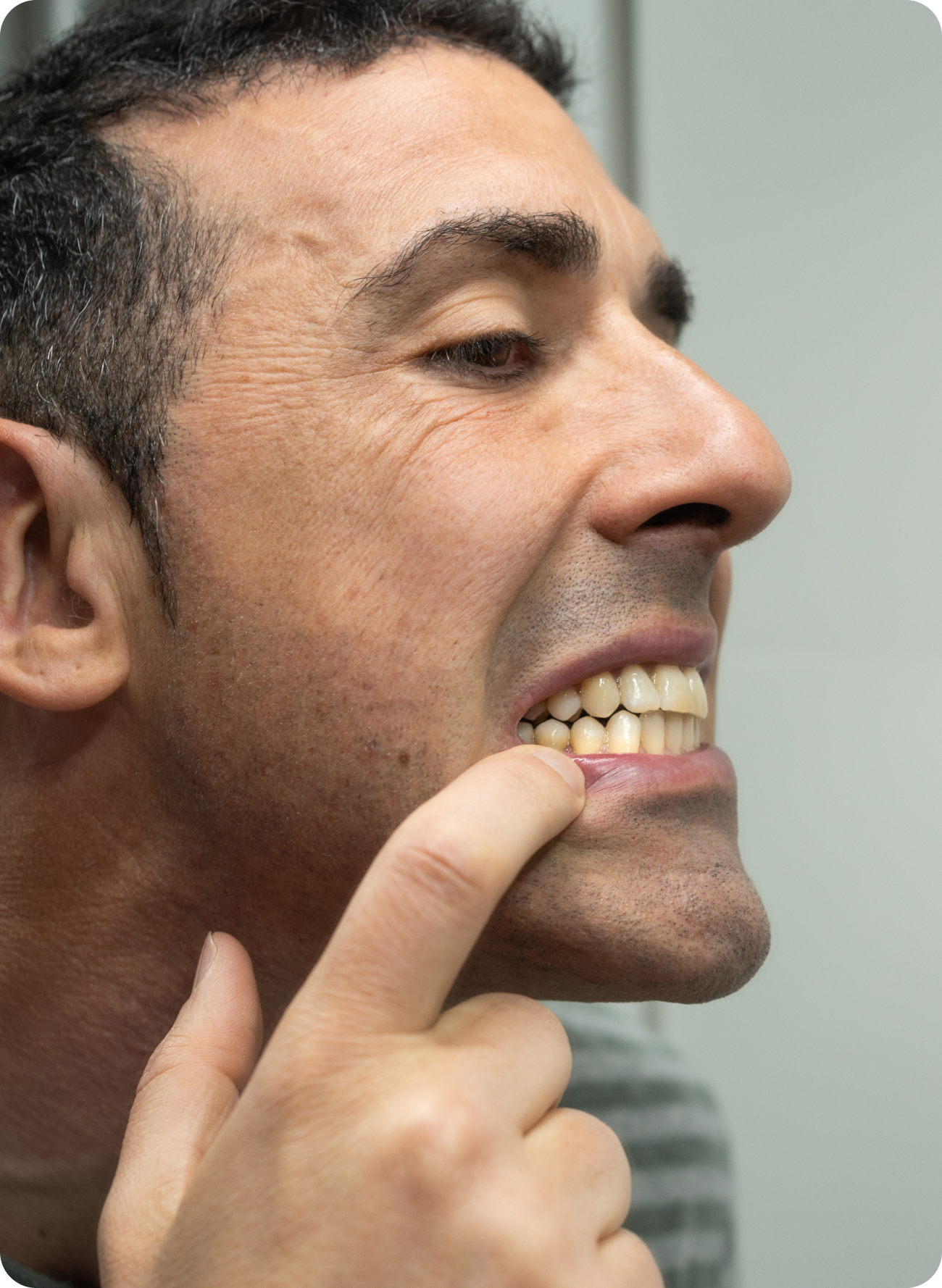
A sharp sensation when biting down, especially when releasing the bite
Sudden sensitivity to cold, heat or sweet foods that wasn't there before
Tenderness along the gum line near the affected tooth
A feeling that something has shifted or that your bite has changed
Visible swelling near the tooth
Any of these signals means the crack has progressed. Contact your Aspen Dental provider promptly — don't wait for your scheduled appointment.
What to do right now while you wait for your appointment
You can't repair a cracked tooth at home, but you can protect it in the short term.
Avoid chewing on that side: Every bite applies pressure that can worsen the fracture. Shift your chewing temporarily to the opposite side until you can be evaluated.
Skip extreme temperatures: Very hot or very cold foods and drinks can trigger sensitivity if the crack is near the dentin. Room-temperature foods are safest.
Don't bite hard foods: Ice, hard candy, popcorn kernels and crusty bread all generate the kind of force that can split a partially cracked tooth.
Use dental wax if there's a sharp edge: If the crack has left a jagged surface that's irritating your tongue or cheek, over-the-counter dental wax can provide temporary cushioning. This is not a repair — it's comfort management only.
Skip DIY fixes: Superglue, nail glue and similar adhesives are not safe for oral use and can complicate professional treatment.
How your Aspen Dental provider evaluates a cracked tooth
Cracks are often too small to appear on standard X-rays, so your provider may use several techniques to identify them. A magnified visual exam can reveal surface fractures, while transillumination — shining light through the tooth — helps highlight crack lines. A bite test may reproduce the sharp discomfort commonly associated with cracked teeth, even when symptoms are mild or inconsistent. In some cases, a CBCT scan provides a detailed 3D view of the crack’s depth and direction.
These tests help determine the type of crack, how far it extends and whether the pulp is involved — all of which guide treatment.
Treatment options for a cracked tooth
Treatment depends entirely on where the crack is, how deep it goes and whether the pulp is involved.
Dental bonding
For minor surface cracks or small chips, tooth-colored composite resin can restore the shape and seal the surface. Best for cosmetic or superficial damage.
Dental crown
The most common treatment for a cracked tooth that hasn't reached the pulp. A crown encases the entire visible portion of the tooth, preventing the crack from spreading and restoring full chewing function.
Root canal therapy followed by a crown
When the crack has reached the pulp, the infected or inflamed tissue must be removed before the tooth can be restored. Root canal therapy clears the pulp chamber; a crown then protects the remaining structure.
Extraction
Reserved for cracks that have split the tooth, extended below the bone level or caused irreparable structural damage. If extraction is necessary, your Aspen Dental provider will discuss tooth replacement options — including dental implants or a bridge — to restore function and prevent neighboring teeth from shifting.
When to see your Aspen Dental provider
If your tooth is cracked — even without any discomfort — schedule an evaluation now. The earlier a crack is assessed, the more treatment options are available and the less invasive those options tend to be. A crack caught at the enamel or early dentin stage often requires only a crown. The same crack, left untreated for months, may require a root canal or extraction.
You don't need to be in distress to seek care. A cracked tooth is a structural problem, and structural problems don't resolve on their own. Visit your local dental provider to have the tooth evaluated. They can determine the type and depth of the crack and recommend the most conservative treatment that protects the tooth long-term.
How to reduce your risk of cracking a tooth
Not all cracks are preventable, but several habits significantly reduce your risk:
Wear a night guard if you grind your teeth
A custom-fitted night guard from your Aspen Dental provider cushions your teeth against the pressure of bruxism and may help reduce the risk of grinding-related cracks.
Avoid chewing ice, hard candy and popcorn kernels
These are among the most common causes of sudden tooth fractures.
Wear a mouthguard during contact sports
A sports guard protects teeth from trauma-related fractures.
Don't use your teeth as tools
Opening packages, biting nails or holding objects with your teeth creates stress on tooth structure that accumulates over time.
Keep up with routine dental exams
Your Aspen Dental provider can identify early craze lines and weakened areas before they become full cracks — and recommend protective treatment before a problem develops.
Emergency dental care for cracked tooth FAQs
Does a cracked tooth always need to be pulled?
No — extraction is a last resort, not a standard outcome. Most cracked teeth can be saved with a crown, and some require root canal therapy before the crown is placed. Extraction is only recommended when the crack has split the tooth completely, extended below the bone level or caused damage that makes restoration structurally impossible. Early evaluation significantly increases the likelihood of saving the tooth.
Can a cracked tooth heal on its own?
No. Unlike bone, tooth enamel and dentin cannot regenerate or repair themselves. A crack will not close or stabilize without professional treatment. In most cases, the crack will gradually deepen with normal chewing forces over time. This is why waiting — even when there's no discomfort — allows a manageable problem to become a more complex one.
How long can I wait before getting a cracked tooth treated?
There's no safe waiting period for a cracked tooth. While a crack confined to the enamel may remain stable for a period of time, there's no reliable way to know how quickly it will progress without a professional evaluation. Cracks that feel fine one week can reach the pulp the next, particularly if you continue chewing on that side. Consider scheduling a dental evaluation promptly after discovering a crack.
What does a cracked tooth feel like?
A cracked tooth may cause no symptoms at all, which is why it is often overlooked early on. When symptoms do appear, the most common is a sharp discomfort when biting down — especially when releasing pressure. Some people also notice new sensitivity to cold, heat or sweet foods, or mild tenderness near the gumline. The absence of constant discomfort does not mean the crack is harmless; many cracks remain painless until they reach the pulp or worsen significantly.
Is a cracked wisdom tooth treated differently?
Sometimes. If a wisdom tooth is cracked and was already a candidate for removal due to impaction or positioning, extraction is often the recommended course. If the wisdom tooth is fully erupted, functional and in a good position, your provider may recommend a crown — the same approach used for other molars. The decision depends on the tooth's overall health and the crack's severity.
Sources
¹ American Association of Endodontists. Cracked Teeth. https://www.aae.org/patients/dental-symptoms/cracked-teeth/