Last updated 06.18.2026
Why do my teeth look transparent at the edges?
Learn what causes transparent tooth edges, why enamel loss matters and which treatments can help protect and restore your teeth.

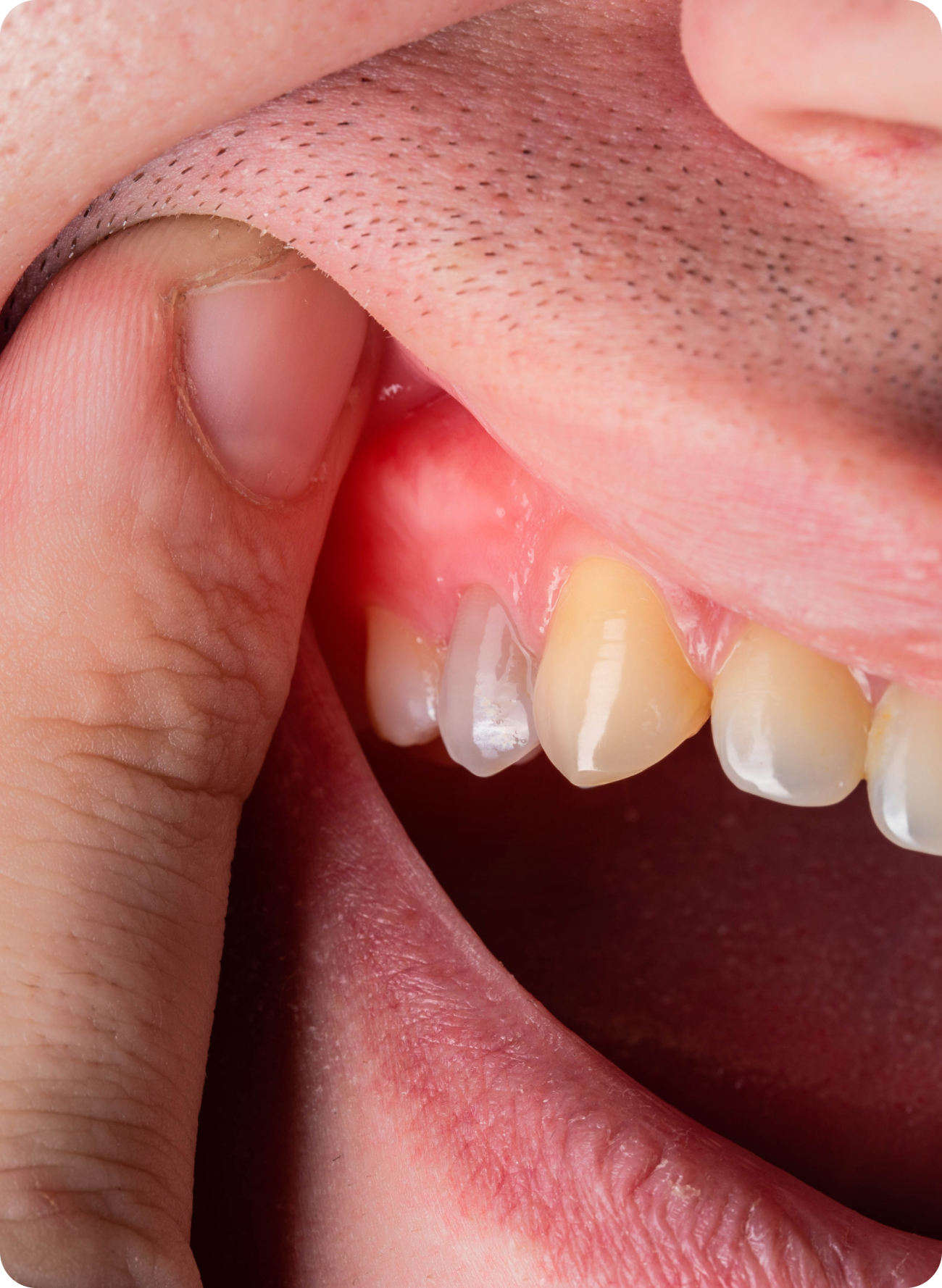
If the edges or tips of your teeth look see-through, it usually means the outer protective layer of the tooth — called enamel — has become thinner. Enamel gives teeth much of their white appearance. As it wears away, the edges can begin to look glassy, bluish, or almost clear. This is known as tooth transparency, and it’s more common than many people realize.
What you'll learn in this article:
Transparent tooth edges are usually a sign of enamel loss, not a normal change in tooth color
Enamel can wear away from acid, teeth grinding, and other causes that often go unnoticed
Acid reflux and GERD are common but frequently overlooked causes of enamel erosion
Early treatment can help slow further enamel loss and protect your teeth Bonding, veneers, and other treatments can help protect teeth and improve their appearance
Without treatment, thinning enamel can increase the risk of sensitivity, chips, and decay over time
If you've noticed your teeth looking more transparent than they used to, an Aspen Dental provider can help determine what's causing the change and whether steps can be taken to protect the enamel you still have.
What makes teeth look transparent?
Teeth look transparent when the enamel begins to thin. Enamel is the hard outer layer that protects your teeth. It is incredibly strong, but it can wear down over time from acid, grinding, and other forms of wear.
Because enamel is naturally somewhat translucent, thinning enamel lets more light pass through instead of reflecting it. This is why the edges of the teeth — where enamel is naturally thinnest — can start to look clear, glassy, or slightly blue.
Underneath the enamel is a yellowish layer called dentin. As enamel wears away, more of that layer can show through, making teeth appear both more transparent and more yellow at the same time.
Why does it happen at the edges and tips?
Enamel is thinnest at the biting edges and tips of your teeth. This is simply how teeth are shaped. Because there is less enamel there to begin with, that is where transparency shows up first — even with relatively minor enamel loss. It does not necessarily mean the damage is severe, but it does mean something has been wearing the enamel down.
What causes enamel to wear thin?
Several things can cause enamel to thin over time. Some are related to daily habits. Others are connected to health conditions you may not immediately associate with your teeth.
The most common causes include:
Acidic foods and drinks — soda, citrus, wine, sports drinks, and vinegar-based foods
Stomach acid — from acid reflux, GERD, or frequent vomiting1
Teeth grinding (bruxism) — often happens during sleep without awareness
Aggressive brushing — using a hard-bristled toothbrush or scrubbing too hard
Genetics — some people are born with thinner enamel or conditions like enamel hypoplasia
Dry mouth — reduced saliva means less natural protection against acid
Is enamel loss reversible?
No. Once enamel is lost, it cannot grow back. Unlike bone, enamel does not contain living cells, so the body cannot replace it.
That is why early treatment is so important. The goal is to protect the enamel you still have, slow further damage, and address any sensitivity or cosmetic concerns caused by enamel loss.
Fluoride can help strengthen remaining enamel and make it more resistant to acid, but it cannot rebuild enamel that has already worn away. The sooner the cause is identified and treated, the better the chance of preventing additional damage.
Can transparent teeth be fixed?
There are effective treatment options depending on how much enamel has been lost and what is causing the problem.
Dental bonding
Dental bonding is one of the most common treatments for mild to moderate transparency. A tooth-colored resin is applied to the affected area, shaped and hardened. It restores the appearance of the tooth and adds a layer of protection. Bonding is relatively quick and does not require removing tooth structure.
Veneers
These are thin shells — usually made of porcelain — that are bonded to the front surface of the tooth. Veneers are often a longer-lasting option for more significant enamel loss and can dramatically improve both the appearance and durability of affected teeth.
Crowns
These are recommended when enamel loss is more extensive and the tooth needs full coverage to protect it from further damage or fracture.
Fluoride treatments
Fluoride treatments are often used alongside other options to strengthen remaining enamel and reduce sensitivity. The right approach depends on the severity of the erosion, the underlying cause, and your overall oral health. A dental provider can evaluate the area and help determine which option makes the most sense for your situation.
How to slow down enamel loss
While you cannot reverse enamel loss, you can take steps to slow it down significantly.
Rinse with water after acidic foods or drinks rather than brushing immediately — enamel is temporarily softened by acid, and brushing right away can accelerate wear. Wait 30 minutes before brushing.
Switch to a soft-bristled toothbrush and use gentle, circular strokes rather than scrubbing back and forth.
Drink water throughout the day to support saliva production and help neutralize acid in the mouth.
Limit soda, sports drinks, and citrus juice — or drink them through a straw to reduce direct contact with teeth.
Talk to your provider about a night guard if you grind your teeth. A custom guard protects enamel from the physical wear of grinding while you sleep.
Address underlying conditions like GERD with your physician. Managing acid reflux reduces the amount of stomach acid reaching your teeth.
When to see your dental provider
Transparent teeth are not usually a dental emergency, but they are a sign that something has been affecting your enamel — and that warrants attention. The longer enamel loss continues without being addressed, the more vulnerable your teeth become to sensitivity, chipping, and decay. You should schedule an appointment if:
You have noticed your teeth becoming more transparent over time
You experience sensitivity to cold, heat, or sweets
You see small chips or cracks forming at the edges
You grind your teeth or have been told you do
You have acid reflux, GERD, or frequent nausea
The transparency is affecting your confidence in your smile
A dental provider can identify the cause, assess how much enamel has been affected, and recommend a treatment plan that protects your teeth going forward.
Why do my teeth look transparent at the edges? FAQs
Can teeth grinding cause transparent teeth even if I don't feel any discomfort?
It can. Many people are unaware they grind their teeth until a provider notices the wear pattern during an exam. Transparent or flattened biting edges are one of the most common visible signs of nighttime grinding.
Are transparent teeth a sign of a serious health problem?
Not always. In many cases, transparent teeth are the result of dietary habits or gradual wear over time. However, if the transparency has developed quickly or is accompanied by other symptoms — like frequent heartburn, digestive issues, or significant sensitivity — it may point to an underlying condition like GERD or celiac disease that is worth discussing with both your provider and your physician.
Will my teeth become more sensitive as enamel wears away?
Often, yes. Enamel acts as a barrier between the outside world and the sensitive inner layers of the tooth. As it thins, the dentin beneath becomes more exposed. Dentin contains tiny channels that connect to the nerve, which is why thinner enamel frequently leads to increased sensitivity to temperature and sweets.
How to fix translucent teeth naturally?
There is no way to fully reverse enamel loss at home. Enamel cannot regenerate on its own. However, you can slow further erosion by reducing acid exposure, using fluoride toothpaste, staying hydrated, and addressing habits like grinding. For visible transparency, professional treatment — such as bonding or veneers — is the only way to restore the appearance and protect the tooth.
Is it normal for front teeth to look slightly transparent?
A small degree of translucency at the very tips of the front teeth can be normal, since enamel is naturally thinnest there. What is not normal is transparency that is increasing over time, spreading beyond the tips, or accompanied by sensitivity, discoloration, or chipping.
Sources
1National Institutes of Health — Gastroesophageal Reflux Disease (GERD): https://www.niddk.nih.gov/health-information/digestive-diseases/acid-reflux-ger-gerd-adults