Last updated 06.18.2026
What happens if you skip the crown after a root canal?
Learn why a crown is often the final step after a root canal and what can happen if treatment is delayed or skipped.

Skipping the crown after a root canal can greatly increase the risk of the tooth cracking, becoming reinfected, or eventually needing to be removed. A root canal removes the infection, but it also leaves the tooth weaker and more brittle than before. Without a crown to protect it, everyday chewing can place enough stress on the tooth to cause damage over time.
The sooner a crown is placed, the better the chance of protecting the tooth and avoiding more extensive treatment later.
What you'll learn in this article:
Root canal-treated teeth are significantly weaker and more prone to fracture
The biggest risk — a vertical root fracture — often means losing the tooth entirely
Throbbing, bite pain, or gum swelling are warning signs that need prompt attention
Back teeth almost always need a crown; front teeth sometimes don't
Every week without a crown raises the risk of fracture or reinfection
Losing the tooth costs far more than placing a crown would have
Simple precautions can protect the tooth while you wait for your appointment
If you've had a root canal and aren't sure whether you need a crown, schedule an appointment with your dental provider. They can evaluate the tooth, explain your options, and help protect it from further damage.
Why the tooth becomes fragile after a root canal
A root canal removes the infected pulp from inside the tooth. While this saves the tooth, it can also leave it more vulnerable to cracking over time. Part of the tooth's internal structure is removed during treatment, and an opening must be made to reach the root canals.
As a result, the tooth is no longer as strong as it was before. It can still function normally, but it is more likely to crack under the pressure of everyday chewing, especially in the back of the mouth.
A crown helps protect the tooth by covering it completely and spreading biting forces more evenly. Without that protection, the tooth is much more vulnerable to fracture.
What happens when you skip the crown?
The tooth can fracture — sometimes beyond repair
The biggest risk of skipping a crown is a cracked tooth. A root canal removes the pulp that once kept the tooth hydrated and resilient — what's left is structurally weaker and significantly more vulnerable to fracture under normal chewing forces.
Sometimes the damage happens gradually from chewing every day. Other times, biting into something firm is enough to cause a fracture.
If the crack stays above the gumline, the tooth can often be repaired. But if it extends below the gumline or into the root, the tooth may no longer be salvageable and could require removal.
Research has shown that root canal-treated teeth protected with crowns have higher long-term survival rates than those restored with fillings alone.¹
You may not feel the damage happening
Because the nerve was removed during the root canal, the tooth can no longer send pain signals. That means a crack can form — or bacteria can re-enter — without any warning. By the time discomfort appears, the damage is often already severe. This is one of the most important reasons not to wait: the tooth will not tell you when something is wrong.
Bacteria can get back in
After a root canal, the inside of the tooth is sealed to prevent infection. But that seal still needs long-term protection. Without a crown, bacteria can enter through the top of the tooth and eventually reach the treated area again.
This is called recontamination, and it can lead to a new infection. If that happens, the tooth may need another root canal or, in some cases, may need to be removed.
You could lose the tooth you worked to save
The ultimate goal of a root canal is to save your natural tooth for as long as possible. Skipping the crown can jeopardize that outcome. If the tooth cracks below the gumline or develops a severe infection, it may no longer be repairable. At that point, removal may be the only option. Replacing a missing tooth with an implant or bridge is usually much more involved — and more expensive — than placing a crown to protect the tooth in the first place.
How long can you safely wait?
Most dental providers recommend placing a crown within a few weeks of completing a root canal. After treatment, a temporary filling is used to seal the opening in the tooth, but it is only meant to be a short-term solution.
Over time, a temporary filling can wear down, crack, or allow bacteria to seep in. It also does not strengthen the tooth or protect it from breaking.
The longer you wait, the greater the risk of damage. If you're delaying a crown because of scheduling or cost concerns, talk with your dental provider about your options. Protecting the tooth sooner gives it the best chance of long-term success.
Are there cases where a crown isn't needed?
Yes, but those cases are less common. Whether a crown is needed depends on which tooth had the root canal and how much healthy tooth structure remains.
Back teeth, such as molars and premolars, handle the most chewing force and almost always need a crown for protection. Front teeth experience much less pressure, so if most of the tooth is still intact, a permanent filling may sometimes be enough.
Your dental provider will consider the tooth's location, strength, and remaining structure before making a recommendation. If a crown is advised, it is because the tooth is at higher risk of damage without one.
Warning signs to watch for while you wait
If you are between your root canal and your crown appointment, pay attention to how the tooth feels. Some sensitivity in the days immediately following a root canal is normal. What isn’t normal:
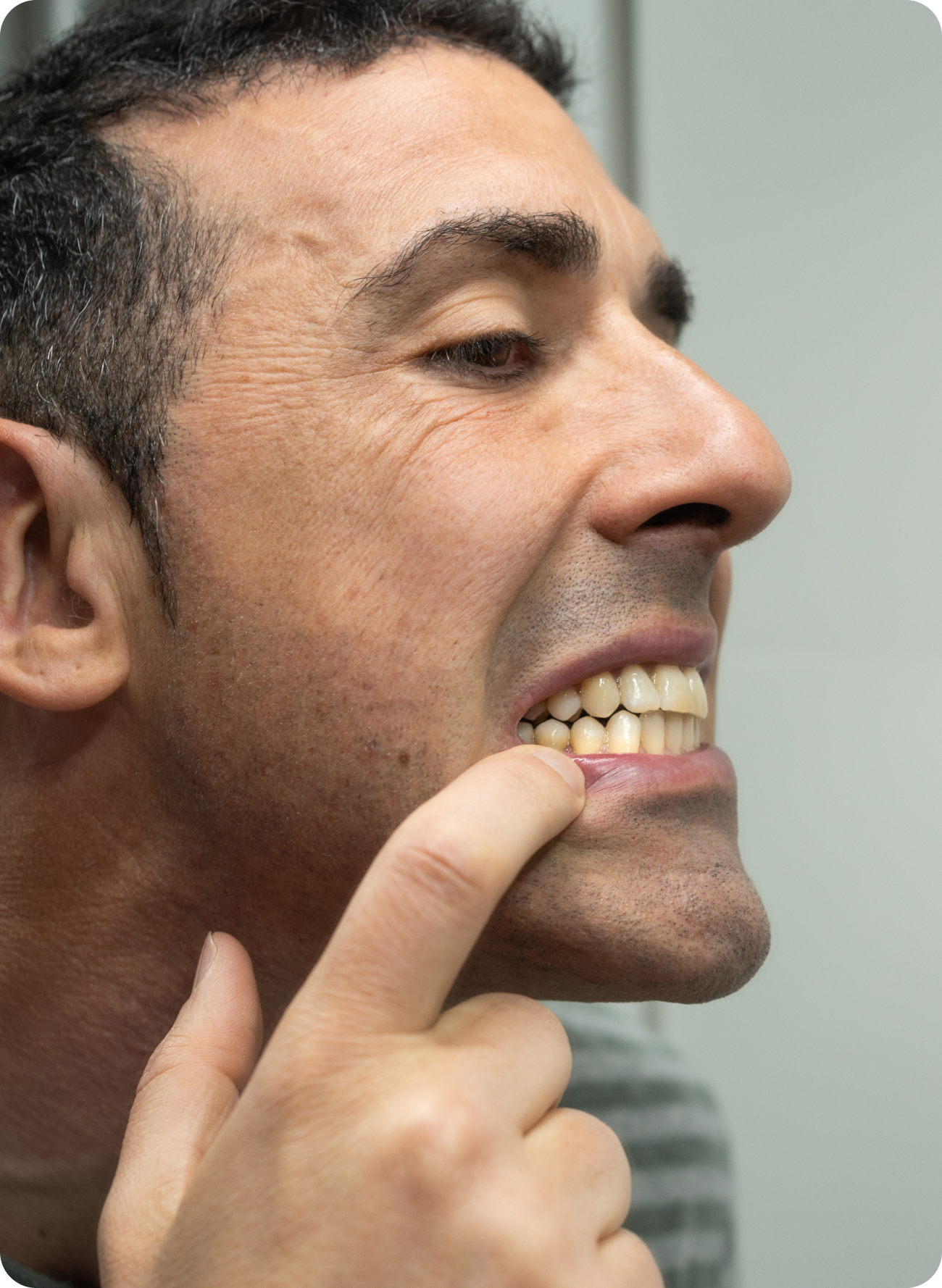
Sudden sharp discomfort when biting down — this can signal a crack forming
Throbbing or aching that does not improve — this may indicate reinfection
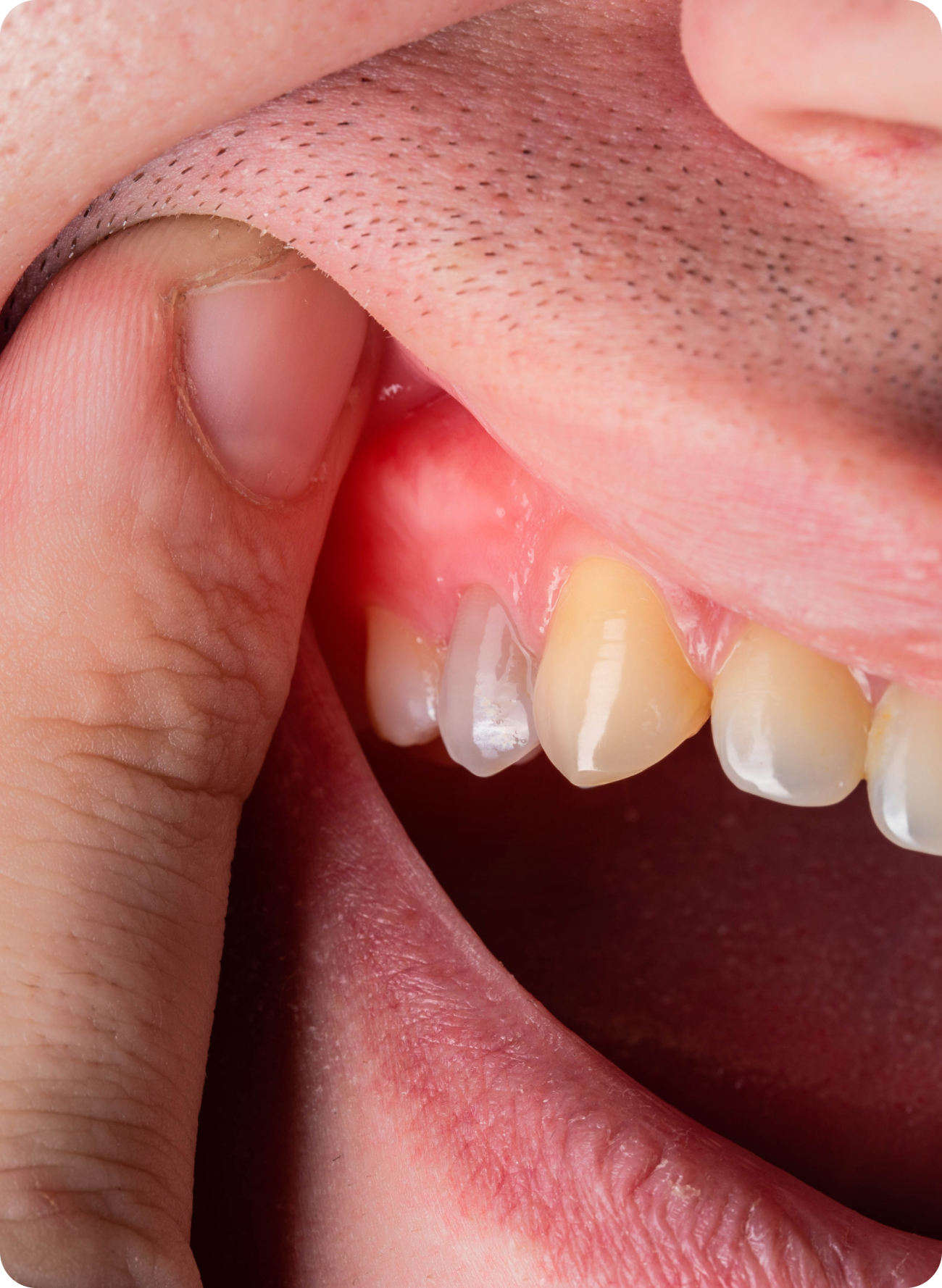
Swelling in the gum near the treated tooth — a possible sign of an abscess
The temporary filling feeling loose, crumbly, or missing — the tooth is now unprotected
Visible cracks or chips in the tooth — the structure is already compromised
If any of these occur before your crown appointment, contact a dental provider right away. Do not wait for the scheduled visit.
When to see your dental provider
If you've completed your root canal but haven't scheduled your crown, now is the time. The American Association of Endodontists recommends placing a permanent restoration soon after root canal treatment to help protect the tooth and support long-term success.² For most root canal-treated teeth, the crown is a critical part of long-term protection. It's the final step that helps protect the treated tooth from damage and keeps the results of your root canal intact. Visit an Aspen Dental office near you to schedule your crown placement. If cost or timing is a concern, your dentist can discuss options to help keep your tooth protected.
What if you skip the crown after a root canal? FAQs
Can I eat normally while waiting for my crown?
You can eat, but you should be careful. Avoid chewing on the side of the mouth where the treated tooth is located. Stay away from hard, crunchy, or sticky foods — these put the most stress on an unprotected tooth. Eating softer foods on the opposite side is usually the safest approach until the crown is placed.
What if my temporary filling falls out before my crown appointment?
Call your dental provider as soon as possible. A missing temporary filling leaves the tooth completely exposed to bacteria and chewing forces. This is not something to wait on — the tooth needs to be resealed quickly to reduce the risk of reinfection or fracture.
Do I need to be numb for the crown procedure?
Most patients receive local anesthesia for crown placement, though the experience is typically much less involved than the root canal itself. Because the nerve was removed during the root canal, the tooth itself does not feel the procedure — but the surrounding gum tissue is still sensitive, which is why anesthesia is used.
How much does a crown cost after a root canal?
Crown costs vary depending on the material, the tooth's location, and your insurance coverage. Your dental provider will give you a clear cost estimate before treatment begins. If cost is a concern, ask about available payment options — protecting the tooth now is almost always less expensive than replacing it later.
Is it possible the crown will need to be replaced someday?
Crowns are durable but not permanent. Over time, the material can wear down or the fit can change as the surrounding teeth shift. If a crown ever feels loose, uncomfortable, or visibly damaged, schedule an evaluation with your dental provider rather than waiting for it to fail completely.
Why does my crown hurt after a root canal?
Some sensitivity around the gum tissue is normal for a few days after crown placement. If you feel sharp pain when biting down, persistent throbbing or discomfort that does not improve after a week, contact your Aspen Dental provider. These can be signs that the crown needs a minor adjustment or that the underlying tooth needs attention.
Sources
1Systematic review of single crowns on endodontically treated teeth — International Endodontic Journal / Europe PMC: https://europepmc.org/article/med/17822823
2American Association of Endodontists — clinical guidance on coronal restoration after root canal treatment: https://www.aae.org/patients/root-canal-treatment/what-is-a-root-canal/