Last updated 06.10.2026
Why do I have a new gap between my teeth?
Learn what can cause a new gap between teeth, when shifting may signal gum disease and how gaps can be treated.

A new gap between your teeth in adulthood is most often caused by gum disease, bone loss, a missing tooth, tongue pressure, or a thick band of tissue between the teeth. A gap that suddenly appears in adulthood is different from one you've always had — especially if it seems to be getting wider.
What you'll learn in this article:
A new gap in adulthood usually means something in your mouth has changed — and gum disease is the most important cause to rule out
Teeth can shift over time, and a new or widening gap should not be ignored
Some gaps are cosmetic, while others can lead to bone loss or loose teeth if left untreated
Many gaps can be closed, but treating the underlying cause comes first
Catching the problem early often makes treatment easier and helps protect your teeth and gums
If you have noticed a new space between your teeth or changes in the way your bite feels, an Aspen Dental provider can help determine what may be causing the shift.
What causes a new gap to appear between teeth?
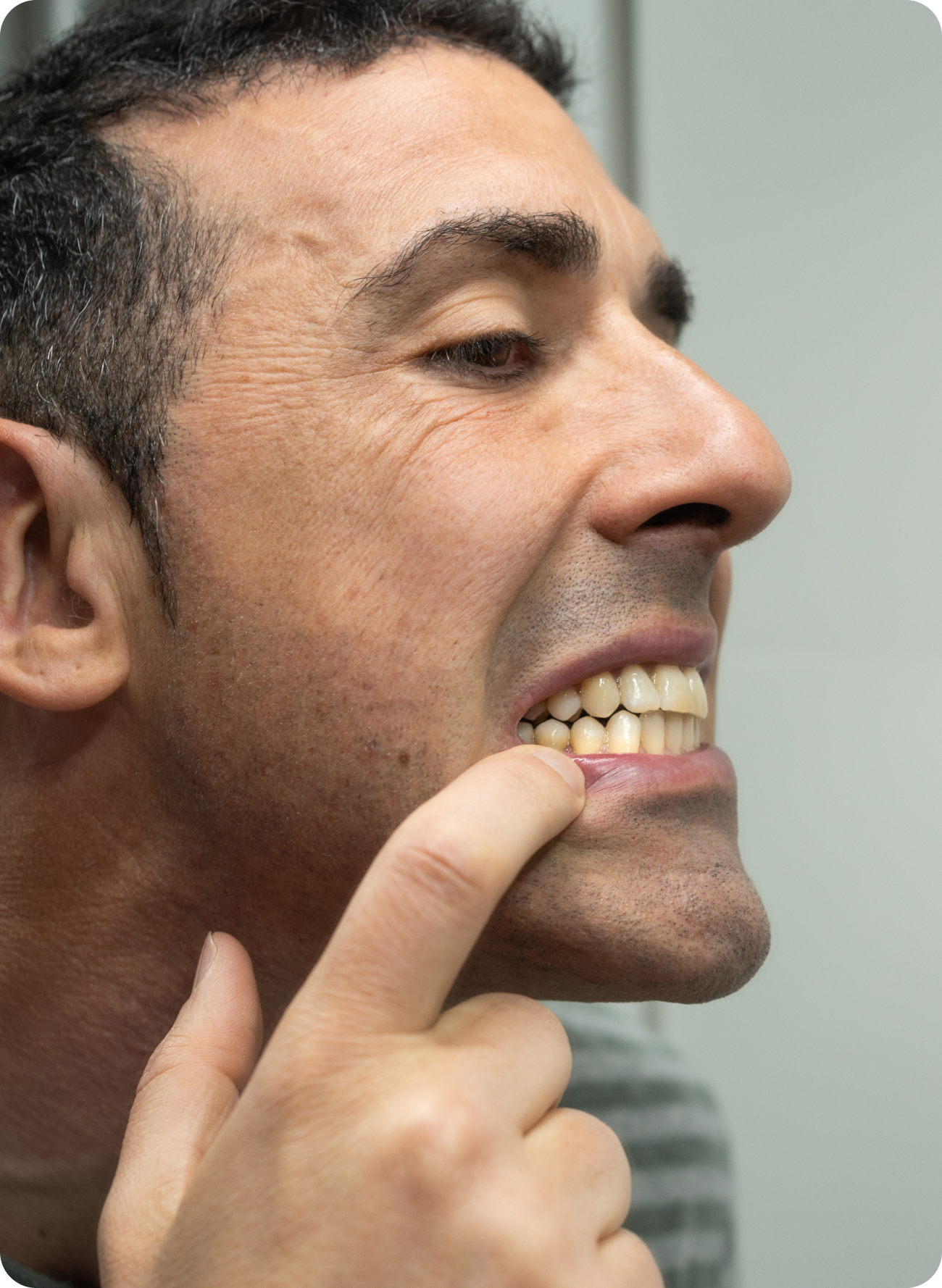
A gap between teeth is called a diastema.1 Some people are born with one, and it may not cause any problems. But a new gap in adulthood is different. If a space appears or gets wider, it usually means your teeth have shifted or something has changed in the gums, bone, or bite.
Why gum disease can cause teeth to shift apart
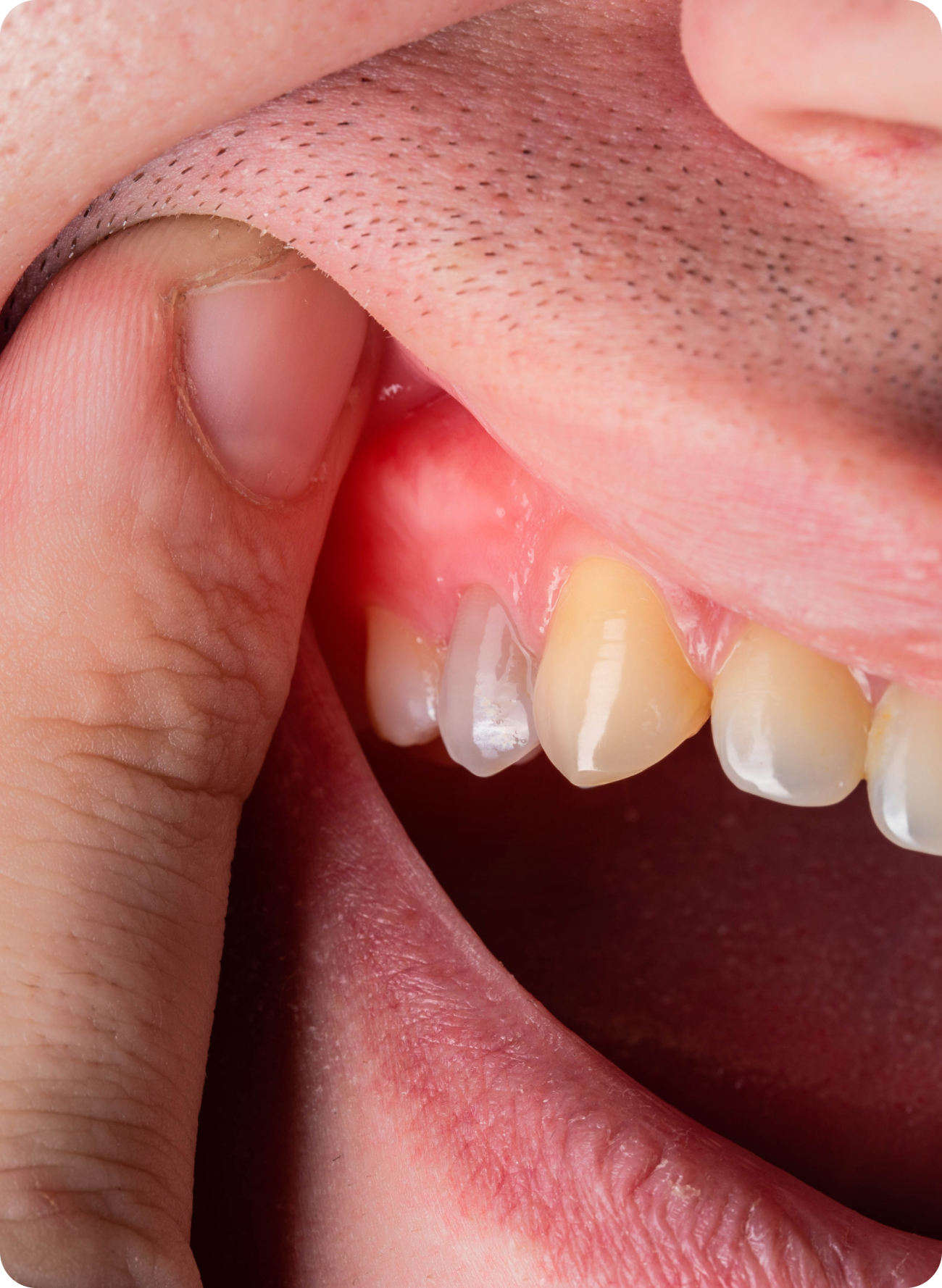
Gum disease — also called periodontitis — is the most important cause to rule out. When gum disease is not treated, it can damage the bone that holds your teeth in place. As that support weakens, teeth can shift and gaps can appear. If a new gap comes with bleeding gums, sore gums or teeth that feel loose, it should be checked soon.
According to the CDC, nearly half of adults over age 30 have some form of gum disease.2 Many people don't realize they have it until they notice a visible change — like a new gap.
What signs suggest the gap may be from gum disease?
A new gap may be linked to gum disease if you also notice bleeding gums, gum recession, bad breath, a bad taste, loose feeling teeth, or a bite that feels different. These signs can mean the bone supporting your teeth has started to weaken. The sooner gum disease is treated, the easier it is to slow or stop the shifting.
Can losing a tooth cause a gap to form nearby?
Yes. When a tooth is lost or extracted and not replaced, the surrounding teeth gradually drift toward the empty space. This shifting can create gaps between teeth that were previously touching. It can also affect your bite and make it harder to chew. The longer a missing tooth goes unreplaced, the more movement tends to occur.
What is tongue thrusting and how does it push teeth apart?
Tongue thrusting happens when the tongue pushes against the front teeth while swallowing instead of resting against the roof of the mouth. Over time, that repeated pressure can slowly push the teeth forward and create or widen a gap. Many people do it without realizing it. A provider can identify the habit and recommend ways to help correct it.
What is the frenum and how can it cause a gap?
The frenum, also called the frenulum, is the small piece of tissue between your upper lip and gums. If this tissue is thick or sits too low, it can physically push between your two front teeth and hold them apart. This is a common cause of a gap between the upper front teeth specifically. A minor procedure called a frenectomy can remove or reposition the tissue if it's contributing to the problem.
Can teeth just naturally drift apart over time?
Yes, sometimes they can. Teeth may slowly shift as you age, especially if there is extra space in the mouth or changes in your bite over time. These gaps usually develop gradually and are not always a sign of a serious problem, but they can still affect your bite and appearance. In some cases, gaps between teeth also run in families. If a parent or sibling has a gap, you may be more likely to develop one as well.
Is a new gap between your teeth something to worry about?
A new gap is not always an emergency, but it should not be ignored. If the space appeared recently or is getting wider, the cause should be checked.
Here's a simple way to think about it:
Monitor it if the gap has been there for years, isn't changing and you have no other symptoms
Get it evaluated soon if the gap is new, has appeared recently or seems to be widening
Seek care promptly if the gap comes with bleeding gums, soreness, loose teeth, or a bad taste in your mouth — these can be signs of gum disease
A gap caused by gum disease will continue to grow if the underlying infection isn't treated. The sooner it's addressed, the better the outcome for your teeth and bone.
Once the cause is identified, there are several effective ways to address the gap — from a single-visit bonding appointment to longer-term orthodontic treatment.
How can a gap between teeth be treated?
Treatment depends entirely on what's causing the gap. If gum disease or another underlying condition is involved, that needs to be addressed first. Closing a gap without treating the cause won't hold — and in the case of active gum disease, it can make things worse.
Once the cause is under control, several options can close or reduce the gap.
What is dental bonding and can it close a gap?
Dental bonding is one of the quickest and most affordable ways to close a small gap. Your provider applies a tooth-colored resin material directly to the sides of the teeth, shaping it to fill the space. It typically takes one visit and requires no removal of tooth structure. Bonding works best for smaller gaps and is a good option when the underlying cause has already been resolved.
Can clear aligners or braces fix a gap between teeth?
Yes — and for many adults, this is the most effective long-term solution. Clear aligners and traditional braces gradually move teeth into their correct positions, closing the gap from the root up. This approach also corrects any bite issues that may have contributed to the shifting. Results are stable when followed by a retainer, which helps prevent teeth from drifting back.
When are veneers a good option for closing a gap?
Porcelain veneers are thin shells bonded to the front surface of teeth. They can make teeth appear wider, effectively closing the visible gap. Veneers are a cosmetic solution — they don't move the teeth themselves — so they work best when the gap is stable and not caused by an active condition like gum disease. They're a longer-lasting option than bonding and can also improve the overall shape and color of your smile.
Does the underlying cause need to be treated before closing the gap?
Yes — always. If gum disease is involved, a deep cleaning (scaling and root planing) must come first to stop the bone loss driving the gap. If a thick frenum is the cause, a minor procedure called a frenectomy repositions the tissue. Only after these underlying issues are resolved can bonding, aligners, or veneers be used to close the gap effectively and permanently.
When to see your provider
If you've noticed a new gap — or an existing gap that seems to be getting wider — schedule an appointment with your provider. A quick exam can identify whether the cause is cosmetic or something that needs treatment.
Don't wait if you also have:
Gums that bleed when you brush or floss
Gums that look red, swollen or are pulling away from your teeth
Teeth that feel loose or sensitive
A bad taste or odor that doesn't go away
These symptoms alongside a new gap can point to gum disease, which responds much better to early treatment. Catching it sooner protects your teeth, your bone, and your overall oral health.
Treatment options range from a single-visit bonding appointment to clear aligners or veneers — and your provider can help you find an approach that fits your timeline and budget.
New gap between my teeth? FAQs
Can a gap between teeth close on its own?
In children, yes — gaps between baby teeth often close naturally as permanent teeth come in. In adults, gaps do not close on their own. If anything, a gap that appears in adulthood tends to stay the same or grow wider over time, especially if the underlying cause isn't addressed.
Can I reduce a gap between my teeth at home?
No. There is no safe or effective home remedy for closing a gap between teeth. DIY methods like gap bands can damage teeth, gums, and bone. If you're considering aligners, it's important to use a treatment plan supervised by a dental professional. The safest first step is finding out what caused the gap. Depending on the reason, treatment may involve bonding, clear aligners or treating an underlying issue like gum disease.
How much does it cost to fix a gap between my teeth?
The cost depends on the treatment. Dental bonding is typically the most affordable option, often completed in one visit. Clear aligners and braces vary based on the degree of movement needed. Veneers are a longer-lasting investment. Your provider can review your specific situation and walk you through options that fit your budget — including financing if needed.
Will closing a gap with bonding or veneers last permanently?
Bonding typically lasts 5–10 years before it may need to be touched up or replaced. Veneers generally last 10–20 years with proper care. Neither option prevents future shifting if the underlying cause — such as a tongue thrusting habit or untreated gum disease — isn't also addressed. Wearing a retainer after orthodontic treatment is the most reliable way to keep teeth in place long-term.
Can a gap between my teeth get bigger over time?
Yes — gaps can widen, especially when gum disease or bone loss is involved. As the supporting structures weaken, neighboring teeth lose their anchor and continue to drift. A gap that starts small can become a larger alignment or bite problem if the underlying cause is not treated. Early evaluation gives you the most options.
How quickly can a gap be treated?
It depends on the cause and the treatment chosen. Dental bonding can be completed in a single appointment. Clear aligners typically take several months to a year or more, depending on the degree of movement needed. Veneers usually require two visits. If gum disease treatment is needed first, that process takes place before any cosmetic work begins.
Sources
1Cleveland Clinic. Diastema: Definition, Causes & Treatment. https://my.clevelandclinic.org/health/diseases/23477-diastema
2 Centers for Disease Control and Prevention. “About Gum (Periodontal) Disease.” https://www.cdc.gov/oral-health/about/gum-periodontal-disease.html