Last updated 06.24.2026
Why are my teeth shifting and spreading apart?
Learn the most common reasons teeth move over time, what warning signs to watch for and when professional treatment may help.
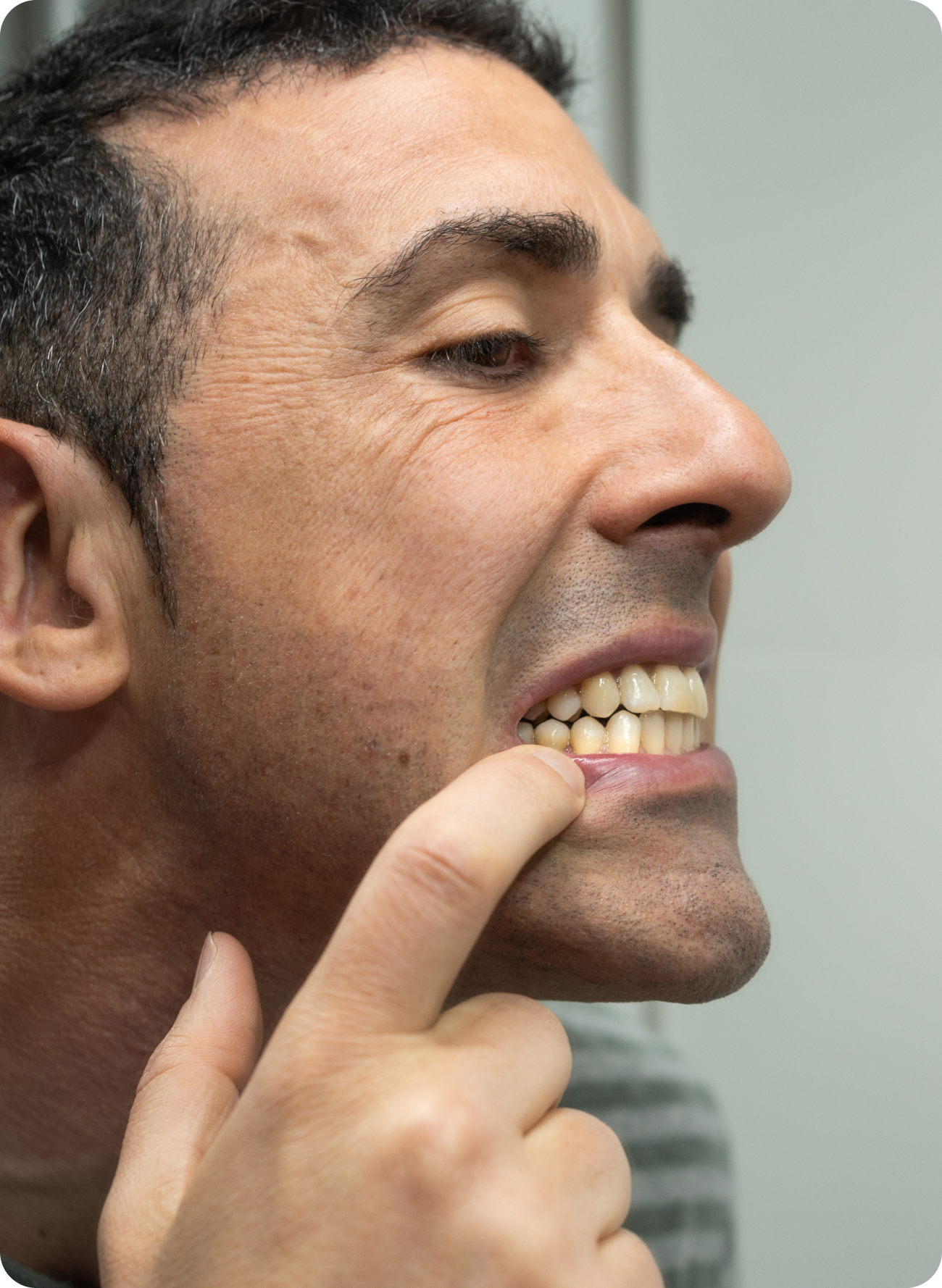
Shifting and spreading teeth are most often caused by gum disease, natural jaw changes, nighttime grinding, or a missing tooth — though in some cases, it's simply a normal part of aging.
What you'll learn in this article:
Teeth can shift naturally with age, but new gaps are not always harmless.
Gum disease is one of the most common causes of teeth spreading apart.
Teeth grinding can gradually move teeth out of position.
A missing tooth can cause nearby teeth to drift over time.
Wisdom teeth are rarely responsible for adult tooth movement.
Certain signs — like sudden gaps, loose teeth, or bleeding gums — mean you should see a provider soon.
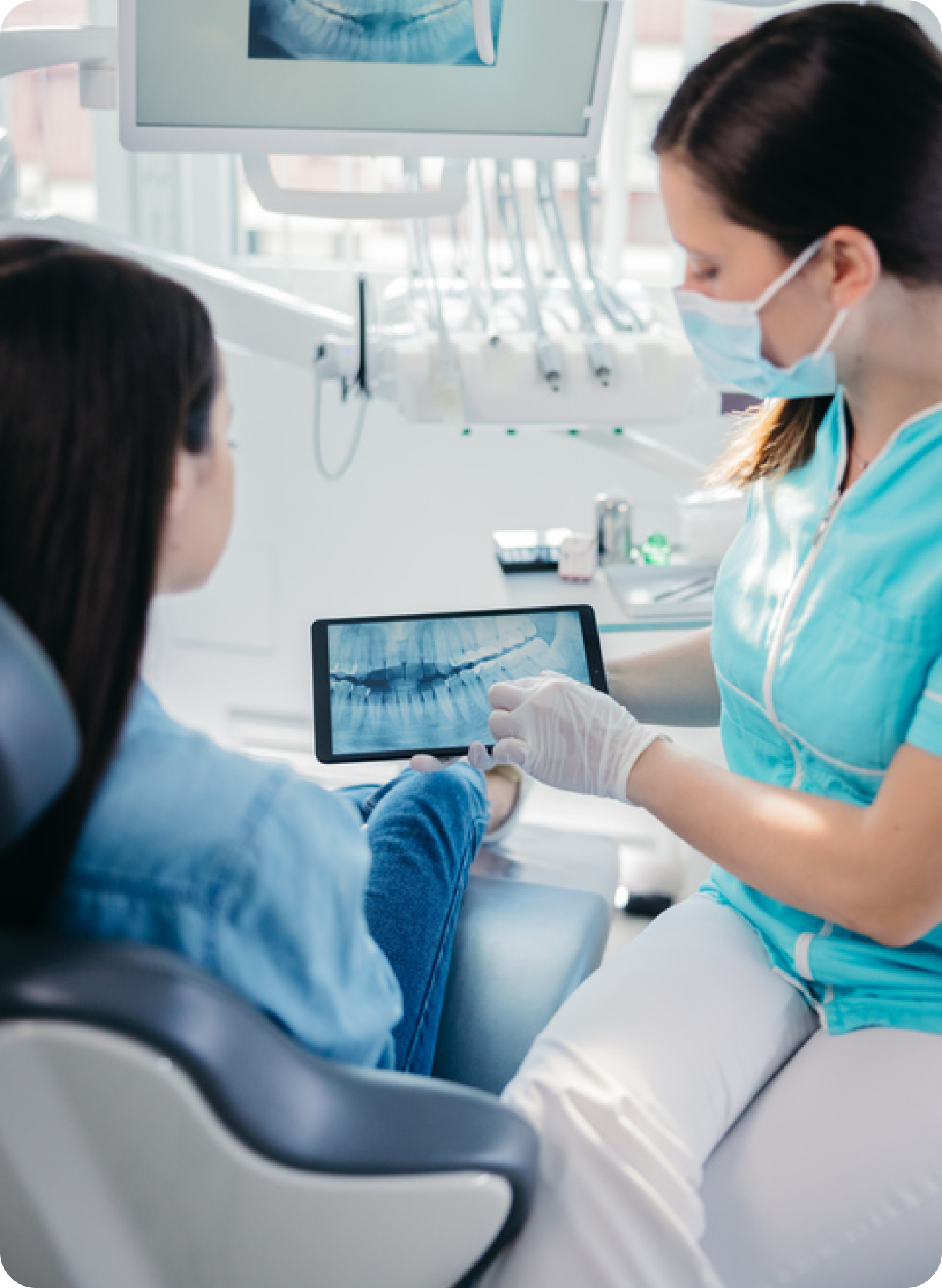
If your teeth have started moving, spacing out, or fitting together differently than they used to, schedule an appointment with your Aspen Dental provider. Changes in tooth position can sometimes be the first sign of gum disease, bone loss, or other issues that are easier to address when caught early.
What causes teeth to shift and spread apart?
Teeth are not fixed in place. They are held by a network of ligaments, bone, and soft tissue that respond to pressure, age, and health changes over time. When that support system changes — even gradually — teeth move. Here are the most common reasons teeth spread apart.
Your jaw keeps changing as you age
Most people assume their jaw stops changing once they reach adulthood. It doesn't. Your lower jaw continues to change gradually forward throughout your life. As it does, your lower front teeth push against your upper front teeth from behind. This pressure can cause your upper front teeth to gradually spread apart, creating a gap that wasn't there before.
At the same time, the lower jaw tends to narrow slightly with age. This can cause lower front teeth to crowd together while upper teeth spread outward — which is why many adults notice both changes happening at once.
Gum disease weakens the foundation
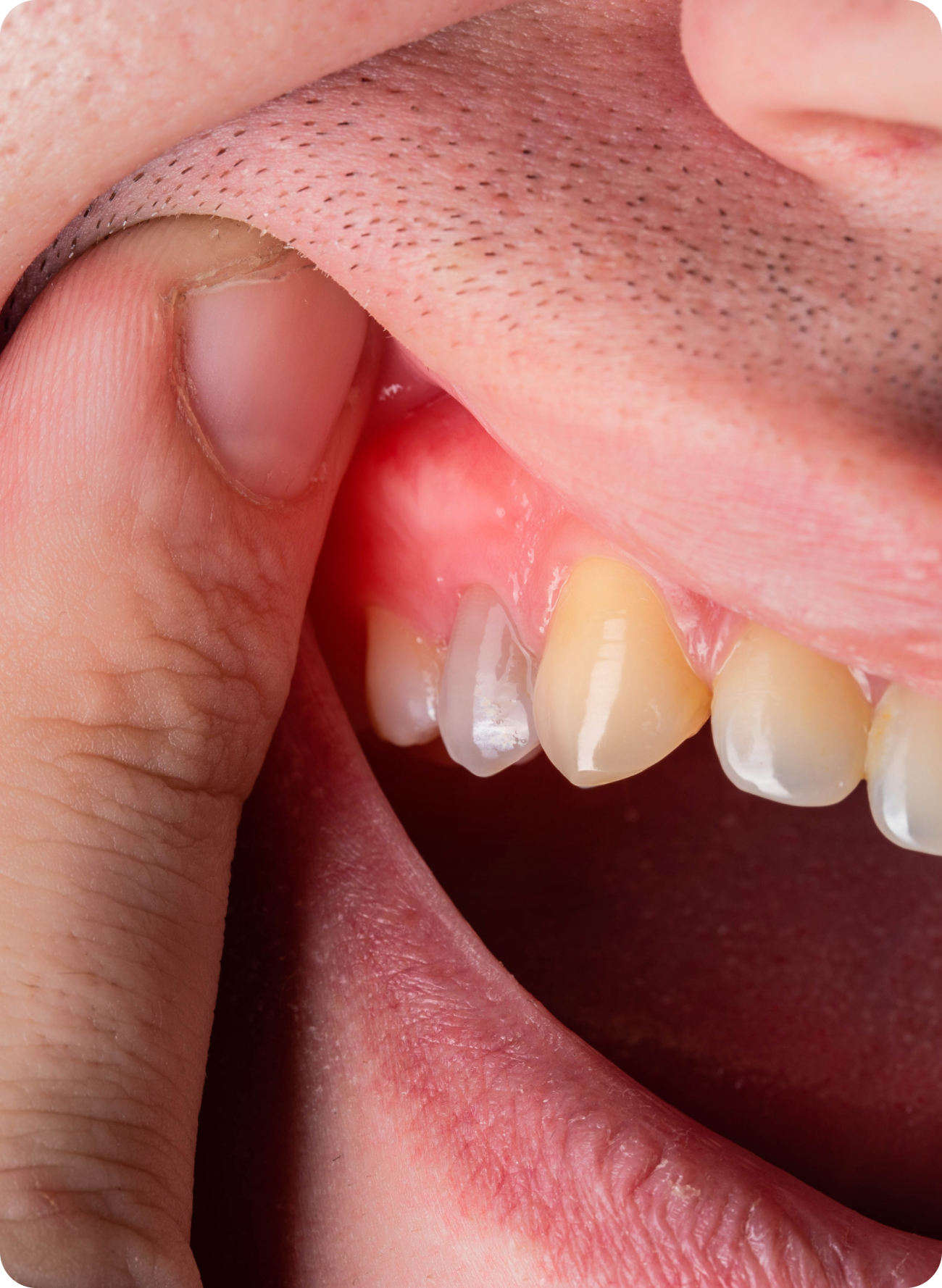
Gum disease — also called periodontitis — is one of the most common reasons adult teeth spread apart. According to the CDC, about 4 in 10 adults aged 30 and older have some form of gum disease.1 Here's what happens: bacteria build up under the gumline and trigger an infection. Over time, that infection damages the bone that holds your teeth in place. As the bone breaks down, teeth lose their anchor and begin to loosen and drift. Gaps that appear suddenly, or that seem to be growing, are often a sign that gum disease is involved.
Other signs of gum disease include:
Gums that bleed when you brush or floss
Gums that look red, swollen, or pulled away from the teeth
Persistent bad breath
Teeth that feel loose
If you notice any of these alongside shifting teeth, don't wait to have it evaluated.
Grinding and clenching push teeth outward
Many people grind or clench their teeth at night without realizing it. This habit — called bruxism — puts repeated pressure on the teeth and jaw. Over time, that pressure can push the front teeth forward and apart.
You may not feel soreness from grinding, especially if it happens while you sleep. But signs like a sore jaw in the morning, worn-down tooth edges, or a partner noticing that you grind your teeth at night are worth mentioning to your dental provider.
Tongue pressure and swallowing habits
The way your tongue moves when you swallow matters more than most people think. Normally, the tongue presses against the roof of the mouth. But some people press their tongue against the back of their front teeth instead — a habit called tongue thrusting.
Done thousands of times a day with every swallow, that repeated forward pressure can gradually push the front teeth apart. This is more common than it sounds and is often an overlooked cause of front tooth gaps in adults.
A missing tooth creates a chain reaction
When a tooth is lost and not replaced, the surrounding teeth no longer have anything holding them in position on that side. They begin to drift toward the empty space. Teeth on the opposite jaw may also shift downward or upward into the gap.
This movement can happen faster than most people expect, sometimes within weeks of a tooth being lost. Replacing a missing tooth promptly helps prevent this cascade from affecting the rest of your bite.
An oversized frenum pulls front teeth apart
The frenum is the small band of tissue that connects your upper lip to your gums. In some people, this tissue is larger than usual and attaches lower on the gum — directly between the two upper front teeth. When this happens, it can physically hold those teeth apart, creating a gap that tends to persist or widen over time.
This is a structural cause rather than a health problem, but it does require professional treatment to correct.
Not wearing a retainer after orthodontic treatment
If you've had braces or clear aligners, your teeth were moved into a new position — but the bone and ligaments around them need time to stabilize. A retainer holds everything in place during that process.
Without consistent retainer use, teeth will drift back toward where they came from. This is one of the most common reasons adults notice their teeth shifting after orthodontic treatment, and it can happen faster than expected — sometimes within days of stopping retainer use.
Can wisdom teeth cause your teeth to spread apart?
Probably not. Although wisdom teeth are often blamed for shifting teeth, research has found little evidence that they cause teeth to spread apart or become crowded.²
In fact, teeth continue to shift over time in people who have had their wisdom teeth removed and in people who never developed wisdom teeth at all.
Wisdom teeth may still need to be removed because of infection, lack of space, or other problems, but they are unlikely to be the reason new gaps are forming between your teeth.
Can you actually feel your teeth shifting?
Sometimes. You may notice a feeling of pressure, a change in how your teeth fit together, or a new gap that wasn't there before.
More often, teeth shift so gradually that you don't feel it happening. Instead, you might notice it in older photos or when a retainer that once fit comfortably no longer does.
If your bite feels different or the movement seems to be happening quickly, it's worth having it evaluated by your dental provider.
Can teeth shifting be stopped or reversed?
Often, yes. The right treatment depends on what's causing the movement.
If gum disease is the cause, treating the infection can help stabilize the teeth and prevent further shifting. If teeth grinding is contributing, a custom night guard can reduce the pressure that moves teeth over time. When a missing tooth is allowing nearby teeth to drift, replacing it can help restore support and prevent additional movement. For mild age-related shifting, a retainer may help keep teeth in position.
Your dental provider can identify the cause of the movement and recommend the most appropriate treatment for your situation.
When to see your dental provider
Some degree of tooth movement is a normal part of aging. But certain signs suggest the shifting needs professional attention sooner rather than later:
A gap that appeared suddenly or is growing noticeably
Teeth that feel loose or wobbly
Gums that bleed, look swollen, or are pulling away from the teeth
A bite that feels noticeably different
A retainer that no longer fits
These signs — especially in combination — can indicate gum disease or bone loss that will worsen without treatment. The earlier it's caught, the more options are available.
Teeth can shift for many reasons, and not all of them are serious. Your dental provider can evaluate the changes, explain what's happening and help you decide whether treatment is needed.
Why are my teeth shifting and spreading apart? FAQs
How fast do teeth shift?
It depends on the cause. Teeth can begin moving within days of losing a retainer or having a tooth extracted. Gum-disease-related shifting tends to happen more gradually — over months or years — but can accelerate as bone loss progresses. Age-related shifting is typically very slow, often unnoticeable year to year.
Can a retainer move teeth back into place?
A retainer is designed to hold teeth in position, not move them. If your teeth have shifted significantly, a retainer alone may not be enough to correct the alignment. In some cases, a new retainer can nudge minor movement back — but this depends on how much shifting has occurred and how long ago it happened. Your dental provider can assess whether a retainer is sufficient or whether additional treatment is needed.
Do teeth always shift more with age?
Not necessarily. Age-related shifting is common, but it's not inevitable or uncontrollable. Consistent retainer use, treating gum disease early, replacing missing teeth promptly and managing grinding can all significantly slow or prevent further movement.
Is a gap between my front teeth always a sign of a problem?
Not always. Some people are born with a gap due to genetics or the size of their frenum, and it never causes any health issues. However, a gap that is new, growing or accompanied by gum symptoms is worth evaluating — it may indicate gum disease or bone loss rather than a structural variation.
What happens if shifting teeth are left untreated?
It depends on the cause. Age-related shifting that isn't linked to gum disease may remain stable for years. But if gum disease is driving the movement, leaving it untreated allows bone loss to continue — which can eventually lead to loose teeth or tooth loss. Addressing the underlying cause early gives you the most options for preserving your smile long-term.
Sources
1Centers for Disease Control and Prevention. About Periodontal (Gum) Disease. https://www.cdc.gov/oral-health/about/gum-periodontal-disease.html
2Cleveland Clinic. Diastema: Definition, Causes & Treatment. https://my.clevelandclinic.org/health/diseases/23477-diastema