Last updated 06.03.2026
Toothache or heart attack? How to tell the difference
Learn how to tell the difference between a dental toothache and jaw discomfort linked to a possible heart attack.

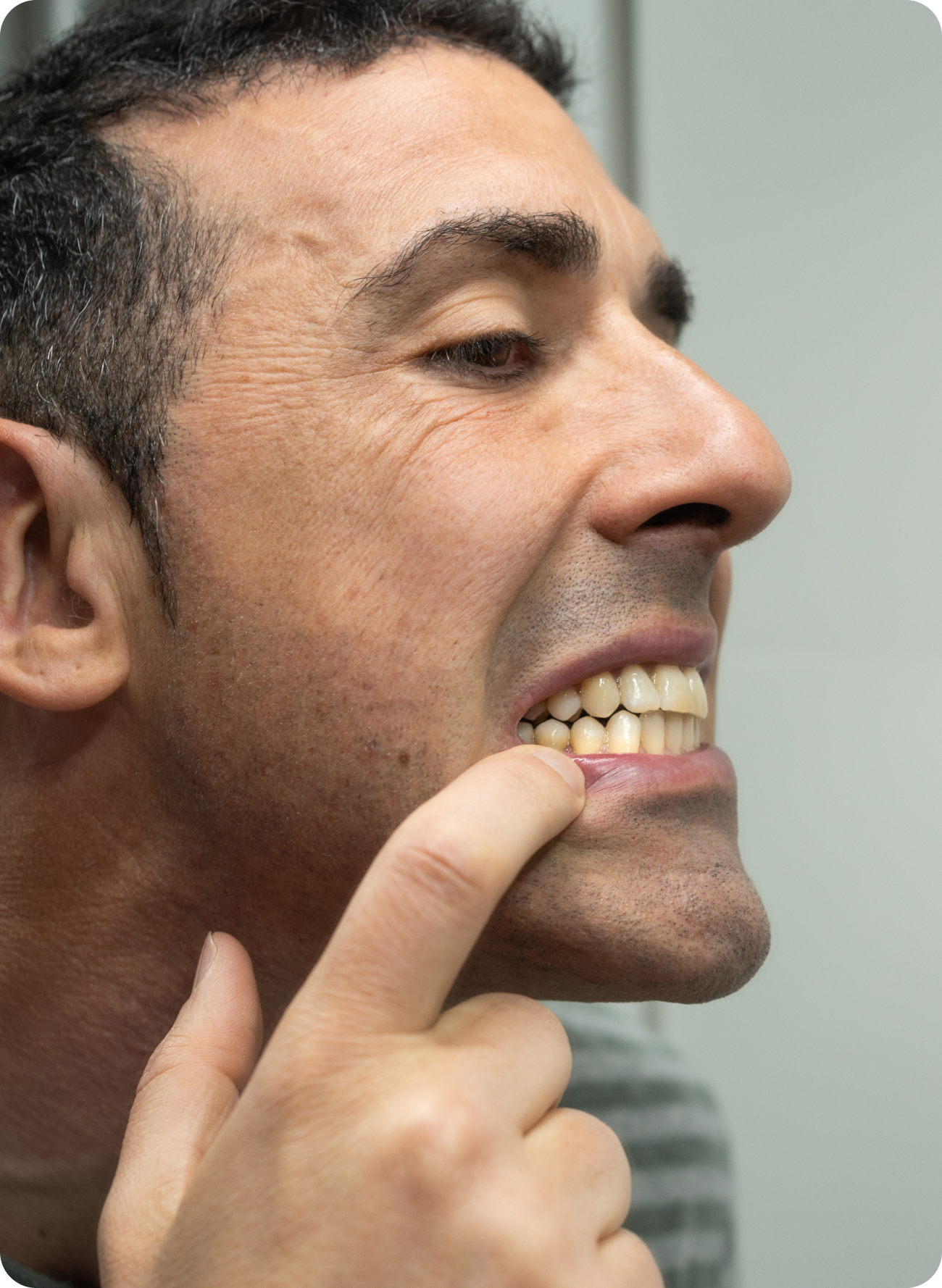
Jaw or tooth discomfort can be a symptom of a heart attack, not just a dental problem. The heart and jaw share overlapping nerve pathways, which means cardiac distress can sometimes present as aching in the jaw, lower teeth, or neck rather than the chest — and knowing the difference could determine whether you need a dental appointment or emergency care.
Most toothaches are caused by cavities, cracked teeth, gum disease, or infection. But if jaw discomfort occurs alongside shortness of breath, sweating or chest pressure, call 911 immediately. If symptoms appear to have a dental cause, schedule an appointment with your dental provider.
What you'll learn in this article:
Why a heart attack can feel like a toothache
How to distinguish dental discomfort from cardiac symptoms
Which symptoms require emergency medical attention
Who is most likely to experience cardiac jaw discomfort
How dental infections can affect heart health
When to call 911 and when to see your dentist
Why a heart attack can feel like a toothache
The heart and jaw share overlapping nerve pathways. During a cardiac event, distress signals from the heart can travel along those shared pathways and register as discomfort in the jaw, lower teeth, or neck rather than the chest. This is called referred pain.
What is referred pain?
Referred pain happens when the brain misidentifies the source of a distress signal — often because two organs share overlapping nerve pathways. The heart and jaw share nerve pathways through the trigeminal nerve — the primary sensory nerve of the face and jaw — and the vagus nerve. When the heart is deprived of oxygen, those signals may be interpreted as discomfort in the jaw or teeth instead.
According to the National Institutes of Health, jaw and tooth discomfort can sometimes be among the earliest signs of a heart attack.¹
Which teeth and jaw areas are most commonly affected?
Cardiac-related jaw discomfort most often affects:
The lower jaw
Lower back teeth
The left side of the jaw or neck
The sensation is usually:
Diffuse rather than localized
Dull or heavy rather than sharp
Accompanied by other symptoms such as shortness of breath, sweating, or chest pressure
This pattern is different from most dental discomfort, which is usually isolated to one tooth or area.
How to tell the difference between a toothache and cardiac discomfort
The symptoms can overlap, but there are important differences.
Signs your discomfort is a toothache
Location: Discomfort is localized to one tooth, a section of your jaw, or your gums
Type of discomfort: Sharp, throbbing, or aching — often triggered by biting, chewing, or temperature changes
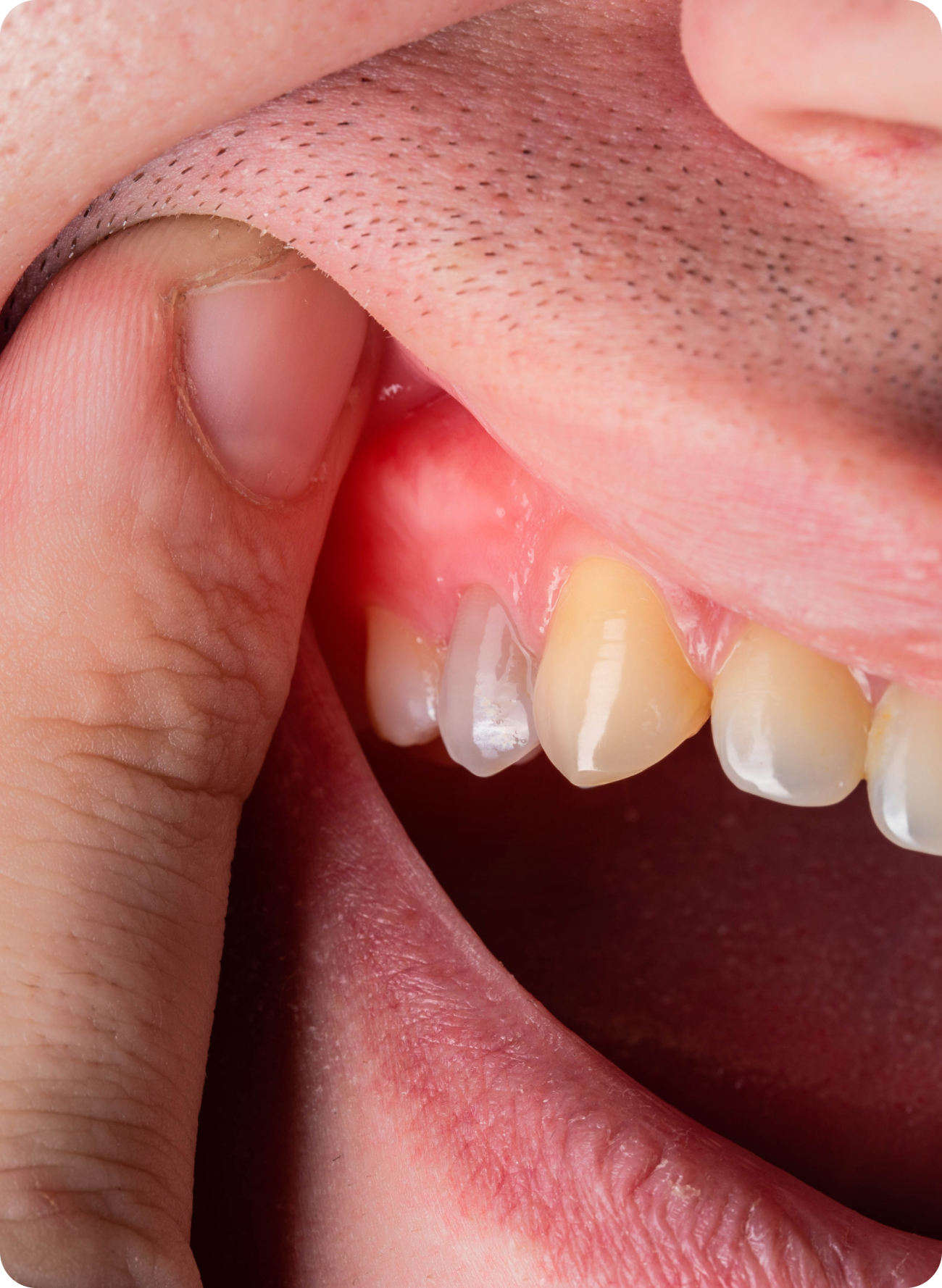
Associated symptoms: Swelling around the tooth or gum, sensitivity to hot or cold, visible decay or a cracked tooth
Duration: May come and go, or worsen when you eat or drink
What helps: Pain relievers or avoiding the affected tooth temporarily
Signs your discomfort may be a heart attack
Location: Pressure or tightness in the center of the chest — may radiate to the jaw, left arm, neck or back
Type of discomfort: Squeezing, heavy, or crushing — not triggered by biting or temperature
Associated symptoms: Shortness of breath, sweating, nausea, lightheadedness, or a sense of doom
Duration: Lasts more than a few minutes, or comes in waves
What helps: Cardiac discomfort is not typically relieved by dental pain relievers or avoiding pressure on a specific tooth
According to the Mayo Clinic, heart attack symptoms can include discomfort that spreads to the jaw, neck, or teeth — even when chest discomfort is mild or absent.²
If jaw or tooth discomfort occurs alongside possible cardiac symptoms, call 911 immediately. Do not wait to see whether it passes.
Who is most at risk for cardiac jaw discomfort?
Not everyone experiences heart attack symptoms the same way. Certain groups are more likely to present with atypical symptoms such as jaw discomfort instead of severe chest pressure.
Why women, older adults, and people with diabetes experience symptoms differently
According to the American Heart Association, women are more likely than men to experience heart attack symptoms that do not include prominent chest pressure — and may instead notice:³
Jaw or neck aching
Unusual fatigue
Nausea
Shortness of breath
Older adults and people with diabetes may also experience "silent" cardiac events with fewer obvious chest symptoms. If you fall into one of these groups and develop unexplained jaw or tooth discomfort — especially alongside fatigue or breathlessness — treat it seriously until a medical provider rules out a cardiac cause.
Can untreated dental infections affect your heart?
Yes. The connection between oral health and heart health goes beyond referred discomfort.
How oral bacteria can reach the heart
Bacteria from infected gums or teeth can enter the bloodstream through a process called bacteremia. Research suggests oral infections may contribute to systemic inflammation and are associated with certain cardiovascular conditions.
Research has linked untreated oral infections to:
Endocarditis
Arterial inflammation
Increased cardiovascular risk
This does not mean every toothache is a heart problem. It does mean dental infections should not be ignored. Your dentist can evaluate the area and recommend treatment before the infection progresses further.
When to see your dental provider
Most toothaches are caused by dental conditions such as:
If the discomfort is localized and triggered by pressure, temperature or chewing, schedule an appointment with your dentist.
Schedule a dental appointment if:
The toothache has lasted more than 1–2 days
The discomfort is worsening or spreading into the jaw or ear
You notice swelling in the gums or face
A tooth is cracked, chipped or visibly damaged
Sensitivity is persistent or worsening
Call 911 immediately if:
Jaw or tooth discomfort occurs with chest pressure or shortness of breath
You feel sweaty, lightheaded, unusually fatigued, or short of breath
The symptoms appeared suddenly without a dental trigger
You have heart disease and develop new unexplained jaw discomfort
When in doubt, err on the side of caution. A heart attack presenting as jaw or tooth discomfort is uncommon — but it is real and time-sensitive.
Toothache or heart attack FAQs
Can a toothache go away if it is actually related to the heart?
Yes. Cardiac-related jaw discomfort can come and go temporarily, which is different from most dental discomfort that tends to worsen steadily or react to pressure and temperature.
Is jaw discomfort during exercise a warning sign?
It can be. Jaw or tooth discomfort that appears during physical activity and eases within a few minutes of rest is a recognized symptom of angina — a condition caused by reduced blood flow to the heart muscle. Unlike a heart attack, angina is not caused by a complete arterial blockage and typically resolves with rest. However, it is a warning sign that warrants prompt medical evaluation, as it can precede a more serious cardiac event.
Can stress cause jaw discomfort that mimics a toothache?
Yes. Stress can cause clenching and grinding, which may create diffuse jaw aching. However, stress can also contribute to cardiac events, so accompanying symptoms still matter.
Should I take aspirin if I think my toothache may be cardiac?
Call 911 first. Emergency dispatchers can advise whether aspirin is appropriate based on your symptoms and medical history.
How will my dentist know whether the discomfort is dental or cardiac?
Your dental provider will examine the teeth, gums and jaw, review your symptoms, and take imaging if needed. If the symptoms suggest a non-dental cause, your dentist may recommend immediate medical evaluation.
Sources
1National Institutes of Health. Referred Pain. https://pmc.ncbi.nlm.nih.gov/articles/PMC4327510/
2Mayo Clinic. Heart Attack: Symptoms and Causes. https://www.mayoclinic.org/diseases-conditions/heart-attack/symptoms-causes/syc-20373106
3American Heart Association. Heart Attack Symptoms in Women. https://www.heart.org/en/health-topics/heart-attack/warning-signs-of-a-heart-attack/heart-attack-symptoms-in-women